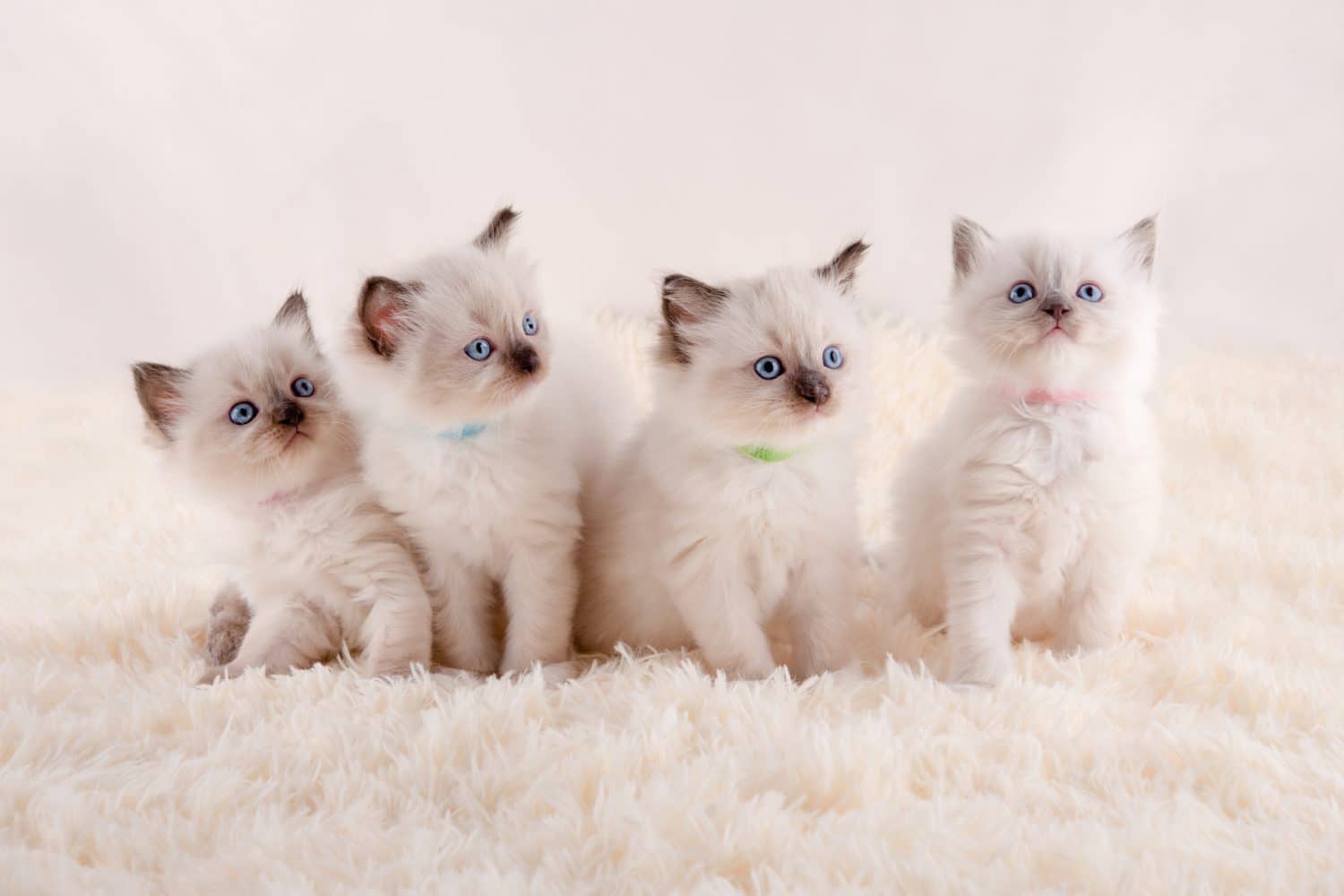

It’s no secret that ragdoll cats are some of the most lovable and loyal companions out there. If you are contemplating adding one of these cats to your family, how do you decide which sex to adopt? Although all ragdolls share general personality traits, each sex also has its own unique quirks. Today, we discuss five differences between male and female ragdolls to help you decide which cat is a better fit for your home.
Ragdolls: A Brief History
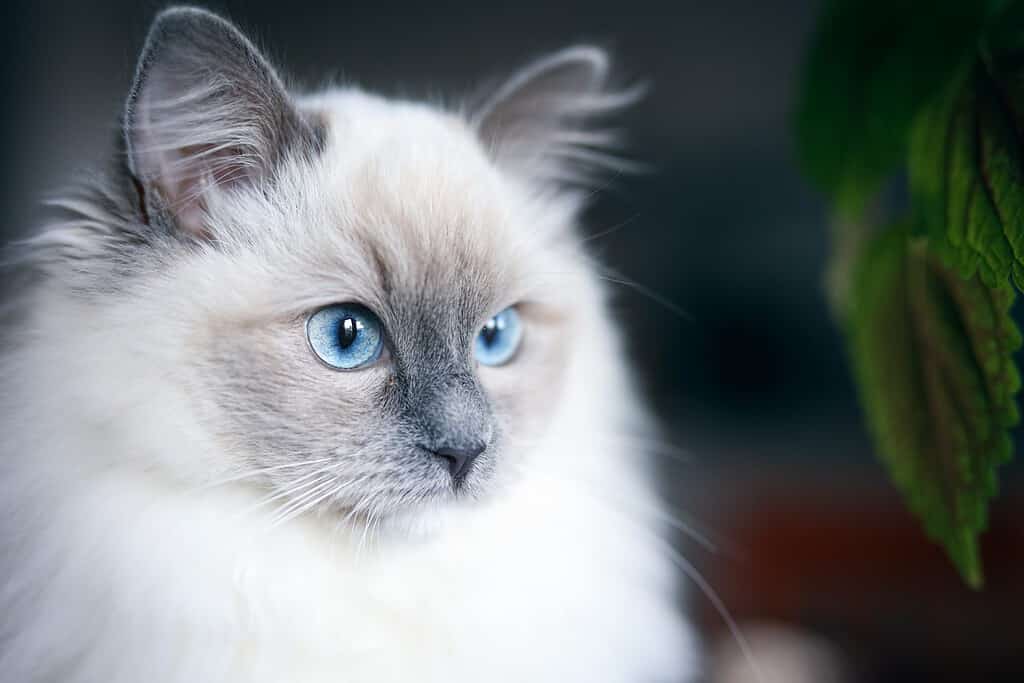
All ragdolls have piercing blue eyes.
©oussama el biad/Shutterstock.com
Compared to other cat breeds, ragdolls have only very recently been developed. Breeds like the Russian blue and the Siamese date back well over a century, whereas ragdolls only just appeared during the 1960s. During this time, a woman named Ann Baker developed the breed from a street cat named Josephine. Although she was apparently of no particular breed, many people say that she resembled a white angora. Josephine’s kittens became the first ragdolls, and over the course of many years, Ms. Baker continued to develop the breed.
Josephine’s kittens had unique markings, which are now recognized as the van, mitted, colorpoint, and bicolor patterns. In addition to their beautiful looks, her kittens had a sweet disposition and made excellent house pets. These qualities are still present in ragdolls today. Ragdolls as a whole usually get along well with other animals and small children due to their relaxed personalities. Although this breed is extremely loving toward their immediate families, they may take longer to warm up to strangers.
1. Differences in Physical Characteristics
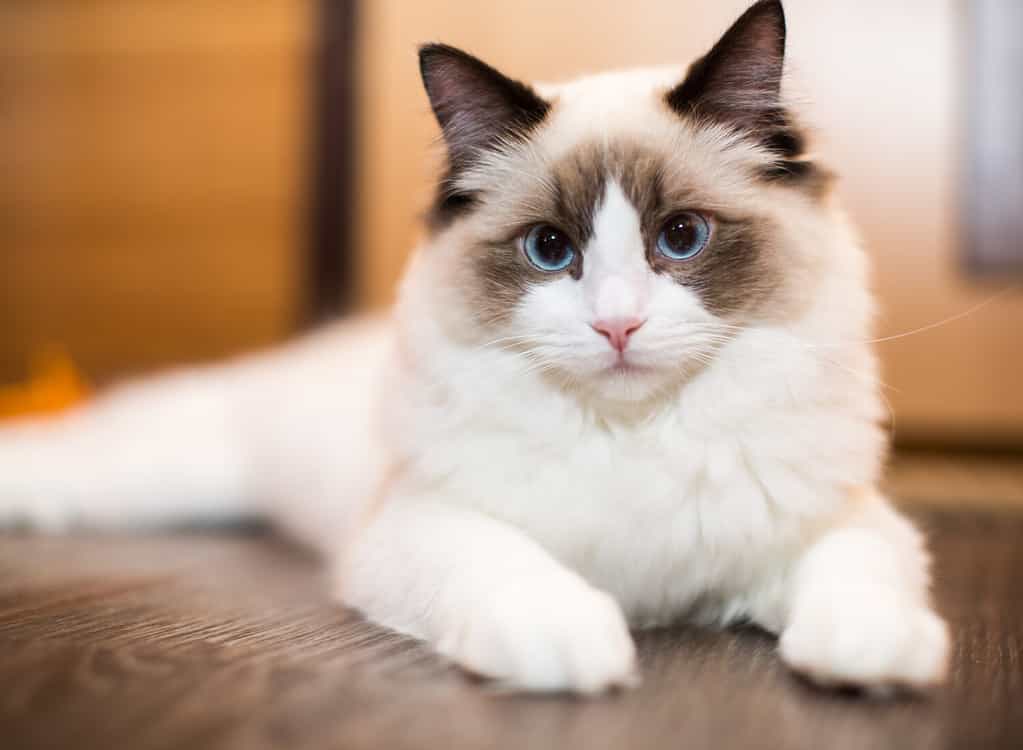
Male ragdolls can reach upwards of 20 pounds.
©Peredniankina/Shutterstock.com
It’s no secret that ragdolls are one of the largest cat breeds. Some people say that the ragdoll is only second in size to the incredible Maine coon, and it’s hard to disagree. Like Maine coons, ragdolls also mature more slowly. They reach their full coat color by two years, but they may not reach their full size until they are four years old.
However, male ragdolls are generally larger than females. Males usually grow to be between 13 and 18 pounds, but it is not uncommon for a mature male to exceed 20 pounds. Female ragdolls typically weigh between 10 and 15 pounds, so large females can be bigger than some males. Males also tend to be slightly taller, with sturdier and more muscular bodies.
2. Temperament
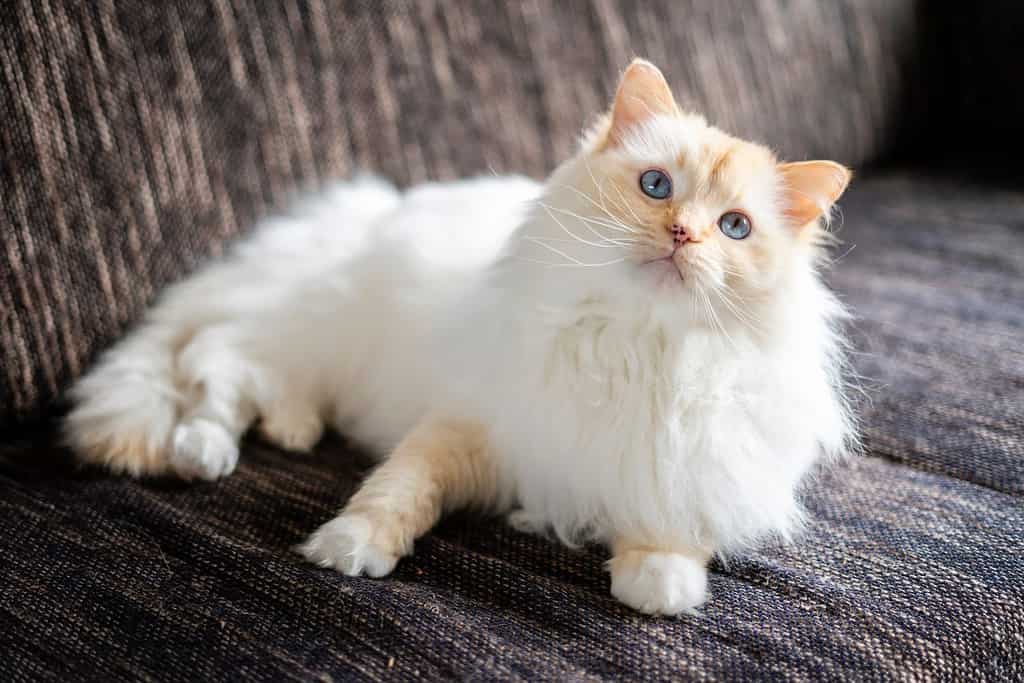
Female ragdolls are equally as loving as males but may be more independent.
©Ria Peene/Shutterstock.com
Male ragdolls are the more social of the two genders, and they are the type to follow their owners around from room to room. They are more likely to be “lap cats,” and are often content to spend their days curled up on the couch with their humans. Males are also said to be more energetic and playful.
On the other hand, females can be a little more aloof and independent. They’re equally as loving, but they don’t seek out attention as frequently as males. Females are also said to be calmer and may be slightly moodier, especially if they are not spayed.
3. Vocalizations
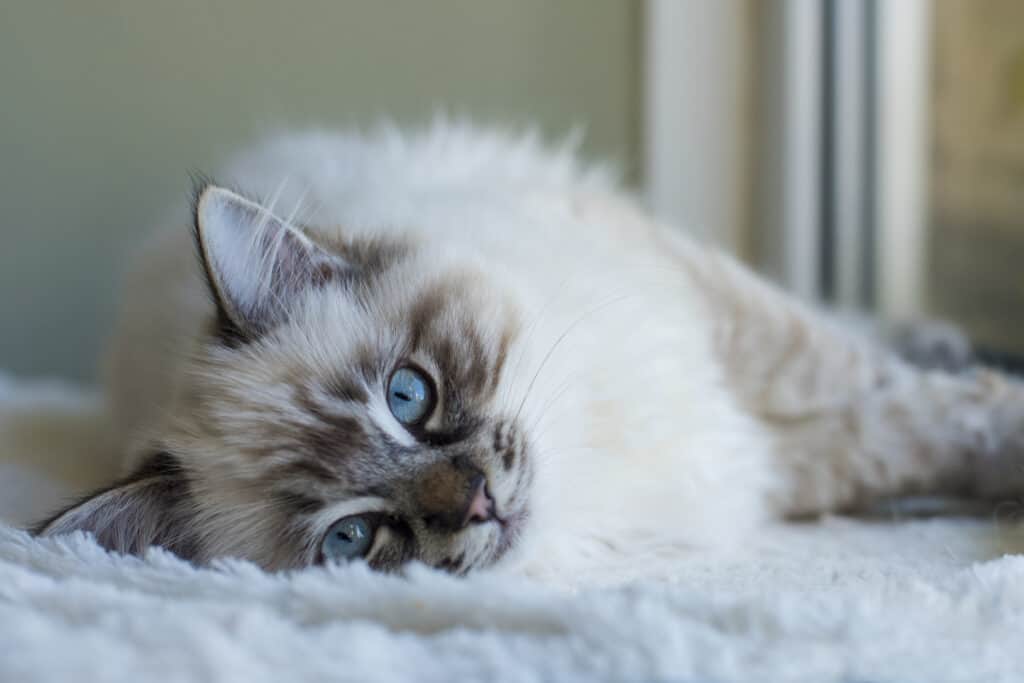
Unspayed females can be very vocal when they are in heat.
©cath5/Shutterstock.com
Both male and female ragdolls tend to be a little chatty. These cats know how to get what they want, and if that means meowing for your attention, that’s what they’ll do. Ragdolls will meow when they’re excited, when they’re hungry, or when they want their owner’s attention. Males tend to be a little less vocal than females. This difference is especially noticeable if a female is not spayed, as unspayed females often meow more when they are in heat.
4. Response to Training
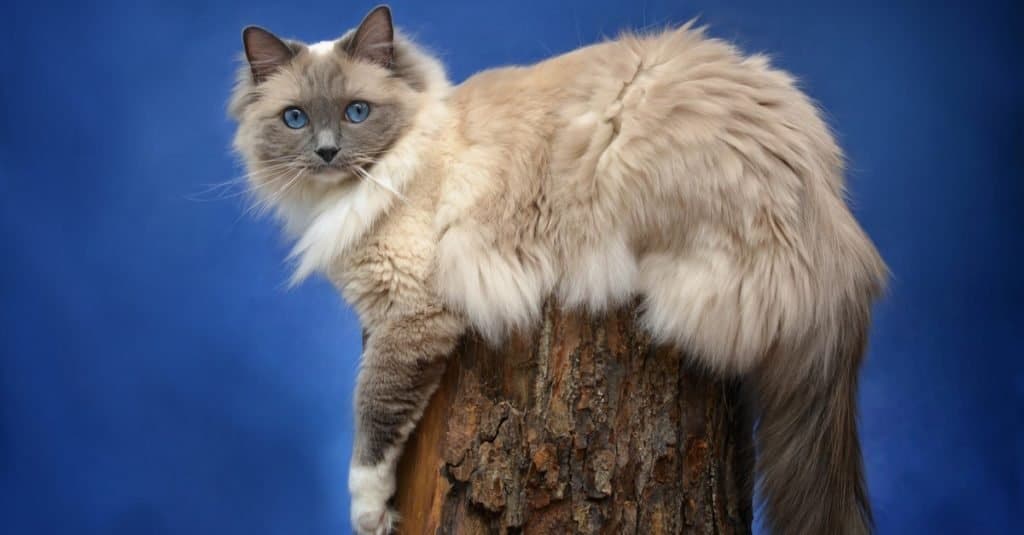
Males may be more excitable and easily distracted during training than females.
©Cindy Creighton/Shutterstock.com
Although training cats isn’t discussed as often as training dogs, it’s still very possible, especially for a breed like the ragdoll. These cats are naturally intelligent and driven to please their owners, so training them is relatively easy. Some sources suggest females may be more attentive, making it generally easier to keep them engaged during training. Males can be more excitable and easily distracted, so using clicker training and treats as motivation can be helpful. However, training outcomes may depend more on individual personality and consistent positive reinforcement than on gender.
5. Sex-Dependent Health Considerations for Ragdolls
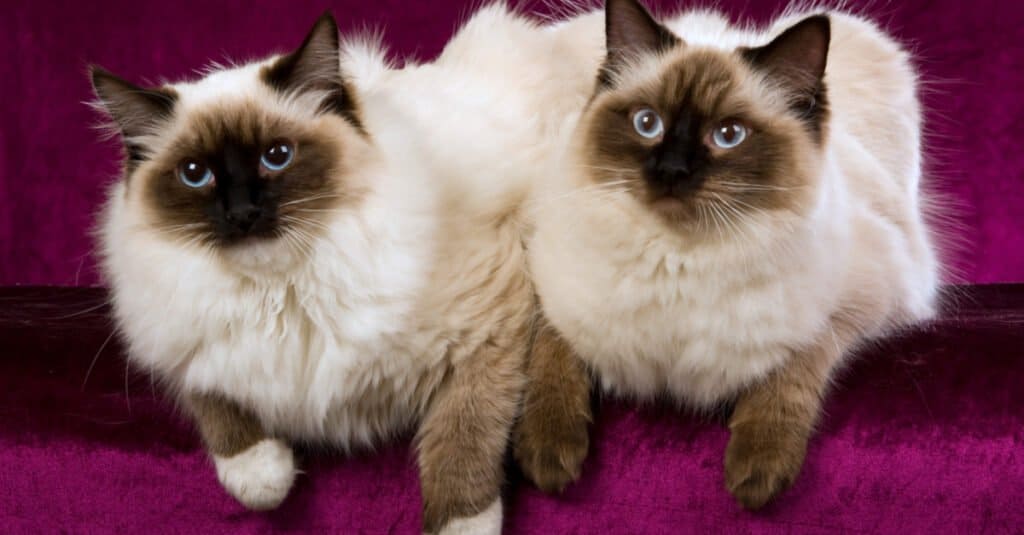
Spay or neuter your pet to reduce their risk of developing reproductive cancers.
©Linn Currie/Shutterstock.com
As with any animal, ragdolls will be more susceptible to certain diseases based on their gender. Ovarian and testicular cancers are concerns for ragdolls that are not spayed or neutered. If your cat is not intended for breeding, it is highly recommended to have them spayed or neutered. These procedures greatly reduce the risk of developing reproductive cancers.
All ragdolls will be somewhat vulnerable to dental issues, eye disease, and obesity. Hypertrophic cardiomyopathy is also a hereditary condition found in ragdolls. However, breeders now routinely test for it to ensure that carriers are not bred. Talk to your vet about your individual cat’s needs.
Final Thoughts
Ragdolls are loving cats with a wealth of wonderful qualities. Ultimately, the gender you choose does not make a significant difference. The differences in their personalities are subtle, and most owners will not be greatly affected by them. As always, there are exceptions to these generalizations, and some ragdolls may display characteristics typically associated with the opposite gender. Regardless of the gender you choose, you can certainly expect many years of companionship and happiness!