Quick Take
- Cats are the most commonly hoarded animals, due to their low cost, indoor suitability, and rapid reproduction.
- Dogs are the second most hoarded species, with overcrowding and minimal human interaction common.
- Prevention relies on affordable spay and neuter, accessible veterinary care, and mental health support.
From the outside, animal hoarding often looks like compassion for vulnerable critters. A person may appear to be taking in unwanted pets or rescuing animals that no one else will help. However, inside these homes, the situation is usually very different. Investigations consistently find numerous animals packed into unsafe spaces, living with untreated illness, poor sanitation, and constant stress. Food, clean water, and veterinary care are often inadequate or missing altogether.
Understanding which animals are most frequently hoarded, and the reasons behind those patterns, helps animal welfare groups, mental health professionals, and communities respond earlier and more effectively. Prevention of animal hoarding disorder depends on recognizing risk before numbers spiral beyond control.
Why Do Some People Hoard Animals?

Animal hoarding is a kind of mental disorder.
©Lucigerma/Shutterstock.com
People hoard animals for complex psychological and social reasons, not because they simply “love animals too much.” Many individuals who hoard animals believe they are rescuing or protecting them, even as conditions deteriorate. This behavior is often linked to untreated mental health issues such as anxiety, depression, trauma, or obsessive–compulsive tendencies. Hoarders may form intense emotional bonds with animals and struggle to recognize suffering, convincing themselves that no one else can care for the animals as well as they can.
Social isolation and loss also play a major role. Animal hoarding frequently follows major life disruptions such as bereavement, divorce, or declining health. Animals may become substitutes for human relationships, providing a sense of purpose, control, or unconditional attachment. Over time, the number of animals grows beyond what the person can manage, while shame and fear of intervention prevent them from seeking help. The result is a situation where both the animals and the person involved are trapped in worsening conditions.
Many documented situations include dozens of animals, and some involve hundreds, all living under the care of one overwhelmed person. Certain animals appear far more often than others in these cases. This pattern is not random. Species that reproduce quickly, cost less to acquire, or can be kept indoors without drawing attention tend to dominate case files.
Cats (Felis catus)
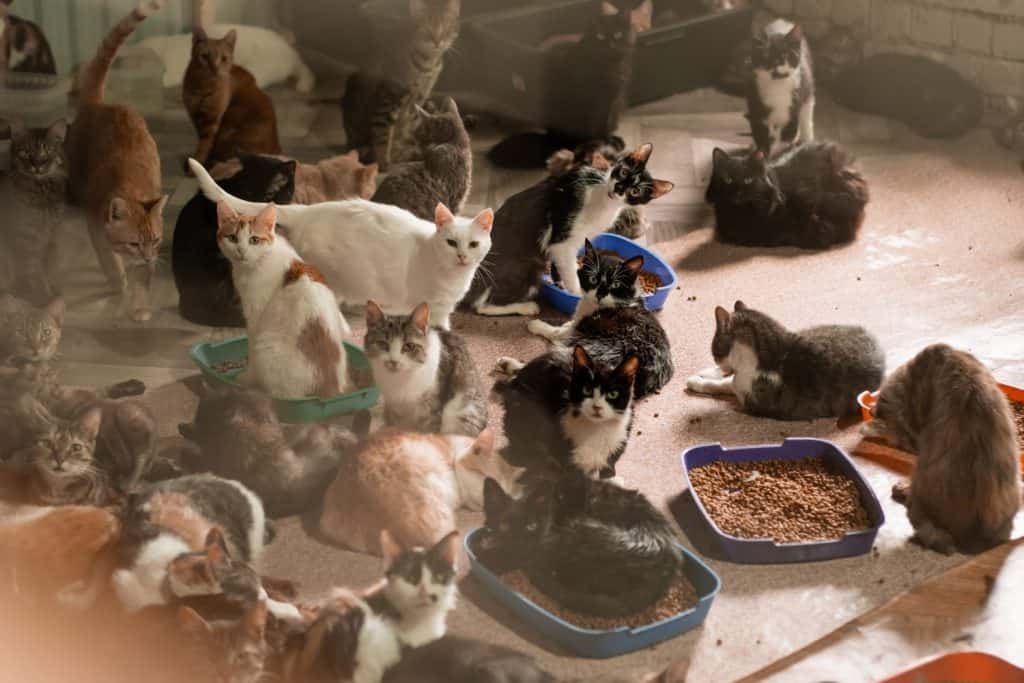
High reproduction rates are one reason cats are the most commonly-hoarded animal.
©Nastya Revva/Shutterstock.com
Cats are the most commonly hoarded animals across studies and regions. Case reviews regularly show cats present in roughly two thirds to more than eighty percent of confirmed hoarding investigations. Their size, low purchase cost, and ability to live indoors allow populations to grow for years without outside notice. Many hoarders start by feeding stray cats or taking in a few unwanted pets, only to lose track of how quickly the situation escalates.
Reproduction plays a major role. An unspayed female cat can produce multiple litters each year, and kittens can reach breeding age within months. When cats are not sterilized or separated, numbers increase at a pace that quickly overwhelms any household. Care tasks like litter cleaning, feeding, and basic hygiene fall behind as populations rise.
In hoarding homes, cats often suffer from upper respiratory infections, parasites, eye disease, and chronic stress. Strong ammonia odors, overflowing litter boxes, and blocked exits are common warning signs. These conditions make recovery and adoption far more difficult once animals are finally removed.
Dogs (Canis familiaris)
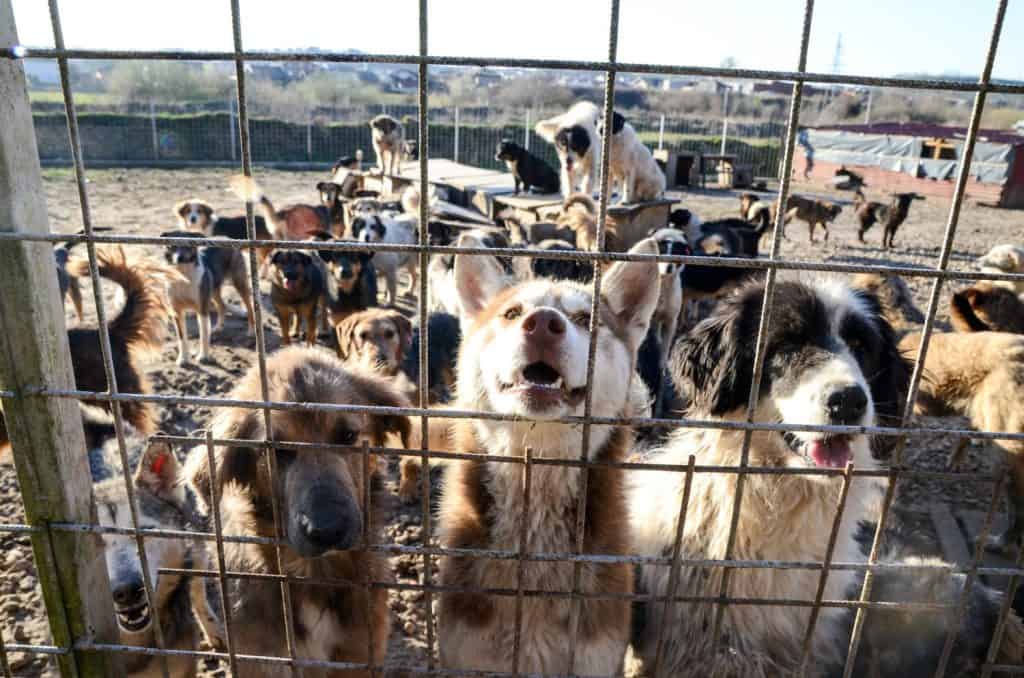
Hoarded dogs often live in appalling conditions.
©Ajdin Kamber/Shutterstock.com
Dogs are the second most frequently hoarded species and appear in more than half of many documented case series. Hoarded dogs include a wide range of breeds and sizes, but their living conditions tend to share the same problems. Overcrowding, lack of routine care, and minimal human interaction beyond chaotic group settings are common findings.
Many hoarders begin with good intentions, such as rescuing strays or keeping unplanned litters. Over time, they struggle to manage breeding, training, and basic health needs. As numbers increase, dogs are often confined to small rooms, garages, or outdoor pens layered with waste. Vaccinations, parasite control, and grooming are frequently absent.
Dogs removed from hoarding environments often show fear, poor social skills, and untreated medical issues. Some develop defensive behaviors that complicate later placement. Long recovery periods and specialized behavioral support are often required before these dogs can safely enter adoptive homes.
Rabbits (Oryctolagus cuniculus)

Skin infections and heat stress are two issues that can happen to rabbits kept in overcrowded conditions.
©TY Lim/Shutterstock.com
Rabbits appear in some animal hoarding cases. They are often acquired under the mistaken belief that they are easy, low-effort pets. Backyard breeding and impulse purchases contribute to rapid population growth when animals are left intact.
Rabbits have specific needs that are often overlooked in hoarding situations. They require space to move, clean bedding, proper ventilation, and diets that support dental health. When confined to small cages or hutches, they are unable to express normal behavior, which increases stress and physical decline.
Common welfare problems in hoarded rabbits include overgrown teeth and nails, urine-soaked fur, skin infections, and heat stress. Many receive little or no handling, leaving them fearful when rescued. Without early intervention, rabbit hoards can expand quickly and become difficult to manage safely.
Birds (Various Species)

Neglected birds can develop respiratory and digestive problems that can infect people.
©neme_jimenez/Shutterstock.com
Birds appear less frequently than cats or dogs in hoarding statistics, but they still account for a notable share of cases. Parrots, finches, and other small cage birds are most often involved. Some hoarders perceive birds as easier to conceal because multiple cages can be stacked in spare rooms, basements, or garages.
Many bird species are highly social and long-lived. When kept without stimulation, proper diet, or social interaction, they can develop serious behavioral and medical problems. Feather plucking, repetitive movements, and weakened immune systems are common findings in hoarded birds.
Investigators often describe rooms thick with dust, dander, and dried waste. Food and water containers are frequently contaminated, increasing the risk of respiratory and digestive disease. These conditions can also affect the health of people living in the home, especially those with allergies or breathing conditions.
Reptiles (Snakes, Lizards, and Turtles)
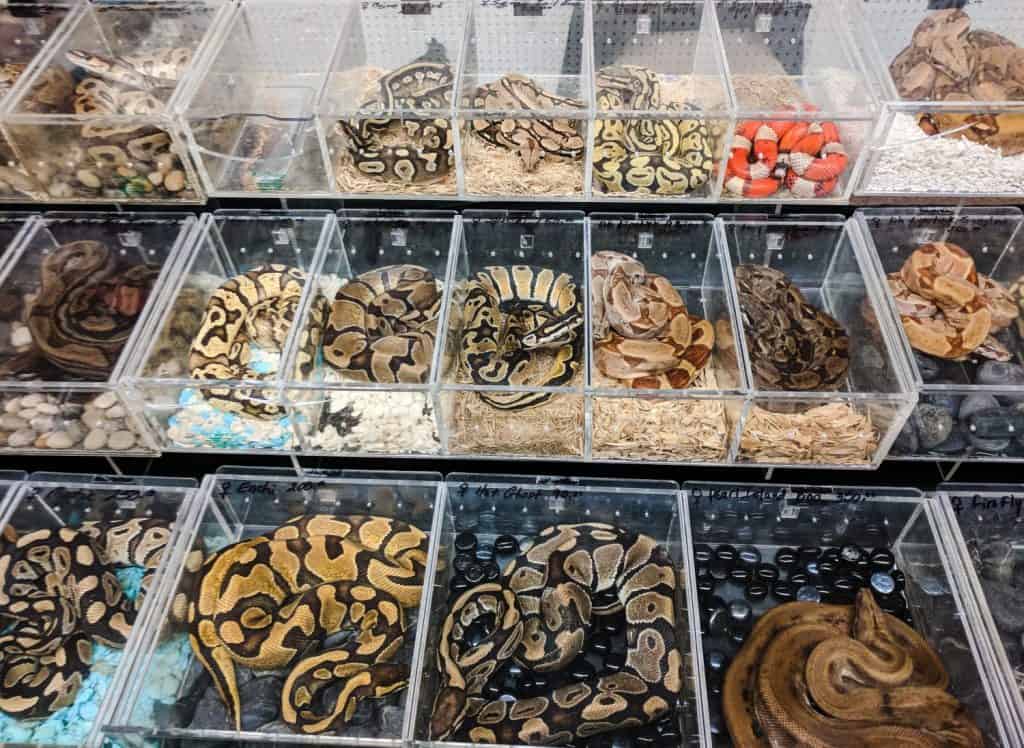
These snakes are on display temporarily at an exotic animal market. In a hoarder’s house, reptiles may similarly be housed long-term in unsuitably small containers.
©Hunter Byrd/Shutterstock.com
Reptiles make up a smaller but still meaningful portion of hoarded animals. These cases often begin with interest in exotic pets or small-scale breeding projects that grow beyond the keeper’s resources. Because reptiles are quiet and often housed in tanks or tubs, large collections may go unnoticed for long periods.
Unlike mammals, reptiles rely on precise environmental conditions to survive. Proper temperature, humidity, lighting, and diet are essential. In hoarding environments, animals are frequently packed into unsuitable enclosures without adequate heat or ultraviolet light. This leads to infections, metabolic disorders, poor shedding, and starvation.
Reptiles can also carry pathogens such as salmonella. When many animals are kept in unsanitary conditions, the risk of disease transmission rises, especially for children, older adults, and people with weakened immune systems living in the household.
How Animal Hoarding Cases Are Resolved

Animal control officers enforce local animal welfare laws.
©Jim Parkin/Shutterstock.com
Animal hoarding cases are most often reported by neighbors, family members, landlords, utility workers, veterinarians, or first responders who notice strong odors, excessive noise, unsanitary conditions, or animals in visible distress. Once a report is made, local animal control or humane law enforcement typically investigates, sometimes alongside public health departments due to sanitation risks.
If conditions meet the legal definition of neglect or cruelty, authorities may obtain a warrant to seize the animals. Courts can impose charges ranging from animal cruelty to zoning and health code violations, and in severe cases may ban the individual from owning animals in the future. These cases are costly and resource-intensive, often requiring coordination between animal welfare agencies, social services, and mental health professionals.
What Happens to the Animals?
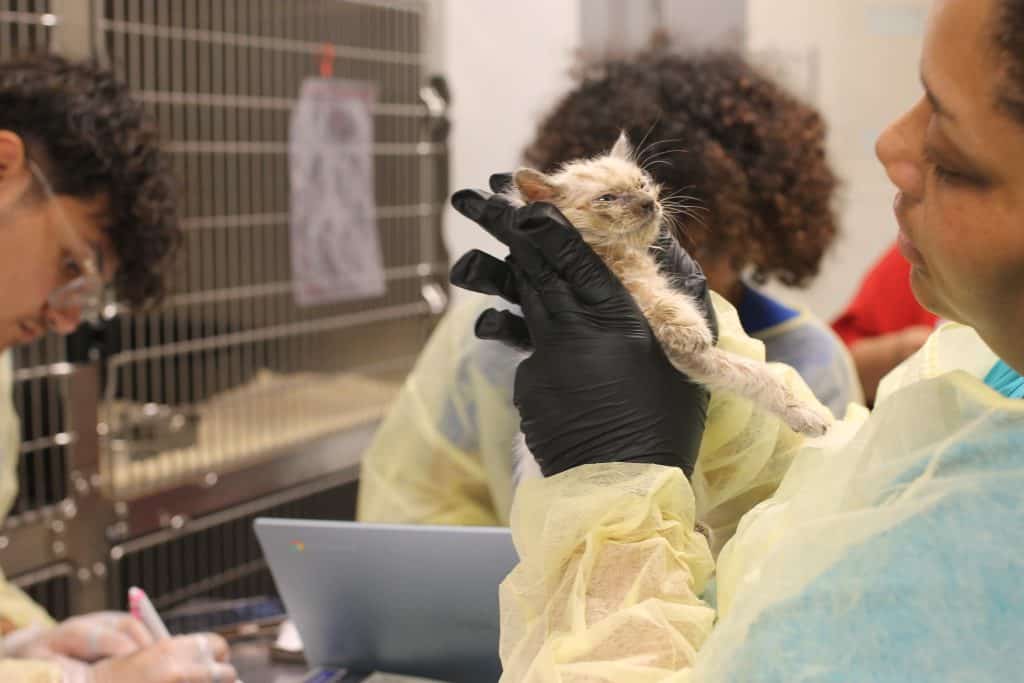
Animals rescued from hoarding may be rehabilitated or euthanized if their condition is too severe to treat.
© – Original
After removal, animals are taken to shelters, rescues, or temporary holding facilities, where many require extensive medical care for malnutrition, parasites, untreated injuries, or infectious disease. Crowded hoarding environments allow illness to spread quickly, so animals are often quarantined and treated over weeks or months. While many animals can be rehabilitated and eventually adopted, outcomes depend on health, age, and behavior. Some animals, especially those with severe medical issues or advanced disease, may be euthanized when suffering cannot be relieved.
Mental health experts note that hoarding is usually a chronic condition, and without long-term support, individuals may repeat the behavior. Successful resolution focuses not only on saving animals, but also on addressing the underlying human needs that led to the situation in the first place.
Prevention and Early Intervention
Preventing animal hoarding starts with addressing its root causes, not just its outcomes. Many cases grow out of untreated mental health conditions such as anxiety, depression, trauma, or severe loneliness, where animals become a primary source of comfort or stability. Regular wellness checks, access to mental health care, and early social support can interrupt this pattern before it escalates. When people receive help early, the cycle of acquiring animals to cope with emotional distress is less likely to take hold.
Prevention also depends on clear enforcement of zoning laws and animal welfare statutes. Neighbors, veterinarians, landlords, and social service workers are often the first to notice warning signs, such as overcrowding, unsanitary conditions, or animals lacking basic care. Early reporting allows authorities to step in while the number of animals is still manageable. In these cases, officials may require the owner to abide by compliance plans, a limit on animal numbers, or mandated veterinary care. At times, removal of animals may be necessary before neglect becomes severe. Acting early protects animal welfare, reduces strain on shelters, and gives individuals a better chance to receive help before a harmful situation spirals out of control.