Quick Take
- A Buddhist temple sits at the center of a massive deforestation scandal, and the court's ruling against it set an unexpected legal precedent for wildlife protection. See the temple scandal →
- One district in Sri Lanka is responsible for a staggering share of human-elephant deaths, and the reason why reveals how quickly development can weaponize a landscape against its own wildlife. See the fatality statistics →
- The sanctuary's approval wasn't just about elephants, and the full list of species caught in the crossfire might surprise you. Explore the protected species →
- The court didn't just protect the land. It ordered something rarely seen in wildlife cases that forced the responsible party to personally fund the damage they caused. See the restoration order →
In a landmark victory for wild animals, particularly elephants, the Sri Lankan cabinet has approved a proposal to declare 682 hectares in the Galgamuwa Divisional Secretariat Division in Kurunegala as the Nakolagane Wildlife Sanctuary. This approval comes on the heels of a Supreme Court order directing that 55 hectares of both cleared and forested land be declared an animal sanctuary. In many ways, this approval couldn’t have come at a better time.
Sri Lanka’s Fauna and Flora Protection Ordinance of 1937 safeguards protected areas. Other areas, however, such as undesignated forests and wildlife corridors, have faced increasing threats from industrial and commercial enterprises. This is especially true for Nakolagane, where industry steadily encroaches upon land. The proliferation of mineral-extracting infrastructure and large-scale crop cultivation has forced wild Asian elephants farther into human settlements. This has resulted in violent incidents and destruction of property. Thankfully, those herds of elephants and neighboring villages may be able to breathe a sigh of relief with the approval of this proposed wildlife sanctuary. Let’s learn more about this plan, how it came to be, and what it means for wildlife in the area.
The Background
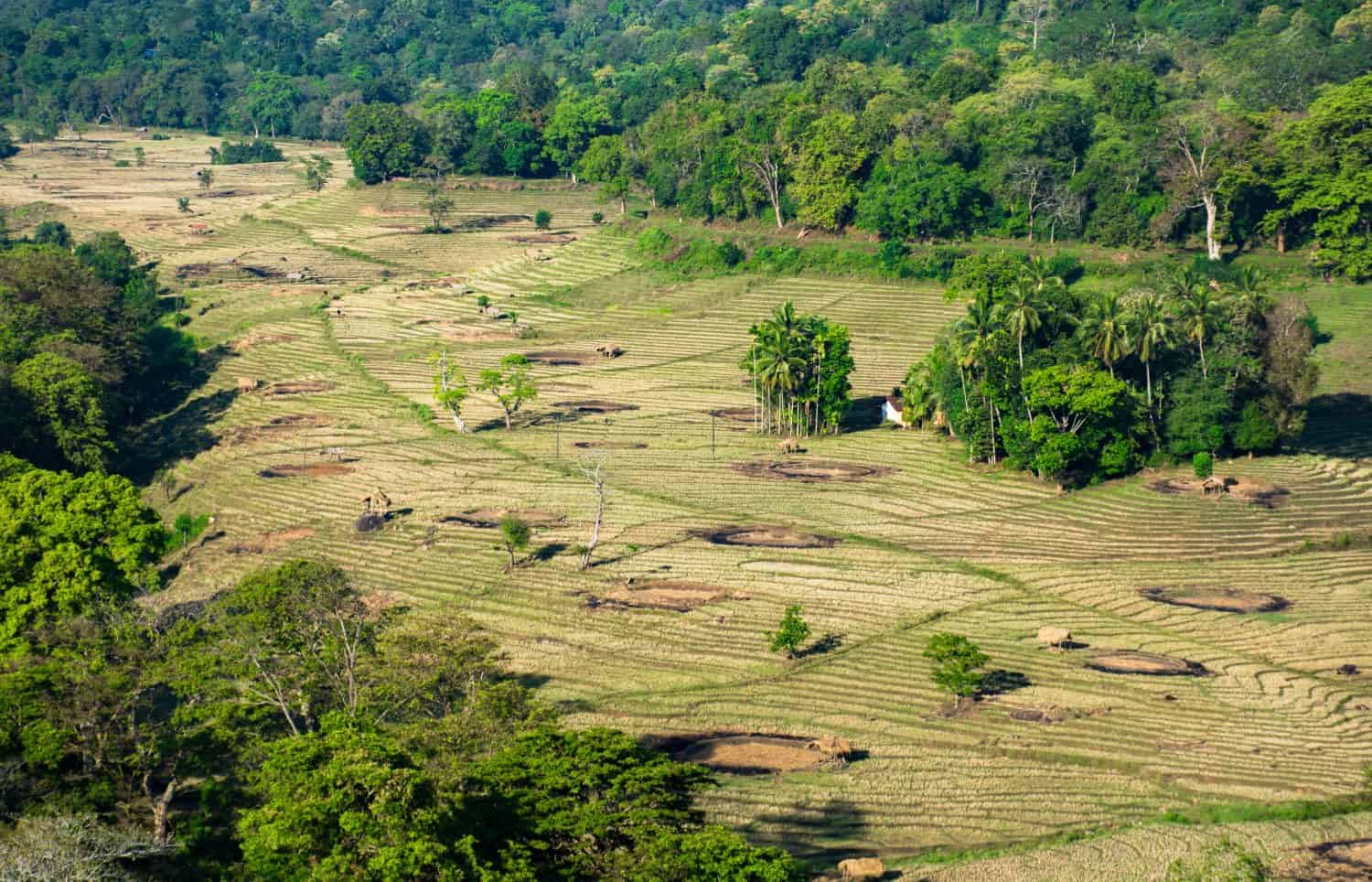
Protections are in place for certain areas in Sri Lanka, but others face increasing threats from commercial enterprise, industry, and agriculture.
©M.L.Nuwan/Shutterstock.com
This landmark ruling stems from alleged violations of an ordinance that applies to all Buddhist temples in Sri Lanka. According to Sri Lanka Brief, the sanctuary petition alleged that “the incumbent of the ancient Nakolagane Raja Maha Viharaya, Venerable Walathwewe Rahula Thero (the 10th respondent), had illegally cleared more than 1,500 acres of forest land claimed to belong to the Viharaya.”
It seems that Venerable Rahula Thero claimed the land, now approved to hold a wildlife sanctuary, was actually private property under a royal grant. This, he said, gave him the right to use it as he pleased. In turn, the 10th respondent allegedly cleared the land for commercial cultivation, granite quarries, and large-scale mineral excavation. As alleged by the petition, the 10th respondent cleared more than 1,500 acres of forest for these purposes.
The Supreme Court judgment, preceding the Sri Lankan cabinet’s approval, ruled that the relevant authorities did not fulfill their constitutional duties to protect the land. Furthermore, they found that the royal grant claimed by the 10th respondent had not been properly registered. Therefore, the land’s commercial and industrial use contradicted Buddhist principles.
The Judgements
The rulings went further, too, especially in regard to restitution. The ruling initiated several orders. For one, the Director General of Wildlife Conservation and the Central Environmental Authority must issue a public apology in the next two months via advertisements in national newspapers in Sri Lanka’s three official languages. The Department of Wildlife Conservation must also initiate restoration of the destroyed areas, with all costs covered by Venerable Walathwewe Rahula Thero (the 10th respondent).
From there, the court moved toward declaring the 55 hectares of disputed forest and land a wildlife sanctuary or elephant management zone. Additionally, the ruling directed the Commissioner of Buddhist Affairs to initiate litigation to recover sold lands that violate the Vihara Devalagam Act. Finally, it ordered the Inspector General of Police to investigate offences related to the incident at once and begin legal proceedings.
The judgments are significant, but what about the wild animals caught in the crossfire?
Proposed Sanctuary
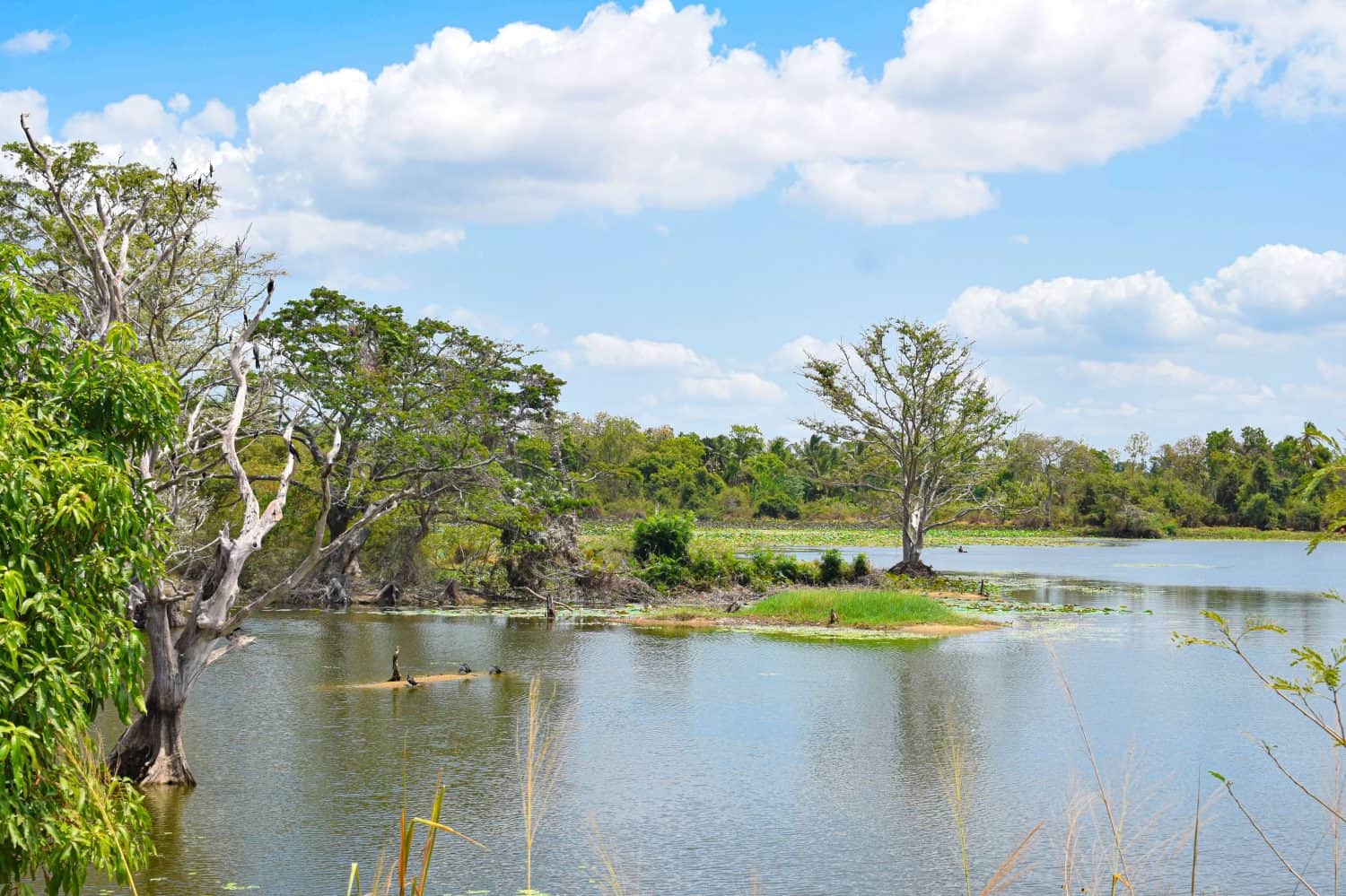
Sri Lanka’s Kurunegala District accounts for approximately 40% of the North-Western Province’s human-elephant fatalities.
©Dasun's Viewfinder/Shutterstock.com
Put simply, the animals will have space to live safely. After the Survey Department and the Department of Wildlife Conservation mapped the area, the Cabinet approved a proposal to declare a considerable 682 hectares of land as Nakolagane Wildlife Sanctuary. This falls under the Fauna and Flora Protection Ordinance.
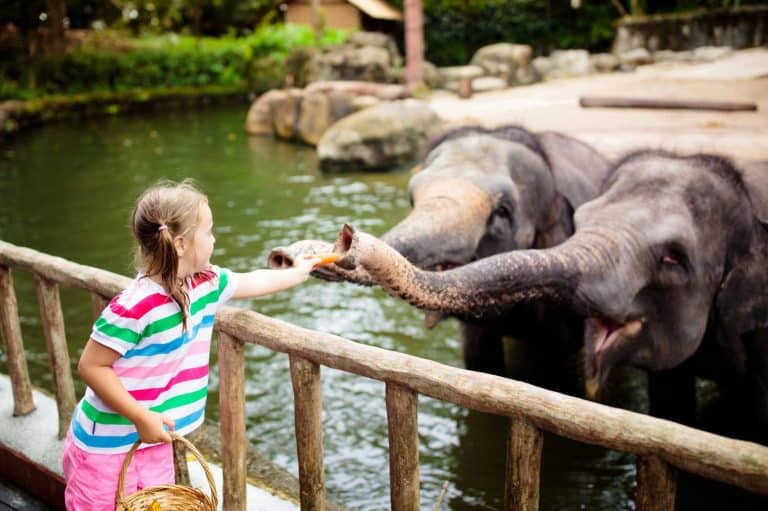
The area in which this proposed sanctuary sits is well known for having one of the most clustered populations of Asian elephants in Sri Lanka. When the land was developed, various infrastructure, such as high-voltage electric fences, prevented elephant movement between feeding grounds. In turn, elephants had no choice but to encroach on human settlements. This matters, as Kurunegala District accounts for approximately 40% of the North-Western Province’s human-elephant deaths. Providing over 1,500 acres of contiguous land will allow the local elephants to move freely, away from the human activity that produces needless violence, retaliation, and even death.
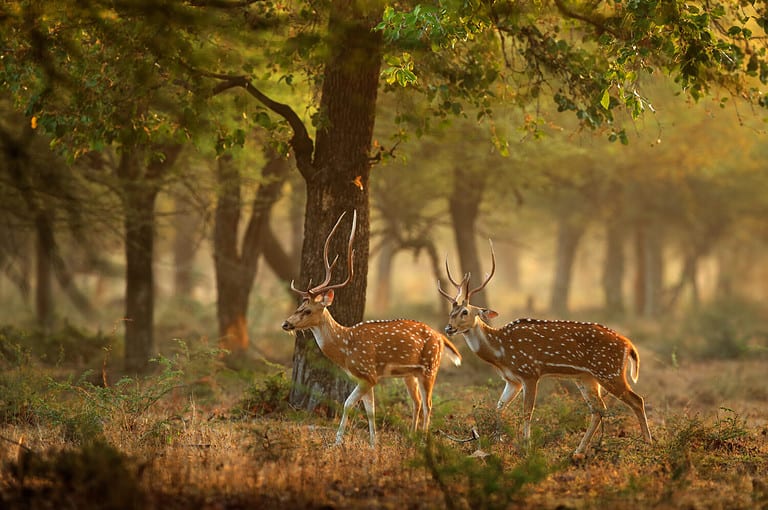
Beyond elephants, the proposed sanctuary will benefit the other animals that call the area home. These include leopards, primates, deer, pangolins, and a host of bird species. Commercialization and industry have profound effects on the land. With these rulings, the environment itself will benefit, preserving water and biodiversity, and ensuring that wildlife can thrive without undue influence from harmful human activity.
It may seem like a small victory in the grand scheme of things, but it is exactly the kind of vital rejuvenation that wildlife like Asian elephants need to survive.