
Quick Take
- Nana wasn't just homesick. Experts found a specific behavioral reason why rehabilitation itself may have made him impossible to rewild. See why rehab made rewilding hard →
- Officials tried relocating him once. Why won't they try again. And what does their unusual decision reveal about modern wildlife management? See the relocation decision →
- Dachangshan Island has no wild spotted seal population, which raises the question of why Nana keeps choosing a place where he can never truly belong. Explore why Nana keeps returning →
- A seal that's too friendly with tourists poses a conservation threat, though not the kind most people would assume. Discover the conservation risks →
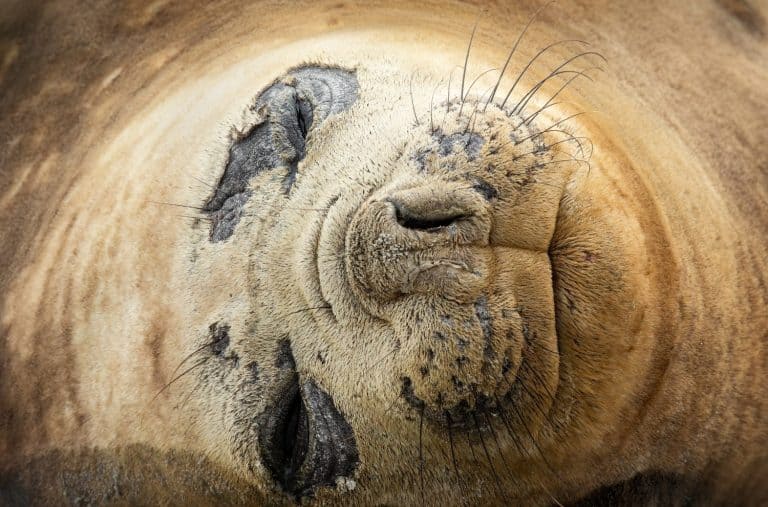
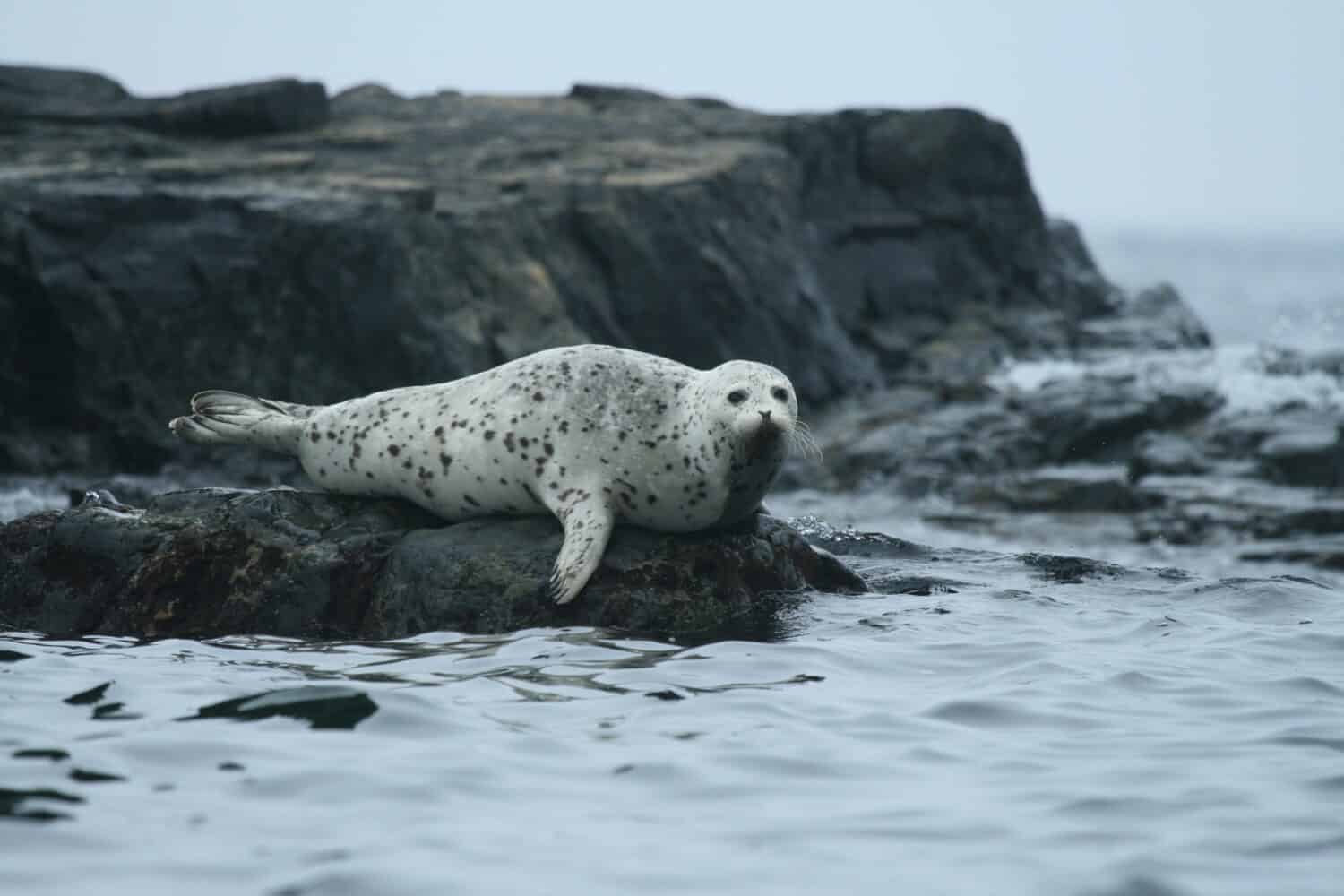
Nana is a spotted seal from China’s Liaoning Province. He was frequently spotted at Golden Beach on Dachangshan Island. For various reasons, wildlife officials relocated the marine animal 200 kilometers away. However, on the evening of September 13th, 2026, he returned to his familiar home. But why?
The spotted seal made the 200-kilometer journey in less than a week. Wildlife managers must now decide what to do with a protected wild animal that decided he doesn’t want to leave.
The Story of Nana, the Spotted Seal
Nana was born in Liaodong Bay around early 2024. Spotted seals from this region typically follow their mothers on a seasonal migration, learning and taking specific routes along the Yellow Sea and Bohai Bay.
Nana is a spotted seal that kept returning to the same place, even after being rewilded.
©Iwona Fijol/Shutterstock.com
However, Nana got lost. On his very first migration, he ended up near Beihai in southern Guangxi Province, which is more than 1,500 kilometers south of his birthplace. He was found injured and lying on floating foam boards. After being rescued by Beihai’s oceanic organizations, he underwent over a year of rehabilitation.
In November of 2025, Nana was flown to Dalian for rewilding training. By April, he was released with four other spotted seals near Sanshan Island off Dalian’s coast. The other four seals integrated flawlessly into the wild population, but Nana didn’t. He drifted toward Dachangshan Island, not wasting any time before he began approaching tourists, climbing onto paddleboards, and jumping onto speedboats.
Because of this interference, officials in Changhai county transported Nana to waters off Haiyang Island, a remote area away from human activity, hoping that proximity to wild seals would encourage him to assimilate into the wild instead of staying so close to humans. However, he simply swam back to Dachangshan Island.
Why is Nana Returning to the Same Place?
Experts who have followed Nana’s case are baffled by his return. Tian Jiashen, head of the rare marine animal protection lab at the Liaoning Ocean and Fisheries Science Research Institute, spoke to Xinhua, stating, “Spotted seals have extremely strong navigation and positioning abilities and choose suitable habitats on their own.”
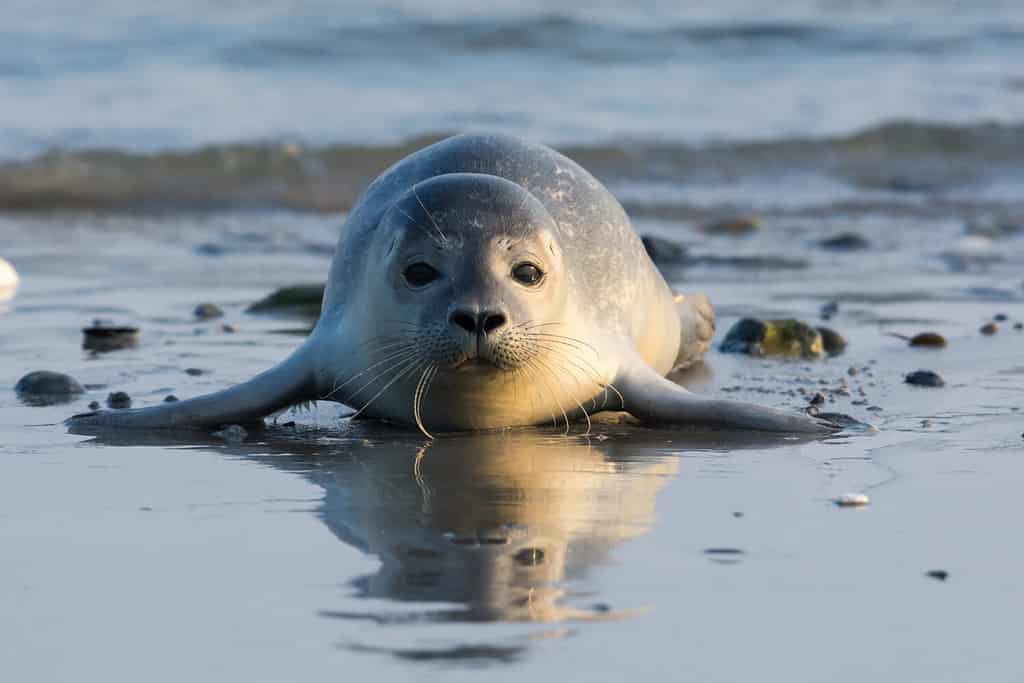
Since he never grew up with his kind, Nana appears to be more comfortable around humans than seals.
©"Young Spotted Seal" by jomilo75 is licensed under BY 2.0. – Original / License
Jiashen also identified the deeper behavioral reason: a prolonged period of human care likely made Nana dependent on people. Spotted seals are social animals, and Nana had never found a group of his own kind after his first release. Without that social anchor, he was more likely to seek security around humans, especially during such a vulnerable and long recovery.
There’s another reason behind Nana’s motivation, too: Dachangshan’s waters are clean and rich in fish and shrimp. Its sandy beaches suit a resting seal, especially one with positive memories associated with the location.
If he seems so happy there, what’s the problem in letting him stay? Apparently, there are a few issues, which is why experts are frustrated with the seemingly innocent Nana.
Conservation Problems Nana Poses
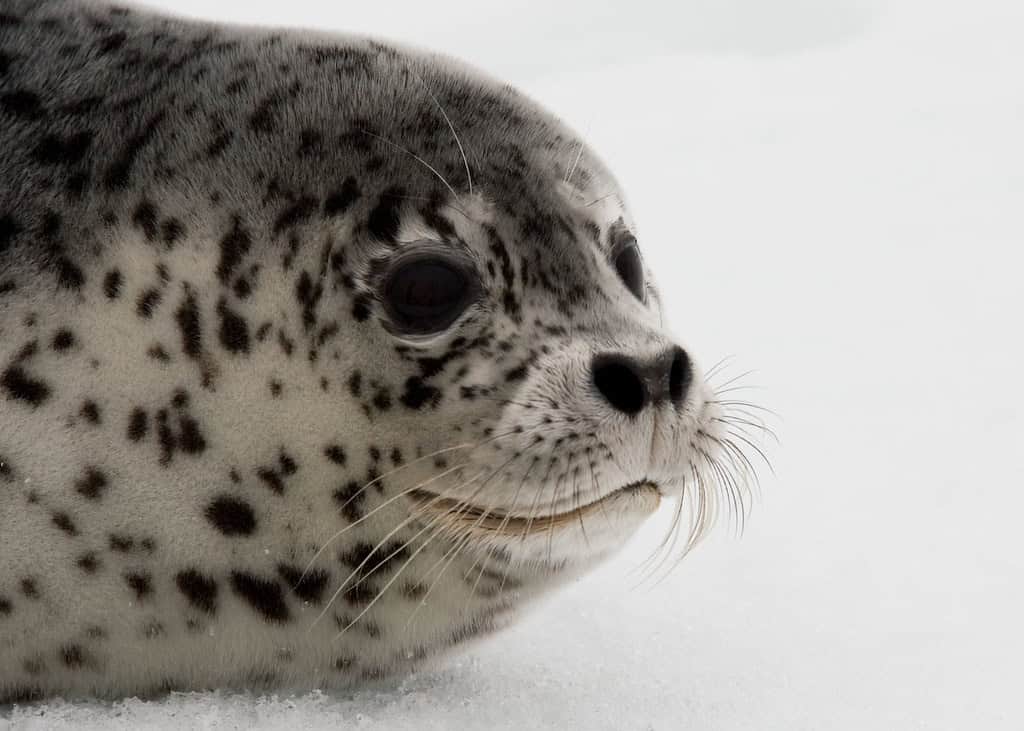
Spotted seals are a Class I protected species in China because they are the only pinnipeds that breed in Chinese waters. Around 2,000 seals live in Liaodong Bay, the southernmost of the species’ eight breeding grounds worldwide, where pups are born on sea ice each January and February before migrating.
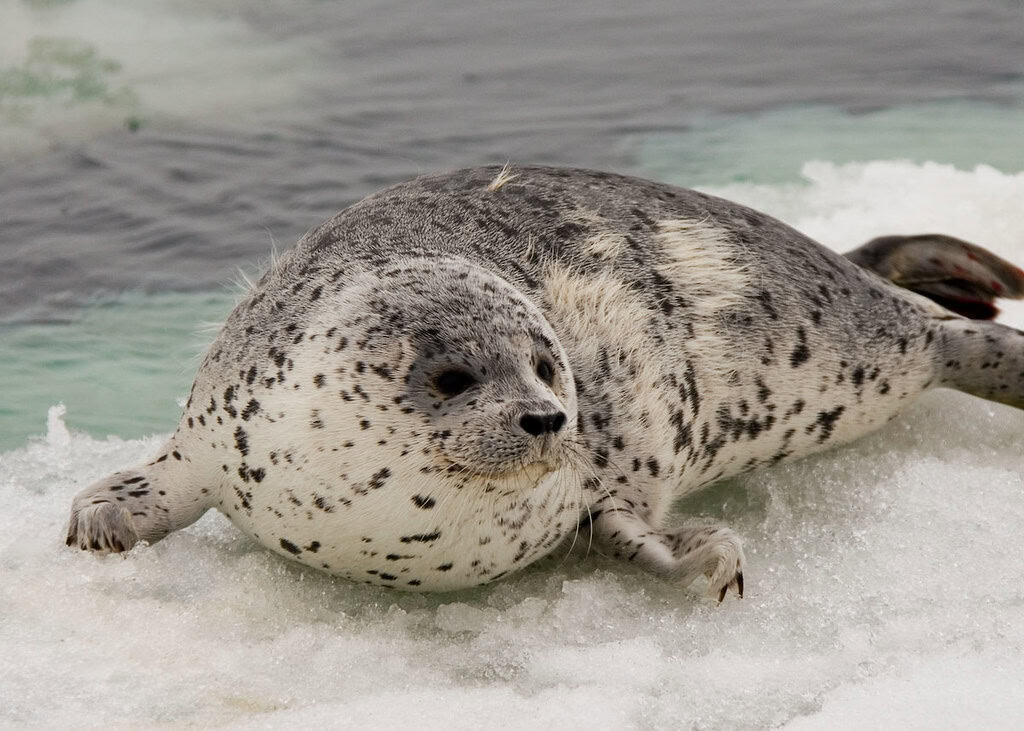
Spotted seals are protected in China, making Nana’s return all the more complicated.
©"young spotted seal III" by jomilo75 is licensed under BY 2.0. – Original / License
The spotted seal population has been affected by the usual cast of characters: habitat loss, pollution, and entanglement with fishing gear. Nana’s situation is a conservation dilemma, especially given the protected status of these animals. An animal that has spent enough time with humans to imprint on them, or at least to prefer their company, cannot be easily rewilded, and Nana has proven this already.
The Changhai county authorities issued a public appeal on the day Nana returned, warning residents and visitors that crowding, feeding, chasing, or disturbing him could trigger stress responses and erode his ability to hunt, leaving him even more dependent on humans for survival.
What Officials Decided to Do with Nana
After Nana’s return, Changhai county chief Zhang Shengzu announced that officials would not relocate him again. “We will respect nature and respect Nana’s choice, and will not intervene blindly,” Shengzu said. The county has adopted a management approach that allows Nana to remain near Dachangshan while also minimizing the risks his proximity to tourists creates.
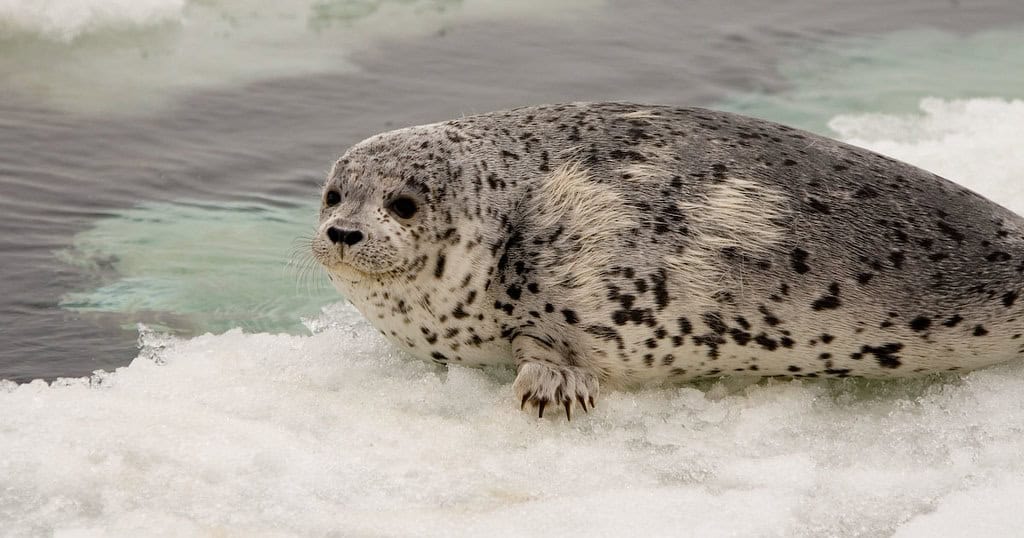
Nana will be protected by local authorities on the island he chose.
©"young spotted seal II" by jomilo75 is licensed under BY 2.0. – Original / License
Zhang Yong, director of the county’s Marine Development Bureau, said the county plans to build a rest structure called “Nana’s Home” in the area he frequents, and will run regular patrols to limit human disturbance. Plus, social media account called “Changhai Nana” has been established, posting daily videos and sharing conservation information about Nana to continue educating those in the region and beyond.
Will Nana Stay in Changhai?
Rescue, recovery, and release are the typical steps wildlife managers take to rehab and relocate a wild animal. However, a successful release depends on the animal cooperating and reverting to its instincts. Nana is not likely to ever integrate with a wild spotted seal population. He chose this location and will likely never integrate with his own kind.
The county’s decision to stop forcing the issue and instead manage Nana’s presence is abnormal, but wise. He cannot reliably be rewilded or kept in captivity. However, he can live near a tourist island on his own terms, with patrols restricting visitors from interacting with him.
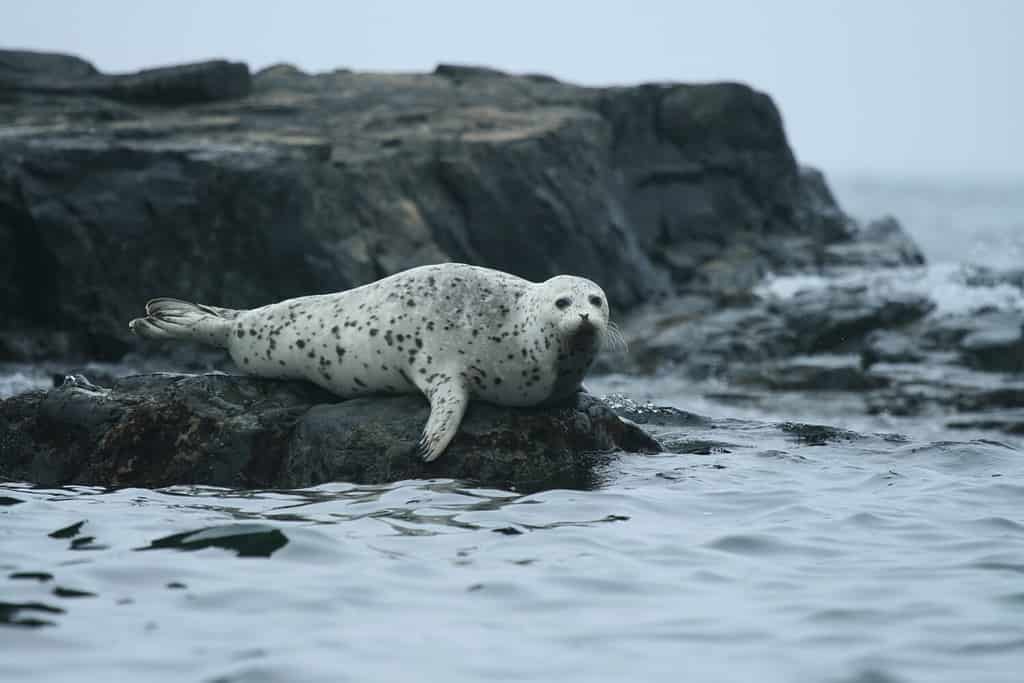
Nana seems happy where he is, so he’s allowed to stay.
©Valerijs Novickis/Shutterstock.com
While unconventional, the approach to Nana’s conservation is highly innovative. Individual animals are simply that: individuals. They’re going to make their own choices, and if a compromise can be found, it might be the most effective path to a happy and healthy animal.