
They’re eerily reminiscent of marching soldiers on a mission, walking side by side and in unison, focused only on what’s ahead of them. These critters are feared by farmers as they hold the potential for destruction. Though small, in numbers they’re mighty. If you’re in Ohio, get ready! Armyworms, with their insatiable appetites, may be arriving to destroy your property. Learn what these critters are, what threats armyworms pose in Ohio, and how to get rid of them!
What Are Armyworms?
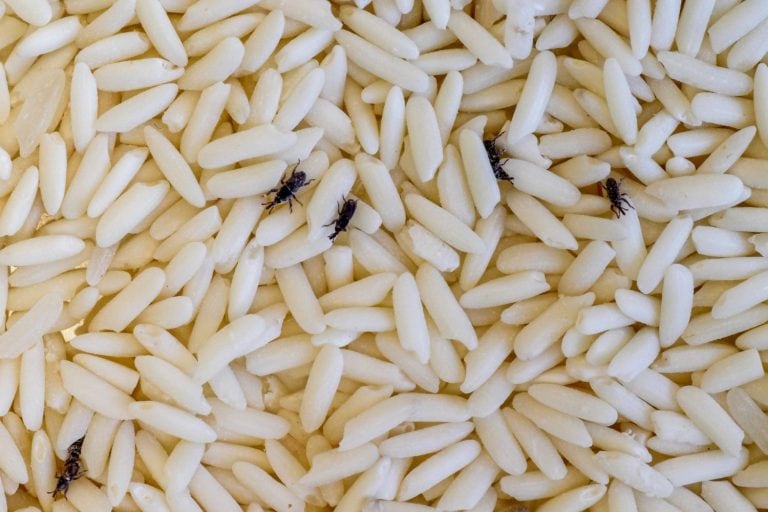
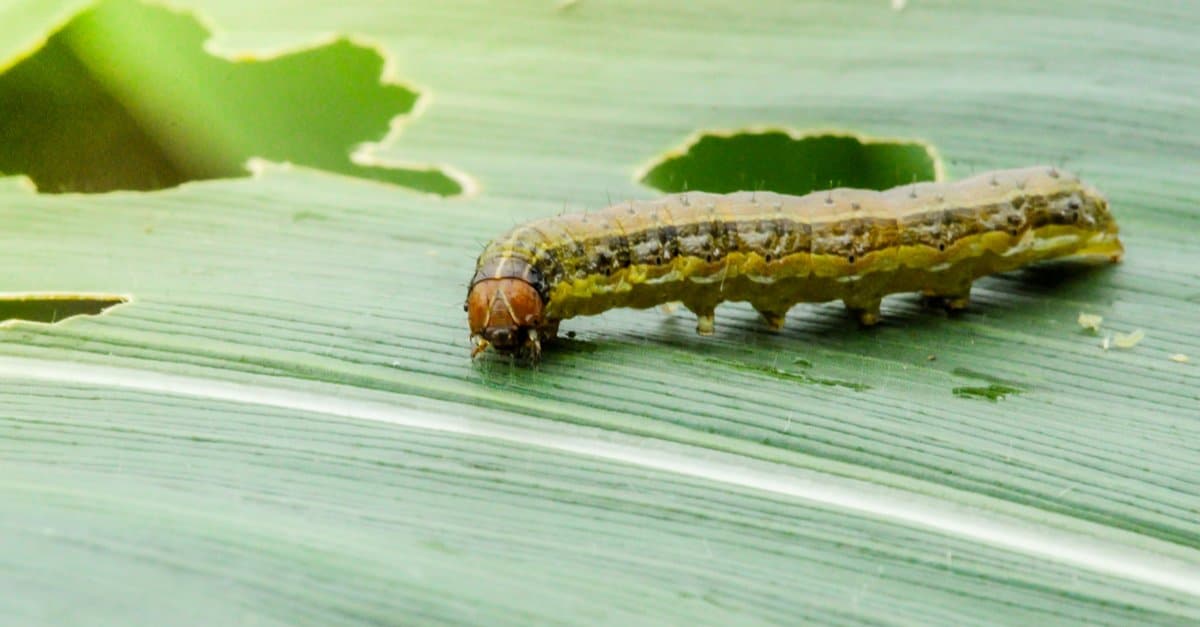
Armyworms are insects that eventually go through a massive transformation and become moths. However, during this larval stage, they can be quite destructive, especially when it comes to crops. They’re called armyworms because of how they travel. They stick together and march through open fields, decimating vegetation.
Armyworms eat quickly, which means they destroy entire fields in both an impressive and devastating way. They feed on a variety of host plants; it ultimately depends on where they’re located and what type they are. However, some of the common host plants that they enjoy include wheat, corn, a range of grasses, and other crops like soybeans.
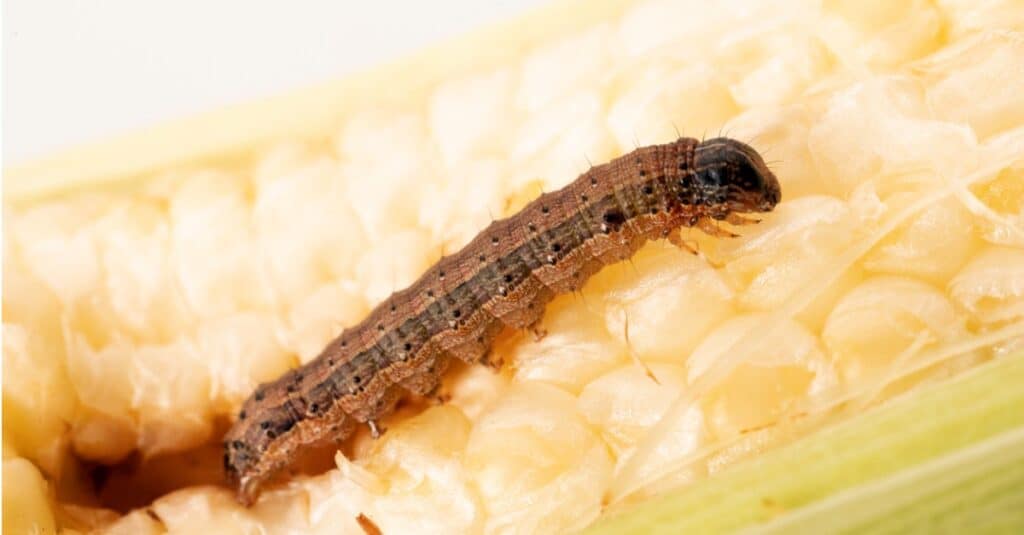
Armyworms feed on a variety of grasses but they also snack on crops like corn, wheat, and soybeans.
©natthawut ngoensanthia/Shutterstock.com
Armyworms typically hatch right on their source of sustenance. The adult moths leave their eggs there and once they hatch, the larvae immediately start feeding. Their appetites are voracious, and they keep feeding until they reach maturity. At that point, they either burrow in soil or create a cocoon before they eventually turn into flying insects.
What Threats Do Armyworms Pose in Ohio?
In Ohio, grasslands and agricultural crops are at high risk of armyworm infestations. Since these worms travel long distances, they can cause massive damage to farmers. The way they move is unpredictable as well, which makes it that much more difficult to prepare for and manage these pests.
Along with damage to crops, farmers also deal with the economic loss of the damage. Since armyworms feed without restraint, they can destroy an insane number of crops very quickly. Their feeding affects food production and subsequently, they affect farmers’ livelihoods. Not only do farmers lose crops but they also have to spend more on managing any type of armyworm infestation.

Armyworms can detrimentally affect the production and livelihood of both local and commercial farmers.
©Ground Picture/Shutterstock.com
While farmers feel the immense impact on their crops, armyworms don’t just focus on crops. They can also destroy grasslands and pastures. This is what livestock depend on when grazing and without the ability to forage, livestock is endangered. This also has an economic impact as farmers have to supplement food for their livestock.
Although farmers may manage to control an infestation, there exists a potential for multiple infestations at different periods. This requires farmers to remain vigilant, keeping an eye on the presence of these pests to ensure damages are quickly controlled (and therefore minimized).
How to Get Rid of Armyworms
Getting rid of army worms requires a two-prong approach. First, it’s all about prevention. Through the use of natural predators, you can keep the presence of armyworms down, letting the ecosystem do its thing. Some natural enemies of armyworms are birds, ladybugs, and lacewings. You may even consider controlling armyworm populations with the use of biological agents like specific insect pathogens. This way, you’re managing the pest population but not ruining other organisms your crops require.
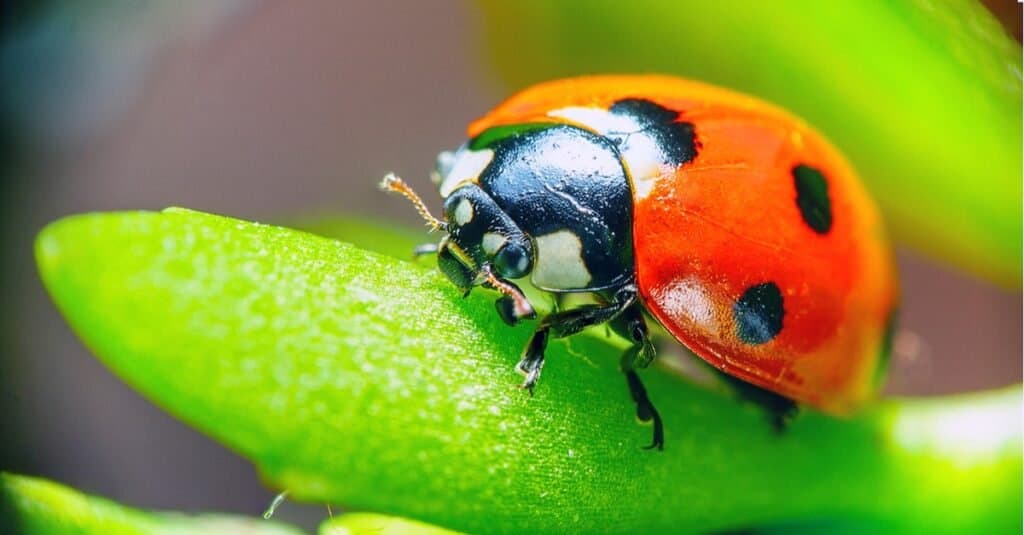
Ladybugs are beneficial insects that eat both armyworm eggs and young larvae. The introduction of natural predators can help control the population of armyworms.
©Mironmax Studio/Shutterstock.com
Constant monitoring allows for early detection so you should regularly inspect your land and crops. Crop rotation is another effective practice for farmers as it helps to disrupt the natural lifecycle of these pests. Along with moving things around, planting resistant crops can also be effective. You might do well with trap crops also. These crops give your armyworms a destination away from the crops you wish to protect.
When an infestation is present, pesticides may be the most effective solution. These chemicals are strong so it’s vital that you only use them when needed, being mindful of how much you apply. Pesticides have their own set of side effects, which you should also consider when following through with application. Most farmers use pesticides as a last resort considering their strength and ability to harm non-target organisms. Ultimately, timing is crucial when preventing infestations and controlling populations. The early development stage is the best time to get rid of armyworms.