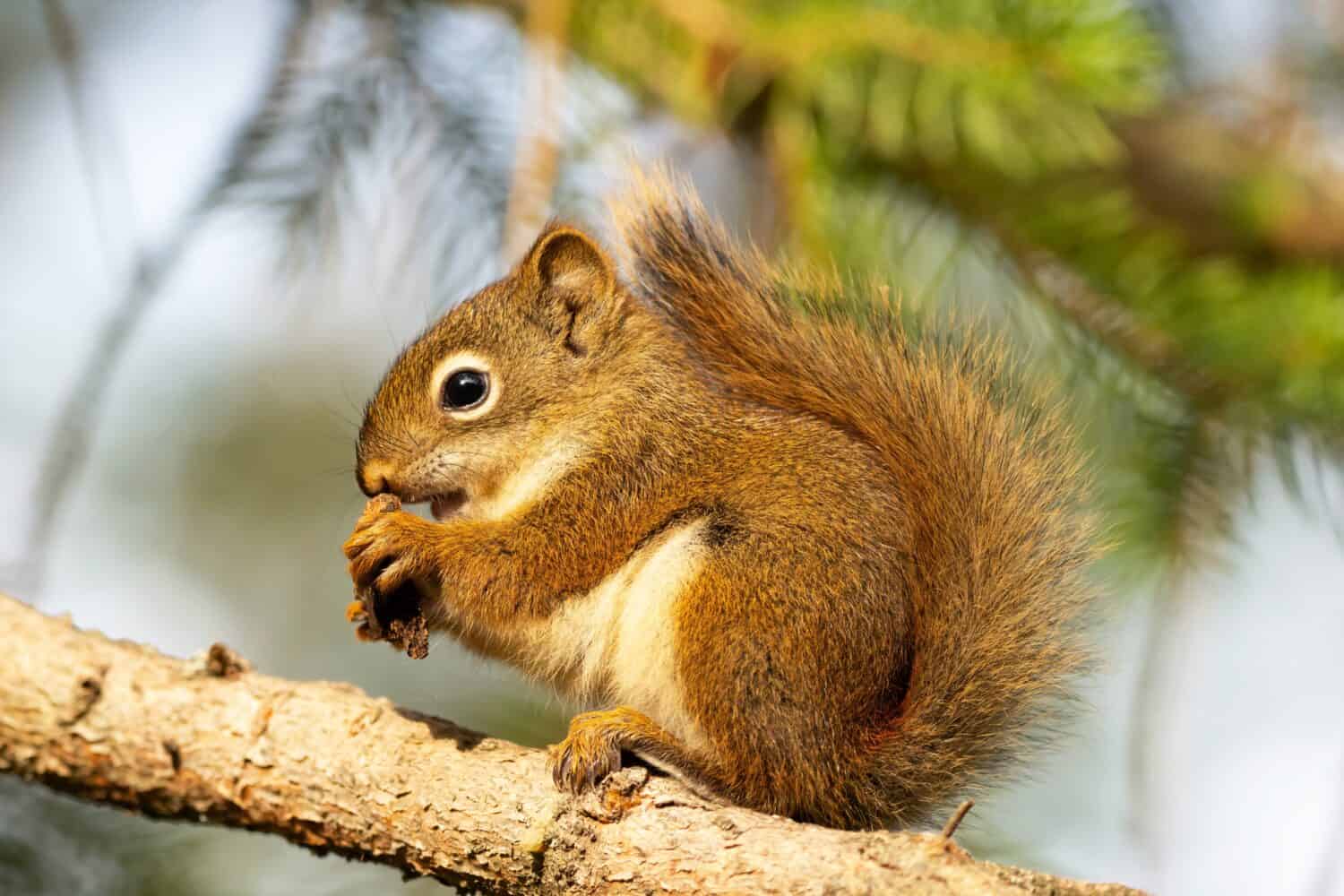

Likely one of the most common animals in North America, squirrels are a rather polarizing topic among people. Some adore them, noting how cute they are with their bright eyes and bushy tails! Others claim that squirrels are invasive and aggressive, causing issues for homeowners and city-slickers alike.
One big issue that squirrels bring up is the topic of feeding. Is it okay to feed squirrels in your yard or the park? What are the dangers of feeding wild squirrels? Let’s talk about it!
1. Human Food is Bad for Squirrels
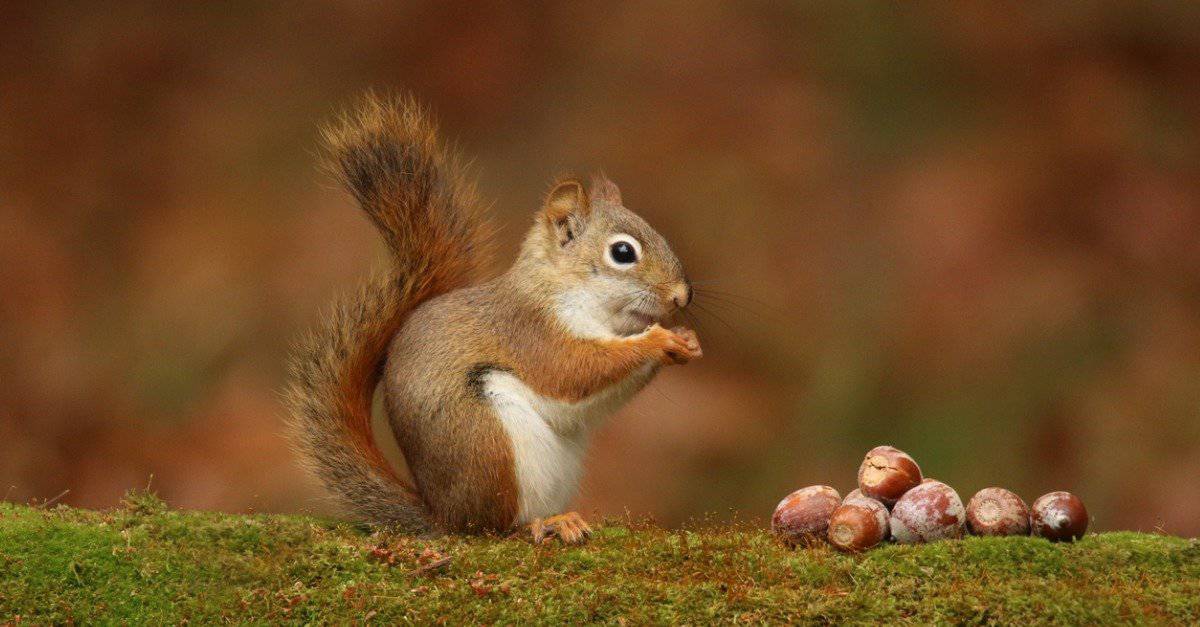
Eating the wrong foods can cause issues within a squirrel’s digestive system.
©iStock.com/suefeldberg
Even though they may act like pets, especially in urban settings, squirrels are truly wild animals. They are naturalized to a diet of seeds, nuts, berries, and insects. Foods such as this supply them with a suitable amount of calories, nutrients, vitamins, and other necessary components for survival. With that said, many people like to feed squirrels things like peanuts, chips, and even leftover fast food. Most of these foods are extremely high in fats and calories. This can cause squirrels to gain excessive weight and have health problems. Additionally, digesting foods such as this can also take a toll on squirrels. Thus, if you do find yourself feeding squirrels (which you should not), be extra sure that they aren’t eating any fast food or processed meals!
2. Squirrels Can Bring in Diseases
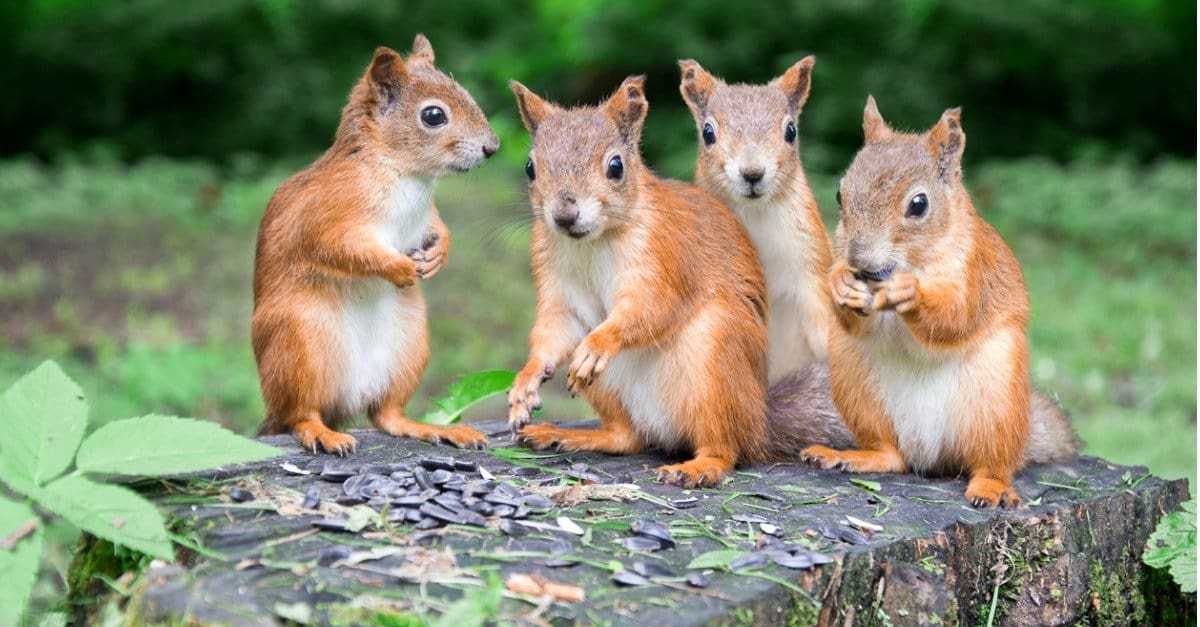
Increasing the density of animal populations increases the transmission of disease.
©iStock.com/Tntk
Another big issue with feeding squirrels is that it uses causes you to come into close contact with them. While you may get to hold or pet a squirrel when you feed them, it can also put you, your pets, or animals in the area at risk of contracting a disease. Squirrels are huge disease vectors, known for carrying ailments such as typhus, tularemia, mites, ticks, fleas, ringworm, and even plague! All of these diseases can be contracted by humans, and have the potential to be dangerous. In addition to getting sick, squirrels may also carry diseases that can be transmissible to other animals. Thus drawing squirrels to your yard for feeding can put other animals in the area, or even your beloved pets at risk!
3. Feeding Squirrels Can Suppress Native Species
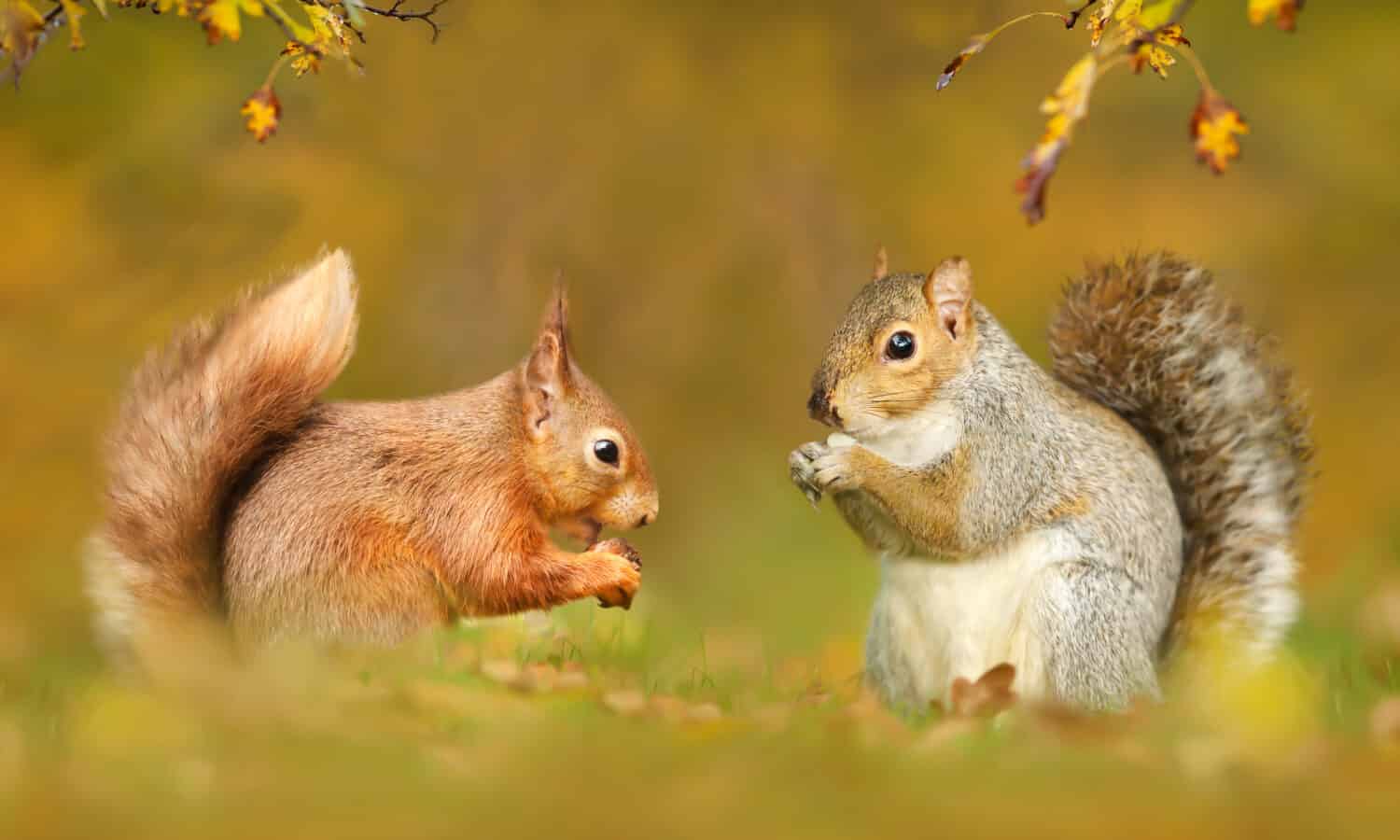
Native species usually depend on specific resources, which makes them vulnerable to competition.
©Troy Thomas/Getty Images/iStock via Getty Images
In many North American regions, a lot of the squirrels that you may see are non-native, invasive species! Squirrels such as this are more tolerant than specialized native squirrels. Depending on what food is available, they are usually able to outcompete native species, causing them to decline. Competition in this manner can stress out native species and disrupt the natural health and balance of our ecosystems.
With this in mind, feeding squirrels can often support invasive species while suppressing native species. For this reason, it is usually best to let the squirrels fend for themselves in nature!
4. Feeding Can Cause Infestations
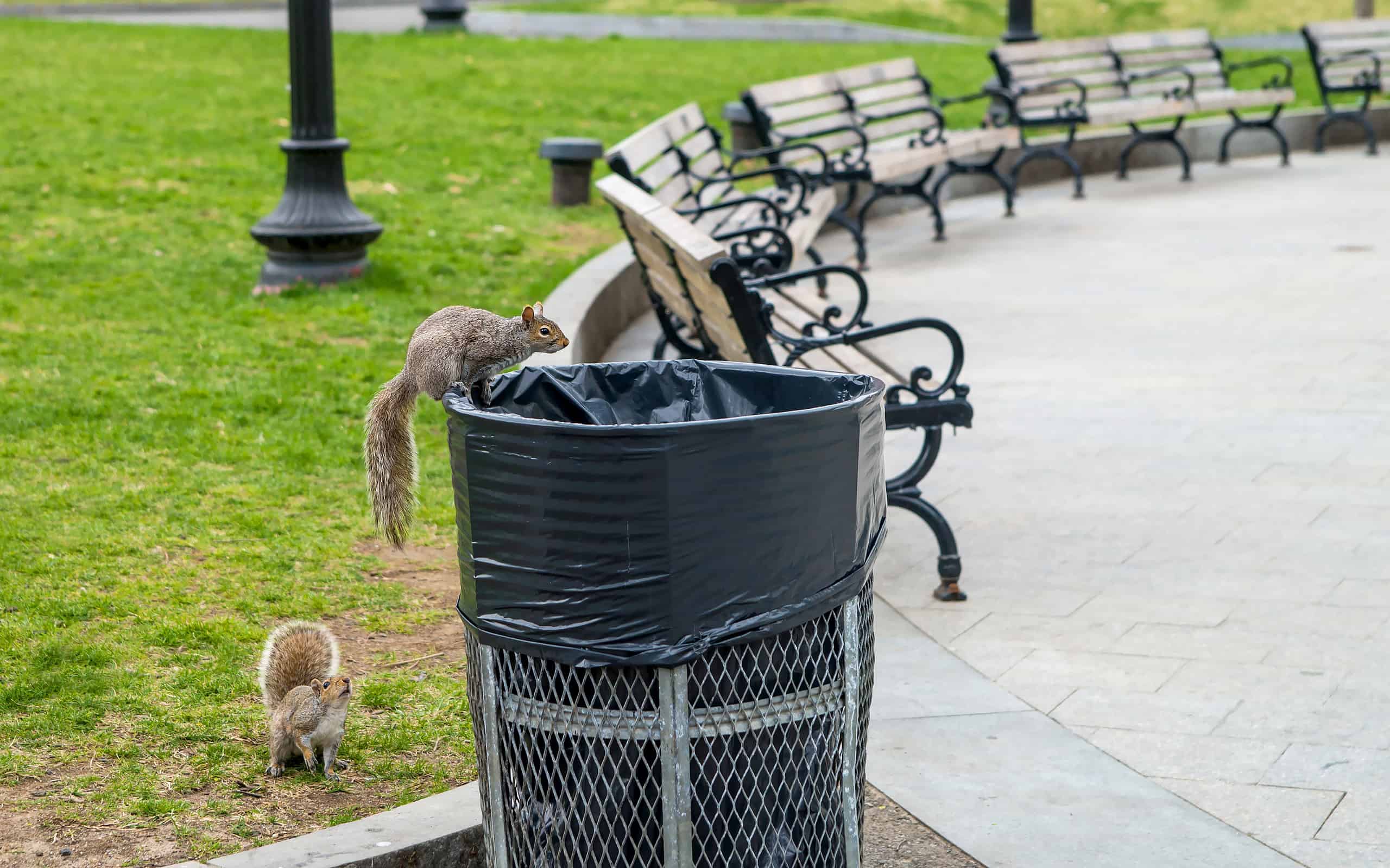
Wild animals tend to stay in areas where they can get food, even if it is your home.
©Giedriius/Shutterstock.com
Have you ever heard that you shouldn’t feed a stray cat because it will cause more to come by your house in the future? The same stands for squirrels! For instance, squirrels on many college campuses refuse to leave and have lost their fear of humans due to an influx of constant food availability.
If you feed squirrels near your home, you may be inviting them to stay in your yard for good. Likewise, if they find their way inside your home, such as in your garage or attic, they will likely make themselves a permanent guest.
5. Squirrels Can Get Aggressive
Squirrels tend to form territories around locations where they can find food.
©Roman Babakin/iStock via Getty Images
Even though they may look like cute and cuddly pets, squirrels are still wild animals! Wild animals will stop at nothing to get food, which can often lead to aggression towards other squirrels, other animals, and even humans.
When you feed squirrels, they may become accustomed to having a meal provided to them at a certain time every day. When this meal doesn’t arrive at the time they want, they may get aggressive and dangerous towards you. Getting bitten by a squirrel is no laughing matter, as they do have the potential to carry some serious diseases.
Squirrels can also get very territorial over areas that have food for them. This can lead to intense fights between squirrels. Thinking back to the idea of native species, this can further impact the natural balance of our ecosystems. Additionally, if a squirrel becomes territorial over your yard, they may become aggressive to humans or other animals that pass through the area.
6. It Can Increase the Chances of Squirrels Becoming Roadkill
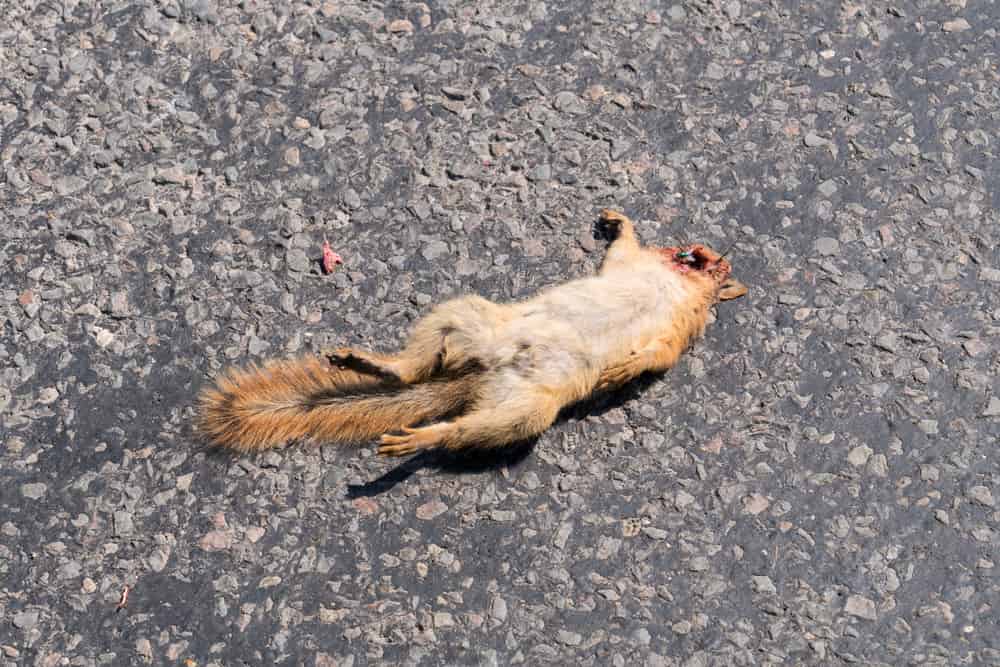
If you live in urban or suburban areas, your yard is likely near some type of road. Unfortunately, attracting squirrels to your yard can increase the chances of them becoming future roadkillers.
When squirrels become accustomed to being fed and protected, they tend to lose some vigilance and caution. In tandem with dangerous locations such as roadsides, this can increase the chances of them being hit by a car when they are trying to cross a road.