
Quick Take
- Rhode Island’s 384 miles of tidal shoreline provide important stopovers for migrating birds along the Atlantic Flyway.
- Rhode Island has over 400 bird species that occur in the state, with at least 173 breeding species.
- The state has five national wildlife refuges in the state and 14 state parks that offer opportunities for birding.
Rhode Island may be the smallest state in the U.S., but it has 384 miles of tidal shoreline that provide a safe haven for migrating birds along the Atlantic Flyway. Some of the top birding destinations in Rhode Island are along the Atlantic coast, where birders can observe a wide variety of waterfowl year round. There are over 400 bird species recorded in the state, with at least 173 breeding species. Keep reading to explore Rhode Island’s top bird watching spots.
Block Island National Wildlife Refuge
The Block Island National Wildlife Refuge is one of five national wildlife refuges in the state. It is located about 12 miles offshore, on the northern part of Block Island. The 134-acre refuge is primarily upland shrub habitat. It serves as an important nesting, breeding, and rookery site for threatened and endangered birds such as piping plovers, American oystercatchers, and black-crowned night herons. Visitors can see thousands of waterfowl, seabirds, and shorebirds congregating on the shorelines, including a large colony of gulls. Young songbirds that accidentally fly past the mainland frequently stop on Block Island to feed and rest. Fall migration is the best time to visit, with many New England birders making the trek from September through mid-October. Passenger ferries run from Point Judith, Rhode Island to Block Island all year.
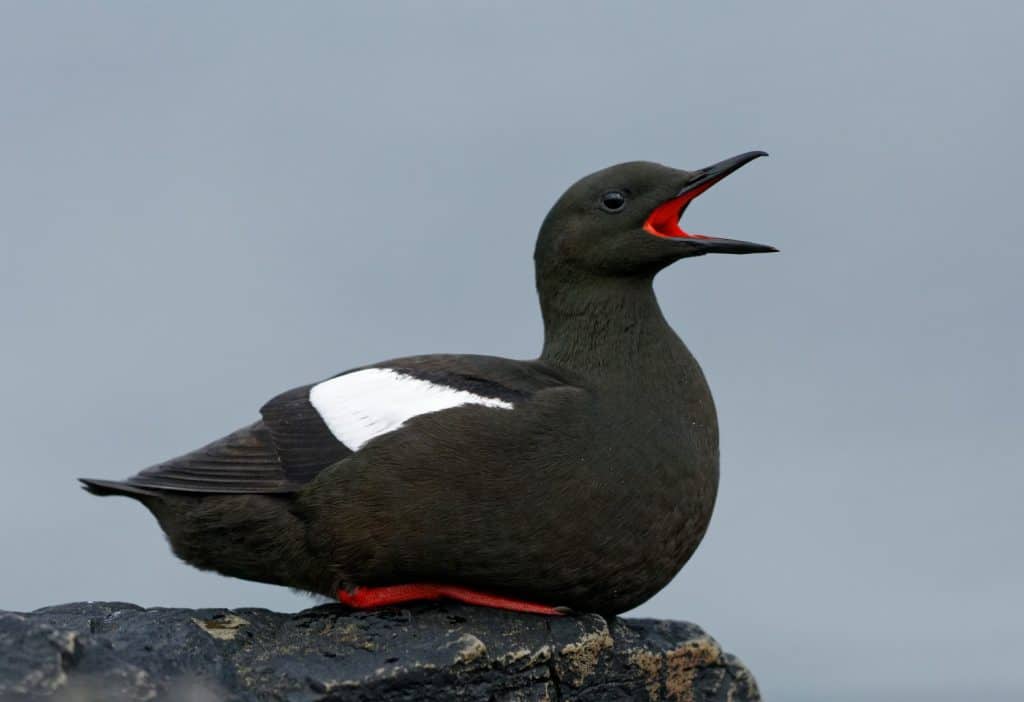
Black guillemots are often found on the rocky shorelines of Block Island in late autumn and winter.
©Alamin-Khan/Shutterstock.com
Common birds found at Block Island National Wildlife Refuge include:
- Spotted sandpiper
- Herring gull
- Great black-backed gull
- Sanderling
- Western sandpiper
- Canada warbler
- Grey-cheeked thrush
- Black guillemot
- Tundra swan
- Little blue heron
Trustom Pond National Wildlife Refuge
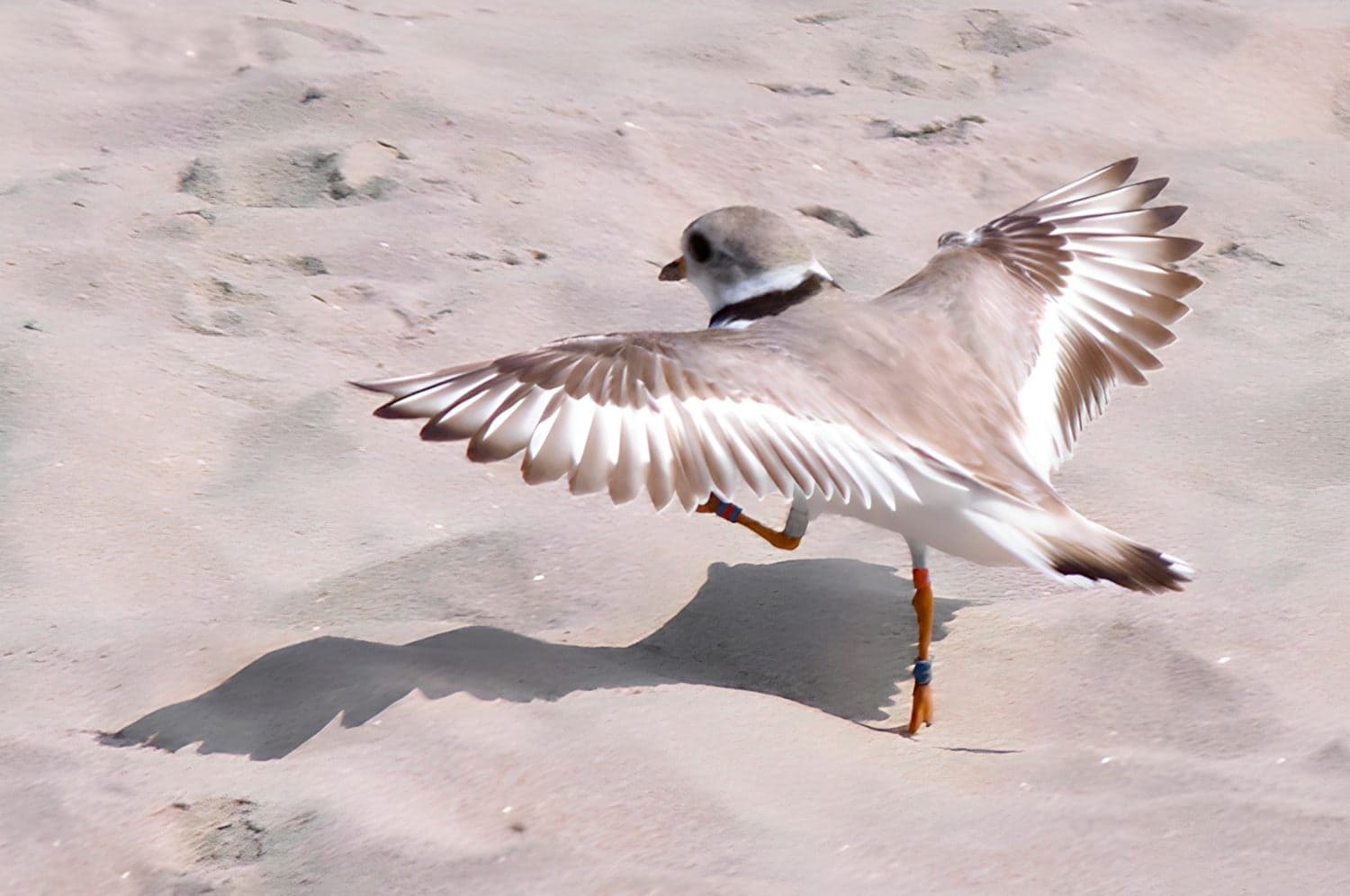
The Trustom Pond National Wildlife Refuge is a 787-acre wildlife refuge in South Kingstown, located on the state’s south coast. Trustom Pond is the only undeveloped saltwater lagoon in Rhode Island, making it attractive to a wide variety of waterfowl and waterbirds. The area also features woodlands, fields, shrublands, swamps, and sandy beaches. Around 300 bird species have been recorded in the diverse habitats of the refuge. Visitors can hike on four trails and stop at four viewing platforms that overlook the pond and other areas of interest. Part of the area may be closed during nesting season to avoid disturbing piping plovers and least terns.
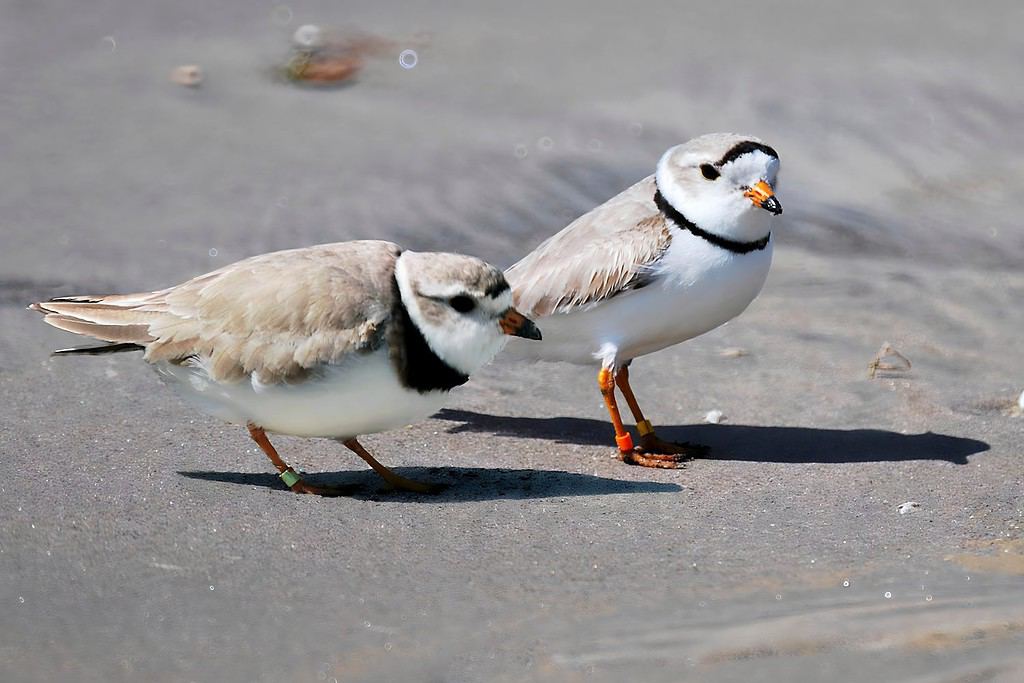
Piping plovers typically nest at Trustom Pond National Wildlife Refuge from mid-April through August.
©Susana Miranda/Shutterstock.com
Common birds seen at Trustom Pond National Wildlife Refuge include:
- American bittern
- Common redpoll
- Northern saw-whet owl
- Wood duck
- Razorbill
- Eurasian teal
- American black duck
- Ruby-throated hummingbird
- Lesser and greater scaup
- Cedar waxwing
Norman Bird Sanctuary
The Norman Bird Sanctuary is a 325-acre wildlife refuge in Middletown on Aquidneck Island, offering views of Sachuest Bay and the Atlantic Ocean. There are seven miles of hiking trails that wind through the sanctuary, which features woodlands, ponds, marshes, streams, fields, and rocky bluffs. The sanctuary also cares for part of Third Beach to restore and protect the dunes. Over 230 native and migratory bird species have been recorded at Norman Bird Sanctuary. The sanctuary also offers free guided bird walks on Sundays.
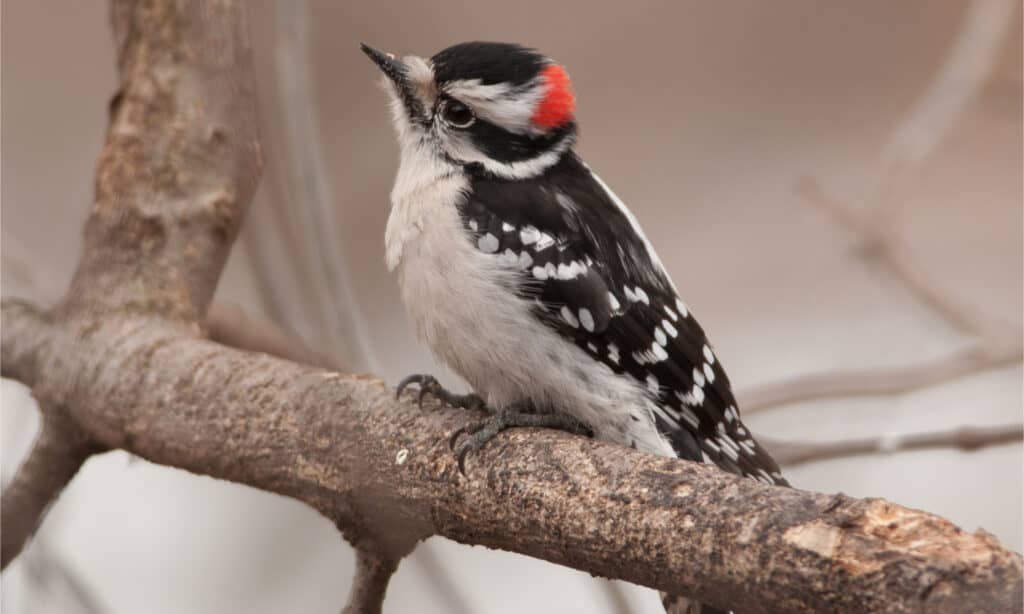
Downy woodpeckers are year-round residents at the Norman Bird Sanctuary.
©Gerald A. DeBoer/Shutterstock.com
Common birds seen at the Norman Bird Sanctuary include:
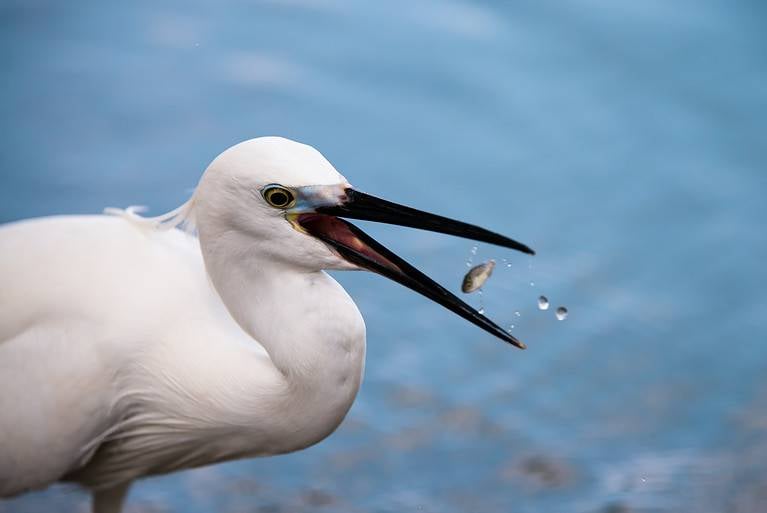
- Great egret
- Green heron
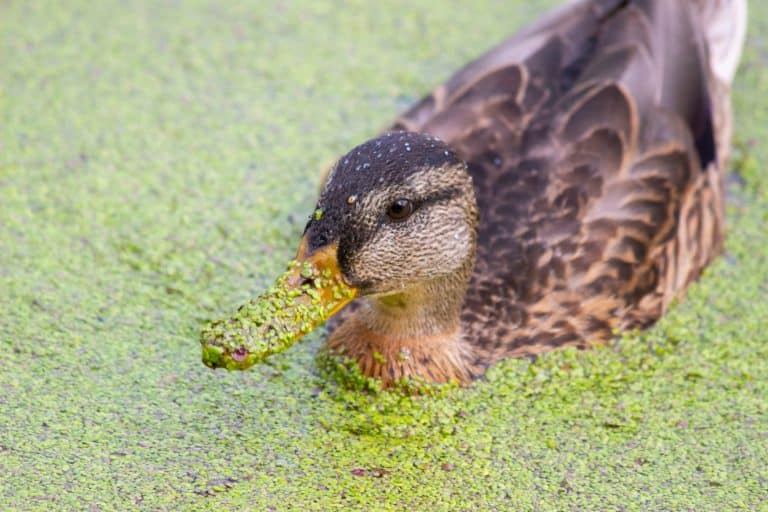
- Mallard ducks
- Black-capped chickadee
- Grey catbird
- Downy woodpecker
- Sharp-shinned hawk
- Red-winged blackbird
- Bobolink
- American goldfinch
Ninigret National Wildlife Refuge
Located in Charlestown, Rhode Island, the 858-acre Ninigret National Wildlife Refuge features the largest coastal salt pond in Rhode Island, Ninigret Pond. The refuge is known for its migratory bird species. The wetlands and salt pond shoreline have a variety of waterfowl during the winter and shorebirds during the spring and fall. The grasslands, woodlands, and shrubby fields shelter nesting birds such as cedar waxwings, blue-winged warblers, and more. Over 250 bird species have been recorded at the refuge. Ninigret National Wildlife Refuge offers over four miles of hiking trails and an observation platform at Grassy Point.
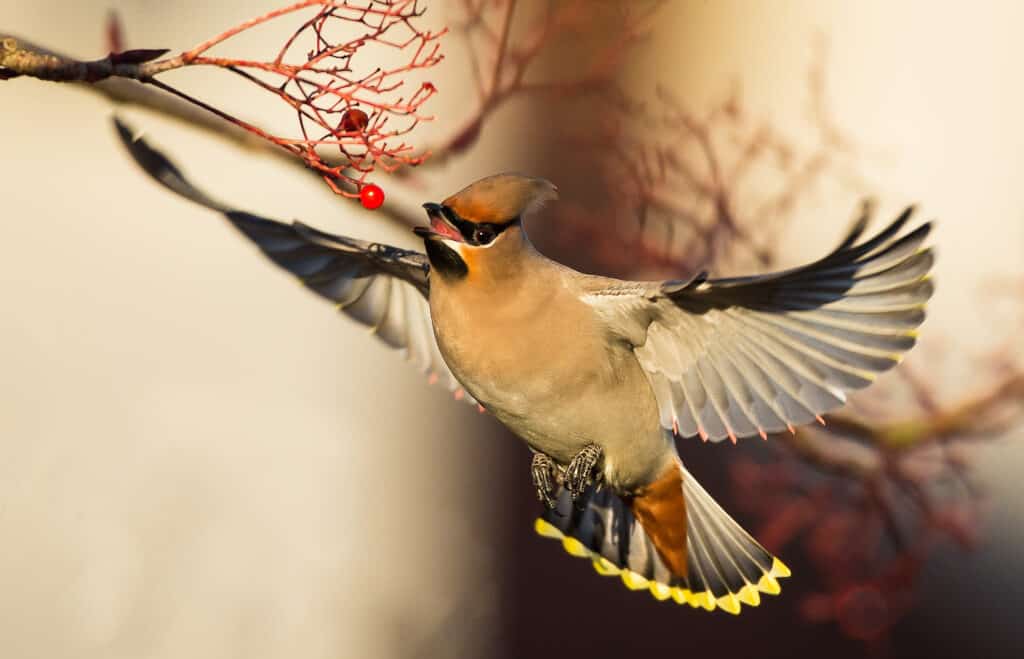
Fall and winter are some of the best times to see cedar waxwings in Rhode Island.
©Paul Tymon/Shutterstock.com
Common birds found at the Ninigret National Wildlife Refuge include:
- Green heron
- Osprey
- Wood duck
- Piping plover
- Least tern and common tern
- Willet
- American redstart
- Prairie warbler
- Seaside sparrow
- Eastern whip-poor-will
Sachuest Point National Wildlife Refuge
Sachuest Point National Wildlife Refuge is a 242-acre undeveloped coastal property managed as a wintering area and stopover for migratory birds to forage, rest, and breed. The rare harlequin duck is common along the rocky shores of the refuge during winter. The ducks feed on periwinkles, which are small marine snails found on rocky shorelines. From fall through spring, visitors may see scoters, gulls, grebes, loons, and other waterbirds in the ocean. During winter on the shore, look for owls such as snowy owls and short-eared owls. Visitors can walk along nearly three miles of trails with multiple shoreline access points and observation platforms.
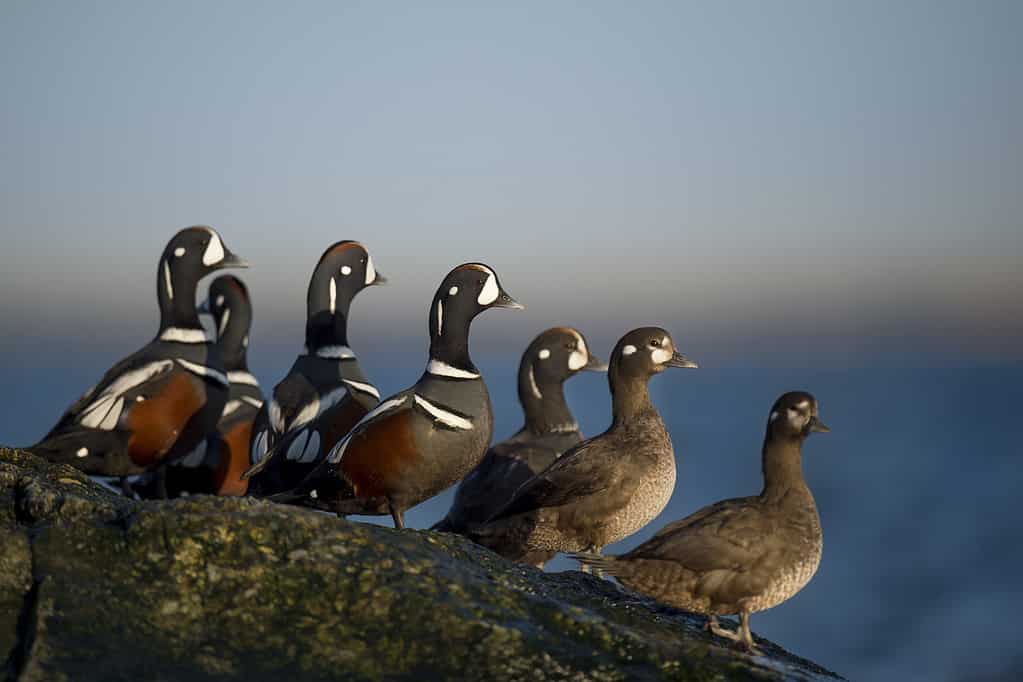
Harlequin ducks congregate off the shores of Sachuest Point National Wildlife Refuge during the winter.
©ps50ace/iStock via Getty Images
Common birds seen in Sachuest Point National Wildlife Refuge include:
- Piping plover
- Saltmarsh sparrow
- Spotted sandpiper
- Purple sandpiper
- Northern gannet
- Razorbill
- Common eider
- Grasshopper sparrow
- Seaside sparrow
- Northern pintail
In addition to the top birding spots listed above, there are many other great birding destinations to explore in Rhode Island. Other popular locations for bird watching include Great Swamp Management Area, Napatree Point Conservation Area, Fisherville Brook Wildlife Refuge, and Camp Cronin Fishing Area. There are also great opportunities for birding in Rhode Island’s numerous state parks.