
A hound with a distinctive stripe of hair growing in a ridge along its back, the Rhodesian ridgeback is a calm, large dog that is good for family life. They have a strong hunting instinct thanks to their lineage as a hunter in their native Africa. They tend to be independent and very athletic. But most ridgebacks still have affectionate and even-tempered personalities. Here are some interesting facts about them, such as the Rhodesian ridgeback lifespan, what they were bred to do, their diet, health concerns, and more.
What Is the Lifespan of a Rhodesian Ridgeback?

Ridgebacks are easy to recognize with their characteristic ridge of hair along the spine.
©Liudmila Bohush/Shutterstock.com
Without any other health issues or injuries, a Rhodesian ridgeback can live up to 10 or 12 years. They are generally considered full-grown at 14 months. They are larger dogs so they might take longer to fully mature than small-size dogs. Some can even gain muscle and fill out up to age two.
Who Is the Oldest Rhodesian Ridgeback?
According to the Rhodesian Ridgeback Club Schweiz in Switzerland, member Annemarie Schmidt-Pfister’s dog was honored in 2021 as one of the oldest known ridgebacks. The pup, Makololo Chando was 12 years and 2 months old when he was shown. His littermate, Nandi, was also at the show. In the press release shared, the club stated that “the health and longevity of our dogs are definitely more important than all the trophies and plaques.”
What Do Rhodesian Ridgebacks Eat?

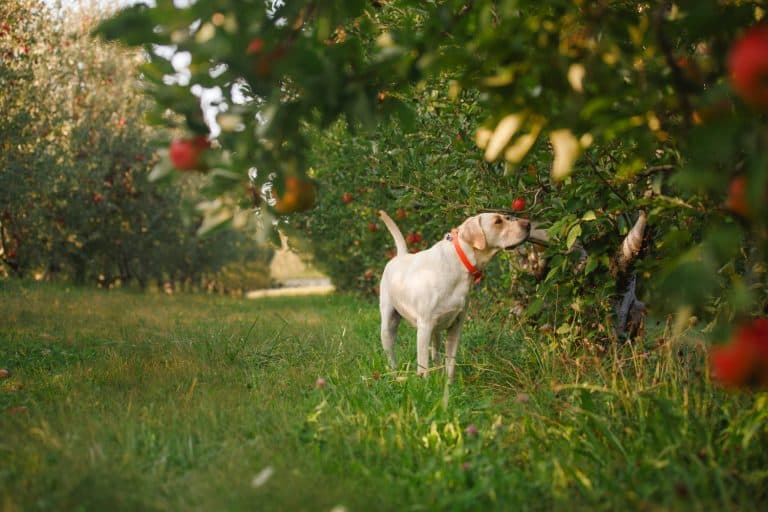
Rhodesian ridgebacks enjoy table food, which you can incorporate as part of a raw diet as long as you are careful to avoid potentially dangerous foods.
©Zontica/Shutterstock.com
To make sure that your dog is around for many years, it’s important to feed it a healthy, nutritious diet. A balanced kibble is a good place to start. As puppies, ridgebacks should get a diet that is higher in calories and protein to support their growth and development. As they mature, you can transition to an adult dog food. Most ridgebacks will reach their adult weight between 14 months and 2 years old.
Some owners opt to give their dogs a raw food diet. This can include bones, meat, offal, and some vegetables. You can also supplement their kibble with raw foods. Your vet can provide recommendations for the best nutrition as well as specialized food recommendations to address any specific health concerns. As your ridgeback ages, make sure to support their bone health with adequate nutrition and supplements, if needed.
Are Ridgebacks Strong Dogs?
The breed is known for its speed and hunting abilities. They were originally bred as lion hunters and still go by the name African Lion Hound in some places. They can run fast and are skilled at chasing down even the most fearsome animals on the African savanna. When they were first bred, ridgebacks were also responsible for acting as guard dogs. They can be quite formidable and are protective, although they aren’t known to be aggressive without provocation. Ridgebacks tend to be loyal and very affectionate with their families, even young children. They can be very independent but respond well to training. It’s important to train your ridgeback as a puppy and be consistent with training throughout its life.
It’s important to provide plenty of activity for your ridgeback. While they don’t need vast, open spaces to run every day (although they would probably enjoy it), you should still make sure to get a good walk or two in. They can adapt well to a variety of lifestyles, including small home or even apartment living. But you’ll have to take extra steps to make sure that they get the exercise that they need to thrive. If your dog is sedentary, they can develop health problems like obesity or weak muscles. Not only does this make them less happy but it can also shorten their expected lifespan by putting them at risk for other issues.
Do Ridgeback Dogs Have Health Problems?
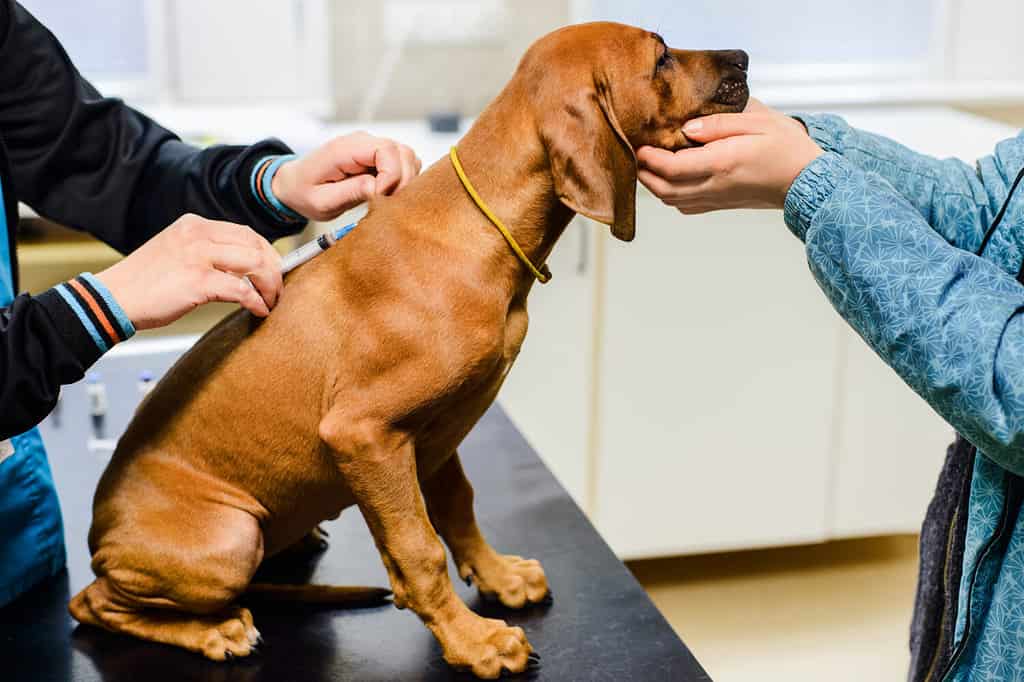
Periodic checkups at the vet will ensure that you keep track of their health and development, including screenings for potential health issues.
©olgagorovenko/Shutterstock.com
These dogs are pretty hearty and don’t suffer from a lot of health problems. However because they are purebred dogs, they can be vulnerable to more inherited conditions. These often include hip and elbow dysplasia, two of the more common issues associated with the breed. Ridgebacks are large, active dogs so these issues can become problems as they continue to exercise and move around. It’s important to pay close attention to their elbows and hips. Many breeders will also screen for potential hip and elbow problems.
While not a health problem initially, eating people food can also become an issue for ridgebacks. They are known to grab food off the counter and plates. If they eat too much unhealthy food, they can become overweight or even obese. It’s important to watch what your dog eats and make sure that they get enough exercise. You can also train your ridgeback not to snatch food when they aren’t supposed to, although it can take some time and discipline. Overall, as long as they aren’t eating anything dangerous and they don’t have weight problems, occasional eating from the table or counter won’t pose much of a health issue for an active Rhodesian ridgeback.