
Worldwide, roses are known for their iconic beauty and pleasing scent. Their popularity is due to many factors, including their delicate fragrance, vivid colors, and range of available types and sizes. However, in many parts of the country, people often purchase roses rather than attempting to grow their own. That is due, in large part, to the assumption that cold, snowy winters (like those in New Hampshire) make it nearly impossible to successfully grow rose plants. And while it may be a more challenging undertaking… Growing roses in New Hampshire is entirely possible.
The article below offers a comprehensive guide to growing roses in New Hampshire. We will explore the best types of roses to plant, how to cultivate them, and how to care for them to ensure they thrive.
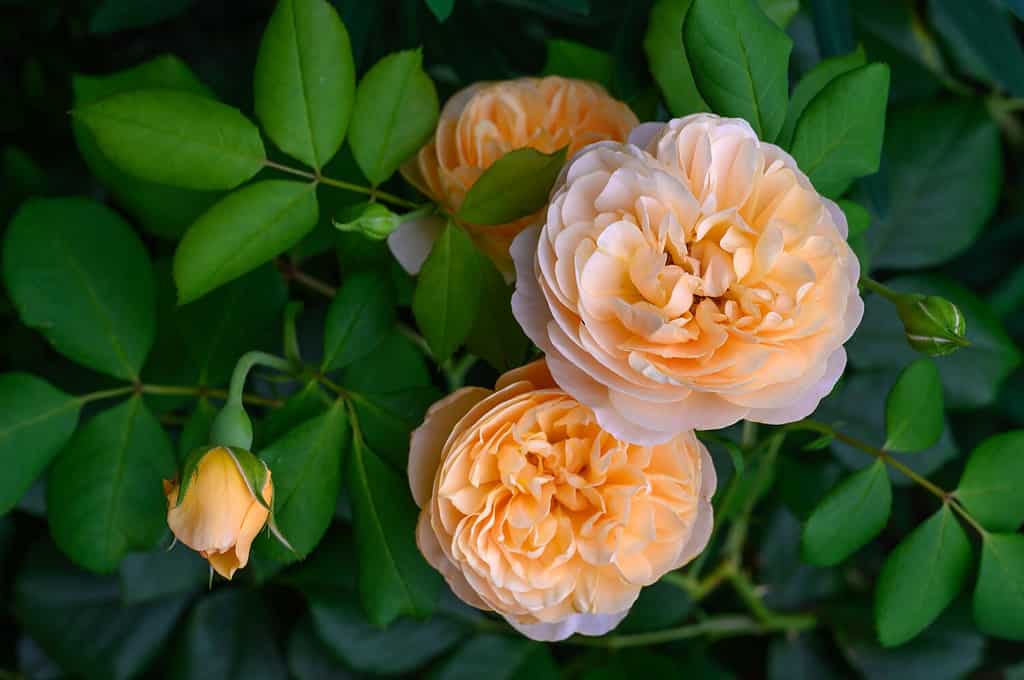
Garden roses make a fantastic addition to any ornamental flower garden.
©PAUL ATKINSON/Shutterstock.com
Roses that Grow Best in New Hampshire
People have cultivated roses for centuries. The practice is so long-standing that hundreds of different types are now available. You can choose between more “traditional” roses with a tighter flower and more delicate scent and garden roses, which are fluffier and have a deeper aromatic presence.
However, not all roses are suitable for every climate. So, choosing the best types for the New Hampshire climate is important. And, even more so, paying closer attention to your local environment will be vital to selecting the proper rose variety. New Hampshire has a diverse climate, featuring USDA Hardiness Zones 3-6. Knowing where you fall in that range will help you make the best decision. However, in general, here are a few of the best types of roses that grow well in New Hampshire:
Hybrid Tea Roses
These lovely flowers are famous for their stunning, large blooms and vibrant colors. They are also popular for their long-lasting qualities. Once you plant them in your garden or yard, you can count on them hanging around for many years.
One example is the Grateful Heart®, which is cold hardy into Zone 5. They can reach up to 5 feet in height and showcase jaw-dropping 5-inch blossoms.
Floribunda Roses
This rose variety is known for its hardiness and ability to bloom all season long. Both factors make them an excellent choice for New Hampshire’s climate. They require minimal maintenance, and their clusters of blooms add a beautiful touch to any garden.
They grow up to 4 feet tall and show off 4-inch blossoms in apricot, yellow, coral, pink, and other delightful colors. However, they are cold hardy starting in Zone 5, so if you live in a colder spot of the state, they may not thrive.
Rambling Rose
Consider adding something slightly different to your flower garden. Rambling roses are fun and offer unique foliage and blooms. A great example of this type of rose is Darlow’s Enigma. It is a continually blooming rose that produces stunning, small white flowers that open flat. They reveal a bright yellow center. And the best part is that bees belove this rose variety. So you will attract beneficial pollinators to your garden when you plant these!
Shrub Roses
This beautiful style of roses is another excellent choice for New Hampshire’s climate. They are highly disease-resistant and hardy, making them ideal for beginners. They come in many different colors and sizes and require minimal pruning and maintenance.
One particularly lovely variety is the Double Knock Out®, which features shockingly red blooms that grow roughly 2 inches wide. These shrubs will reach approximately 4 feet high and withstand nearly any environmental challenge thrown at them.
Climbing Roses
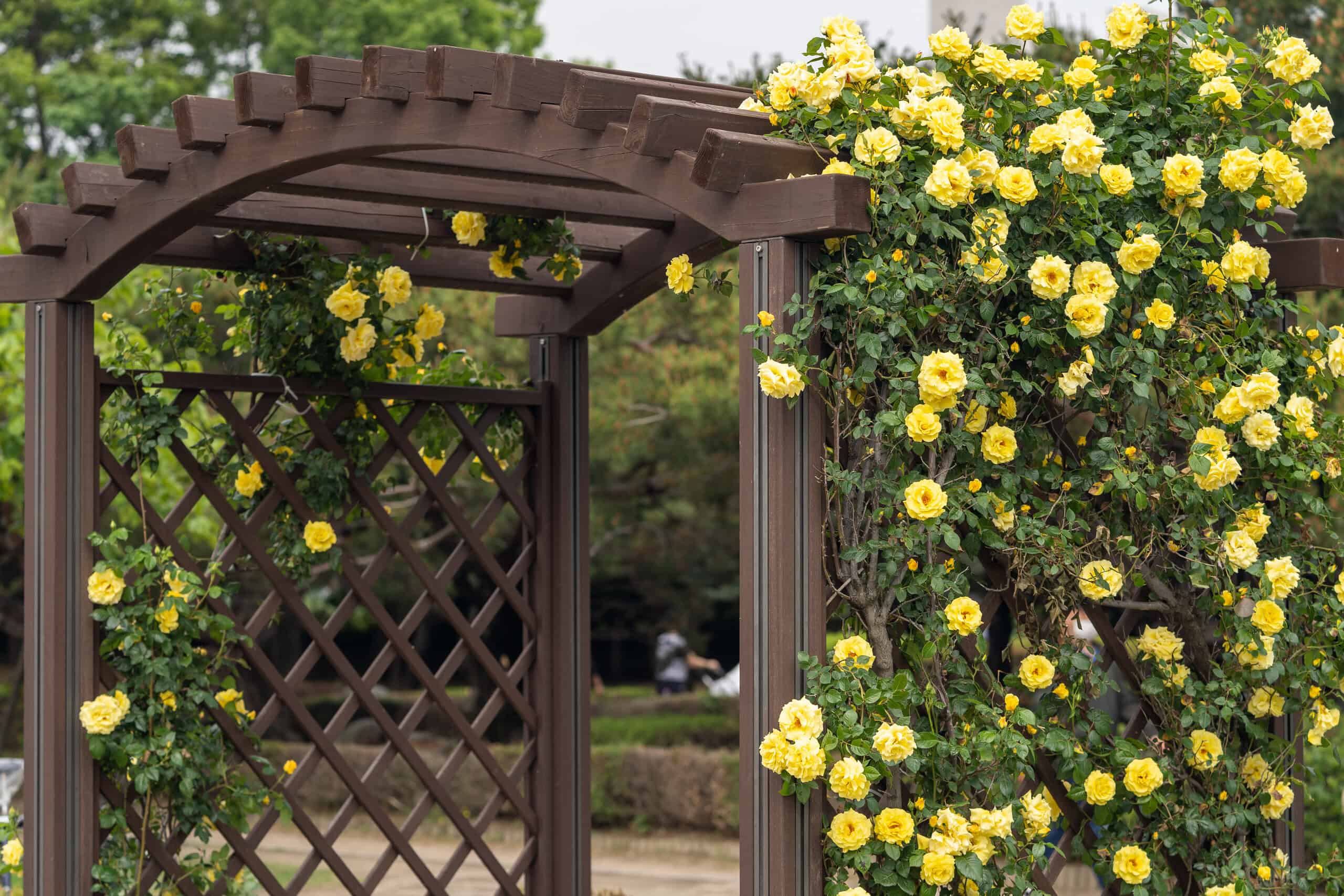
Do you have a wall, trellis, or arch you want to adorn with lovely flowers? Look no further than climbing roses. They are the perfect choice for gardeners who want to add vertical interest to their gardens. Most varieties are highly fragrant. Once you train them to climb where you want them to, you can sit back and enjoy the view!
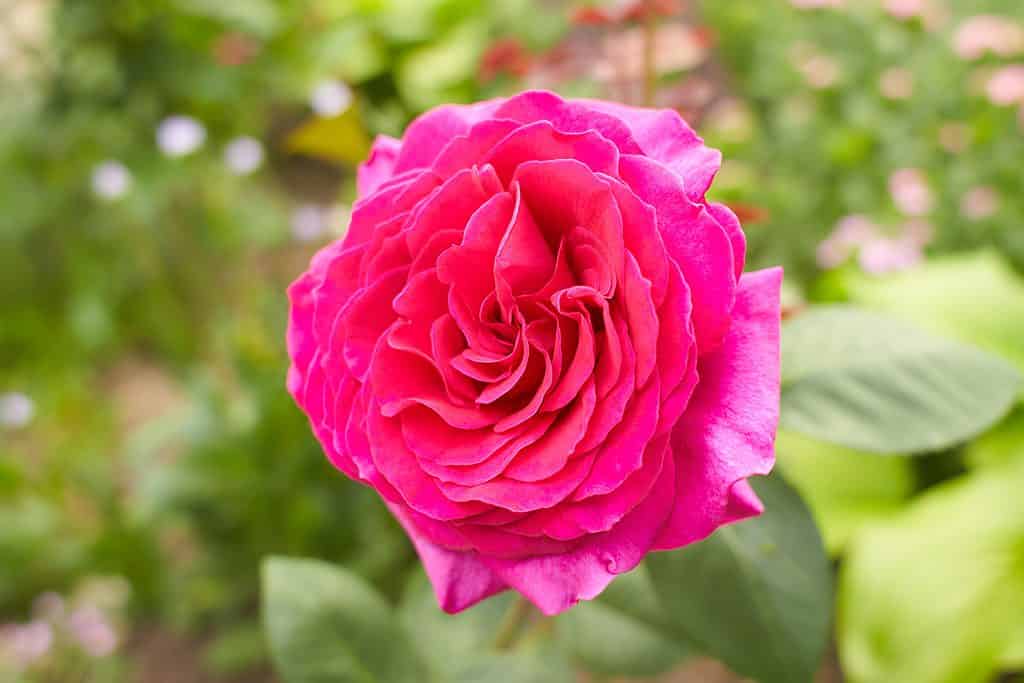
Hybrid tea roses are perfectly suited for colder climates and will grow well in New Hampshire.
©Irene Fox/Shutterstock.com
How to Cultivate Roses in New Hampshire
Cultivating roses in New Hampshire requires some planning and preparation, but the rewards are worth it. Here are some tips on how to care for roses in the state:
- Planting: Plant your roses in well-draining soil rich in organic matter. Whether you plant them directly into the ground or in a pot to bring indoors during winter, they need at least six hours of sunlight each day. Additionally, timing is critical. Planting roses in the spring or fall when the weather is cool and moist will offer the best results.
- Pruning: Prune your plants in the spring before new growth begins, and allow plenty of space for new growth to flourish. Pruning helps stimulate new growth and promote healthier blooms, so don’t feel shy about this process. You will always want to remove dead or diseased wood to help your plant thrive. Plus, pruning allows for proper airflow, which will help you avoid diseases.
- Watering: Roses should get watered deeply and regularly. They should get watered at the base of the plant. Avoid watering from overhead to prevent diseases.
- Fertilizing: Adding regular fertilizer during the growing season will help your plants develop lush healthy foliage and beautiful blooms. However, use caution and avoid the temptation to over-fertilize. Many nurseries and garden centers carry fertilizer designed for roses. Otherwise, a balanced blend will work well.
- Mulching: Retain soil moisture and better regulate temperature with mulching. This practice helps protect the plant’s roots from extremes of heat and cold. Organic materials such as compost, straw, or shredded leaves make good mulch for roses. Add a decent layer around the base of the plant for the best results.
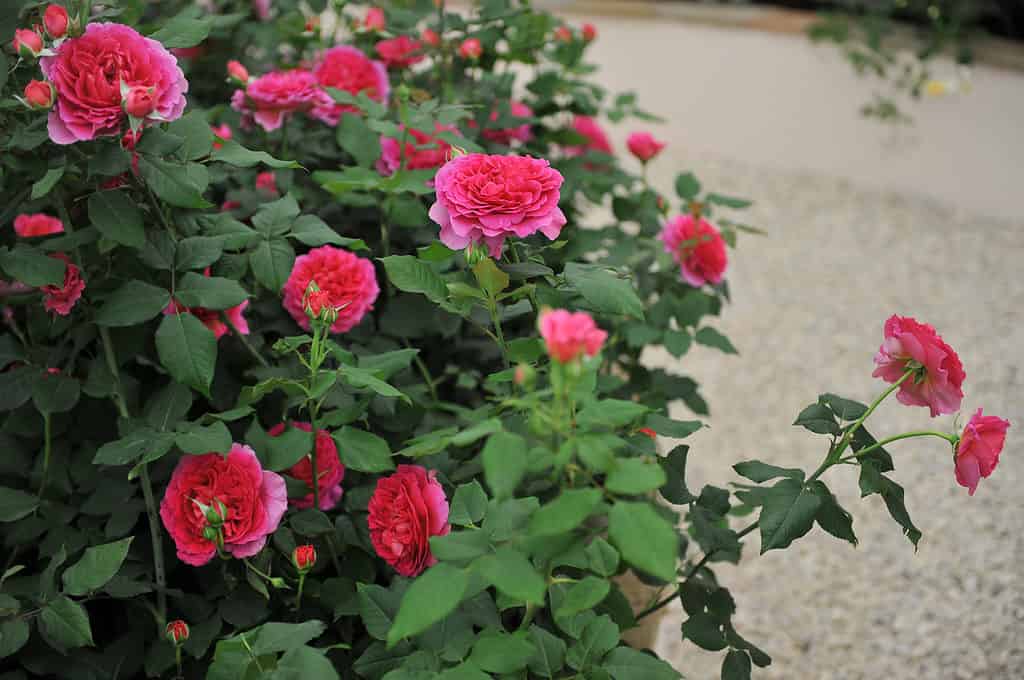
Shrub roses grow well in colder environments.
©Sergey V Kalyakin/Shutterstock.com
How to Care for Roses in New Hampshire
Once you have mastered the basics of rose care, consider taking some additional steps to ensure the vitality and longevity of your plants.
- Disease Control: Roses are susceptible to several diseases, including black spots, powdery mildew, and rust. Monitor plants regularly to identify and address any issues before they become serious problems. It is imperative to inspect the foliage, blooms, and stems. Doing so can help identify any potential issues early. Additionally, take the preventative step of proper pruning to ensure good airflow and reduce the likelihood of problems.
- Pest Control: Roses can also attract many pests, including aphids, thrips, and spider mites. Use insecticidal soap or horticultural oil to control pests. You can also introduce natural predators such as ladybugs or lacewings. Keep a close eye on your plants to catch any potential (and unwelcome) visitors quickly.
- Winter Protection: Roses need protection from New Hampshire’s cold winters. Adding a layer of mulch around the base of the plant will help regulate soil temperature and protect the plants during harsh winter weather. Another step is to wrap the canes in burlap or other protective material to prevent damage from winter winds.
- Deadheading: Deadheading spent blooms will promote additional and healthier future blossom production. This process involves cutting the stem just above the first set of healthy leaves. Don’t worry. You aren’t hurting your plants. On the contrary, you are helping them continue to develop and remain healthy for many years.
As you can see, growing roses in New Hampshire takes a little extra planning and care, but it is not impossible. Consider adding a plant (or more) to your landscape or garden! You’ll love the atmosphere it creates.
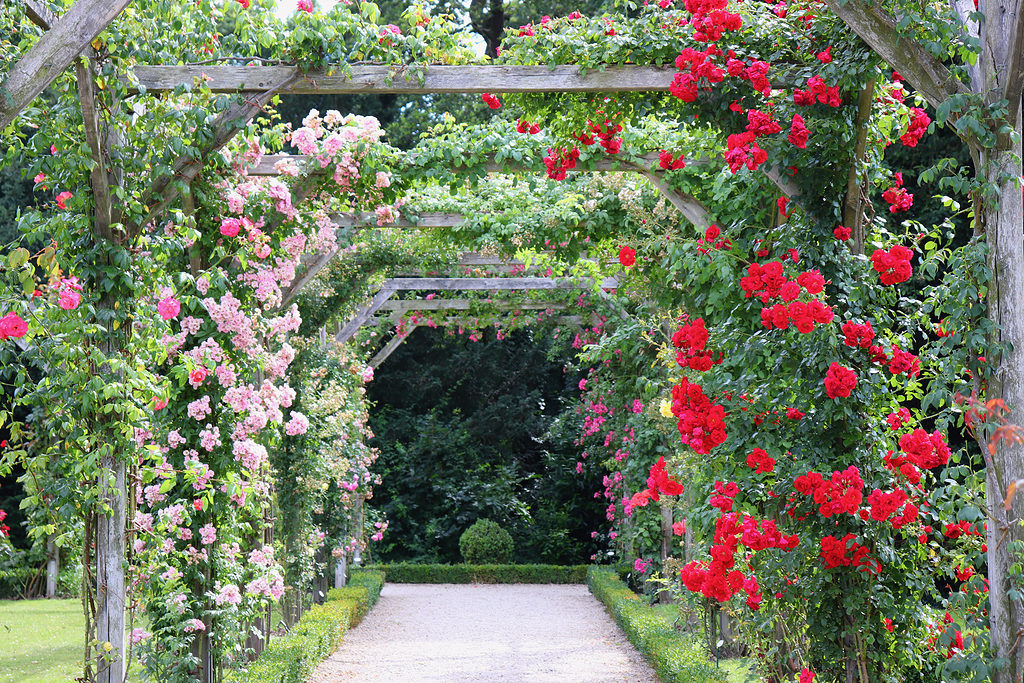
Consider adding climbing roses to your arch or trellis!
©iStock.com/Vivian Song