
Quick Take
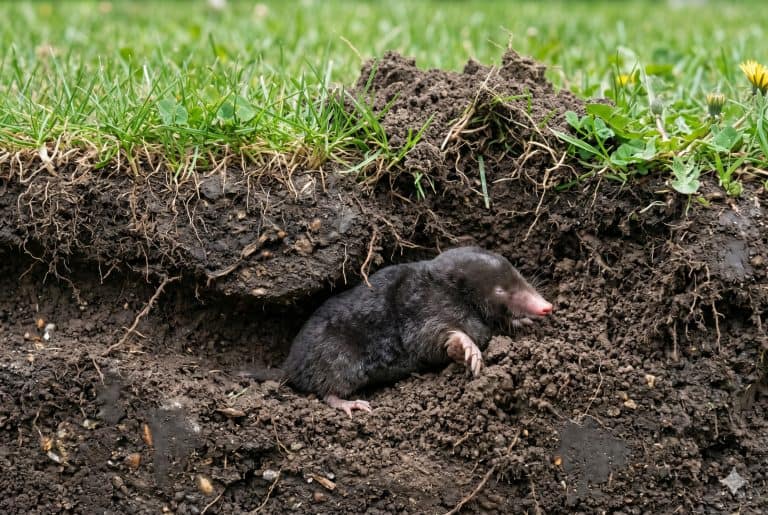
- Its name borrows from a mammal, but the reason why has nothing to do with what you'd expect. See the naming origin →
- Finding one in your garden could be good news or a serious problem, and the difference comes down to species. Explore agricultural impact →
- You've probably heard this insect without ever realizing the sound was coming from underground. Discover the underground chirping →
- It looks built for one thing, yet evolution quietly gave it a completely contradictory ability. See the burrowing adaptations →
The mole cricket is an insect with an interesting name. It is related to other crickets and grasshoppers. So how did they get their unique name?
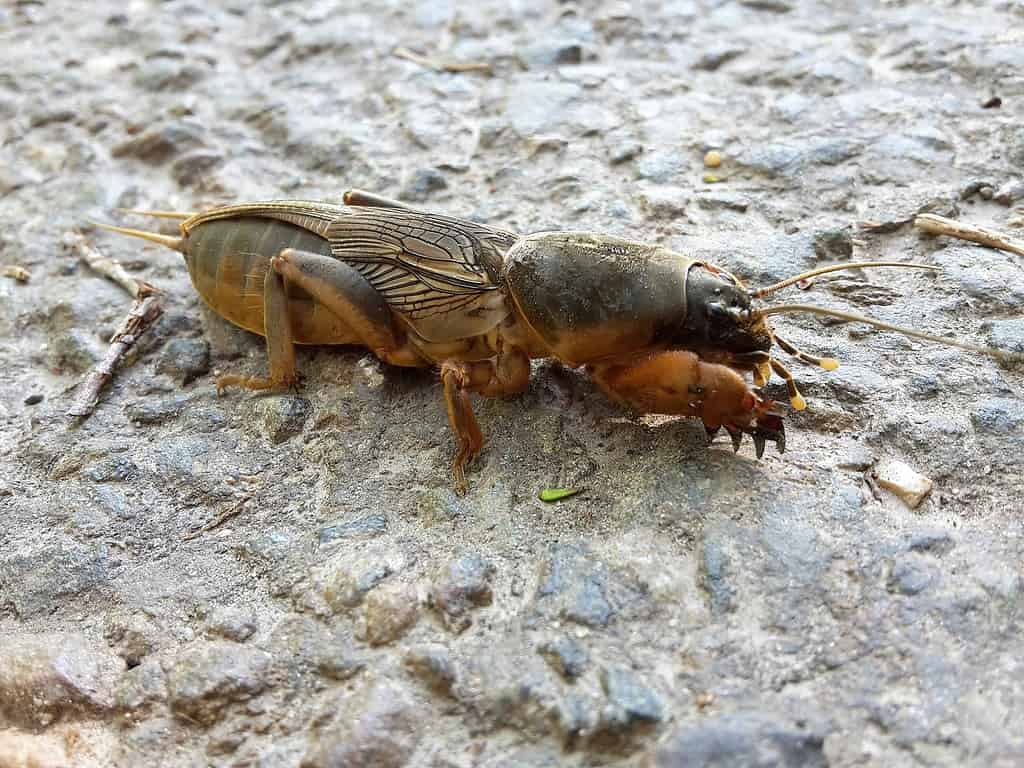
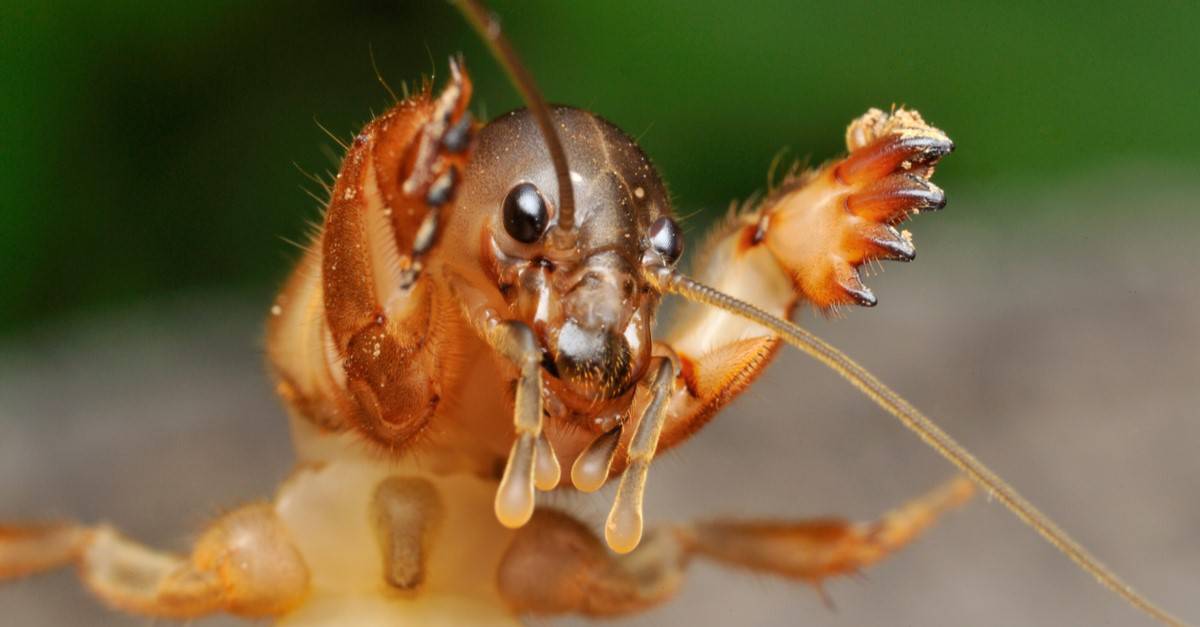
The mole cricket uses its front legs to burrow and tunnel through loose soils and dirt.
About the Mole Cricket
Mole crickets get their name from their mole-like resemblance. These crickets have broad and flat forelegs that act like mini shovels to help them dig through the ground. With these legs, they can tunnel through loose soil at quick speeds, just like moles. However, their antennae and wings make them undeniably a cricket. Mole crickets occur on every continent except for Antarctica, with different species living in each region. They prefer moist and loose soils, as they are easy to dig through, so you may even find them in your garden. However, they spend most of their lives underground, meaning that you’ll have to search hard for them. Growing to only about an inch to an inch and a quarter long, they can be difficult to recognize in the dirt. Despite their underground lifestyle, these crickets can still fly and do so when they disperse to find mates during breeding season.
Despite being an important part of their ecosystem, mole crickets can be agricultural pests. They chew on roots and seedlings underground and loosen the soil as they dig their tunnels. While native species are relatively harmless, large enough populations can make a noticeable difference in the quality and health of your plants. Mole crickets differ greatly by species, however, so not all of them are pests. While herbivore mole crickets can harm plants, some predators feed on other insects, and omnivores as well. So, while some may attack your plants, some may also defend them from other herbivore insects. While largely invisible to the eye, you may have heard these crickets’ chirps. Like other crickets, males produce their iconic chirping sound by rubbing parts of their wings together. However, rather than emanating from the trees, the chorus comes from beneath your feet.