
For backyard farmers and chicken owners alike, the decision to vaccinate chickens comes down to a few different factors. From lifestyle to background and more, deciding to vaccinate chickens will depend on personal preference.
Discover if and when you should vaccinate your chickens, common reasons owners choose to vaccinate, and best practices when it comes to vaccinating chickens.
Should You Vaccinate Your Chickens?
If you’d like to raise healthy, meat- and egg-producing chickens, you should vaccinate your chickens.
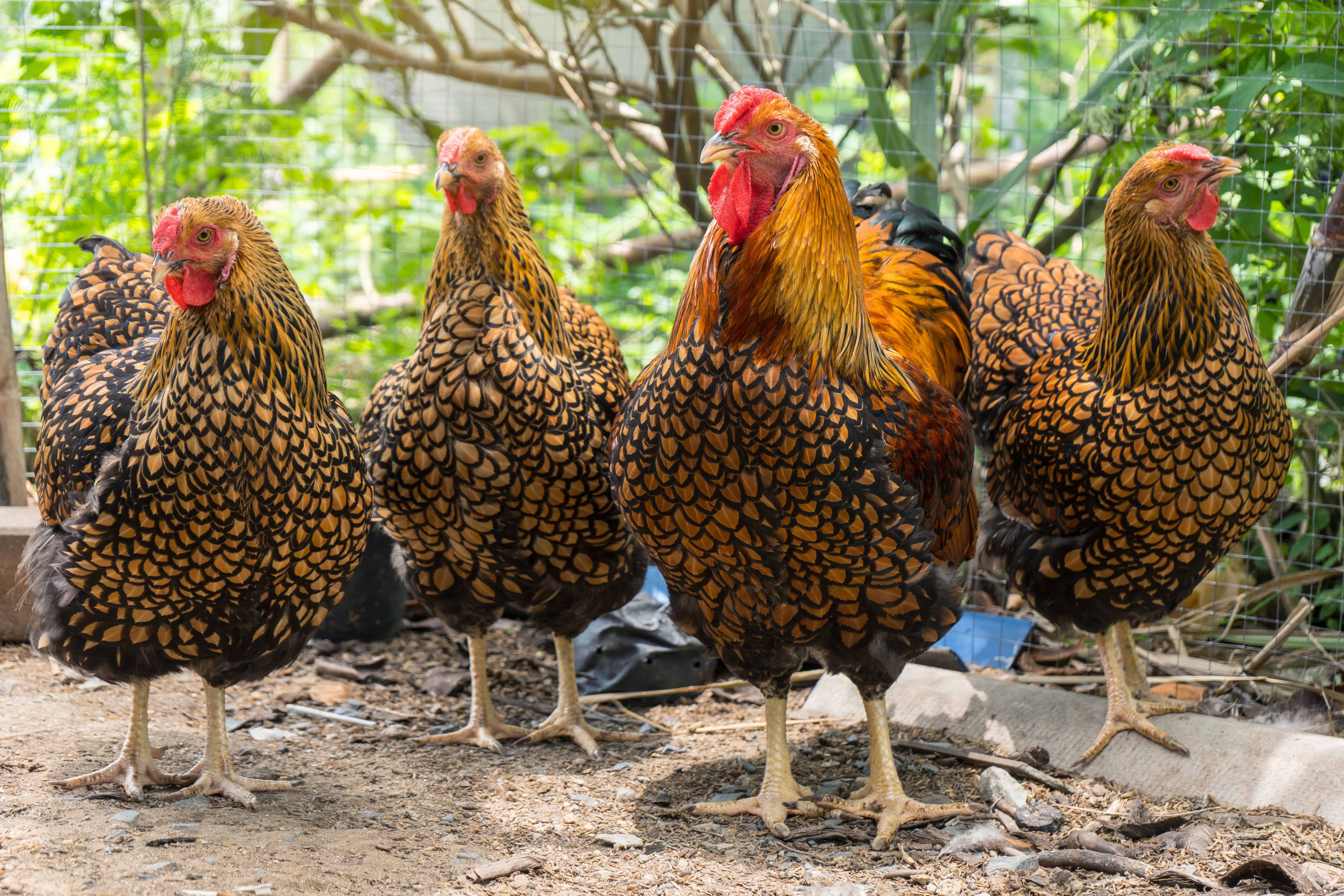
Healthy flocks are happy flocks — and they produce better meat and eggs in the long run because they’re healthy.
©iStock.com/Tunatura
Chicken owners have no legal requirements to vaccinate their chickens. However, the choice to vaccinate your chickens will afford several benefits, including:
- You’ll have a healthy flock. Vaccinations protect your chicken flock against diseases. Once a chicken becomes infected with certain diseases, like Marek’s Disease, it will remain a carrier for the rest of its life. By vaccinating early and comprehensively, you’ll ensure your flock is impervious to foreign illnesses introduced from external sources.
- You’ll stop the spread of disease. If you regularly travel with your chickens to poultry shows, hatcheries, or other large gatherings of birds and animals, you run the risk of one (or a few) of your birds picking up a disease or illness and infecting the rest of your flock. Vaccinations protect each bird, even the chicks, to maintain a healthy flock.
- You’ll protect your assets. Whether you’re a homesteader, backyard farmer, or animal enthusiast who sells the eggs their pets produce, vaccinating your chickens will protect the flock you’ve put so much time, energy, and resources into. Not only does this safeguard your “asset” as a farmer, but it also shows care for the animal.
- You’ll have better yields. According to a study conducted in March 2022, “Avian influenza viruses (AIV) is a continuous source of concern for poultry production and human health.” Protecting your flock improves the health of the chickens (meaning more meat and eggs for your farm). It also decreases the risk of meat or egg quality issues when it comes to human consumption.
Vaccinations Chickens Should Receive
Several common vaccines chickens receive exist, including vaccines for:
Marek’s Disease
This is the most common vaccine given to chickens. That’s because nearly every flock has an outbreak of Marek’s Disease at one point or another. It’s an inexpensive vaccination that chicks may receive on the day they hatch in the hatchery. Owners should note that the vaccine does not give immunity to the disease itself. The vaccine simply stops the appearance of the disease’s tumors. Vaccinated birds can (and will) still get the disease and shed the virus.
Infectious Bronchitis
Often combined with the Newcastle Disease vaccination, the infectious bronchitis vaccination protects chicken flocks against the bronchitis virus of the Massachusetts serotype. Owners can give this vaccine at the hatchery between 10-35 days of life. Chickens should not receive this vaccine during an outbreak. Further, chickens should not receive a vaccine containing a non-regional strain of the condition.
Fowl Pox
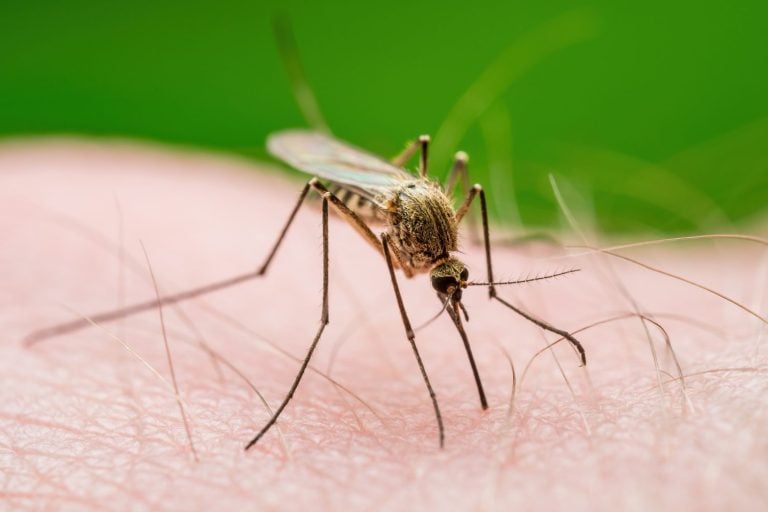
Fowl pox is just one of many pox viruses chickens are susceptible to. Others include canary pox, ratite pox, and pigeon pox. While owners can vaccinate their chickens against most poxes, a reliable commercial vaccination for canary pox does not exist on the market. There’s good news about fowl pox, though. You only need to vaccinate your flock against it if you have a problem. Severe outbreaks on farms mean vaccinating your entire chicken flock — and any other domestic poultry (like turkeys or pigeons). The only other time owners may want to consider vaccination is in regions with severe mosquito infestations, as the virus is blood-borne.
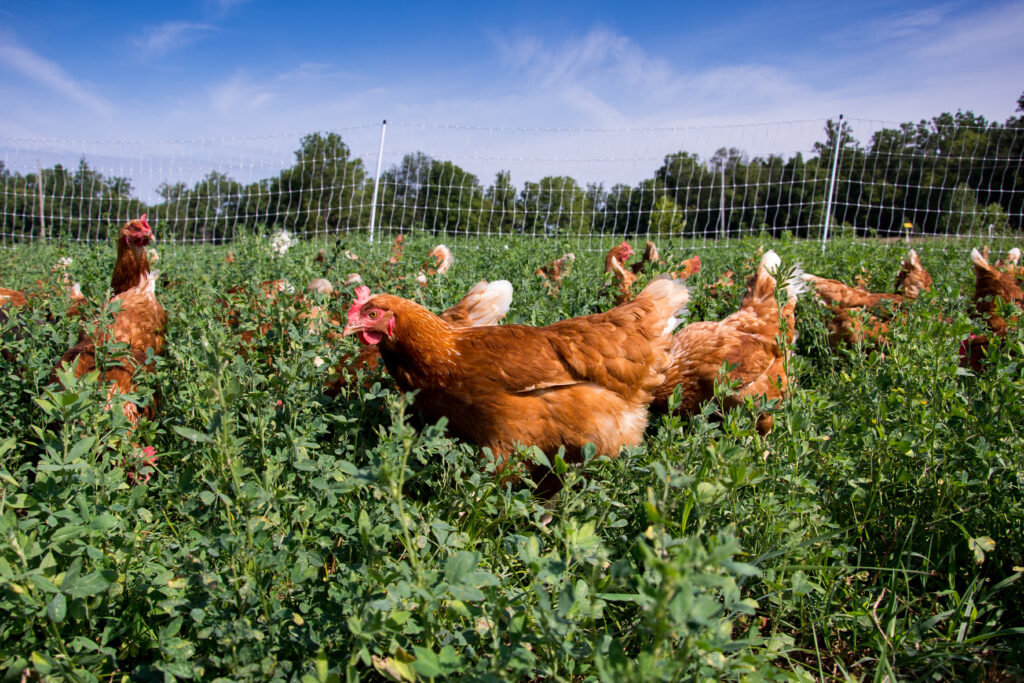
Only give your flock the vaccines that make sense for their environment.
©Tony Campbell/Shutterstock.com
Newcastle Disease
As Newcastle is a live, attenuated virus, there’s no need to vaccinate your flock against it unless you’re in a region of concern or already have an outbreak on your farm. In addition, chicks vaccinated for Newcastle disease cannot ship through the mail. Breeders who choose to vaccinate flocks to Newcastle can choose a killed virus vaccine at 8-20 weeks of age, which then does not need further vaccinations.
Infectious Bursal Disease
Infectious bursal disease is a common disease in young domestic chickens worldwide, and vaccination for it is given to chicks. The initial application of vaccination in young chicks aims to trigger maternal immunity as a means of disease control. Additionally, vectored and live-attenuated vaccines can effectively stimulate active immunity in chicks once maternal antibodies diminish.
Infectious Laryngotracheitis
While more uncommon than the other vaccinations mentioned, flocks can get vaccinated for infectious laryngotracheitis if there is an outbreak or case in the area. You’ll need prior approval by the state government to give this vaccine to your flock, as it is an attenuated virus that may result in a larger outbreak. Given via eyedrop, the infectious laryngotracheitis vaccine remains safe and most effective for birds once they’ve reached four weeks of age. Younger birds may not respond with similar efficacy.
Fowl Cholera
Fowl cholera has two types of vaccines — live viruses and inactivated bacterins. This is yet another vaccine only necessary if and when an outbreak occurs. Otherwise, flocks should be healthy without it. Fowl cholera affects a large range of avians, including game birds, domesticated poultry, and wild birds.
Mistakes to Avoid When Vaccinating Chickens
Backyard farmers and homesteaders should not vaccinate their chickens for illnesses not present in their immediate areas, especially if it is a live vaccine because that will introduce new organisms to a flock and risk further infection.
After veterinary consultation, you should know whether or not to vaccinate a sick or weak chicken. Vaccines improve welfare for healthy flocks, but sick or weak chickens may not be able to handle the dead or weakened pathogen in the vaccine and end up succumbing to the illness — rather than gaining immunity.
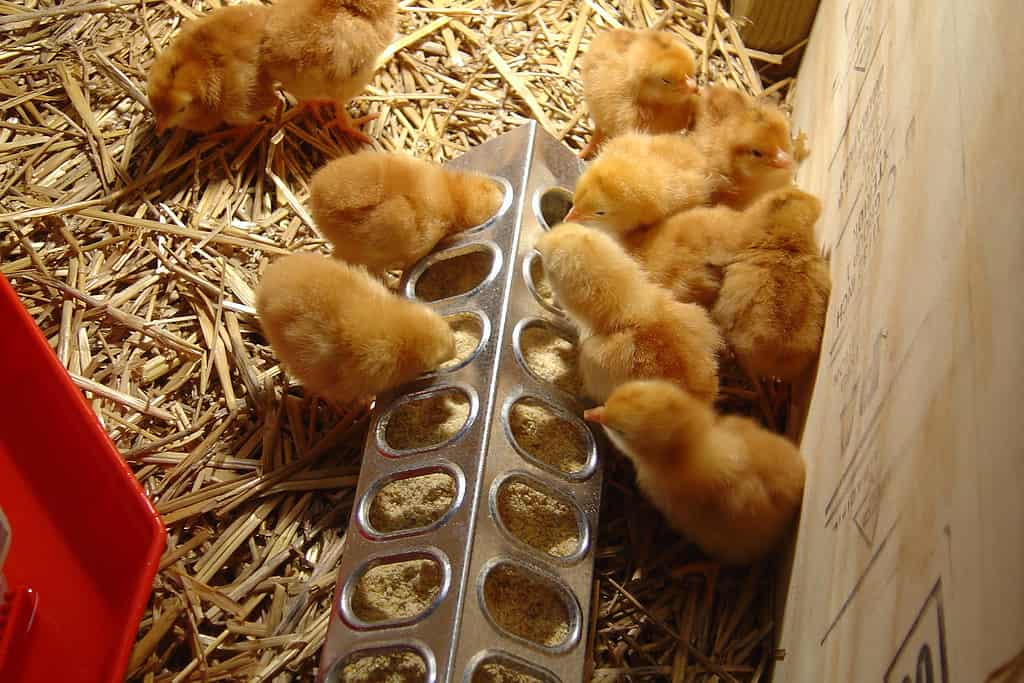
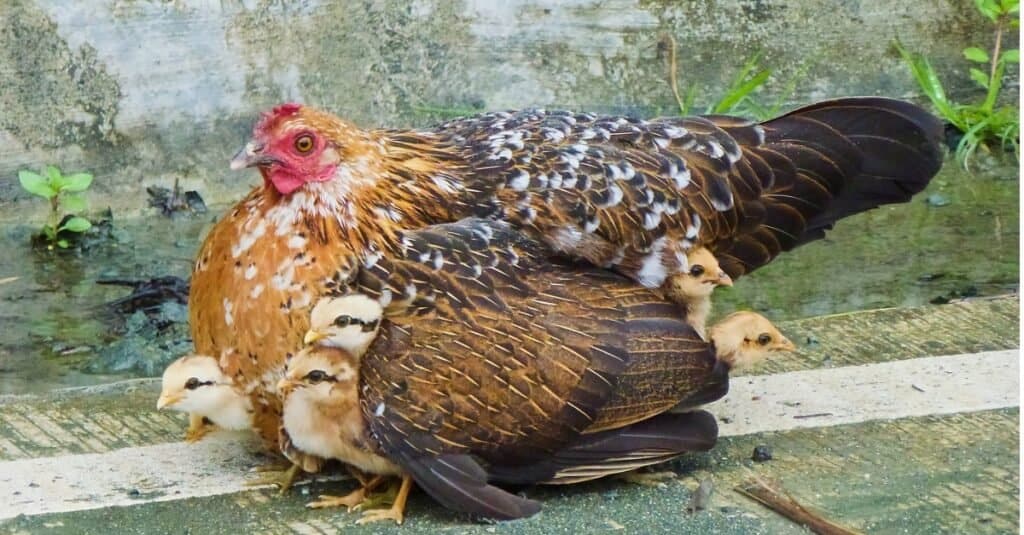
Chicks are less likely to develop proper immunity to diseases if vaccinated during an influx of activity.
©iStock.com/Jennifer Chamblee
Lastly, don’t vaccinate chicks immediately upon returning to your home if you’ve bought them from far away. Quarantine the new flock; let the chicks acclimate to the new surroundings and start them on a multivitamin to ensure the efficacy of the vaccine is as close to 100% as possible.
Best Practices for Vaccinating Your Chickens
Every flock is different, and veterinarians will vary on their favorite ways to vaccinate, but there are some common best practices chicken owners can follow when choosing to vaccinate their chickens.
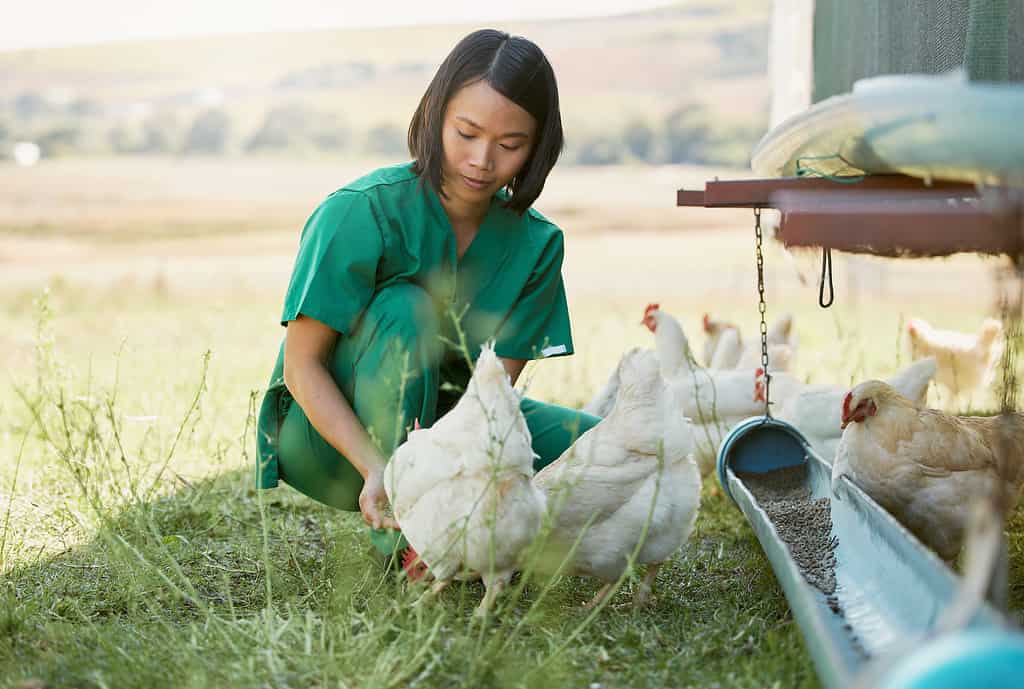
For especially large flocks, ensure you choose a vaccination method that makes sense for the vaccine and the scale at which you need it.
©iStock.com/PeopleImages
Talk to a Veterinarian
Make decisions with an expert opinion at your back. No matter how long you’ve raised chickens, veterinarians know the ins and outs of chicken anatomy and physiology. They’ll be able to identify any issues that may arise within the process or suggest alternative methods of vaccination.
Only Vaccinate Healthy Birds
As mentioned above, introducing a weakened pathogen (in the form of a vaccine) to a sick bird will not have the same effect as a vaccine on a healthy bird would. Have a veterinarian give your chickens a thorough look-over to ensure they’re healthy enough to receive the vaccine.
Choose the Method That Works Best for the Vaccine and Your Flock
Chicken owners have several options when it comes to vaccination. You can vaccinate chickens through drinking water, nebulization, eye drops, cutaneous shots in the wing web, intramuscular or subcutaneous injections, or in-ovo administration. Consult a veterinarian on which method is the best for the vaccine and flock in question.
Take Care in Blending Vaccinated and Unvaccinated Flocks
While farmers can combine flocks with and without vaccinations, use your own and a veterinarian’s discretion. Closely monitor your chickens’ health after the mix.
While vaccinating chickens is up to the owner, it’s probably a good idea to vaccinate your chicken flock for the most common illnesses. Those include Marek’s disease, fowl pox, and infectious bronchitis. As with any health decision, it’s important to consult your veterinarian or a professional when making a final decision about vaccinating your chickens.