
Quick Take
- Grapes are toxic to dogs and cats, but hamsters are a different story. The answer isn't as simple as yes or no. See why it depends →
- Your hamster's species determines everything, and most owners don't realize their pet falls into the category that should never touch grapes. Check your hamster's species →
- Even a single grape could be dangerously too much, and there's a very specific preparation method that makes all the difference. See safe preparation steps →
- Not all grape colors are created equal for hamsters, and the reason why might actually surprise you. Compare grape colors →
All domesticated Syrian (golden) hamsters (Mesocricetus auratus) originate from a single litter of wild Syrian hamsters that was discovered in Aleppo, Syria, in 1930, while other popular pet species, like dwarf (genus Phodopus) and Chinese hamsters (Cricetulus griseus or Cricetulus barabensis griseus), belong to completely different genetic lineages. Syrian hamsters were first brought to the U.S. in 1938 for scientific research, and by the mid-1940s they had skyrocketed in popularity as household pets, largely due to the establishment of a commercial industry that bred hamsters for both medical research and the growing pet trade.
Chinese hamsters were also introduced to the U.S. in the mid-20th century, but dwarf hamsters were not widely available in the U.S. until the late 20th century. Hamsters are omnivores that eat a variety of foods, including vegetables, seeds, nuts, grains, fruit, and even insects. Feeding your hamster treats is a great way to bond, but you should ensure that the treats are safe for them to eat. You may wonder, Can hamsters eat grapes? Keep reading to discover whether or not hamsters can safely eat grapes.
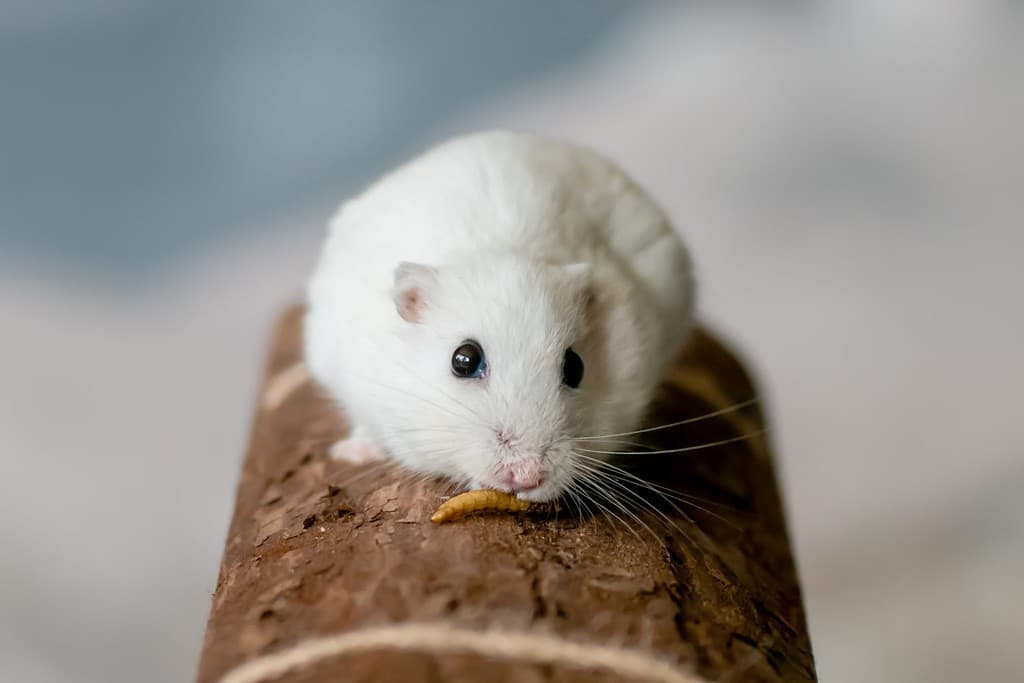
Chinese and dwarf hamsters, like this winter white dwarf, should not eat grapes or other fruits high in sugar, as they’re more prone to diabetes than Syrian hamsters.
©HASPhotos/Shutterstock.com
Grapes are Not Toxic to Syrian Hamsters
Even though grapes are toxic to some animals, including dogs and cats, they aren’t toxic to hamsters, but they are still not healthful and should be fed sparingly. Grapes contain a lot of sugar, and too much sugar isn’t good for your hamster. Healthy adult hamsters can eat up to ¼ of a grape weekly.
Just like humans shouldn’t have too much candy in our diets, hamsters shouldn’t get too much fruit. Remember that they’re much smaller than we are, so even tiny amounts of sugar can have a big impact.
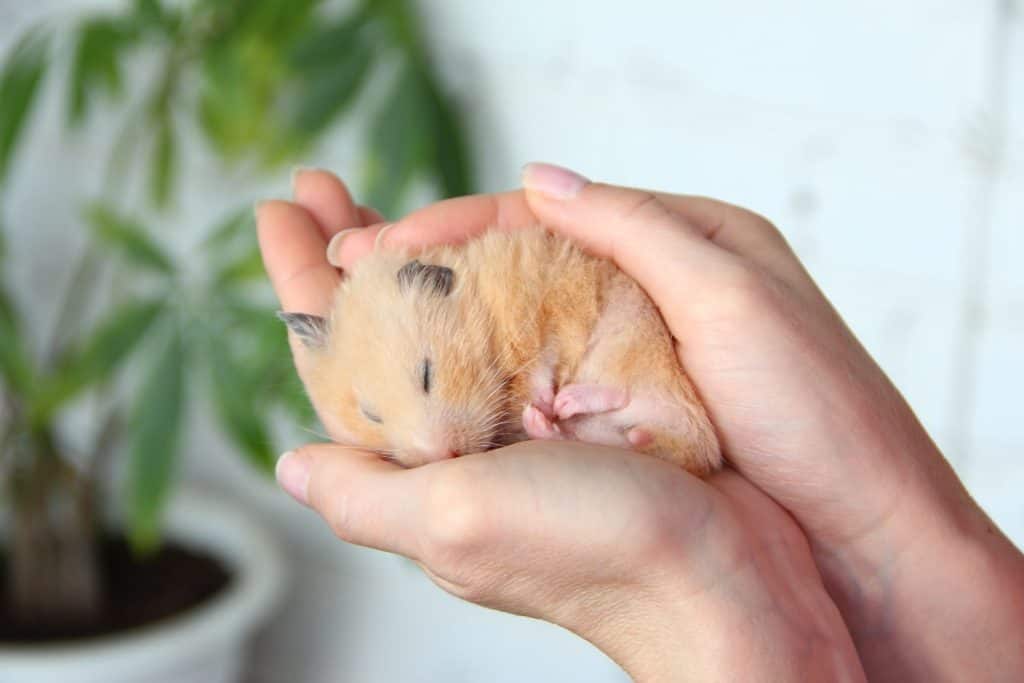
All modern Syrian or golden hamsters trace their lineage back to a female and her 11 pups discovered in a Syrian wheat field in 1930.
©Alex Milan/Shutterstock.com
Chinese, dwarf, and baby hamsters under a month old shouldn’t eat grapes at all because of the sugar content. Most adult hamsters of other species can have about a quarter of a grape once a week, as long as they are not also being given other sugary foods.
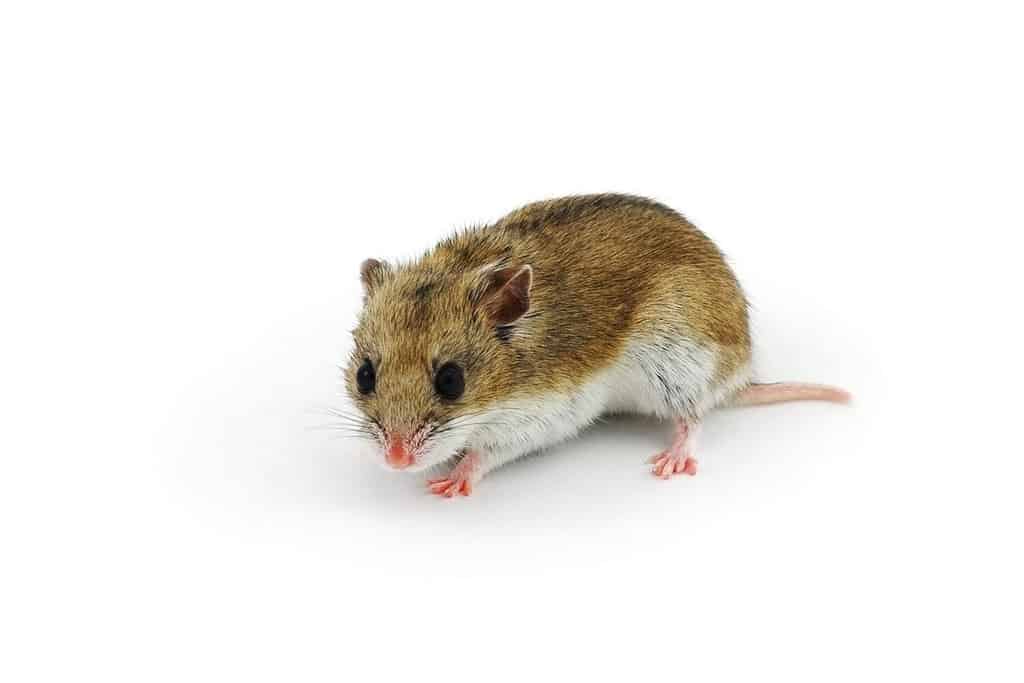
Chinese hamsters were introduced in the U.S. in 1948, when U.S. scientist Robert B. Watson acquired 20 Chinese hamsters (10 male, 10 female) from the Peking Union Medical College.
©Allocricetulus/Shutterstock.com
Pros and Cons of Grapes for Hamsters
Before feeding grapes to your hamster, it’s important to consider the pros and cons. Not every hamster should eat grapes, though they’re safe for most healthy adult hamsters.
The pros of grapes for hamsters are:
- They make tasty treats
- They can help hydrate your hamster due to their water content
- Grapes contain nutrients your hamster needs in their diet, including phosphorus, potassium, and magnesium
However, your hamster can easily get all of the nutrients they need without eating grapes. The majority of your hamster’s diet should consist of a pellet and seed mixture alongside a daily serving of fresh vegetables. Fruit should be fed as an occasional treat, not as a dietary staple.
The cons of grapes can outweigh the pros, especially if you overfeed them:
- They’re high in sugar and can only be fed sparingly
- Too many grapes can upset your hamster’s stomach, contribute to weight gain, or cause diabetes
- Hamster species prone to diabetes, such as dwarf hamsters, should not eat grapes
Chinese and Dwarf Hamsters Shouldn’t Eat Grapes

Chinese dwarf hamsters are prone to diabetes and thus shouldn’t eat grapes or other sugary foods.
©iStock.com/krblokhin
Chinese and dwarf hamsters shouldn’t eat grapes at all, as many of them are genetically prone to diabetes. Dwarf hamsters are used in diabetes research due to their genetic predisposition toward the disease.
What Color Grapes Can Syrian Hamsters Eat?
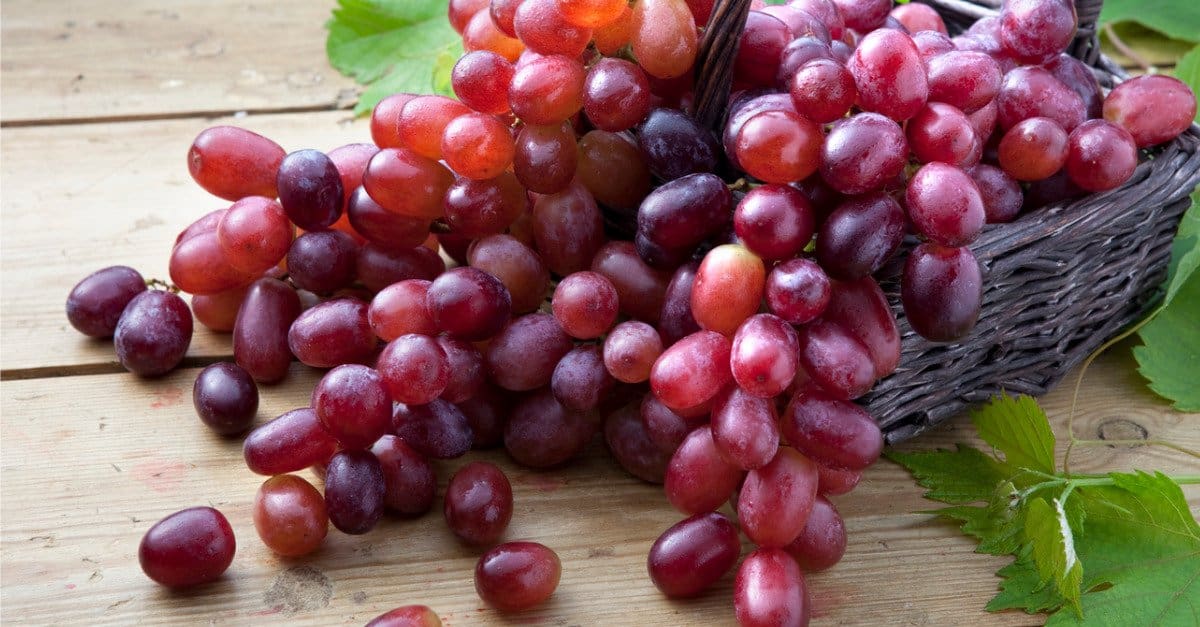
Hamsters can eat all colors of grapes–red, black, and green. Red and black grapes are higher in antioxidants and are thus typically considered more healthful.
However, because your hamster is eating such small quantities, it likely won’t make a difference in their overall nutrition. Red, black, and green grapes are very similar in nutrients and sugar levels otherwise, so I’d suggest purchasing whichever you enjoy best! After all, you’ll be the one eating the majority of the bag!
Remember that your hamster should never eat a full grape, as it’d be way too much sugar for their little body! Here’s how to prepare grapes for your hamster:
- Wash your grapes thoroughly to remove any pesticides from the fruit
- Cut the grapes into eight pieces
- Remove any seeds from the grape
- Feed your hamster up to two of the tiny slices you’ve made–it’s recommended to begin with just one to ensure it doesn’t upset their stomach and they don’t have an allergic reaction!
- Eat the rest of the grape or toss it in your compost pile
- If your hamster decides to pouch the grape and store it, rather than eat it, be sure to remove it before it rots in their cage!

Excess sugar in a hamster’s diet can lead to stomach upset, diarrhea, obesity, and diabetes.
©mu_mu_/iStock via Getty Images
After feeding grapes to your hamster for the first time (or any new food), be sure to watch for signs of an upset stomach. Signs include diarrhea, decreased appetite or activity levels, and eating non-food objects such as bedding. Excess sugar in their diet can lead to stomach upset, diarrhea, obesity, and diabetes.
Which Fruits Can and Can’t Hamsters Eat?
Most common fruits are safe for hamsters to eat, although they can’t always eat all parts of them. For instance, apple and cherry pits are toxic to hamsters. So are unripened tomatoes and tomato leaves and stems–only the fruit itself should be fed, and only when ripe.
Although many view it as a vegetable, eggplant is technically a fruit and is toxic to hamsters.
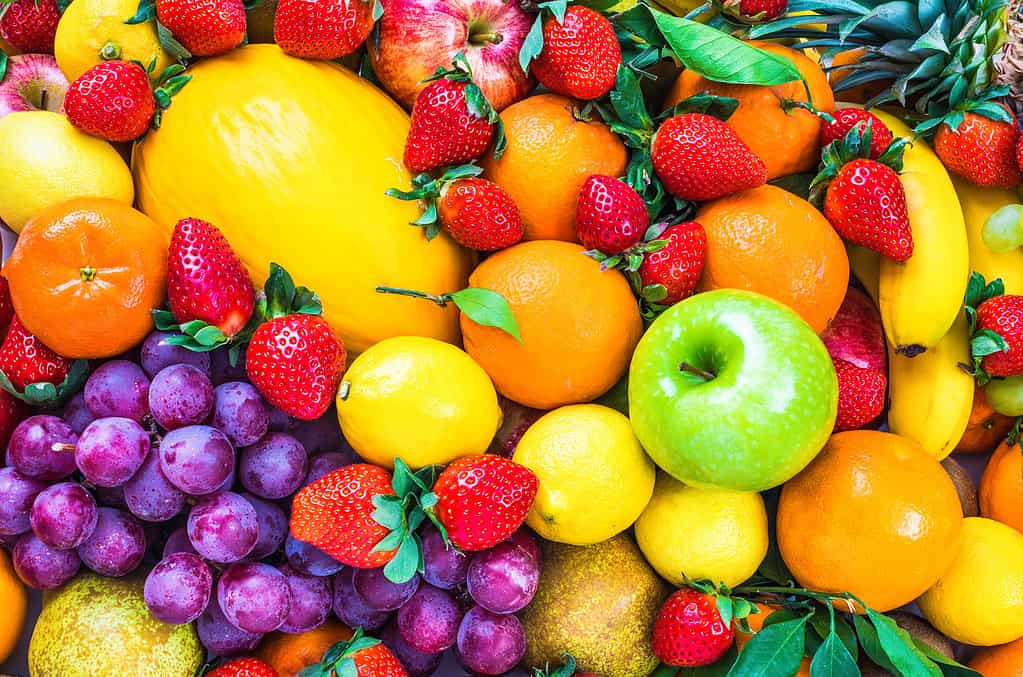
You can feed a hamster many fruits, such as strawberries, but do so in moderation and only as a treat.
©iStock.com/Fresh mixed fruits background.Organic fruits multicolore background.
Hamsters can eat most fruits, and many common ones are lower in sugar than grapes. However, all fruits should still be fed in moderation.
Fruits that are lower in sugar than grapes include:
- Strawberry
- Raspberry
- Watermelon
- Apple
- Kiwi
Remember that healthy adult hamsters can eat up to ¼ of a grape per week, but no more since they’re high in sugar. Never feed grapes or other sugary foods to your Chinese or dwarf hamster, and let baby Syrian hamsters grow up before feeding them sugary treats.