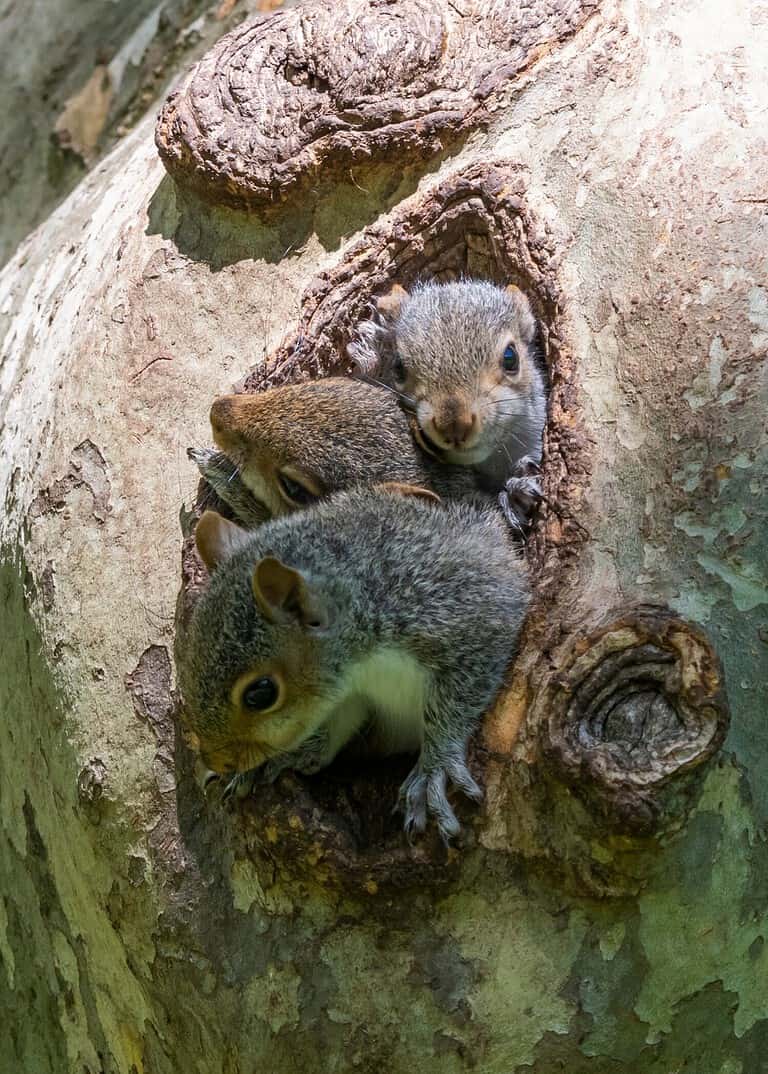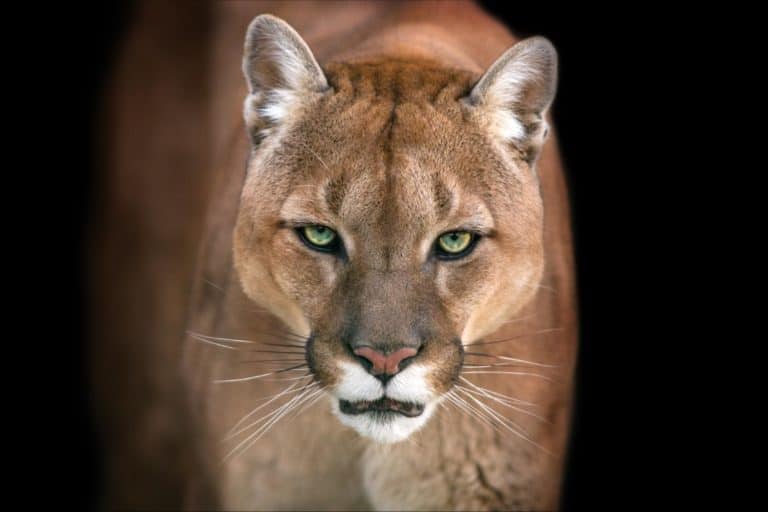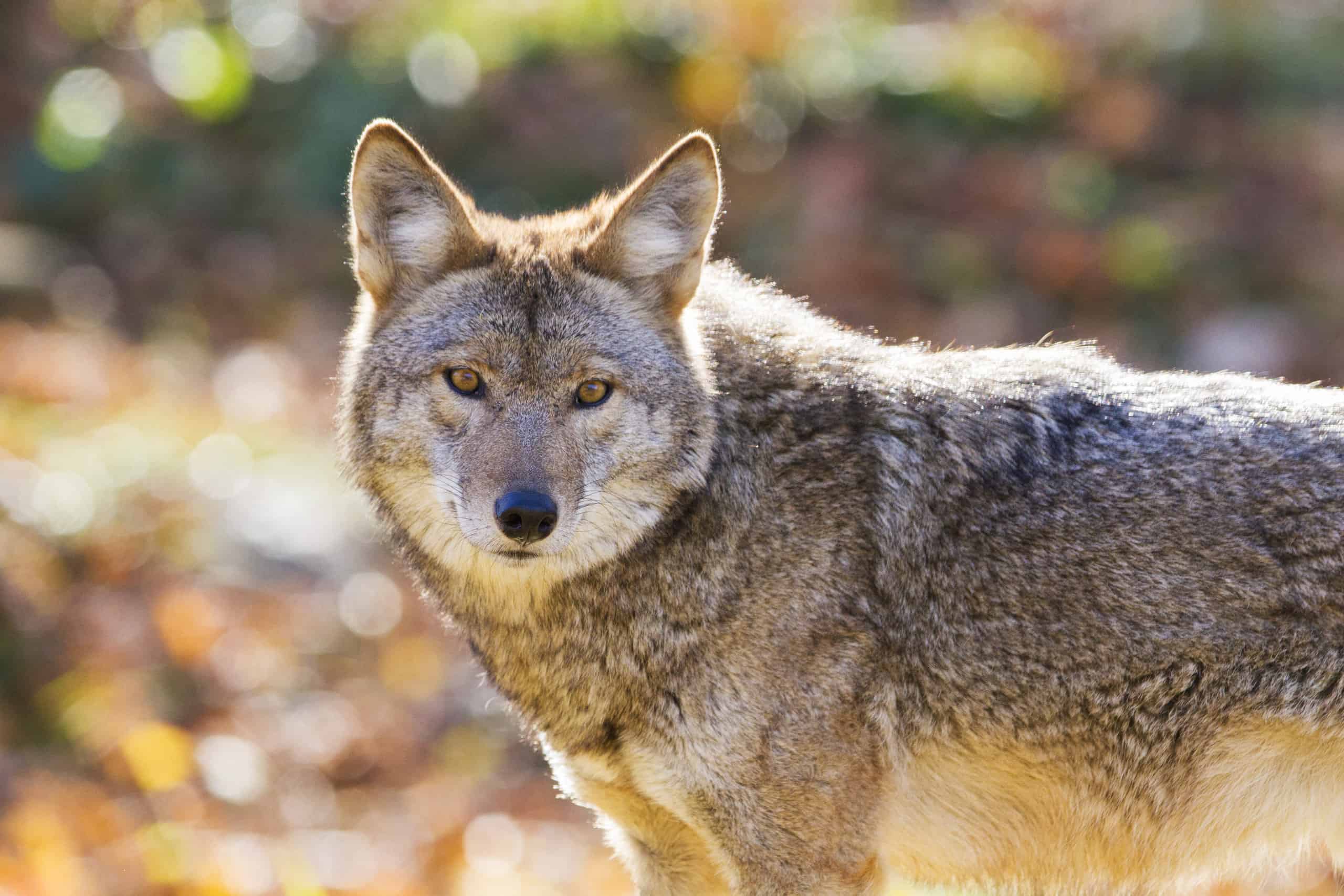

Over time, humans have continued to encroach on the territory of wild animals. Sometimes we coexist peacefully, and other times not so much. Often, the wild animals are the ones that suffer due to the presence of humans, along with our busy roadways, pollution, and other issues. Sometimes, though, humans can face mortal danger from the wild animals that live around us. This danger may come in the form of diseases that exist in animal populations, including rabies. Coyotes are one type of animal with which we share territory in many rural and suburban places. Would you know how to recognize the signs that a coyote has rabies, or what to do if you or a loved one were bitten?
How Common Is Rabies in Coyotes?
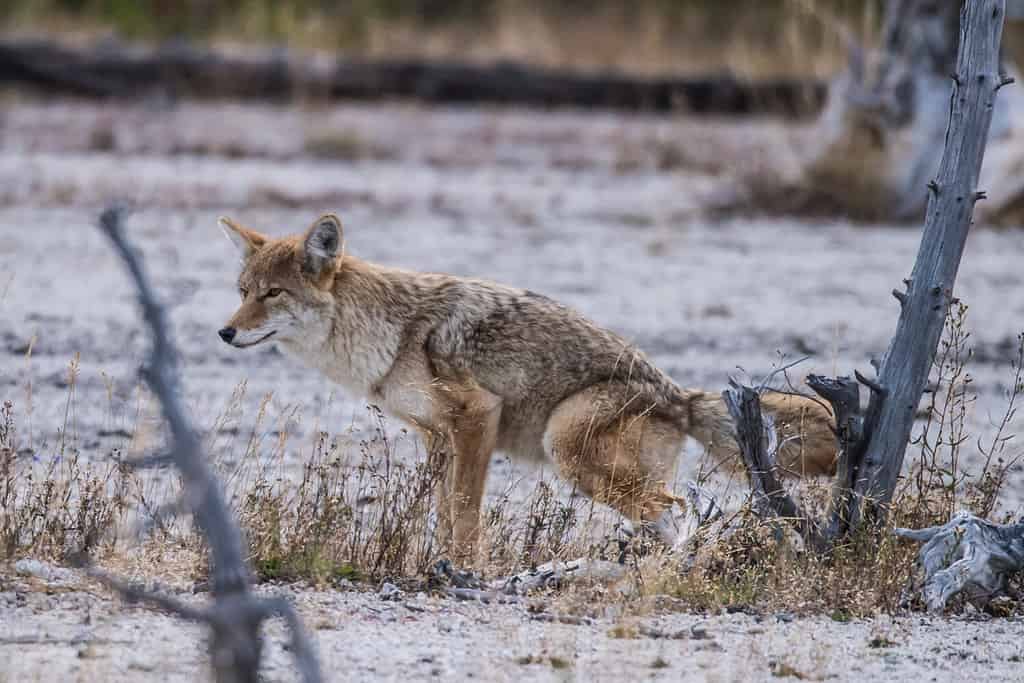
Coyotes may be among the wild animals more likely to contract rabies, but infection is rare.
©dgenxart/Shutterstock.com
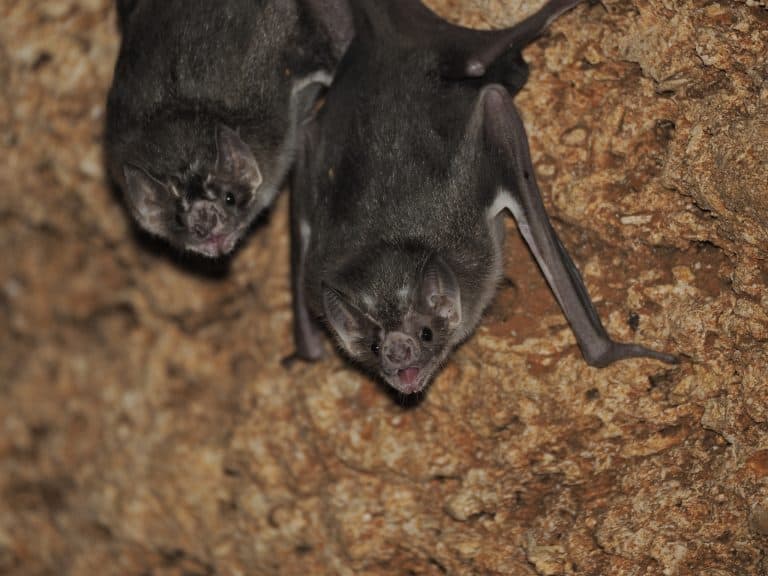
Thankfully, rabies infection in coyotes is very uncommon. Although coyotes rank as one of the species more likely to contract the disease, behind raccoons, bats, skunks, and foxes, rabies infection in coyotes remains rare.
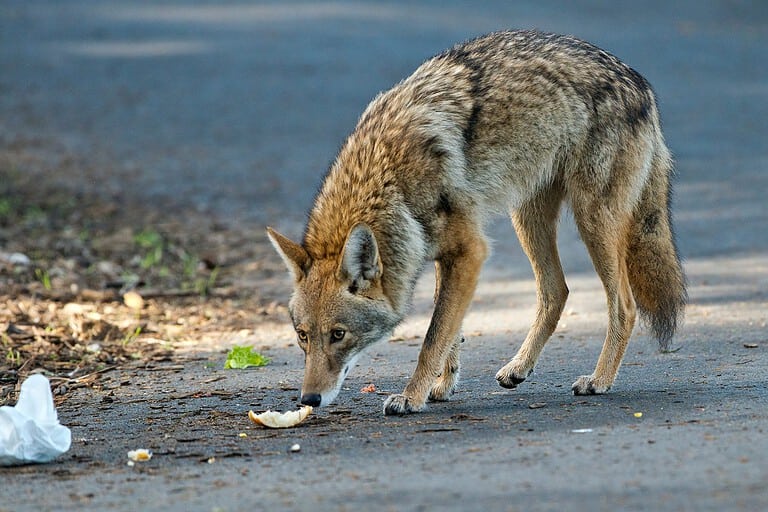
Is a Coyote Seen in the Daytime Rabid?

You might see coyotes in the daytime but don’t get close to them, even if they are cute.
©Lynn_Bystrom/iStock via Getty Images
Coyotes seen out and about in the daytime are not likely rabid. Coyotes often hunt for food and move around in the light of day. Just because you happen to see a coyote in broad daylight, that doesn’t mean it has rabies. However, you should exercise caution and avoid approaching wild animals under any circumstances, regardless of the time of day or the likelihood of rabies.
Is a Coyote in an Urban Area Rabid?
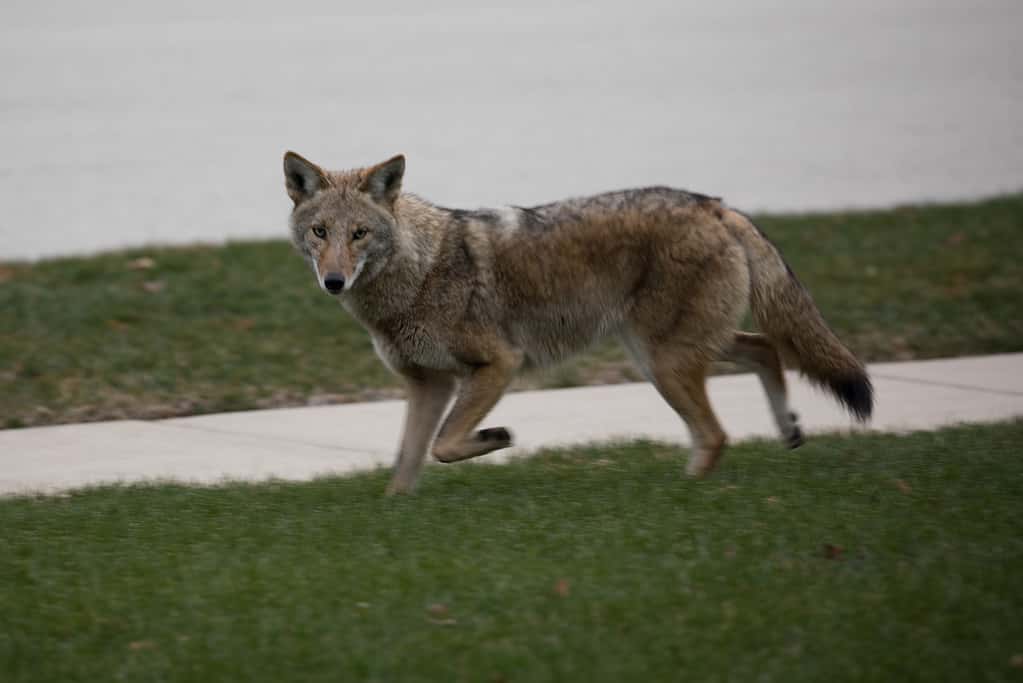
A coyote in an urban or suburban area, even in the daytime, is not necessarily rabid.
©Chuck Miller/iStock via Getty Images
Coyotes seen in urban or suburban areas are not likely to be rabid, either. This is especially true in urban areas that have recently sprung up near where wild animals were free to roam. The mere presence of a coyote where people happen to live does not necessarily indicate disease.
Clinical Signs of Rabies in Coyotes
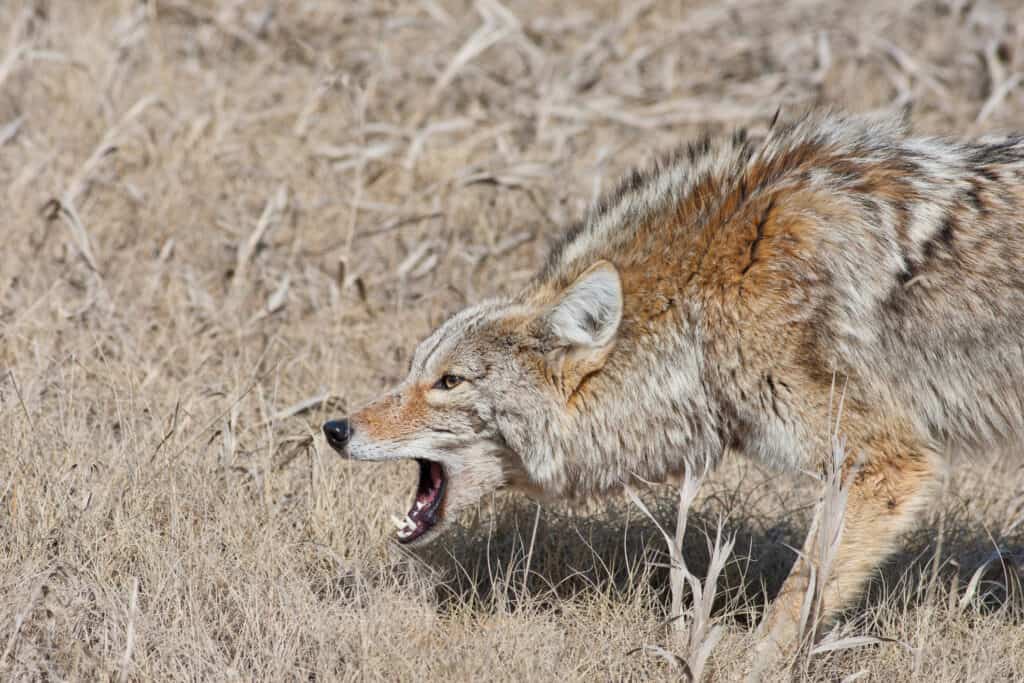
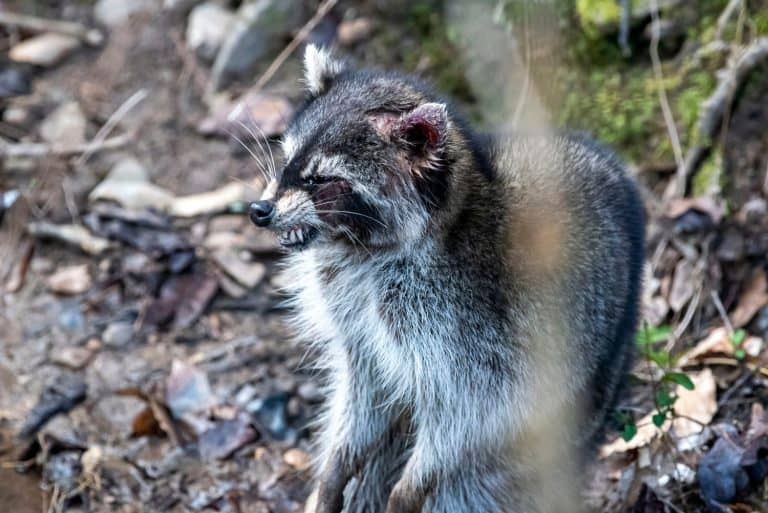
A coyote that behaves aggressively toward humans may be rabid.
©iStock.com/Songbird839
The clinical signs of rabies in coyotes may vary. Rabies causes acute encephalitis, otherwise known as inflammation of the brain. This inflammation can cause coyotes to behave abnormally. But what constitutes abnormal behavior in a coyote? You would know if your pet dog or cat began acting strangely. Though the signs of rabies in dogs and rabies in cats may be somewhat easy to spot, recognizing abnormal behavior in a wild animal like a coyote can be a lot trickier. Some of the more recognizable signs that a coyote has rabies are listed below.
Aggression
Coyotes usually do not behave aggressively with humans. Sure, they may appear where we do not want them, and may even hunt and kill small pets. But that is a normal and natural behavior for a coyote. Coyotes, however, usually avoid facing off with humans. And they almost never attack or bite a person unless they feel cornered, something threatens their pups, or they have rabies.
Tameness
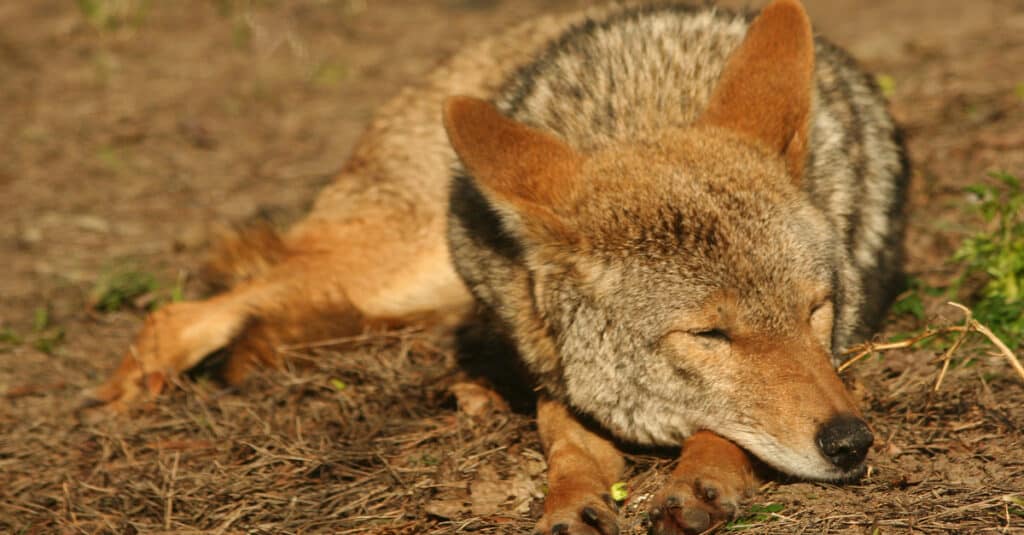
An overly tame, docile, or lethargic coyote could be suffering from rabies.
©Liga Alksne/Shutterstock.com
Just as coyotes rarely show outright aggression toward humans, they also generally do not appear tame. Coyotes just do not naturally behave tamely. They usually react with caution or even fear in the presence of humans. A coyote that behaves in a fearless manner, acting very tame, docile, lethargic, or even friendly, may have rabies.
Poor Coordination
A coyote with rabies may have difficulty balancing and may walk with a strange, almost sideways gait. They may seem drunk, wobbly, or even go in circles. The damage in their brain and nervous system causes problems with gross motor skills and eventually paralysis.
Excessive Drooling
Rabies causes pain and difficulty swallowing. Coyotes with rabies, like dogs, will often appear to foam at the mouth because of the excessive drooling and trouble swallowing that they experience as the disease progresses.
What to Do if Bitten by a Coyote
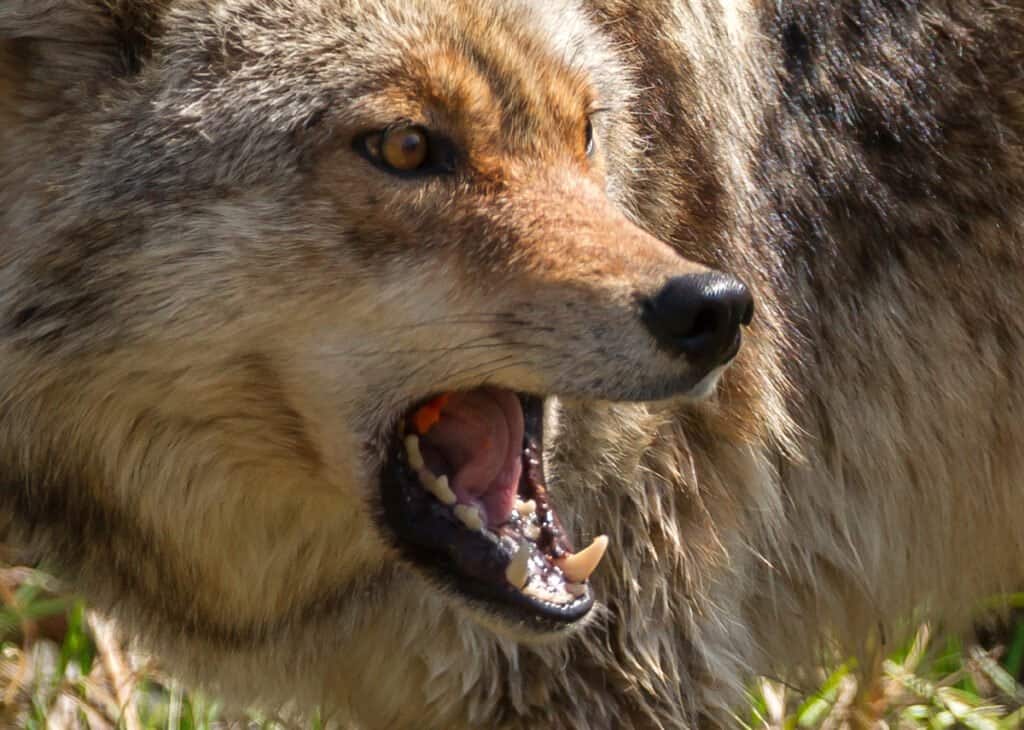
Coyote attacks are rare, but if you are bitten you must assume the animal could have rabies.
©Derek R. Audette/Shutterstock.com
What should you do if a coyote bites you? Given that coyotes generally do not behave aggressively toward people, you should take any bite very seriously. You must assume that a coyote that bites you could have rabies. If you can kill or capture the coyote safely, it can be tested to see if it was infected with the rabies virus. If not, you should contact authorities immediately so they can be on the lookout for a potentially rabid animal in the area.
Seek medical attention promptly if a coyote bites you, whether you or the authorities can capture it or not. Left untreated, rabies almost always proves fatal once symptoms begin to show. If treated quickly, you stand a very good chance of survival.
What if a Coyote Bites My Pet?
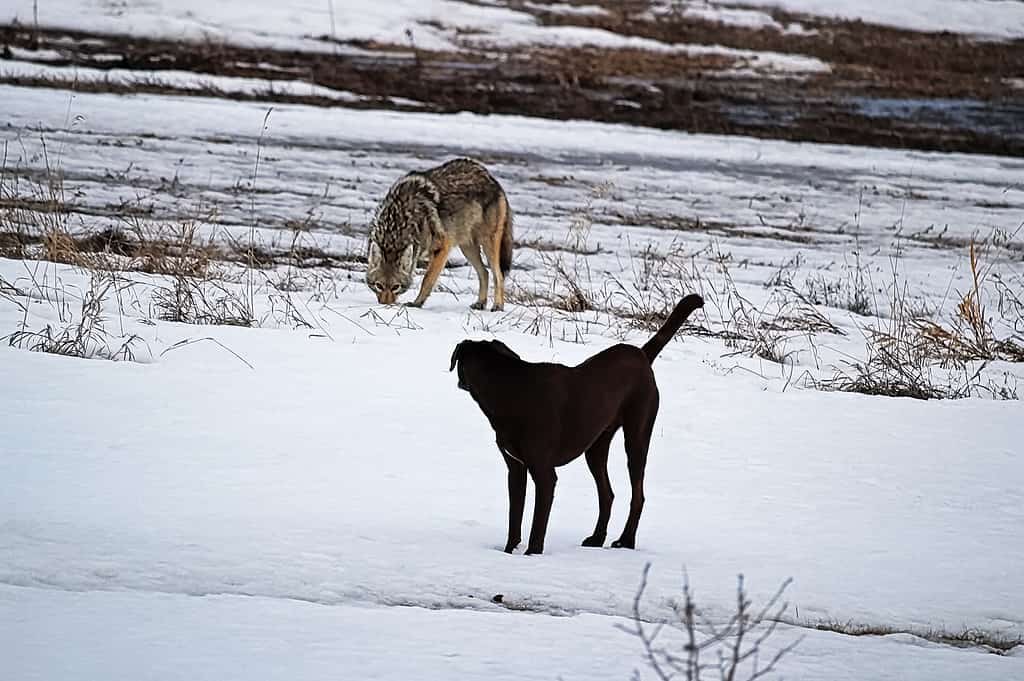
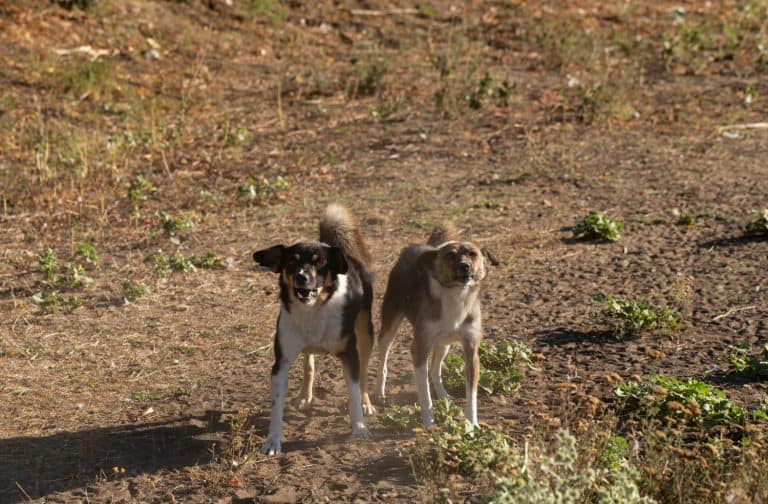
Domestic dogs and cats may contract rabies if they are not fully vaccinated.
©Akchamczuk/iStock via Getty Images
If a coyote bites your pet, its chances of survival depend greatly on whether it has already received a rabies vaccination. You should seek medical attention from your veterinarian in any case. Your vaccinated pet may need a booster vaccine, and you will likely need to quarantine it for up to 45 days. According to the Centers for Disease Control and Prevention’s protocol for dealing with rabies exposure, pets that have never received a vaccine may require euthanization.