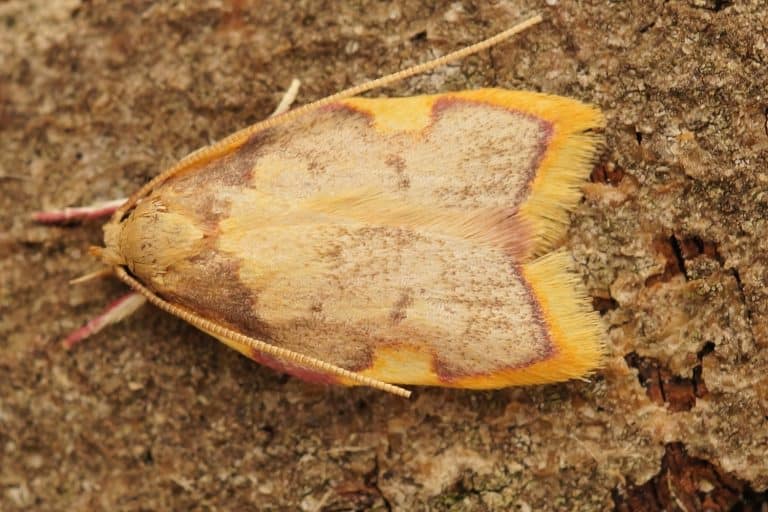
As Halloween decorations fill neighborhoods across North America, scientists have unwrapped a real-life natural mystery: six brand-new species of bats have just been discovered in the lush forests of the Philippines.
The discovery — described recently in the journal Zootaxa — comes from decades of collaboration among researchers at the Royal Ontario Museum (ROM) in Canada, the Field Museum in Chicago, and Lawrence University in Wisconsin.
These newly described bats — all belonging to the genus Murina, or “tube-nosed bats” — weigh as little as four grams and sport the distinctive tubular nostrils that give their group its name. The findings add new branches to the bat family tree and underscore how much of the planet’s biodiversity remains uncharted.
A Decades-Long Journey of Discovery
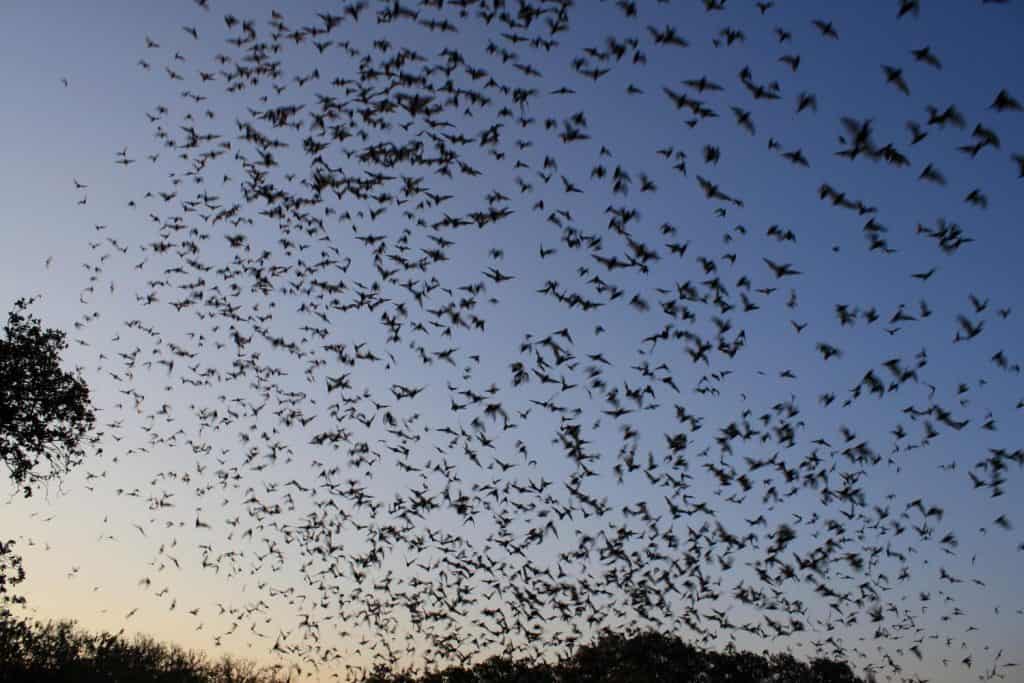
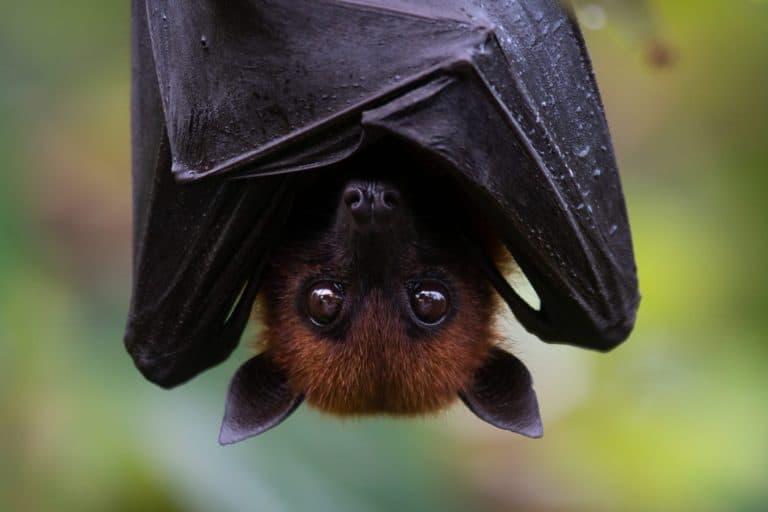
Bats are a key species in many ecosystems.
©freelancerChrisSobalvarro/Shutterstock.com
For Dr. Lawrence Heaney, Curator Emeritus of Mammals at the Field Museum, the path to discovery was both challenging and deeply rewarding.
“Like many species of bats, all of these are hard to catch; they are small and highly agile in flight, so they can avoid the fine nets that we typically use in the field,” Heaney explains. “We first began catching a few in the 1990s, and it quickly became apparent that a good deal of variation was present in different parts of the country. It took about 25 years to get a few samples from all of the places we thought might be important, and then nearly another 10 years to gather together our group of collaborators at the ROM, Field Museum, and Lawrence University so that we could sort out the whole story.”
The work was painstaking, involving years of field expeditions followed by slow, meticulous lab analysis. But the patience paid off.
The Genetic Key to the Past

Experts use both physical traits and genetics to determine if an animal is its own species.
In Toronto, Dr. Burton Lim, Assistant Curator of Mammalogy at the ROM, led the genetic research that unlocked the bats’ evolutionary story.
“The DNA of two gene regions were sequenced, one in the more fastly evolving mitochondrial genome and the other in a slower evolving region of the nuclear genome to cover the breadth of variation,” Lim explains. “We also analyzed the time that these species diverged from each other and found that the new species evolved a long time ago, from six to eleven million years ago. Genetically, there was a lot of DNA sequence divergence among the new species that ranged from 12–25%. To put this in perspective, the difference between humans and our closest living relative, the chimpanzee, is less than five percent.”
These results confirmed what physical traits had hinted at: the bats were not just variants of known species but distinct evolutionary lineages, each with its own story stretching back millions of years.
Genetically, there was a lot of DNA sequence divergence among the new species that ranged from 12–25%. To put this in perspective, the difference between humans and our closest living relative, the chimpanzee, is less than five percent.
Dr. Burton Lim, Assistant Curator of Mammalogy at the Royal Ontario Museum
Southeast Asia’s Astonishing Bat Biodiversity

Island systems like the Philippines offer a lot of biodiversity to study
©pics721/Shutterstock.com
The Philippines is one of the world’s richest biodiversity hotspots, but also one of the least studied. The country’s complex geological history — with over 7,000 islands constantly rising, splitting, and shifting — creates perfect conditions for isolated populations and rapid speciation.
For Heaney and his colleagues, the discovery of six new bat species is a reminder of how much remains unseen. Many forested regions of Southeast Asia are still waiting for comprehensive biological surveys, and the ongoing threats of deforestation and mining make documenting species ever more urgent. Each bat species, no matter how small, adds another piece to the puzzle of life and helps scientists understand how evolution, geography, and ecology intertwine across islands and through time.
Why These Bats Matter
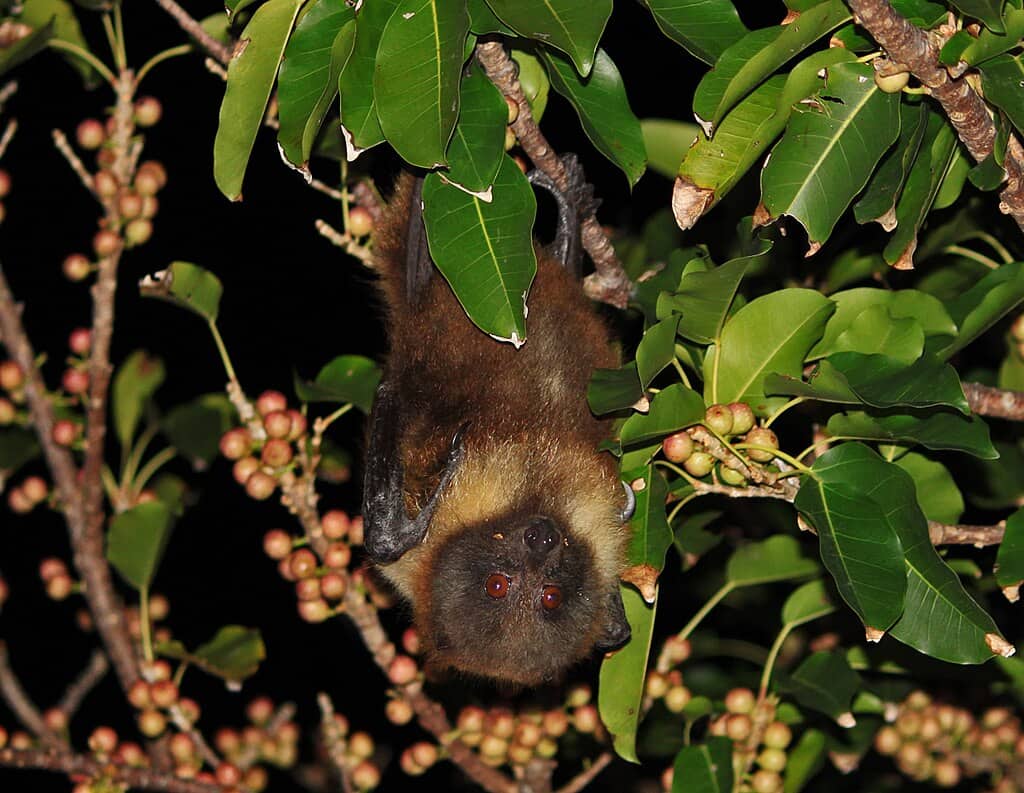
Bats help ecosystems both as pollinators and as pest control.
Beyond their scientific intrigue, tube-nosed bats play vital ecological roles as insect-eaters, pollinators, and seed dispersers. Protecting them means protecting the ecosystems they help sustain. As researchers continue to catalog the Philippines’ bat fauna, they hope their work will inspire both conservation and curiosity.
“We currently feel confident that there are at least 82 species of bats in the Philippines; as my best guess, I think that someday we will recognize at least 110,” Heaney notes. “To get there, a lot of field work will be needed, and a lot of people doing the meticulous lab work that is required.”
What began as a search for specimens in remote forests has become something greater: a celebration of life’s hidden diversity, revealed through decades of dedication and collaboration. With Halloween around the corner, these elusive, nocturnal creatures remind us that the world still holds mysteries worth chasing—even in the dark.