
Purring is a traditional sign of cat contentment, but recent research has shown that there is a lot more to it than that. The unmistakable sound is made by muscles contracting and relaxing within the cat’s larynx that dilate and constrict the glottis. As the cat breathes in and out, a sound is emitted. Purring is likely controlled by a part of the cat’s brain called the neural oscillator. Interestingly, studies of cat behavior have shown that purring is more than just a signal of happiness. However, cat communication has not been researched as much as that of dogs, so there is still much that we do not know.
Why Do Cats Purr?
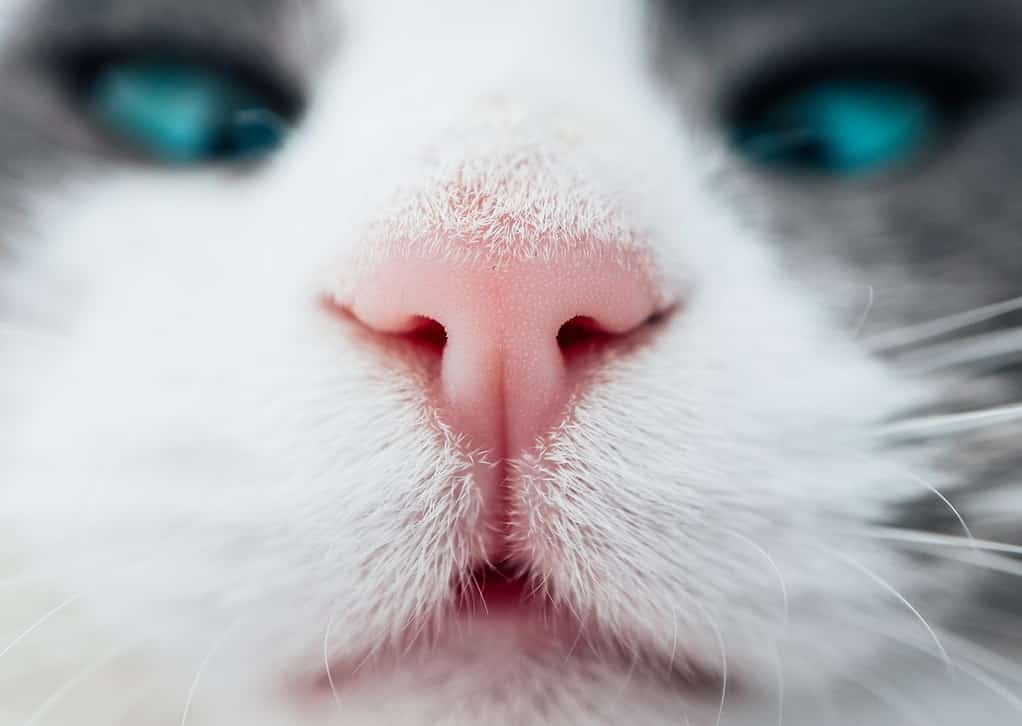
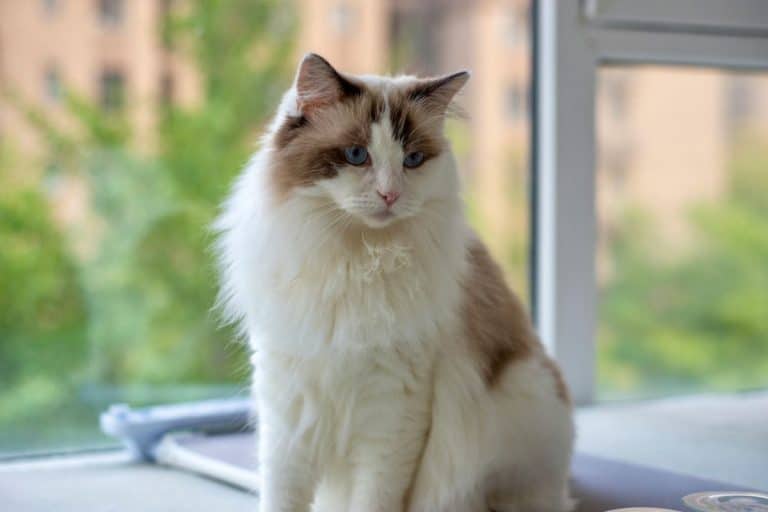
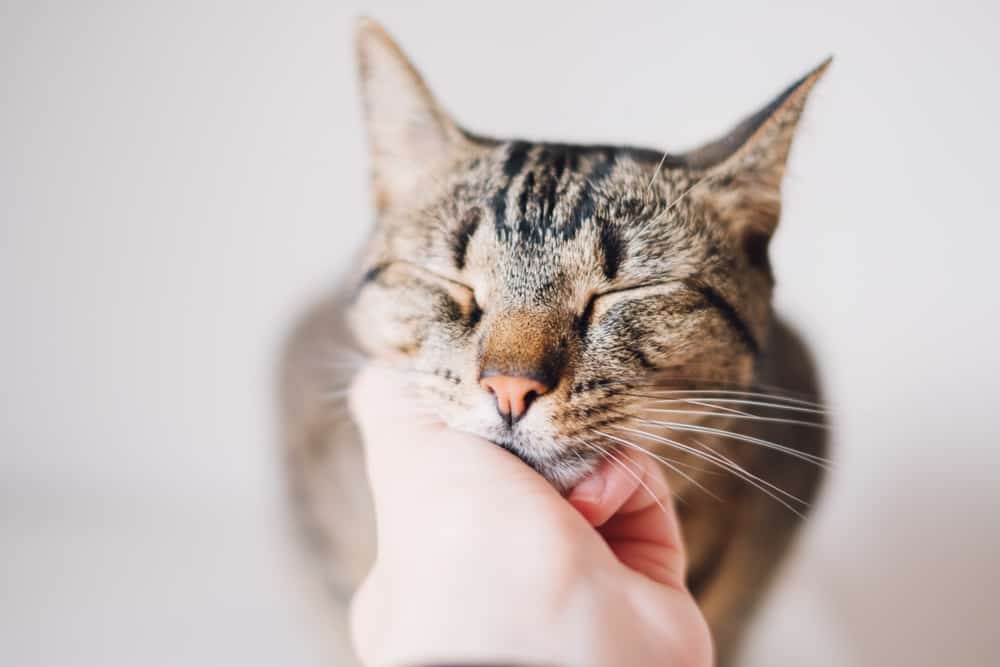
Cats communicate with purrs.
©Foxartbox/Shutterstock.com
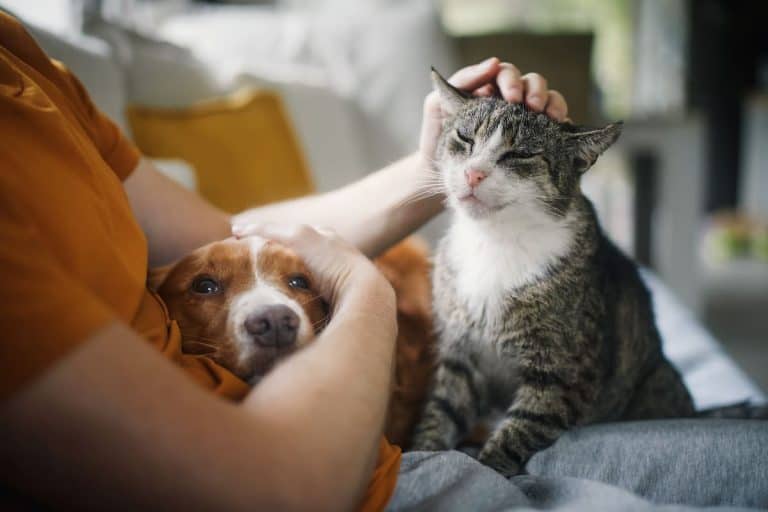
Most of the time, when cats purr, it conveys happiness, but it can also be triggered by fear and stress. Purring is also likely used by cats to convey appeasement. It is a form of communication used by cats as they groom each other. But cats also purr when they are with humans or when there are no people around.
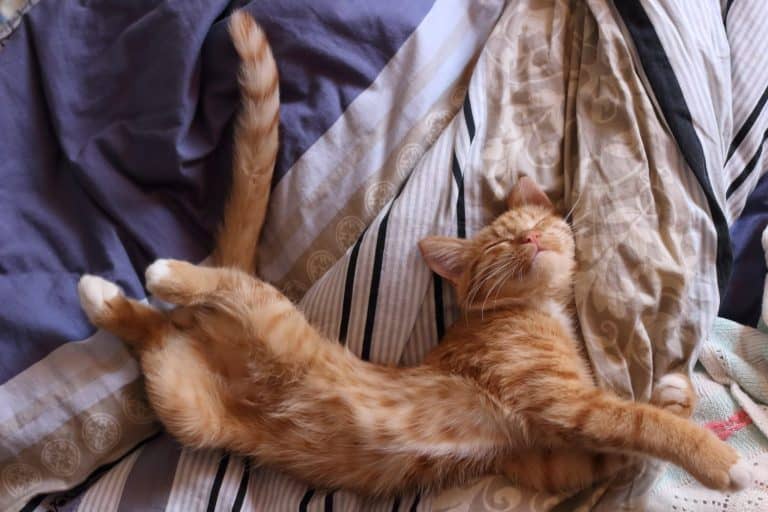
Kittens purr so that their mothers can locate them to feed them. This may explain why some cats purr both before dinner time and when they are being fed. Some cats purr loudly as they are investigating something new. Others purr after a stressful episode as a form of self-soothing. One theory is that purring has a healing effect on the cat. The frequency of purring vibrations (20Hz up to 150Hz) has been hypothesized to promote bone growth and aid tissue healing. Cats may also purr to keep their bodies in good condition as they snooze.
Overall, purring serves multiple purposes for cats. It is likely used for communication with both other cats and humans and as a way to heal themselves psychologically and physically.