
Welcome to our guide on the top perennial flowers for Iowa! Whether you’re an experienced gardener or just starting out, this article is here to help you create a stunning and long-lasting garden in the heart of the Hawkeye State. Discover the best blooms that can thrive in Iowa’s climate and add beauty to your outdoor space year after year.
What is a Perennial?
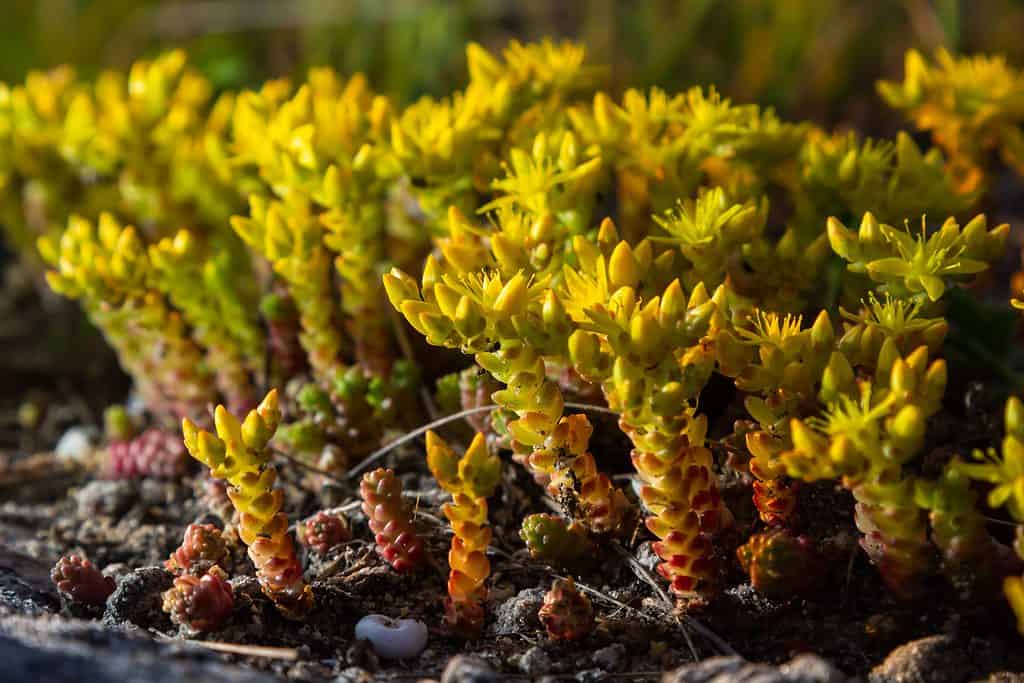
The definition of a perennial plant is one that lives for longer than two years.
©olko1975/Shutterstock.com
A perennial plant is a type of plant that lives for more than two years. This means that, unlike annuals, perennials do not complete their life cycle within a single growing season. Perennials can live for many years and, in some cases, may even live indefinitely.
Perennials are often divided into two main types: herbaceous and woody. Herbaceous perennials are those that live for two or more years but die back to the ground in winter. Examples of herbaceous perennials include daylilies, hostas, and sedums. Woody perennials, on the other hand, retain their woody stems throughout the winter. Trees and shrubs are examples of woody perennials.
Perennials are a great choice for landscaping and gardening because they provide reliable color and interest year after year. Many perennials also require minimal care and maintenance once they are established. Furthermore, perennials can be easily divided and transplanted, making them a cost-effective choice for landscaping.
Planting Zones in Iowa
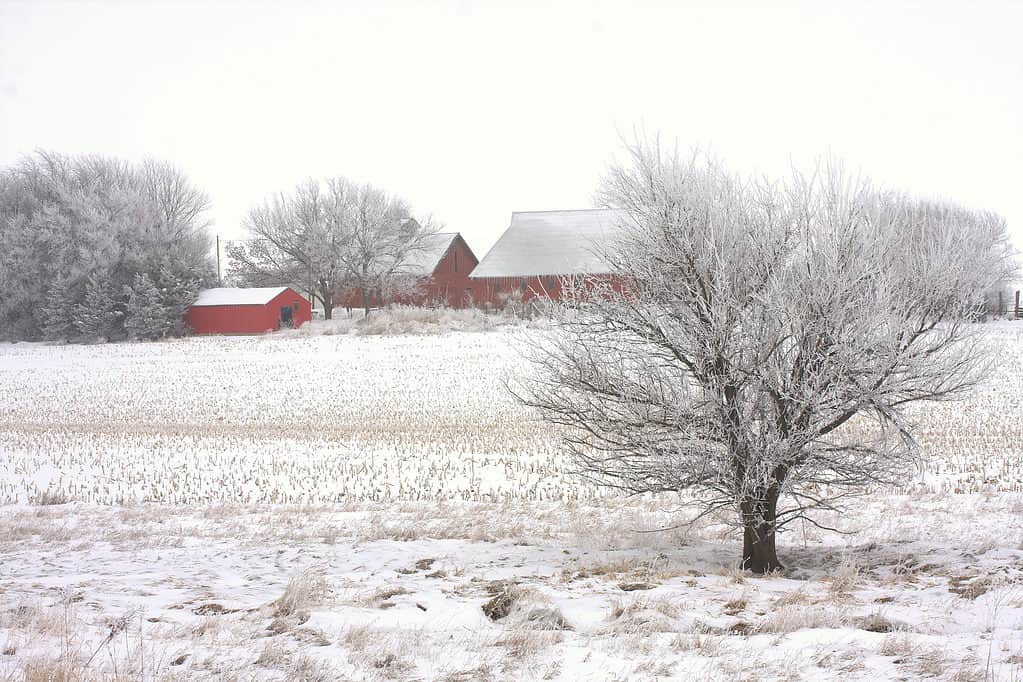
West-central Iowa is chilly in the winter.
©iStock.com/DarcyMaulsby
Northern Iowa falls into USDA Hardiness Zone 4b. This zone has a winter temperature range from -25° F to -20°F. The southern part of Iowa is in zone 5a. This zone has a winter temperature range from -20°F to -15°F.
Late summer or early fall is an excellent time to plant many perennials in Iowa. The cooler temperatures and ample rainfall provide optimal conditions for establishing root systems before winter sets in. Additionally, this time of year allows for the opportunity to move or divide existing perennials like peonies, daylily, garden phlox, and coneflowers. This will ensure their health and encourage future growth. Plus, dividing gives you free plants. And who doesn’t love free plants?
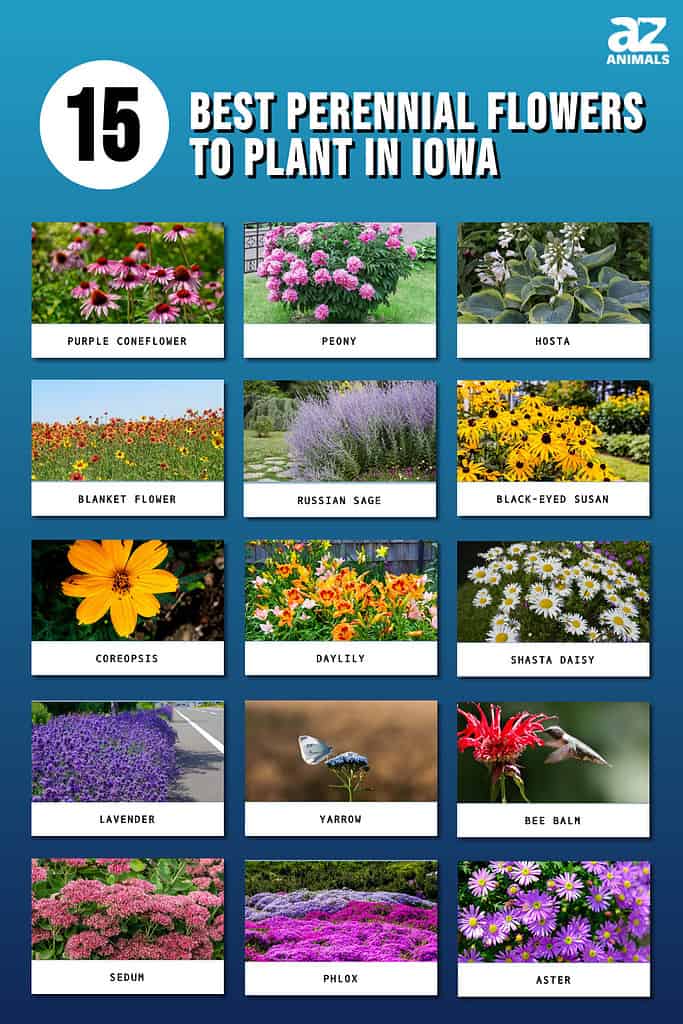
Purple Coneflower
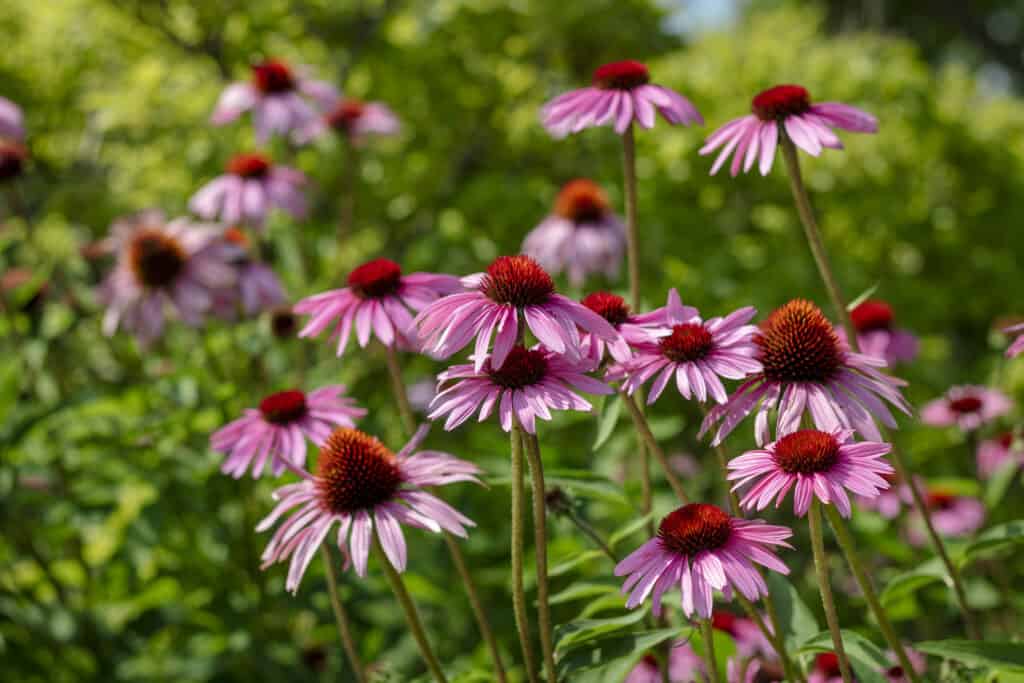
Echinacea is beautiful, medicinal, and an attractor of pollinating insects.
©iStock.com/Air Footy
The purple coneflower (Echinacea purpurea) is a beautiful flowering plant native to the United States. It has long been used as an herbal remedy, and its showy blossoms make it a popular choice for gardens.
When plant purple coneflower is best done in the spring or early summer when the soil is workable, and the risks of frost have passed. It will take a few weeks for the seeds to germinate, and you can expect to see blooms by late summer or early fall.
It is important to remember that purple coneflower needs plenty of sunshine to thrive. Plant it in an area that receives full sun for at least 6-8 hours per day for best results.
The purple coneflower is easy to care for and can be a stunning addition to any garden. With proper planting and care, you can soon be enjoying this beautiful flower in all its glory.
Blanket Flower
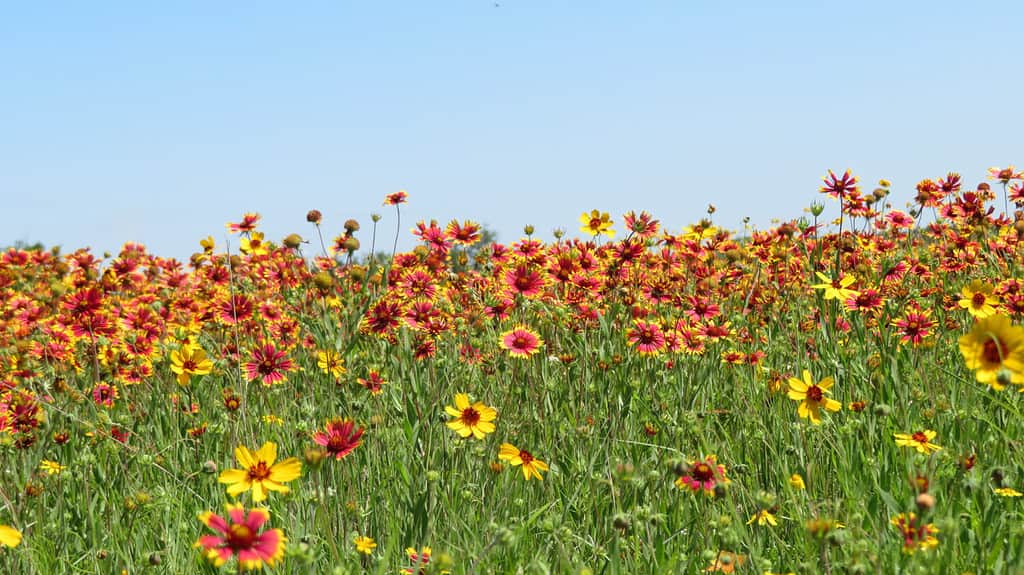
Many Iowa gardeners love the beautiful blanket flower.
©Donna Milner/Shutterstock.com
Blanket flower (Gaillardia pulchella) is an annual flower that is easily grown from seed and can be planted in spring or summer. It has bright, daisy-like, single, or double flowers in shades of yellow, orange, or red. The flowers bloom from summer through fall and are attractive to butterflies and other pollinators.
For best results, blanket flowers should be planted in a sunny location with well-draining soil. It thrives in hot, sunny conditions and is drought-tolerant. Deadheading spent blooms will encourage more flowers to form throughout the season.
Blanket flower is ideal for adding color to gardens, borders, or containers. It also works well in mass plantings or as an edging flower. It is deer resistant and easy to care for. Planting blanket flowers will bring bright colors to your garden for the entire summer and fall seasons.
Russian Sage
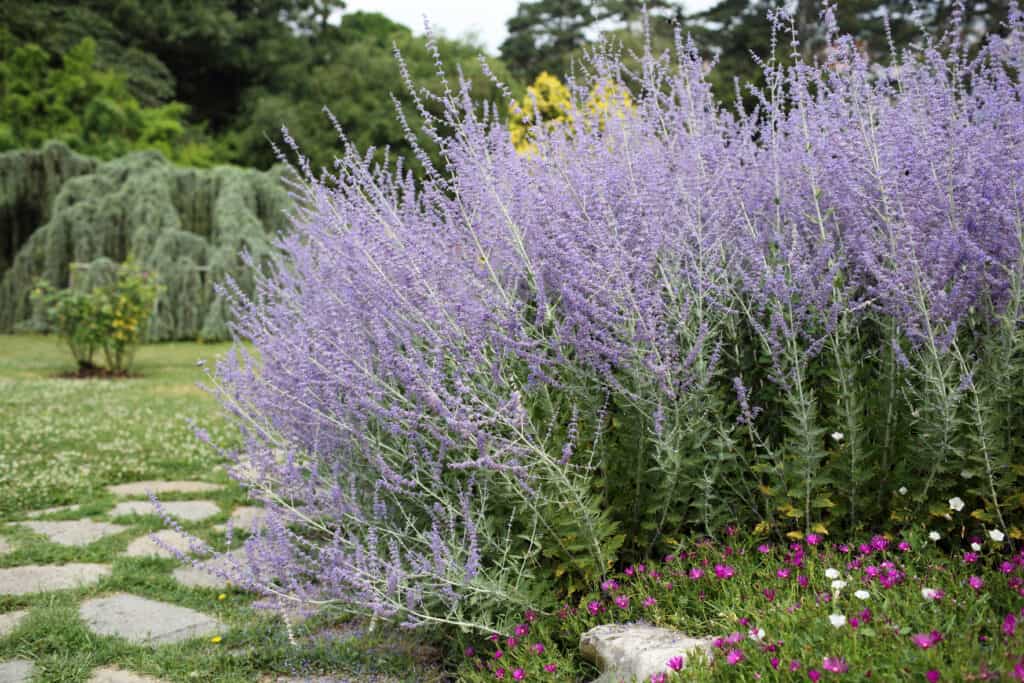
Despite its name, Russian sage actually comes from the steppes and hills of Asia.
©iStock.com/loflo69
Russian sage is an attractive perennial shrub with fragrant grey-green leaves and tall stalks of showy purple flowers. It is a hardy plant that is drought-tolerant and requires little care once established. When planting Russian sage, it is best to do so in the spring or fall when temperatures are mild. If planted in the summer, it should be done in the morning hours, and the plant should be watered regularly.
Russian sage loves the sun and should be planted in a spot with at least 6 hours of direct sunlight each day. Once planted, you can expect blooms of purple flowers to appear from late summer to early fall. Russian sage is a beautiful addition to any garden and is sure to bring color and texture to your landscape.
Black-Eyed Susan
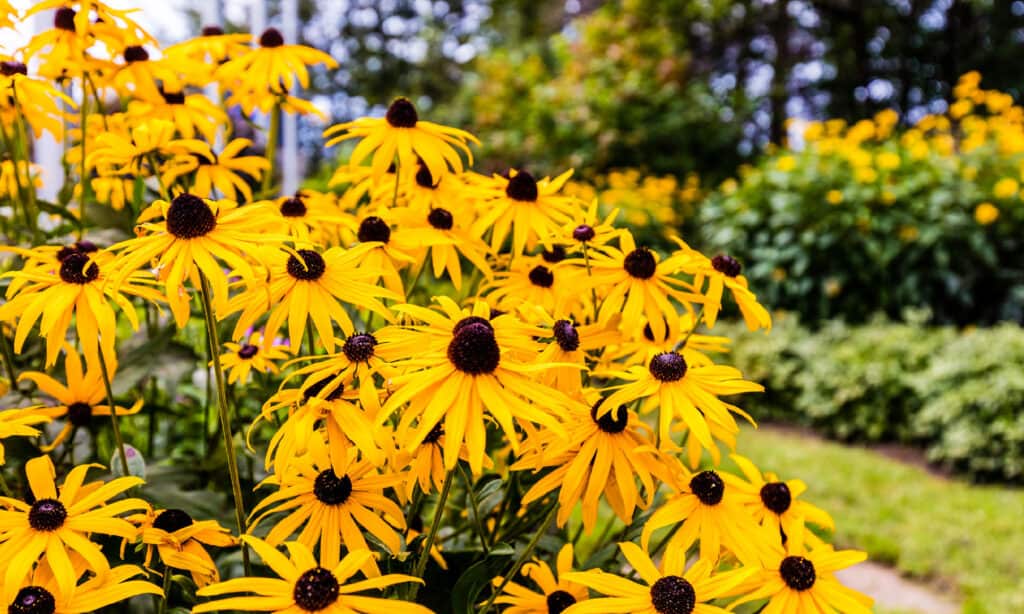
The black-eyed Susan is a perennial for Iowa that will come back year after year.
©iStock.com/Dopeyden
Black-eyed Susan is a beautiful flower that adds a vibrant splash of color to any garden. It is a perennial for Iowa, meaning it will come back each year, and can be planted in the early to mid-spring. The flowers will bloom from mid-summer through early fall.
While the plant can tolerate some shade, it does best in full sun. Planting it in an area that receives at least 6 hours of direct sunlight a day will ensure a healthy plant and plenty of flowers. With the proper care, you can enjoy the beauty of this beloved flower for many years.
Coreopsis
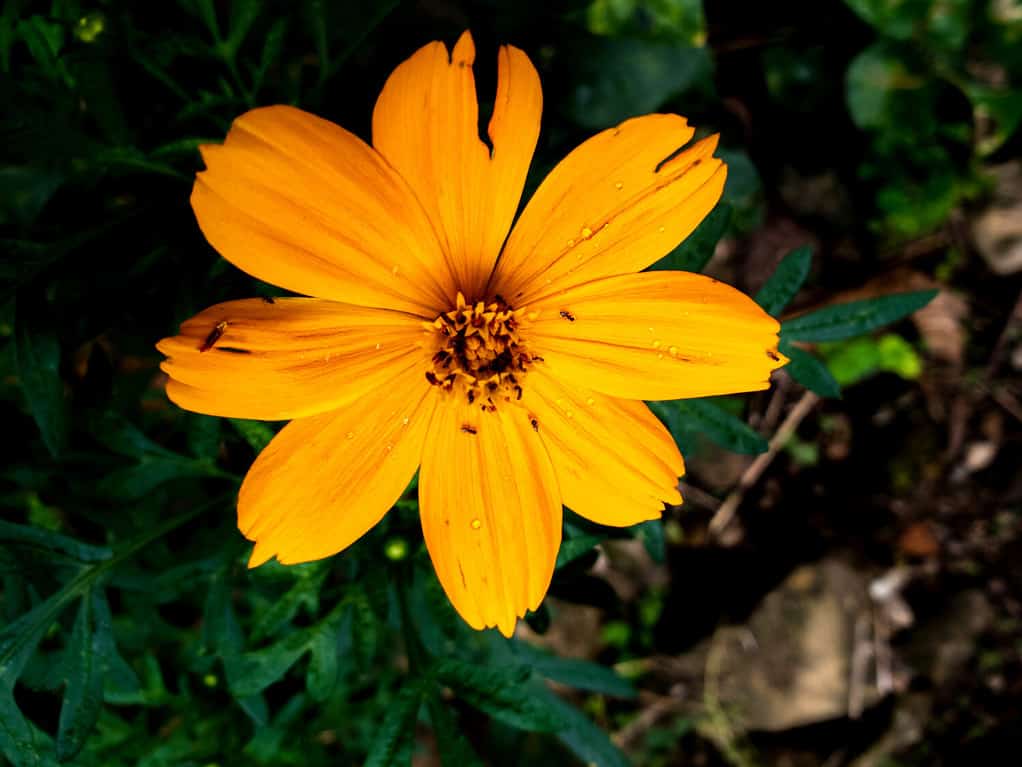
Tickseed is another name for coreopsis.
©tunggadewi/Shutterstock.com
Coreopsis is a bright and cheerful flowering plant that can bring a burst of color to any garden! They prefer dry, well-drained soils and full sun. When planting, make sure to space them 18-24 inches apart.
Coreopsis should be planted in the spring or fall, with blooms appearing in late spring or early summer. They are low maintenance and will continue to bloom throughout the summer if deadheaded. Coreopsis is a great choice for gardeners of all skill levels and is sure to make your garden shine!
Daylily
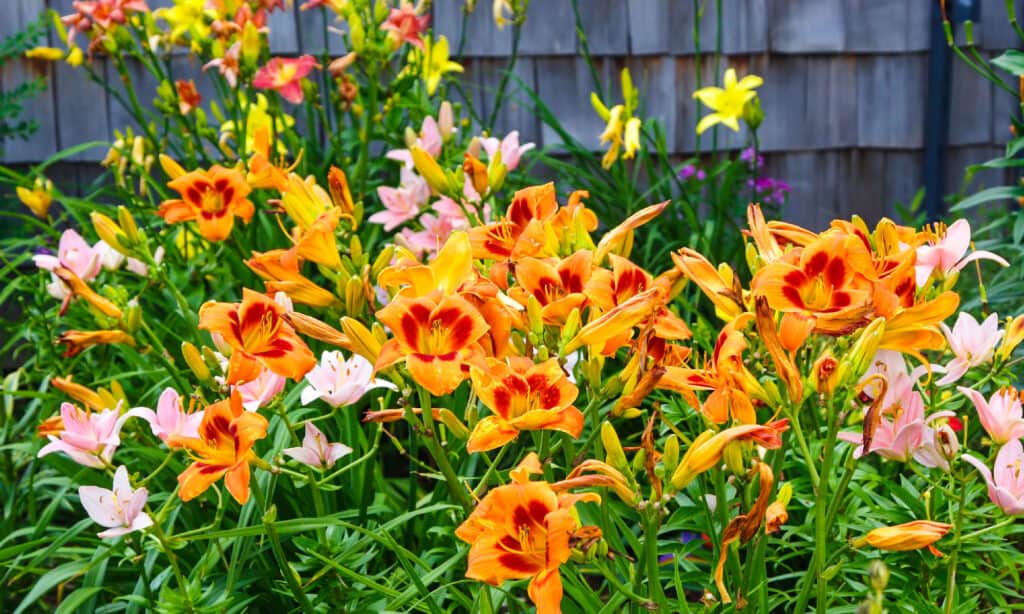
Did you know that daylily flowers only bloom for one day?
©iStock.com/onepony
Daylilies are popular perennial flowers that are easy to grow and require minimal maintenance. They come in a variety of colors, sizes, and shapes, making them an attractive addition to any garden. The best time to plant daylilies is in the spring, and they typically bloom in mid-summer.
To get the best blooms, daylilies require at least 6 hours of direct sunlight per day. They also need to be planted in well-draining soil and watered regularly. With the right conditions, daylilies will reward you with beautiful blooms year after year.
Shasta Daisy
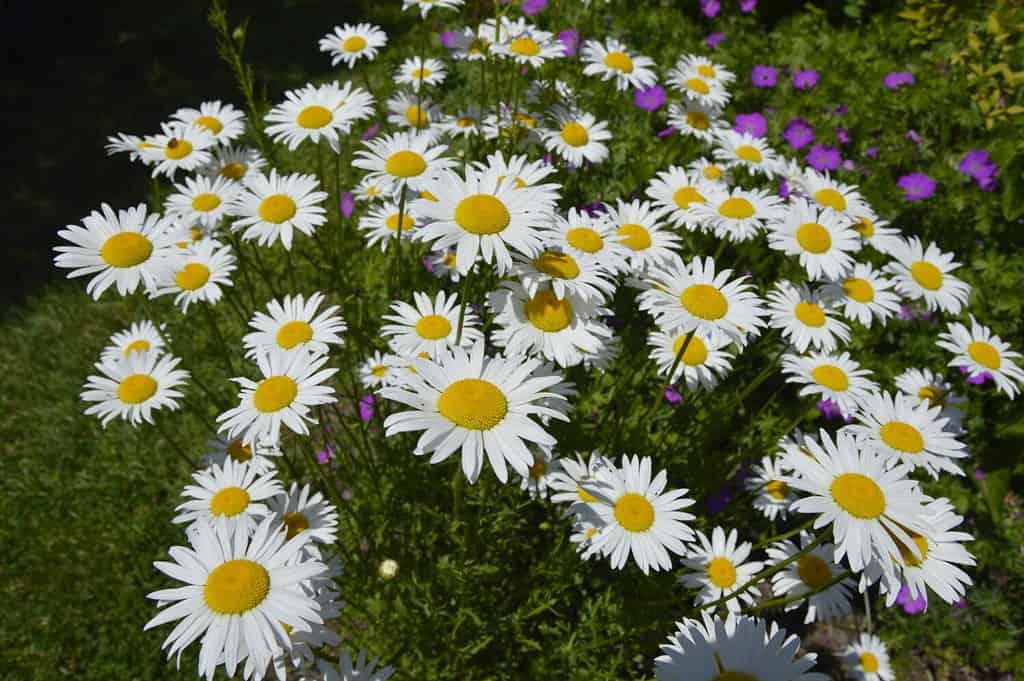
The simple but beautiful Shasta daisy is an iconic sign of summer in bloom.
©Heeji Choi/Shutterstock.com
The Shasta daisy is a beautiful, low-maintenance flower that is perfect for any garden. They are hardy and easy to care for, and they bloom in the summer months with beautiful white petals. The best time to plant a Shasta daisy is in the spring, and they will bloom in the summer months. It is important to give them plenty of sun, so plant them in an area that gets at least 6 hours of direct sunlight each day. With proper care and the right amount of sun, Shasta daisies are a great perennial flower for Iowa.
Lavender
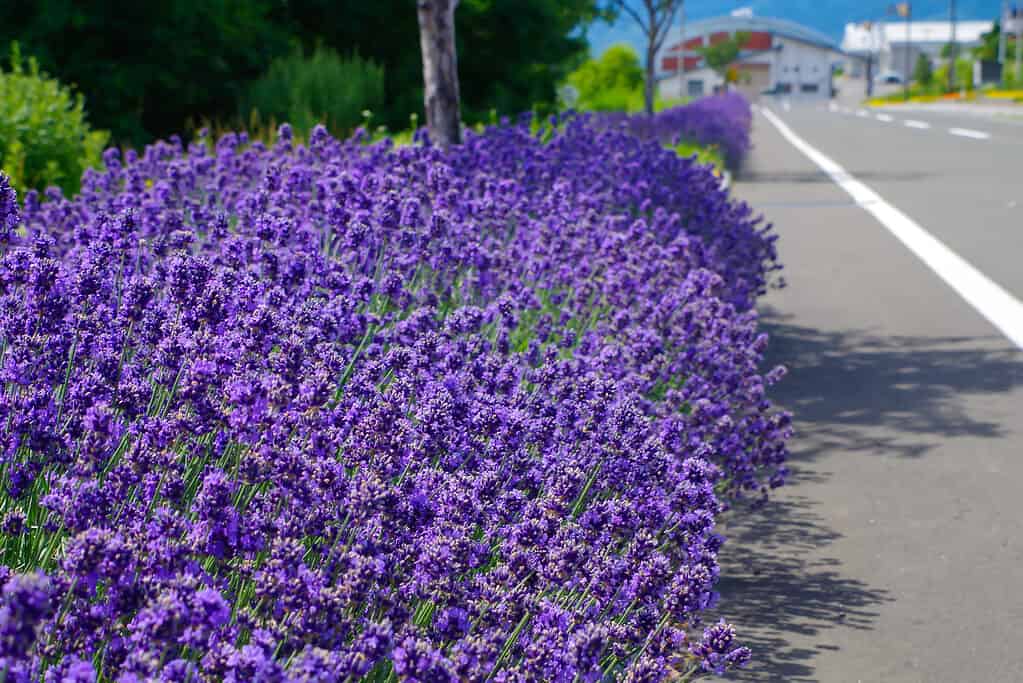
English lavender Hidcote (Lavandula angustifolia) is a dark purple perennial for Iowa.
©ajisai13/Shutterstock.com
Lavender is a fragrant, drought-tolerant shrub that is popular in gardens. It is a hardy perennial that can be planted in spring or fall. When planted in spring, it typically blooms in the summer and can be harvested in late summer or early fall. When planted in the fall, it will bloom in the following spring.
Lavender prefers a sunny spot in the garden and thrives in well-drained soil. It can tolerate some shade, but it will not produce as many blooms. Planting lavender in an area with good air circulation will help reduce the risk of fungal diseases.
Lavender is an easy-to-care-for plant that can provide a lovely fragrance and color to any garden. Planting it in the right spot and providing it with the right amount of sun and water will ensure it thrives for many years.
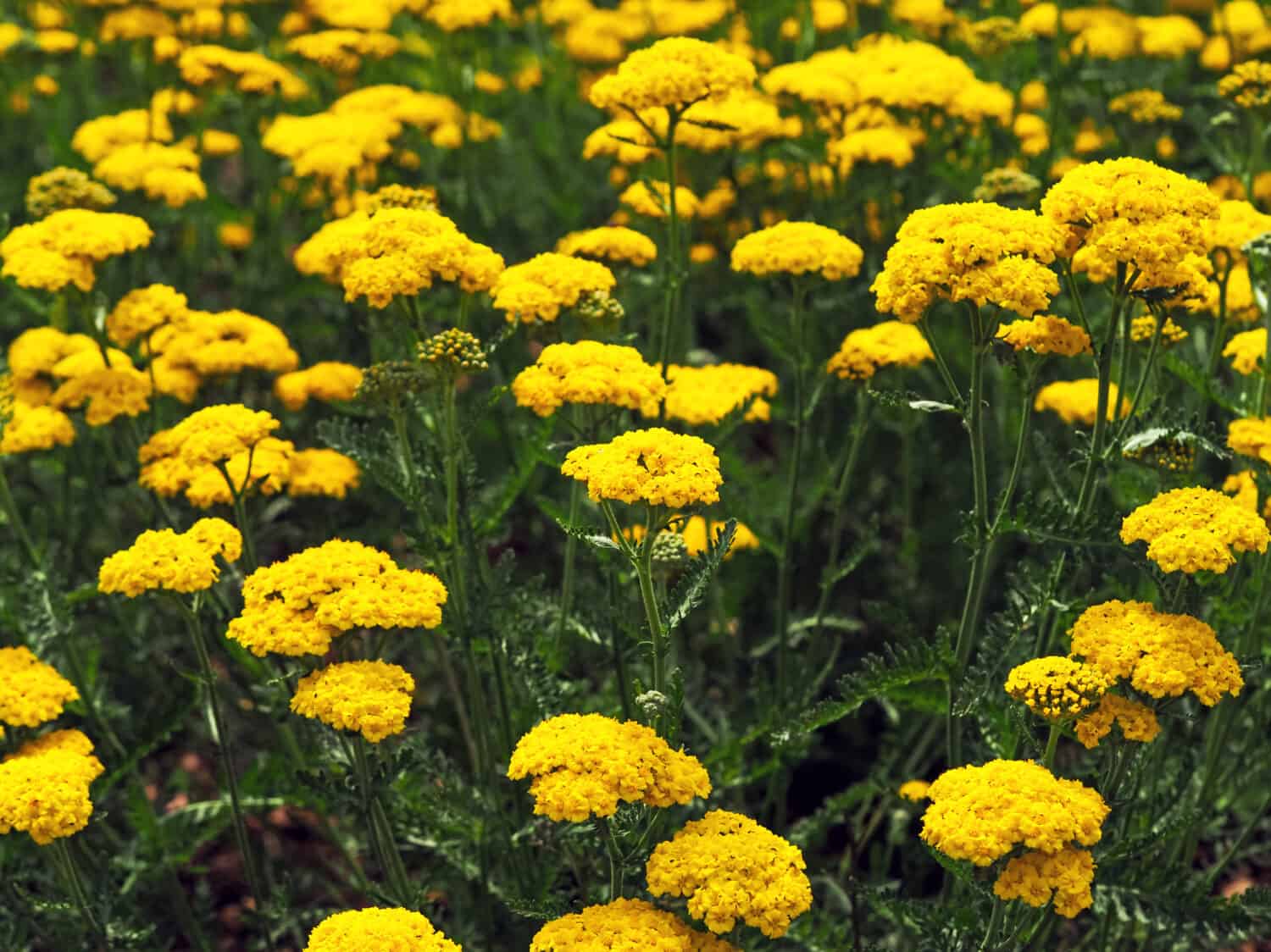
Yarrow
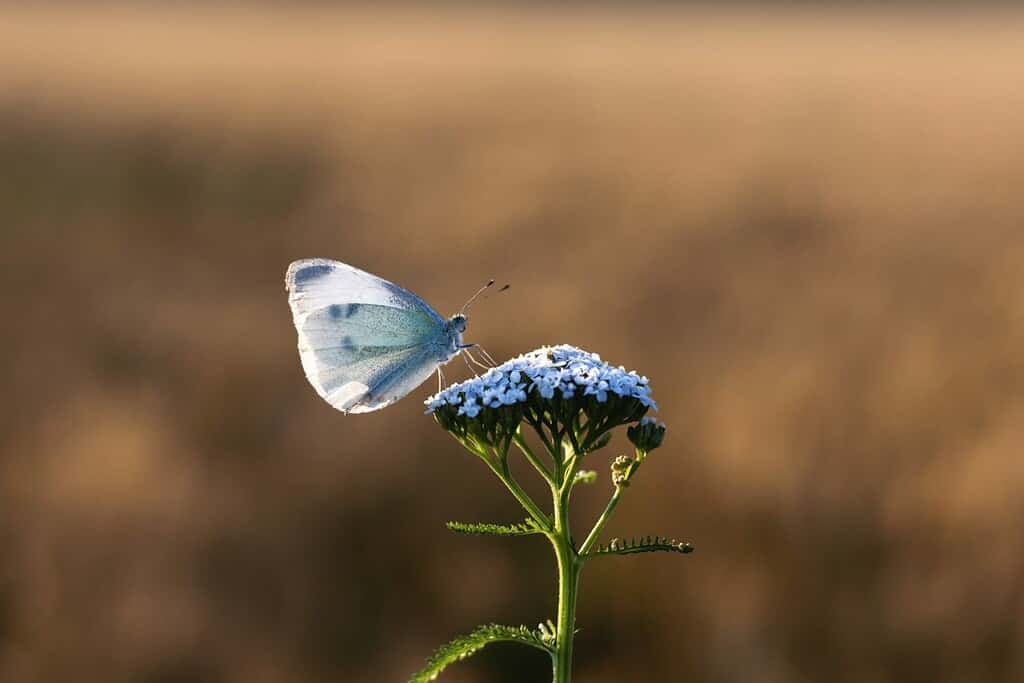
If you love pollinators, plant yarrow!
©Elisabeth B/Shutterstock.com
Yarrow is an easy-to-grow perennial flower that can be planted in early spring or late fall. It prefers full sun and will produce a colorful bloom in mid-summer. Yarrow is a great choice for attracting pollinators like bees, butterflies, and hummingbirds. It is drought-tolerant and deer-resistant, making it an ideal choice for many gardens. Yarrow can also be grown indoors in a container. Yarrow is a versatile flower that can be used in beds, borders, and containers. It is a great addition to any garden for its color and ability to attract pollinators.
Bee Balm
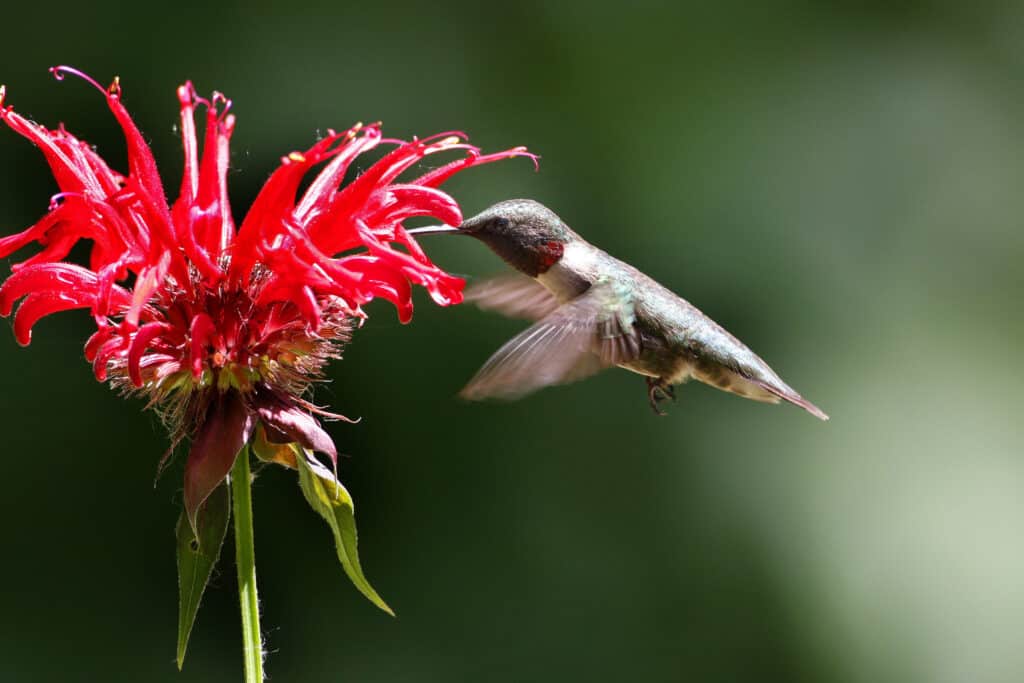
Hummingbirds love the taste of bee balm nectar.
©Chris Alcock/Shutterstock.com
Bee balm is a beautiful flowering herb that is easy to grow and can be used to attract pollinators to your garden. Plant bee balm in the spring when the soil is warm and moist for best results. You can expect blooms within a few weeks, and they will usually last until late summer. Bee balm prefers full sun and can tolerate partial shade. It will attract pollinators such as bees, butterflies, and hummingbirds. Planting bee balm in your garden is a great way to add a pop of color and provide nourishment for pollinators.
Sedum
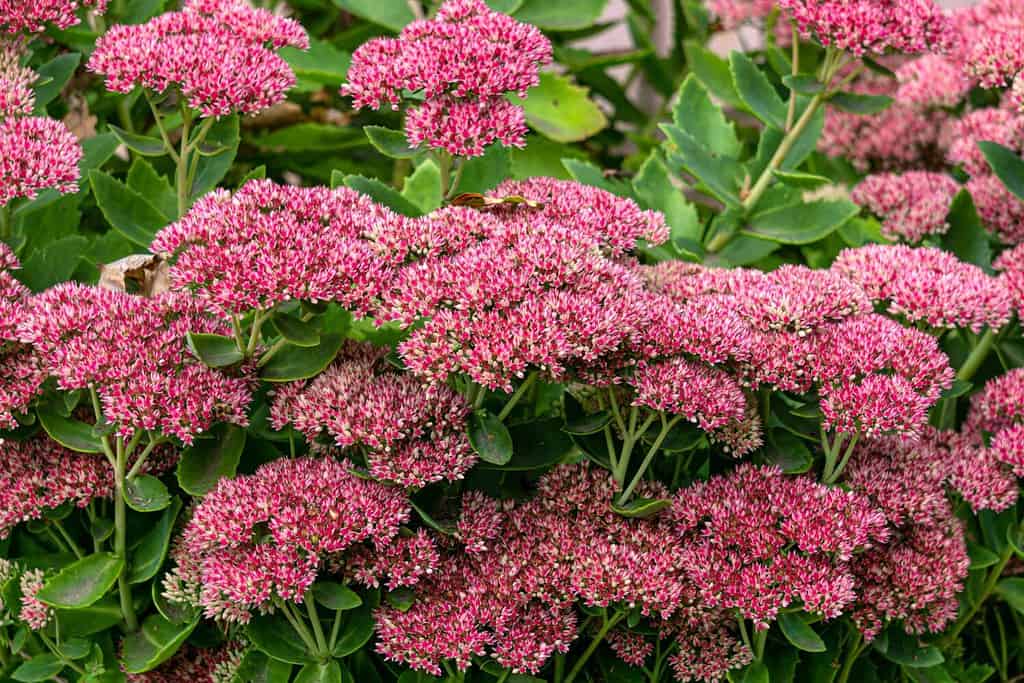
If you want a great rock-garden perennial for Iowa, sedum might be for you!
©Obraz/Shutterstock.com
Sedum is an excellent choice for gardeners looking for a hardy, low-maintenance plant. It can be planted in full sun or partial shade, making it ideal for a variety of growing conditions. Plant sedum in the spring or fall and expect blooms to appear in the summer.
Pollinators such as bees, moths, and butterflies are attracted to the flower clusters of sedum, making it a great choice for encouraging biodiversity in the garden. Interestingly, the flowers of sedum are also edible, adding a unique taste to salads or other dishes.
Sedum is an easy-to-care-for perennial for Iowa, and with proper planting and care, it can be enjoyed for years to come. It’s also a great addition to rock gardens, as it is often used to cover the ground and is drought-tolerant.
Phlox
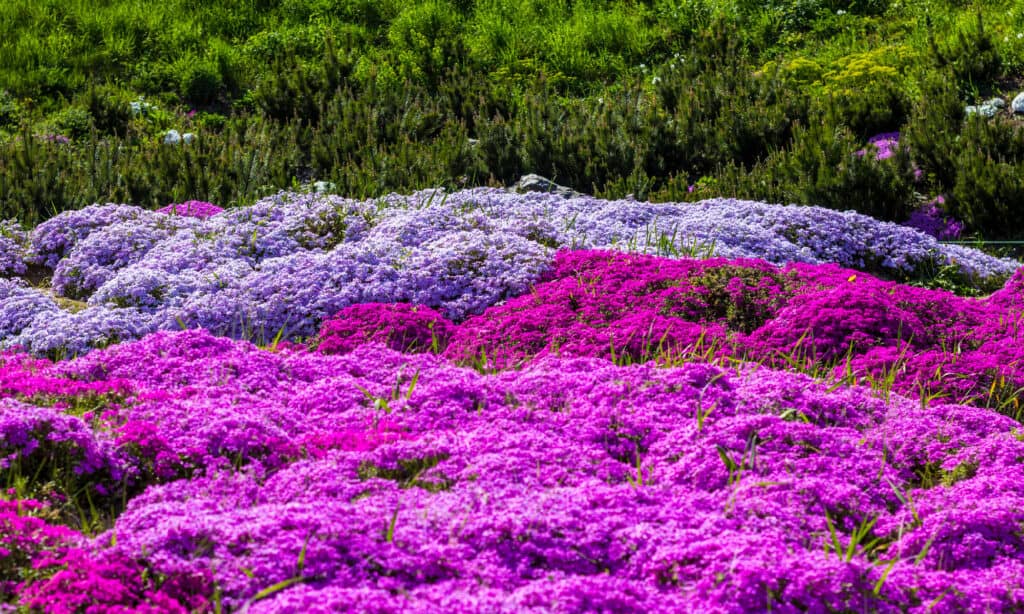
There are many different types of phlox, and they all do well in Iowa.
©iStock.com/MaYcaL
Phlox is a beautiful flowering plant that comes in a variety of colors. It’s a great addition to any garden and can be a low-maintenance flower. When planting phlox, it’s best to do so in the spring or fall. It generally takes a couple of months for the flowers to bloom.
Phlox prefers full sun and will bloom more profusely with more sun exposure. It also attracts a variety of pollinators, such as bees, butterflies, and hummingbirds. With the right conditions, phlox will be a beautiful addition to any garden.
Aster
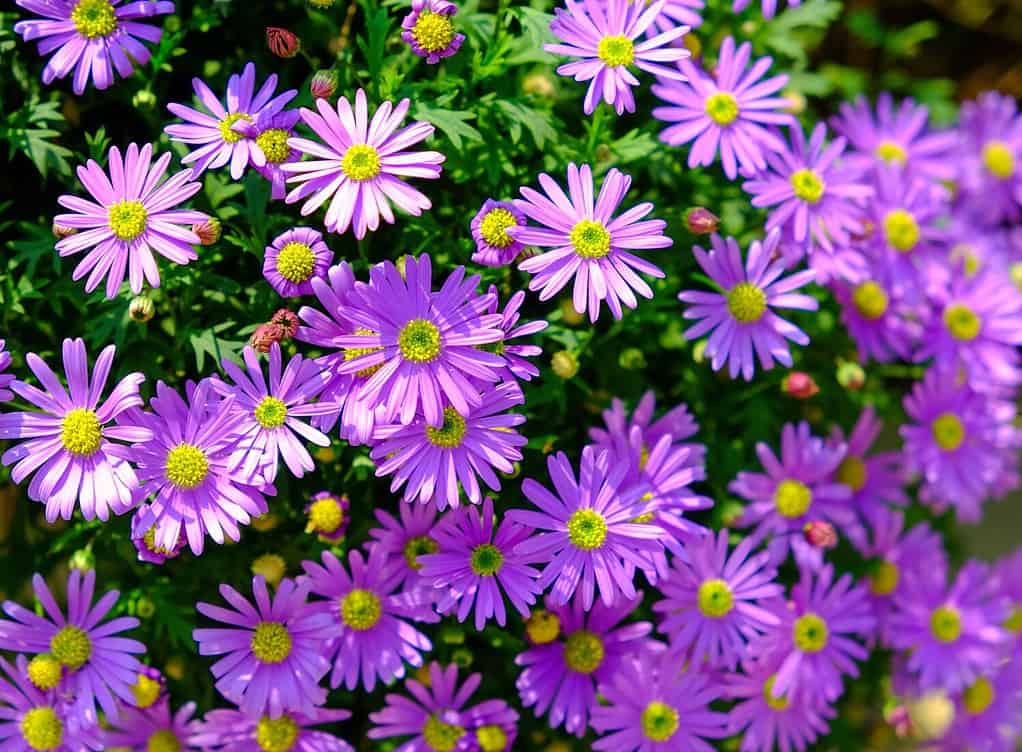
For a brilliant splash of fall color consider planting asters.
©Linhsiaowei/Shutterstock.com
Asters are beautiful flowering plants that are perfect for adding a splash of color to Iowa gardens. They are easy to grow and do well in many climates. When planting asters, it is best to do so in the early spring when the soil is still cool. The asters should bloom in the late summer or early fall. Asters require full sun for at least 6 hours a day for optimal growth. They also need excellent air circulation as they are prone to fungal disease.
Asters are a great source of nectar for a variety of pollinators, including bees, butterflies, and hummingbirds. Planting asters can help attract these creatures to your garden, creating a vibrant ecosystem of pollinators. Additionally, asters are incredibly resilient and can withstand colder temperatures. As such, asters are great perennials for Iowa to add late-season.
Peony
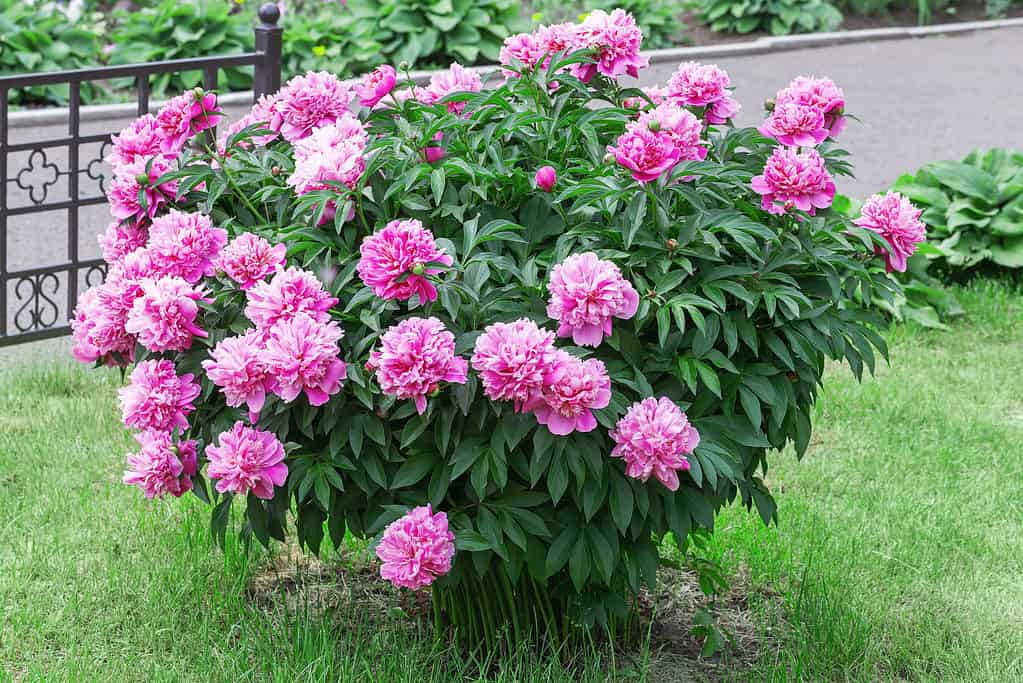
Depending on the variety, you can expect a bloom anywhere from May to June.
©iStock.com/yrabota
Peonies are beautiful flowers that can be planted in the fall. It is best to plant them a full six weeks before the ground freezes. Depending on the variety, you can expect a bloom anywhere from May to June. Peonies require direct sunlight for at least six hours a day to thrive.
In addition to their stunning beauty, peonies have a beneficial relationship with ants. Ants help promote the growth of peonies by carrying the pollen from the peony’s stamen to the pistil. The ants benefit from eating the sweet nectar drops of the peony.
Peonies are a popular flower for gardens and bouquets alike. With proper sunlight and care, they make excellent spring-blooming perennials for Iowa.
Hosta
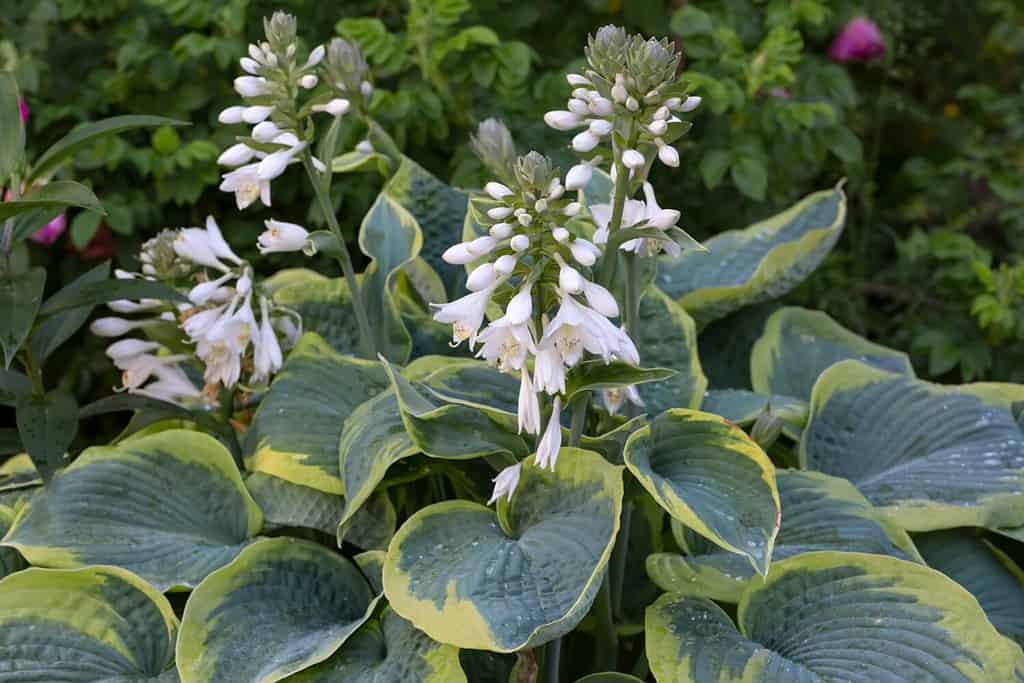
Did you know that beautiful hosta plants also flower?
©Summer 1810/Shutterstock.com
Growing hostas in Iowa can be a rewarding experience. The best time to plant hostas is typically in the spring when the soil is still cool and moist. You can also plant them in the fall after the heat of summer is over. Generally, you can expect to see hostas blooming between mid-summer and early fall.
When choosing a planting location for your hostas, it is important to keep in mind that they prefer partial shade. Too much direct sunlight may cause your hostas to wilt, so try to find a spot that receives a few hours of morning or late afternoon sun. Additionally, planting in well-drained soil is essential for keeping your hostas healthy and vibrant.
How to Divide a Perennial
Dividing a perennial plant is an essential task for gardeners looking to maintain the health and vitality of their flower beds. This process involves carefully separating the root clump of the plant into smaller sections, each with its own set of roots and foliage. By dividing perennials, not only can you rejuvenate older plants but also create new ones to expand your garden or share with fellow gardening enthusiasts.
To start, choose an appropriate time for division based on the specific needs of the perennial species. Most experts recommend performing this task in the fall or, sometimes, early spring. Be sure the plants are dormant or experiencing minimal growth. It’s important to note that some perennials may have different preferences regarding timing, so it’s always beneficial to research individual plant requirements beforehand.
Steps:
- Prepare the planting area by loosening the soil and adding compost before digging up the plant.
- Dig up the plant carefully, taking note of its root structure and any surrounding plants.
- Use a sharp knife or spade to divide the roots into sections, making sure each section has a healthy amount of roots.
- Replant each section in the prepared soil, making sure the roots are covered completely.
- Water the newly planted sections thoroughly.
- Ensure that the soil around the planted sections is kept moist.
- Monitor the planted sections to ensure they are accepting their new environment.
- After the sections have taken root, fertilize the soil to encourage healthy growth.