
If you think October is too late to get stuff in your garden, think again. North Carolina sits in growing zones five through eight and offers a mild climate for mid to late-fall planting of certain crops. In fact, the sunny days and chilly nights of North Carolina autumns are perfect for many plants that would otherwise wither in the summer heat. Check out these nine best things to plant in North Carolina in October if you want to enjoy fresh food all winter.
1. Kale
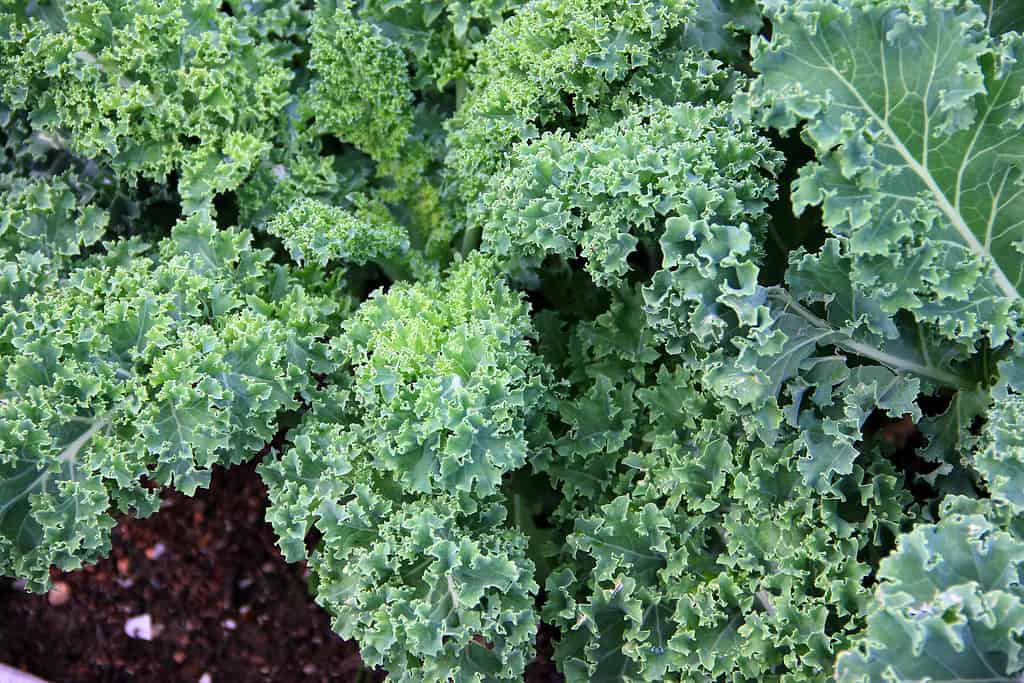
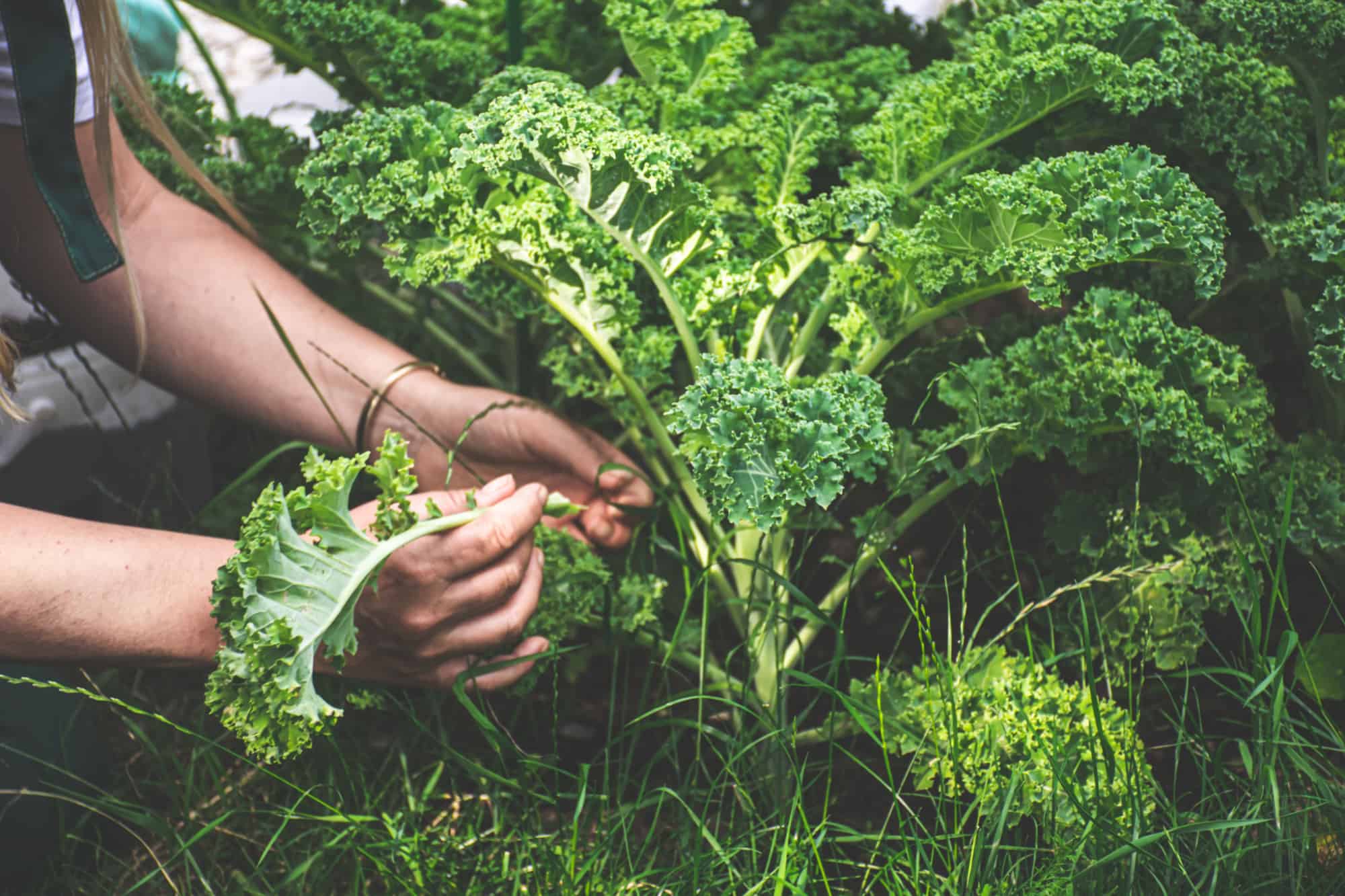
Kale is one of the best things to plant in North Carolina in October
©lauraag/ via Getty Images
In North Carolina, you can start your kale seeds indoors around mid-July to early August and transplant them into the ground no later than early October. With this schedule, you can harvest your kale around mid-November. These plants grow rapidly and do best when matured before the summer or after the fall frosts. Be sure to transfer your seedlings into the ground and keep them at least 12 inches apart.
2. Broccoli
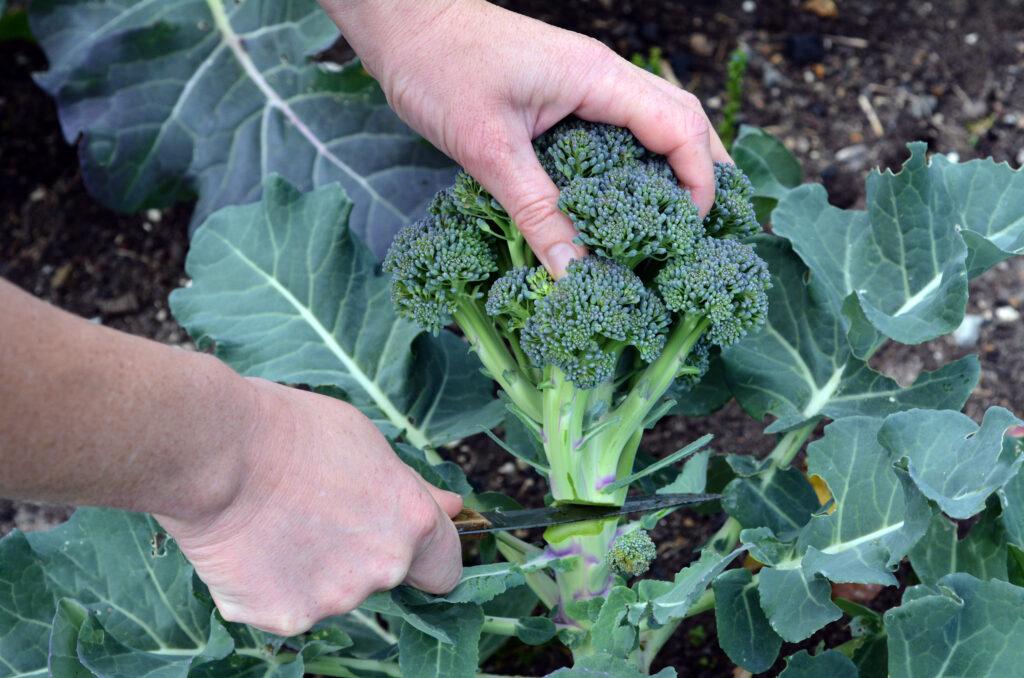
You can transplant broccoli after four to six weeks of germinating
©ChameleonsEye/Shutterstock.com
Depending on your location, you should start broccoli seeds indoors from early July to early September and transfer them into the ground between mid-August and early October. You can then harvest them from mid-October to late-November. You will know your broccoli is ready to be transplanted if they’ve germinated for four to six weeks and have between four and five leaves.
3. Brussel Sprouts
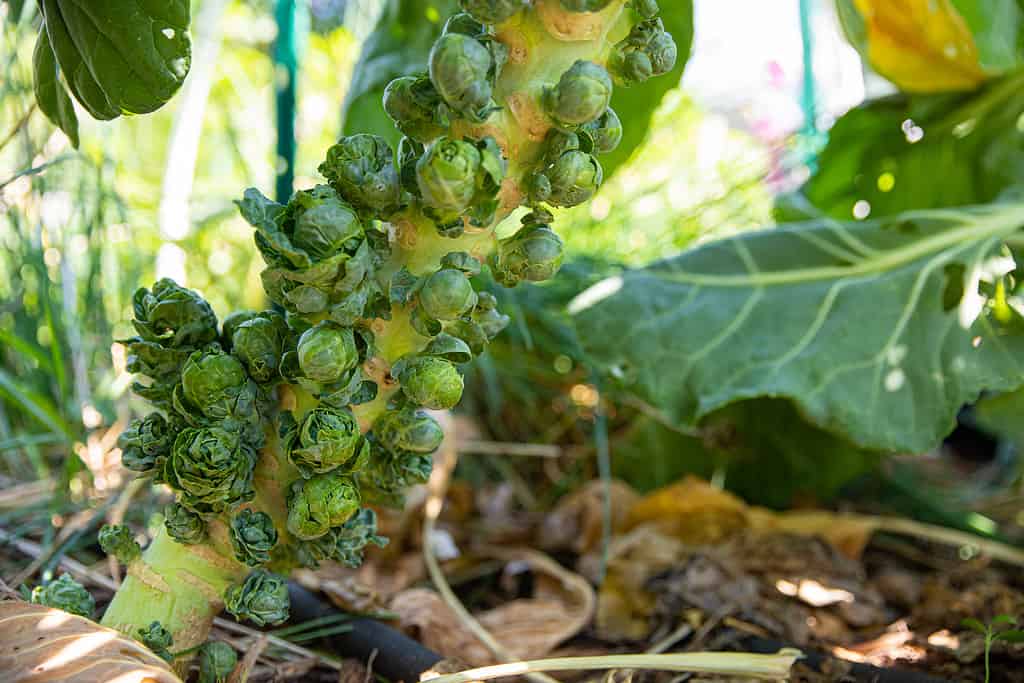
Brussel sprouts should be grown earlier if capable
©Dave Litterio/iStock via Getty Images
You can begin germinating your brussel sprout seeds from early April to early June and transplant them between mid-June and very early October. You can then harvest them from late August to late October, with drastic variations depending on your exact location. Be careful not to wait too late to get your seedlings in the ground. For growing zones five through eight, earlier transplanting is best for a fall crop.
4. Beets
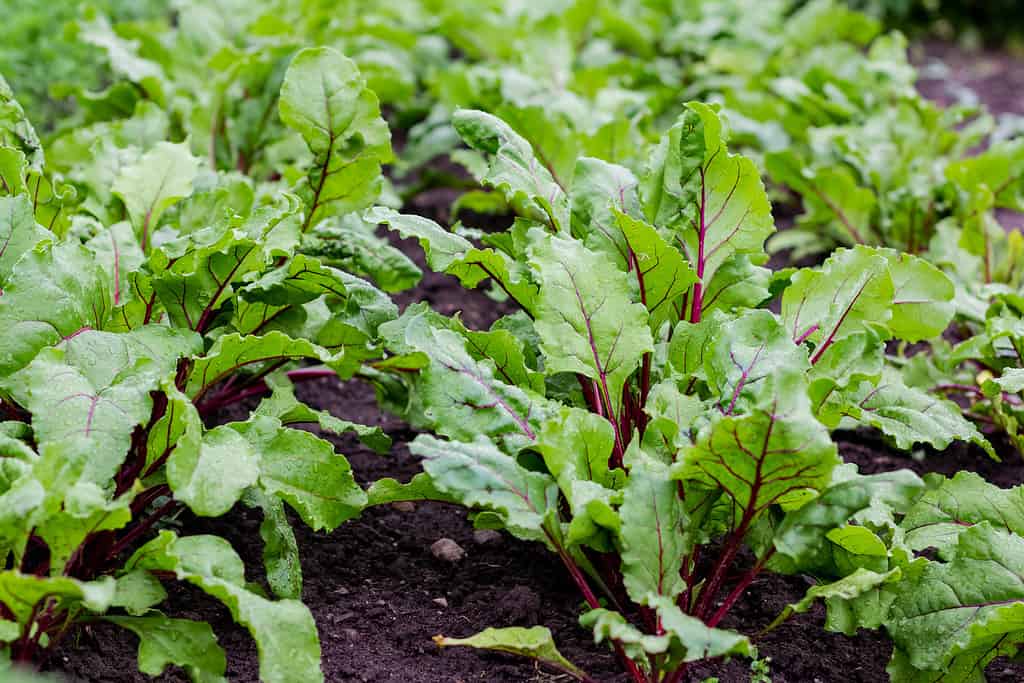
Beets are an excellent fall crop in North Carolina
©irkus/ via Getty Images
North Carolinians can begin their seeds indoors from mid-July to late August and bring their seedlings into the ground by late August to mid-October. Depending on your growing zone, you can harvest beets between mid-October and mid-November. Beets do well either sown directly into the soil or transplanted, and they like cooler weather with a two or three-inch layer of compost.
5. Carrots
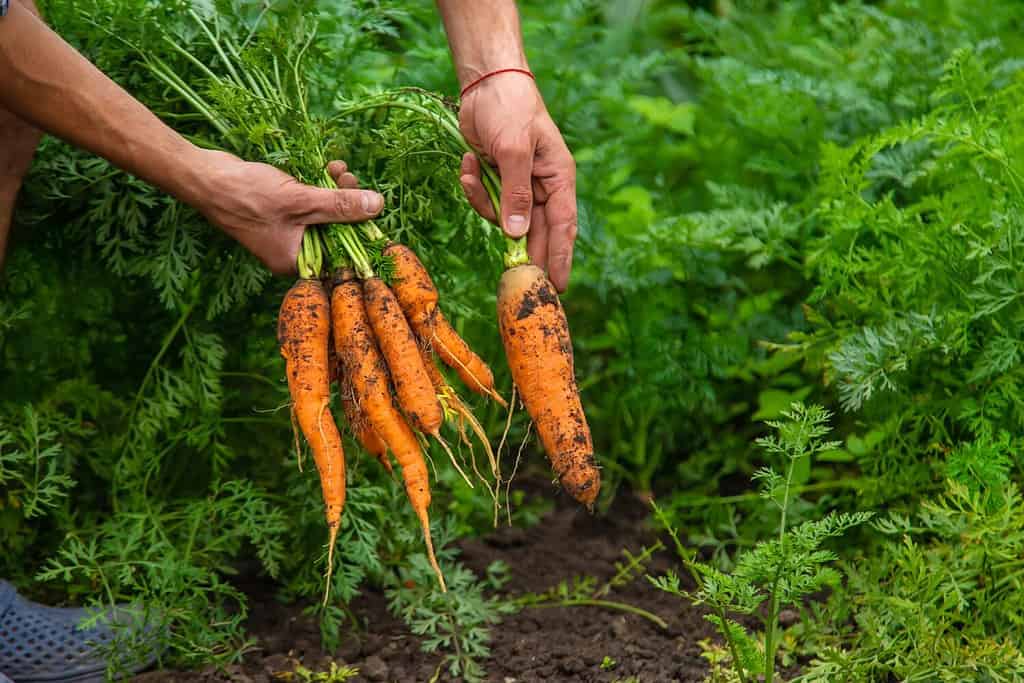
Carrots have two growing seasons in North Carolina
©Tatevosian Yana/Shutterstock.com
With two growing seasons in North Carolina, there is plenty of time to enjoy fresh carrots throughout the year. For a fall crop, you should begin your seeds early to mid-August and transplant them into the ground between early September and mid-October. Depending on when you start them, you can harvest carrots by early October to mid-November. Be sure to gently water your seedlings once they get into the ground to help them transition.
6. Cauliflower
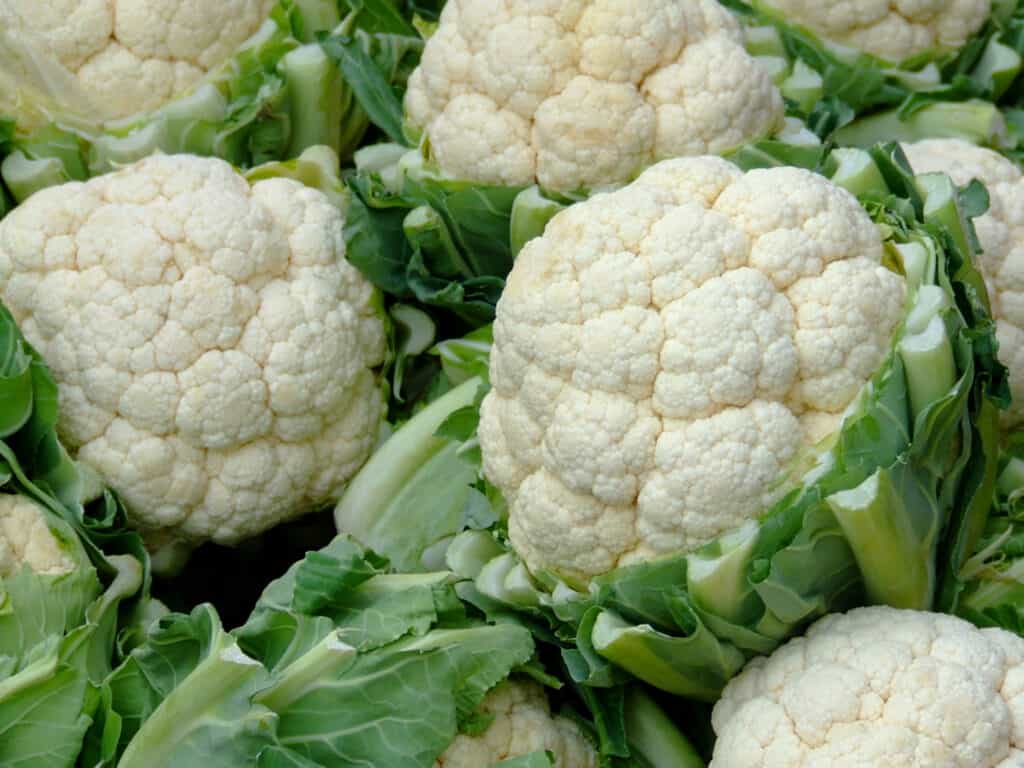
Cauliflower can be started between mid-April and mid-August
©iStock.com/Baloncici
For a fall crop, cauliflower should be started from mid-April to mid-August and transplanted between mid-July and late October. The time frames vary greatly due to the location. Those in zone eight can take advantage of a later growing period, while those in zone five will need to get theirs in the ground earlier. Growers in zone six should refrain from planting cauliflower in the fall, instead, begin seeds in early March and harvest by mid-June. When transplanting your cauliflower seedlings, place them in beds or flats.
7. Cabbage
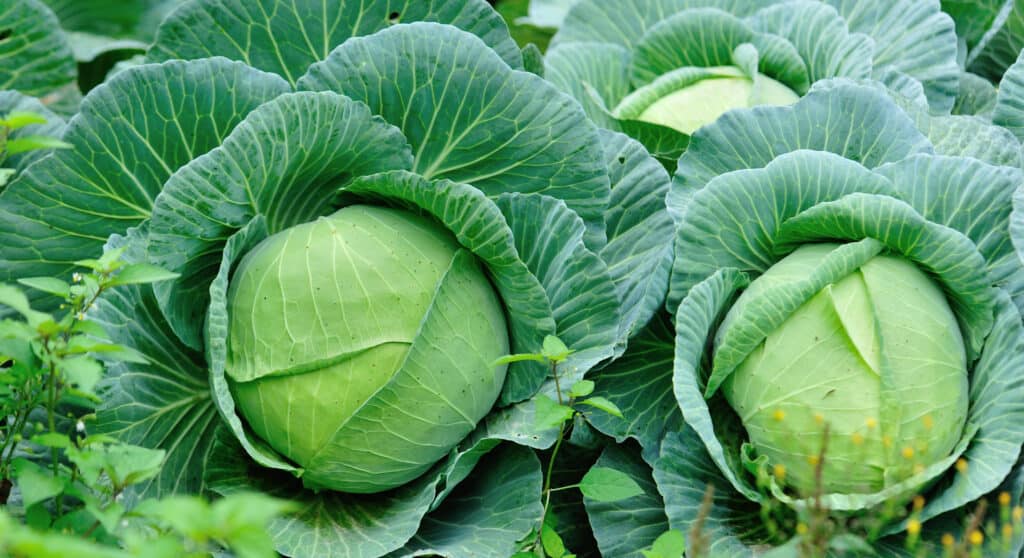
You can harvest cabbage from early October to mid-November
©iStock.com/lzf
Cabbage is an excellent fall crop with a more lenient timeframe in North Carolina. Begin your indoor seeds between mid-April and mid-August and transplant them by mid-July to mid-October. They should be ready for harvesting from early October to mid-November. Fall cabbage will need to be placed in rows around two feet apart.
8. Spinach
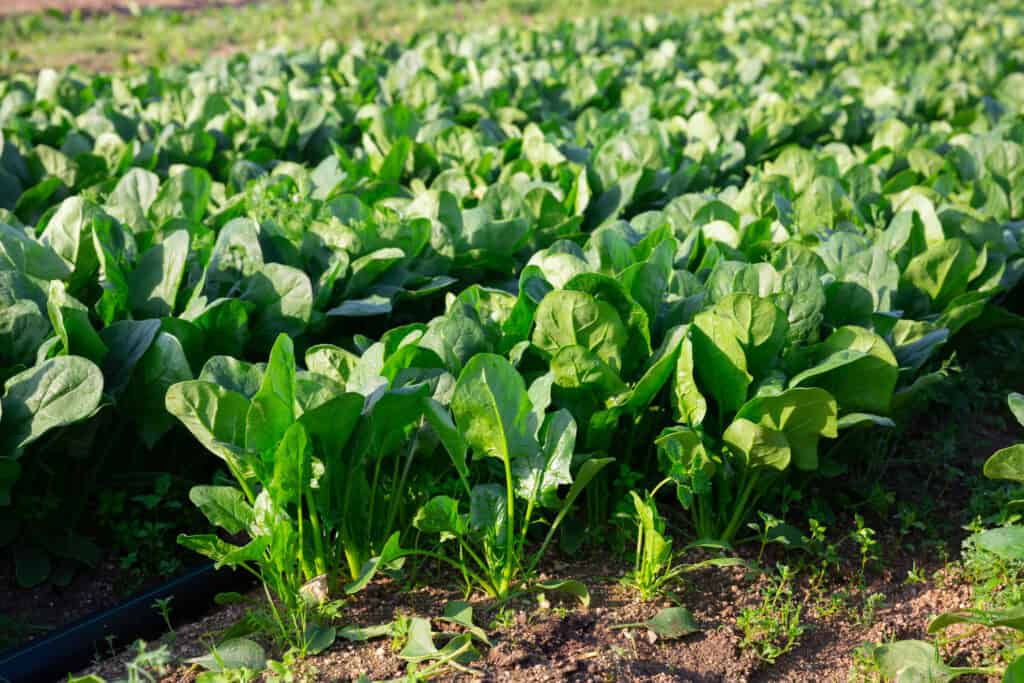
Select early maturing cultivars for fall spinach
©iStock.com/JackF
Spinach is another favorite fall crop that you can start indoors by mid-July to mid-September and transplant between early August and late October. You can harvest spinach from late October to late November, depending on your location. Be sure to select early maturing cultivars for fall spinach and preferably plant them 50 to 75 days before the anticipated maturity date.
9. Peas
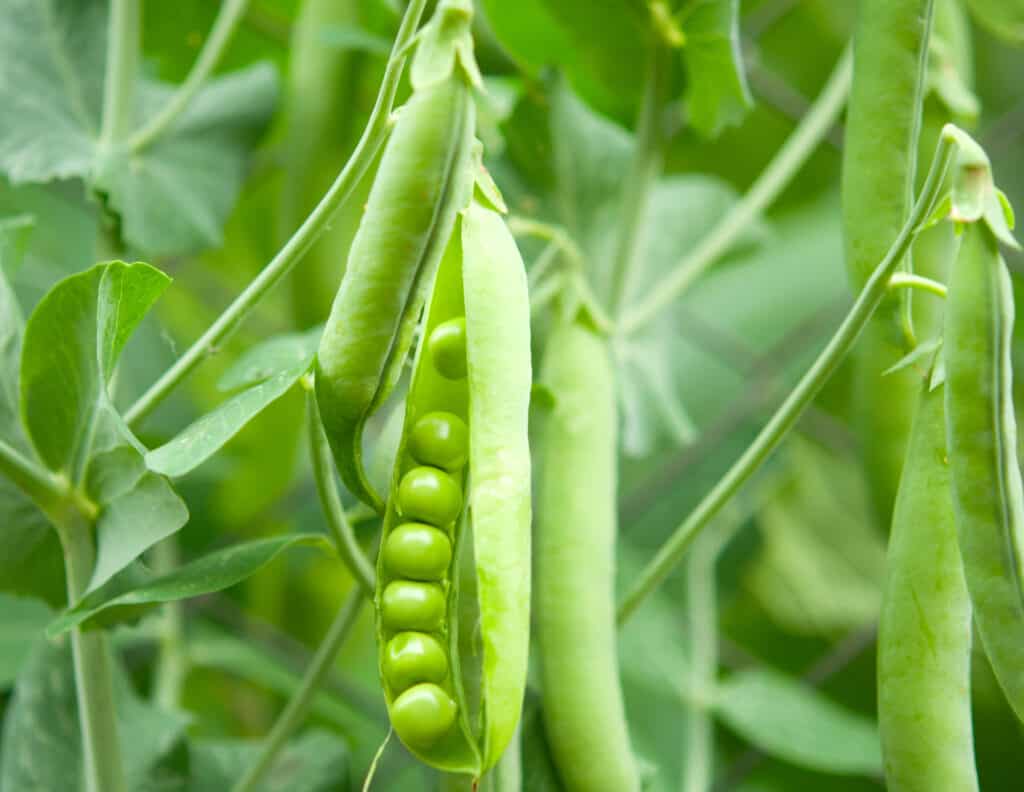
Don’t change the soil too much when transplanting peas
©iStock.com/ksena32
While you may think of peas as more of a spring vegetable, you can also plant and harvest them in the fall. Start your pea seeds from mid-July to early September and get them in the ground between late August and mid-October. You can harvest your peas from mid-October to mid-November. For the best transplant success, ensure the old soil is as close as possible to any new soil you use, then make a hole just big enough to drop them into.
A Recap of the 9 Best Things to Plant in North Carolina in October
| Number | Best Things to Plant in North Carolina in October |
|---|---|
| #1 | Kale |
| #2 | Broccoli |
| #3 | Brussel sprouts |
| #4 | Beets |
| #5 | Carrots |
| #6 | Cauliflower |
| #7 | Cabbage |
| #8 | Spinach |
| #9 | Peas |