
Otters are remarkable creatures, known for their adorable looks, playful personalities, and intelligence. They inhabit lakes, rivers, and seas throughout the world, navigating their environments with strong tails and webbed feet. A layer of dense fur keeps them warm in the winter, and their unique teeth are adapted to their varied diet. Though these cute mammals seem quite innocent, they are actually skilled predators.
Awareness surrounding the ecological importance of otters is on the rise. Researchers are continually learning more about these fascinating animals, from why they carry a favorite rock, to the strength of their bite and dental anatomy, to their evolving feeding strategies.
In this slideshow, we cover everything you’d ever want to know about otter teeth, including how many they have, different types, and which foods they are best suited for. You’ll learn how otters hunt, if they’ve ever bitten humans, and just how powerful their jaws truly are. Click through the slides to learn more about these cute animals.
Aquatic Mammals Worldwide

©Reinhold Leitner/Shutterstock.com
- Otters inhabit most continents, except Australia and Antarctica.
- These aquatic mammals are intelligent and highly social.
- They are well adapted to water.
Adaptations for Life in the Water

©Cloudtail_the_Snow_Leopard/ via Getty Images
- Otters have webbed feet and strong tails that help them swim efficiently.
- Their ears and noses can close to keep water out.
- They have the densest fur of any animal, which keeps them warm in cold water.
Otter Hunting Skills

©Kirsten Wahlquist/Shutterstock.com
- Otters are skilled hunters, feeding on crustaceans, fish, and reptiles.
- To secure and consume their prey, they rely on sharp teeth and strong jaws.
Tools for Survival

©Christopher Tan Teck Hean/Shutterstock.com
- Otters have a variety of teeth for different dietary choices, with sharp teeth for fish and crushing teeth for shellfish.
- Their bite is powerful, aiding in crushing types of prey.
River Otters
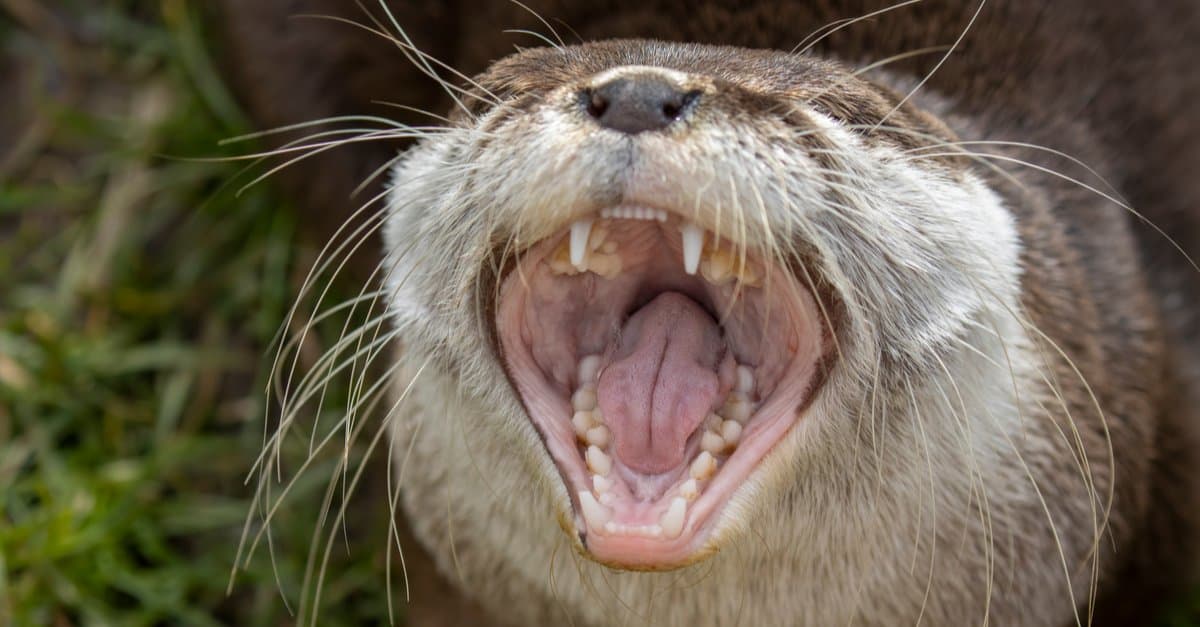
©Paul A Carpenter/Shutterstock.com
- River otters have 36 teeth suited for gripping slippery fish.
- Their teeth include incisors, canines, premolars, and molars designed for carnivorous feeding.
Sea Otters
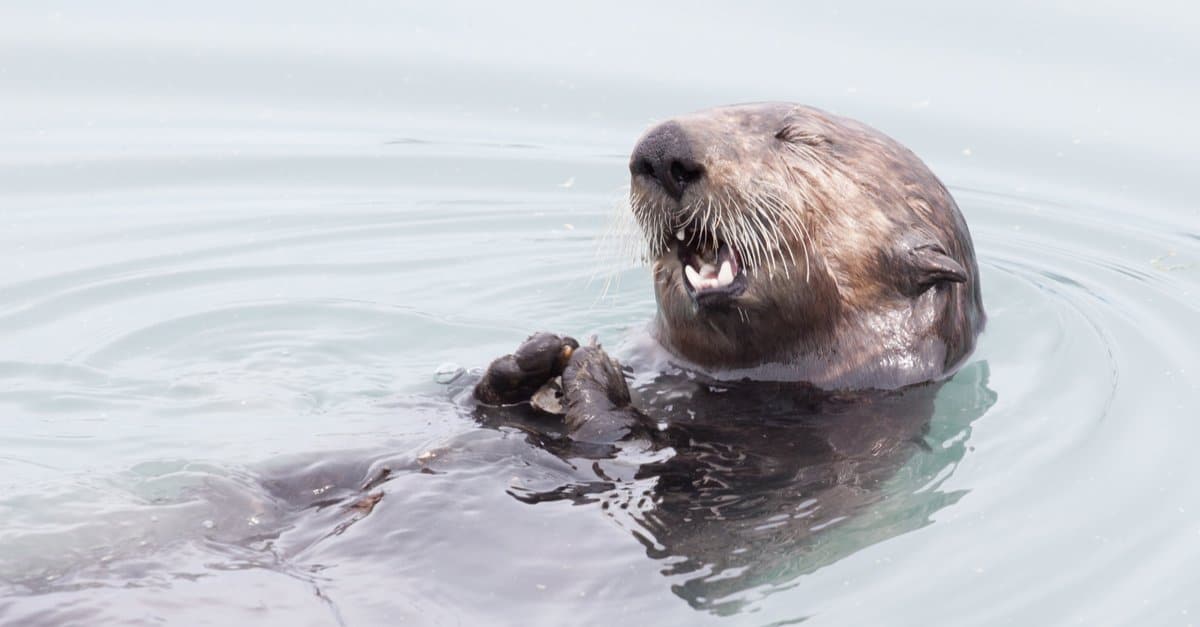
©Dai Mar Tamarack/Shutterstock.com
- Sea otters have 32 teeth adapted for crushing hard shells.
- Their molars are designed for grinding shellfish and crustaceans rather than tearing flesh.
Bite Force and Jaw Strength

©iStock.com/Troy Levengood
- Sea otters can bite with a force of up to 615 psi, perfect for crushing clams and sea urchins.
- Their enamel is 2.5 times stronger than humans’, enabling them to break tough shells.
Do Otters Bite Humans?
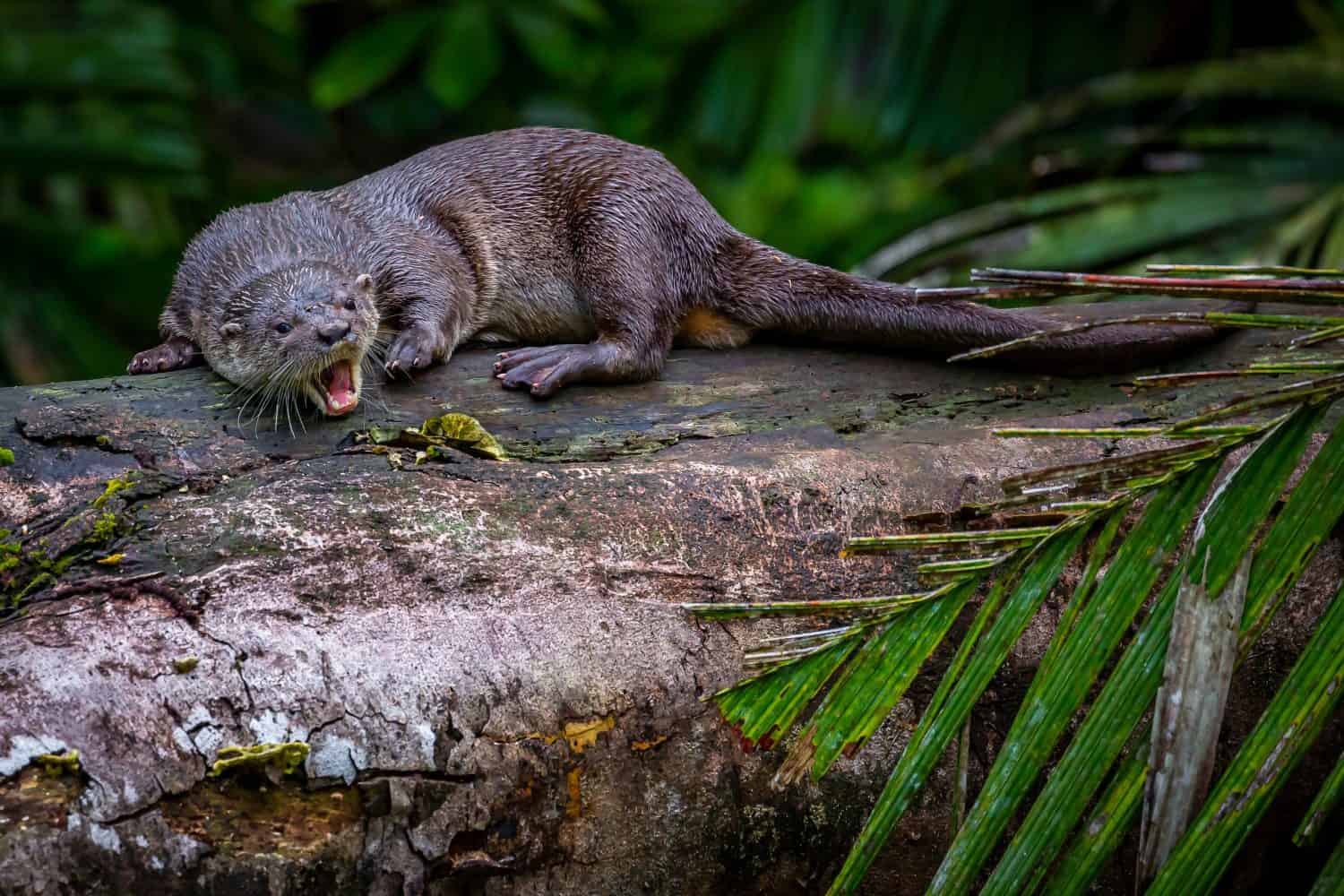
©Holger Metzger/Shutterstock.com
- Otters are known to become aggressive and bite when threatened.
- They have sharp claws and muscular bodies, making them potentially dangerous to humans.
Staying Safe Around Otters

©iStock.com/Dgwildlife
- Keep a distance of at least 60 feet from wild otters.
- Otters can carry rabies, a significant threat to humans and other animals.