
The American black bear, or Ursus americanus, can be found in forests and mountains from Canada to Mexico, whether the environment is wet or dry. However, black bears tend to avoid open spaces like grasslands with good reason. This avoidance behavior helps to prevent meetings with the bigger brown bears or grizzlies. Despite black bears growing to around 6 feet tall and weighing up to 600 pounds, there are claims of larger black bears that may rival grizzlies. But is this true or false? Let’s find out just how big the largest black bear in history was.
Black Bear Habitat

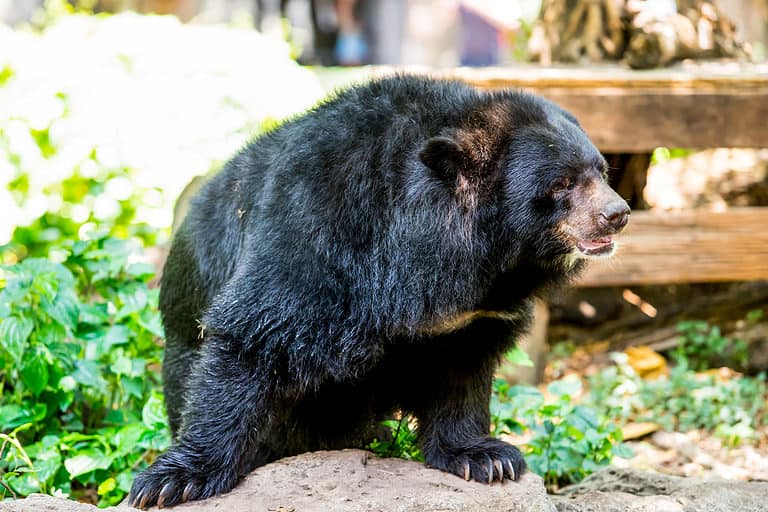
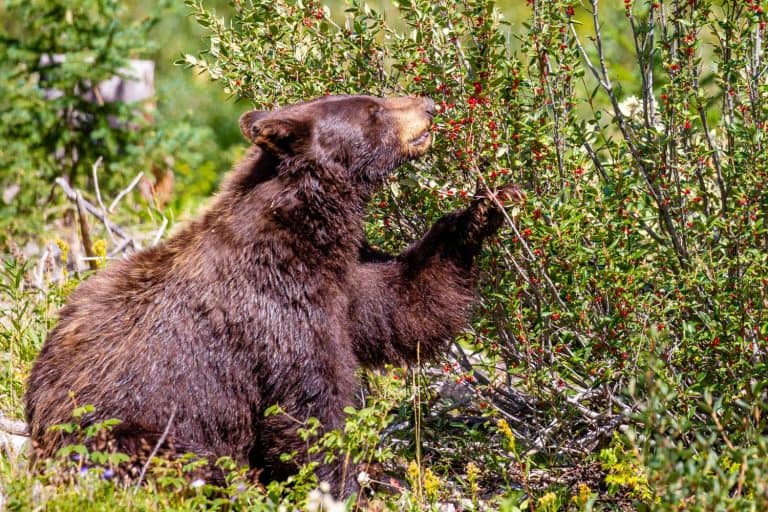
Most black bears live in the forests and mountains.
©Pierre Leclerc/Shutterstock.com
Black bears are the smallest of the three bear species in North America. They are also the most prevalent. Black bears are very adaptable, so it isn’t uncommon to see them in areas up to 2,000 feet above sea level. While most black bears prefer forested or mountainous regions, some black bears even live in coastal areas.
Black bears can be found in Canada, Alaska, the Pacific Northwest, the northern Midwest, the Rocky Mountains, the Appalachian Mountains, parts of the south, and even down into Mexico. Interestingly, black bears also thrive in the cold, treeless tundra of northern Labrador in Canada. This region has no brown bears to threaten them, allowing black bears to live peacefully as the apex predators in the area.
Not All Black Bears Are Black
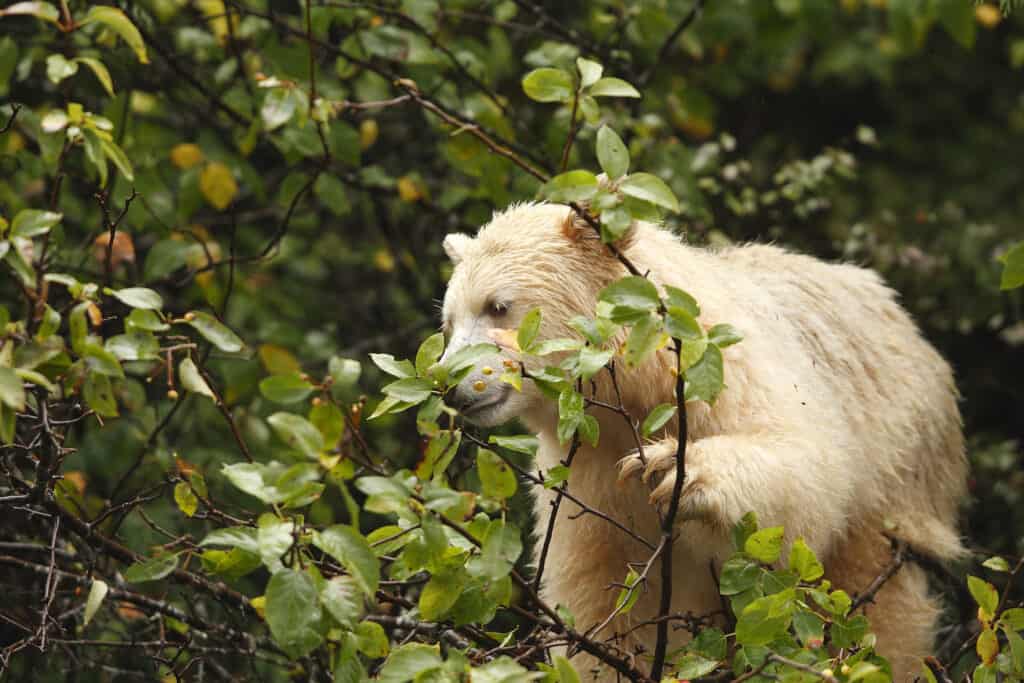
The white Kermode bear is a black bear subspecies found on the Gribbell or Princess Royal Islands in British Columbia.
©iStock.com/Michel VIARD
Strangely, not all black bears are black, despite what many people imagine. They are also known by many other names. Black bears may have different names depending on where they live and their coloring. For instance, the white Kermode bear (Ursus americanus kermodei), also called the spirit bear, lives on the Gribbell or Princess Royal Islands in British Columbia.
Cinnamon bears (Ursus americanus cinnamomum) can be found in Alaska’s interior and the Rocky Mountains. Glacier bears (Ursus americanus emmonsii), or blue bears, are located in British Columbia and southeast Alaska and can be a silvery-blue or grey color.
Black Bear Physical Markers
©Robert Harding Video/Shutterstock.com
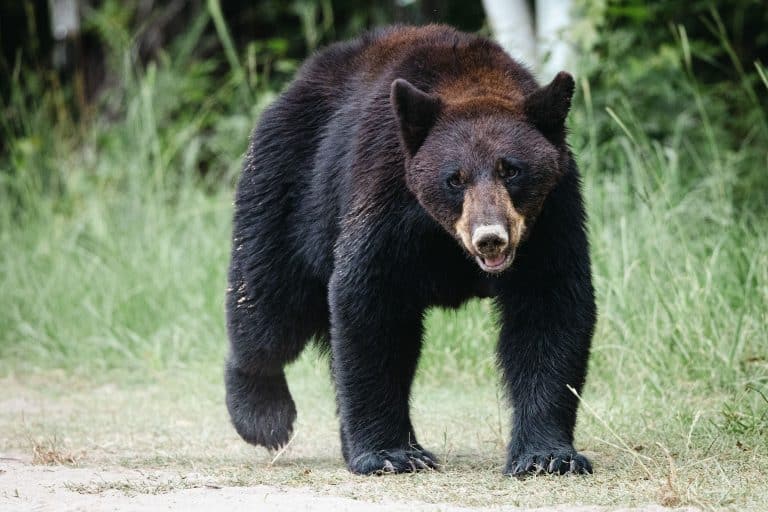
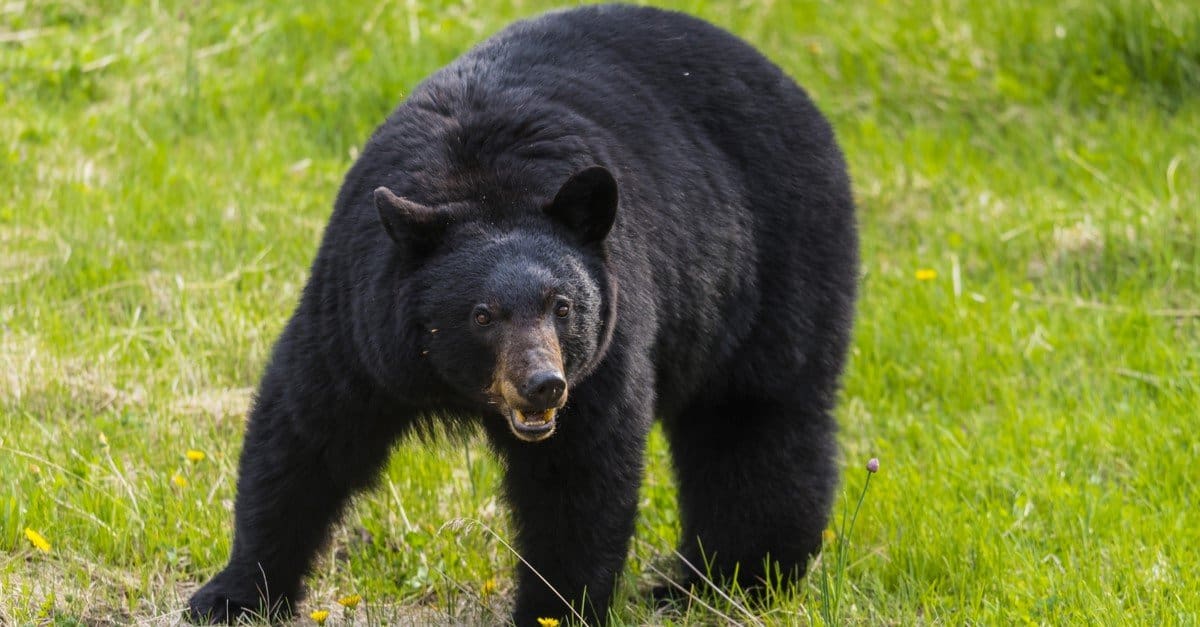
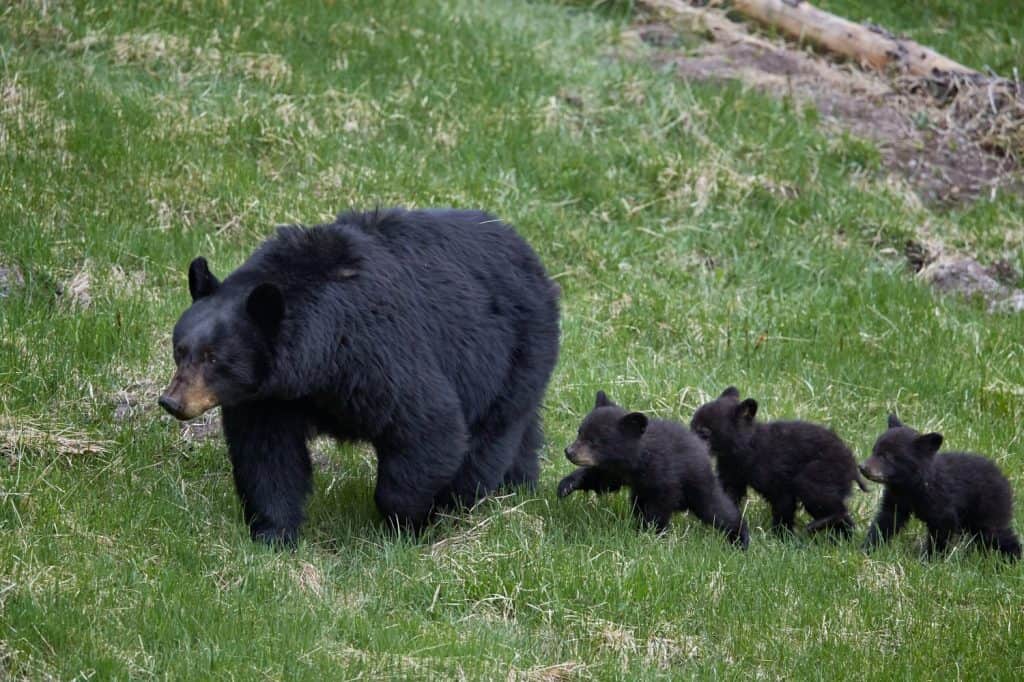
Black bears have a flat back, which differs from the grizzly bear’s shoulder hump. They have straight profiles and rounded ears. Most adult black bears grow 5-6 feet in length and weigh from 200-600 pounds. However, research shows that black bear sizes differ substantially. These size differences depend primarily on the quality of available food sources. So, black bears are usually smaller in areas where food is scarcer or of poorer quality. Like most animal species, particularly mammals, females tend to be much smaller than males.
The question is, then, did the largest black bear in history only weigh 600 pounds? Or were larger specimens found by hunters? Claims of giant black bears have been circulating for years, but unfortunately, the evidence to prove their existence has been scarce. However, there are exceptions to this rule, starting with a gentle giant named Ted.
Gentle Ted
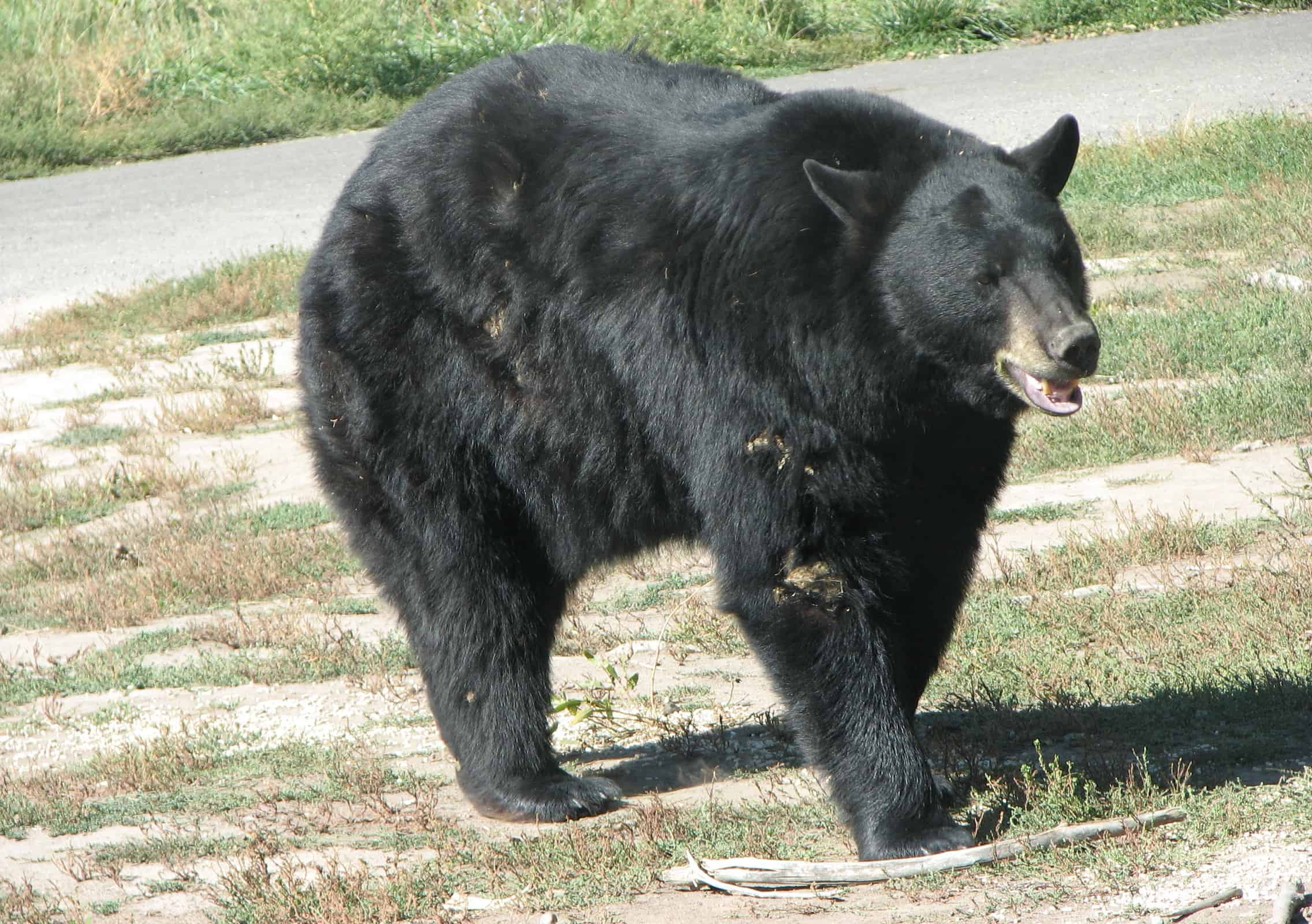
One of the largest black bears weighed around 1,000 pounds.
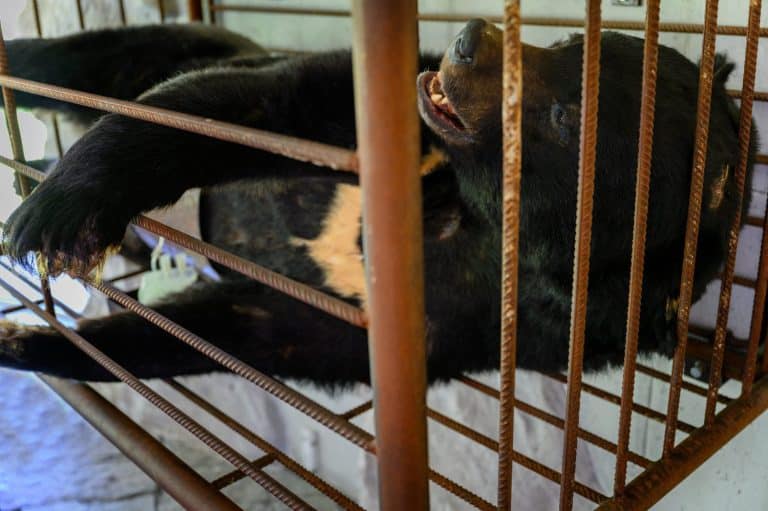
Ted lived at the North American Bear Center in Ely, Minnesota. He lived there from the opening of the center in 2007 until he passed away in October 2023. Ted had lived under the care of renowned bear researcher Dr. Lynn Rogers since 2007. Rogers estimated Ted’s weight to have tipped the scales at 800 pounds. Previous estimates placed Ted at an astonishing 1,000 pounds. If correct, either estimate would make Ted the largest black bear to have ever lived in captivity.
Dr. Lynn Rogers started the North American Bear Center in 2007. He realized that zoos and the Science Museum of Minnesota focused on grizzlies, but Minnesota is black bear country. The North American Bear Center aims to change the myths and perceptions of people in the area. Additionally, the center is working to reverse the habitat loss of bears. The organization also prioritizes educating the general public about black bears.
Experts moved Ted and his sister Honey to the center when they were ten, rescuing them from their previous owners. Despite being a captive bear, Ted was known for his gentle nature and pleasant personality. However, does Ted hold the record as the largest black bear in history?
New Brunswick Giant
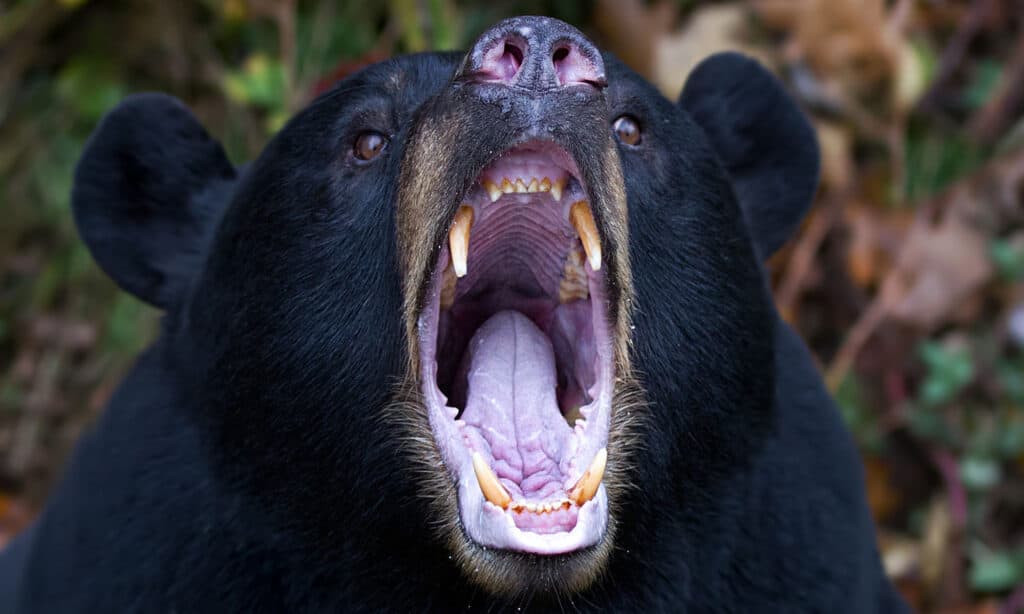
The largest black bear in history was said to have been killed in New Brunswick, Canada in 1972.
©Jim Cumming/Shutterstock.com
Although Ted’s stats are impressive, captive bears tend to be larger than their wild counterparts. So, how large was the largest wild black bear in history? In November of 1972, a hunter from New Brunswick, Canada shot and killed a massive black bear. This colossal creature was said to have weighed an impressive 902 pounds after being dressed, with some estimates putting its live weight at up to 1,100 pounds. This monster bear also measured 7.9 feet tall.
Ultimately, this New Brunswick black bear appears to be the largest wild black bear on record, with a dressed weight of 902 pounds. This is comparable to, or possibly greater than, Ted’s estimated maximum weight in captivity, depending on the measurements used.
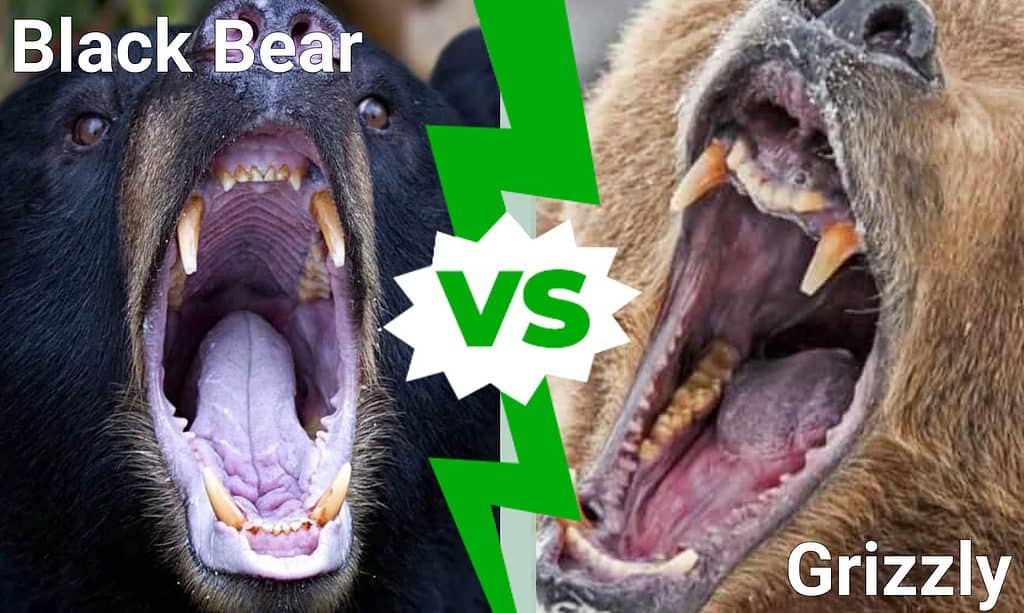
Could the Biggest Black Bear Defeat a Grizzly?
A typical adult male grizzly weighs between 300-650 pounds, while a female weighs between 200-350 pounds. They stand about 3.5-5 feet tall at the shoulder, with females being shorter. The average black bear will generally weigh between 200-300 pounds, although as we have discussed, some can grow to 600 pounds or larger. They typically stand about 3 feet tall at the shoulder.
So, a female grizzly and an adult male black bear are fairly close in size. Likewise, juvenile grizzlies may be similar in size or even smaller than adult black bears. While an adult male black bear is unlikely to defeat an adult male grizzly, it is more evenly matched against a female or juvenile grizzly. Of course, the biggest black bear might be able to win a fight against an average grizzly, but they are no match for grizzlies of similar size.
Another factor in this battle is the grizzly’s aggressive tendencies. While both bears arrived in North America via the Bering land bridge, they settled into different habitats. The black bears adapted to forest life and evolved into smaller animals that could climb trees easily to escape larger predators. Grizzlies, on the other hand, adapted to life in areas that were more open and treeless. Grizzlies have grown larger and have learned to stand their ground and fight instead of climbing trees.