
Quick Take
- Venice's beaches hide a fossil layer that stretches down 35 feet. See the geological reason →
- Some shark teeth found on this beach are worth thousands of dollars, yet most collectors walk right past them without realizing it. Discover their hidden value →
- There's a faster, more effective method for finding shark teeth that's relatively easy. Try the faster method →
- Cultures separated by entire oceans all independently assigned the same meaning to shark teeth, and the pattern across their mythologies is surprisingly hard to explain. Explore the cultural patterns →
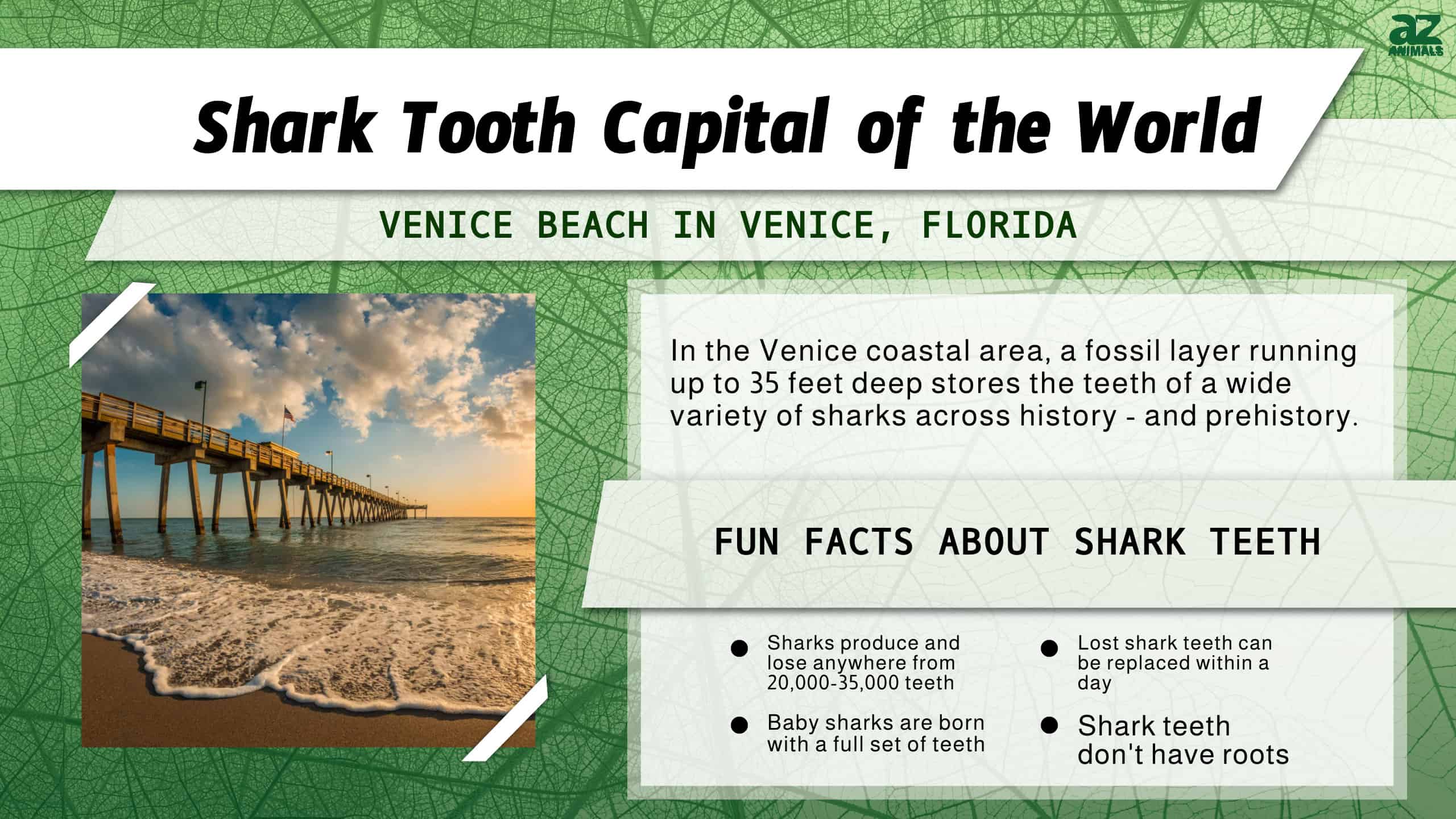
Hidden along Florida’s Gulf Coast is one of the most unusual fossil-hunting destinations in the United States. Venice, Florida has earned the nickname “The Shark Tooth Capital of the World” because its beaches are home to thousands of fossilized shark teeth from both modern-day sharks and prehistoric species. Thanks to ancient underwater fossil deposits buried beneath the coastline, beachgoers regularly discover teeth from sharks that lived millions of years ago. And finding these treasures does not require any substantial effort; they can be spotted simply by walking in the sand or sifting through shallow water. For shark lovers, nature enthusiasts, or fossil collectors, Venice offers a rare opportunity to easily discover prehistoric teeth.
Why is Venice the Shark Tooth Capital of the World?
Millions of years ago, the world didn’t look like it does today. Much of Florida remained underwater for millions of years before gradually emerging. For as long as sharks have existed, they have lived the waters near Florida. While dinosaur fossils are extremely rare in the state, shark fossils (mostly teeth) are definitely not.
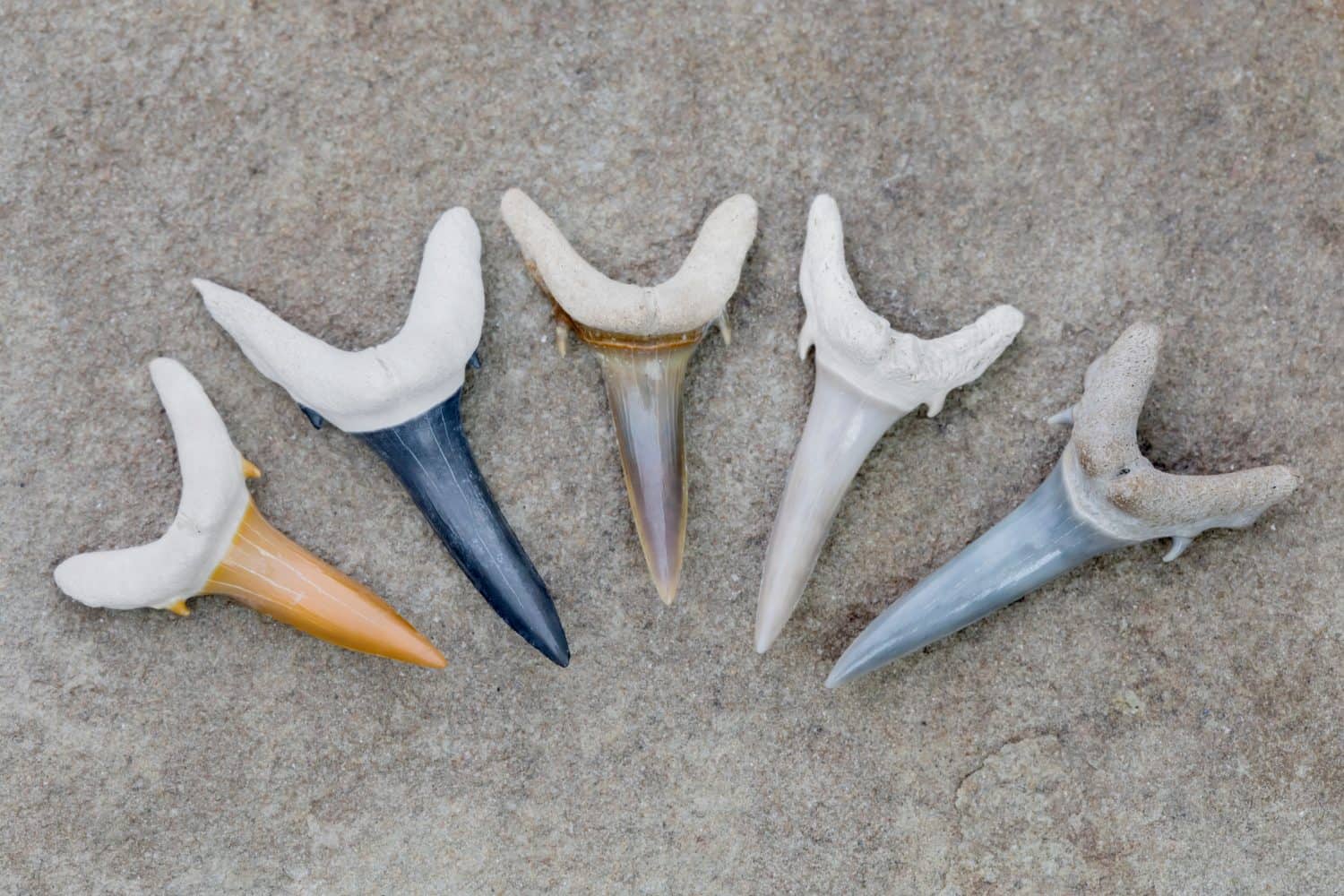
The sharks that swam in the waters ten million years ago are not the same as the sharks that inhabit the waters today. In fact, many prehistoric sharks barely resemble their living descendants, but their teeth live on to tell their story. In the Venice coastal area, a fossil layer running up to 35 feet deep stores the teeth of a wide variety of sharks across history and prehistory, creating an ideal location for shark tooth fossil hunting.
The Best Time to Search for Shark Teeth
©Ryan M. Bolton/Shutterstock.com
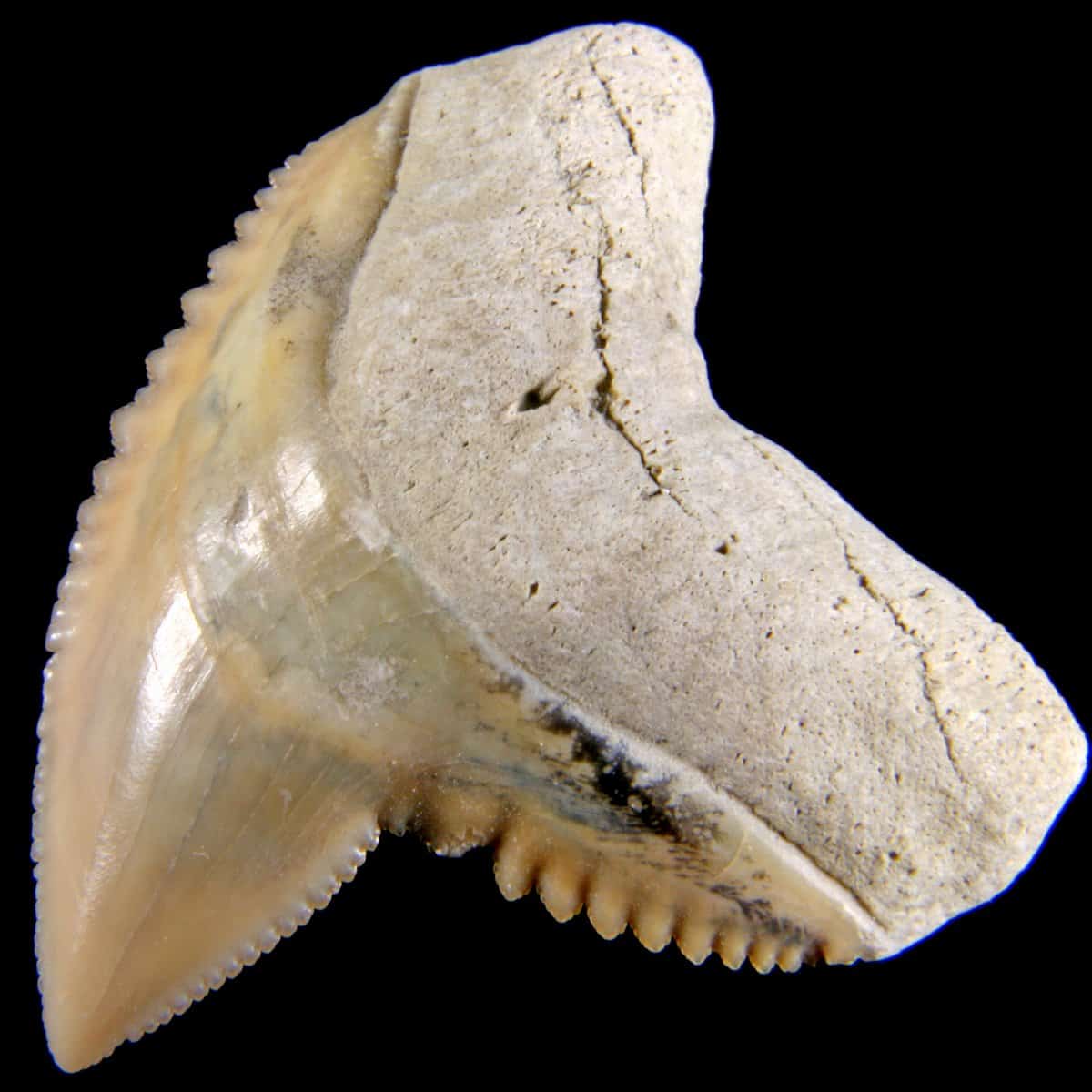
The fossilized teeth along Venice’s coast most commonly end up exposed after storms and large waves, but you can find them any time. The teeth are reflective, so hunting in the sunlight helps. Make sure to bring a small bag or container for your tiny toothy treasures! You might also find other cool items, such as shells or pieces of sea glass.
How to Find Shark Teeth
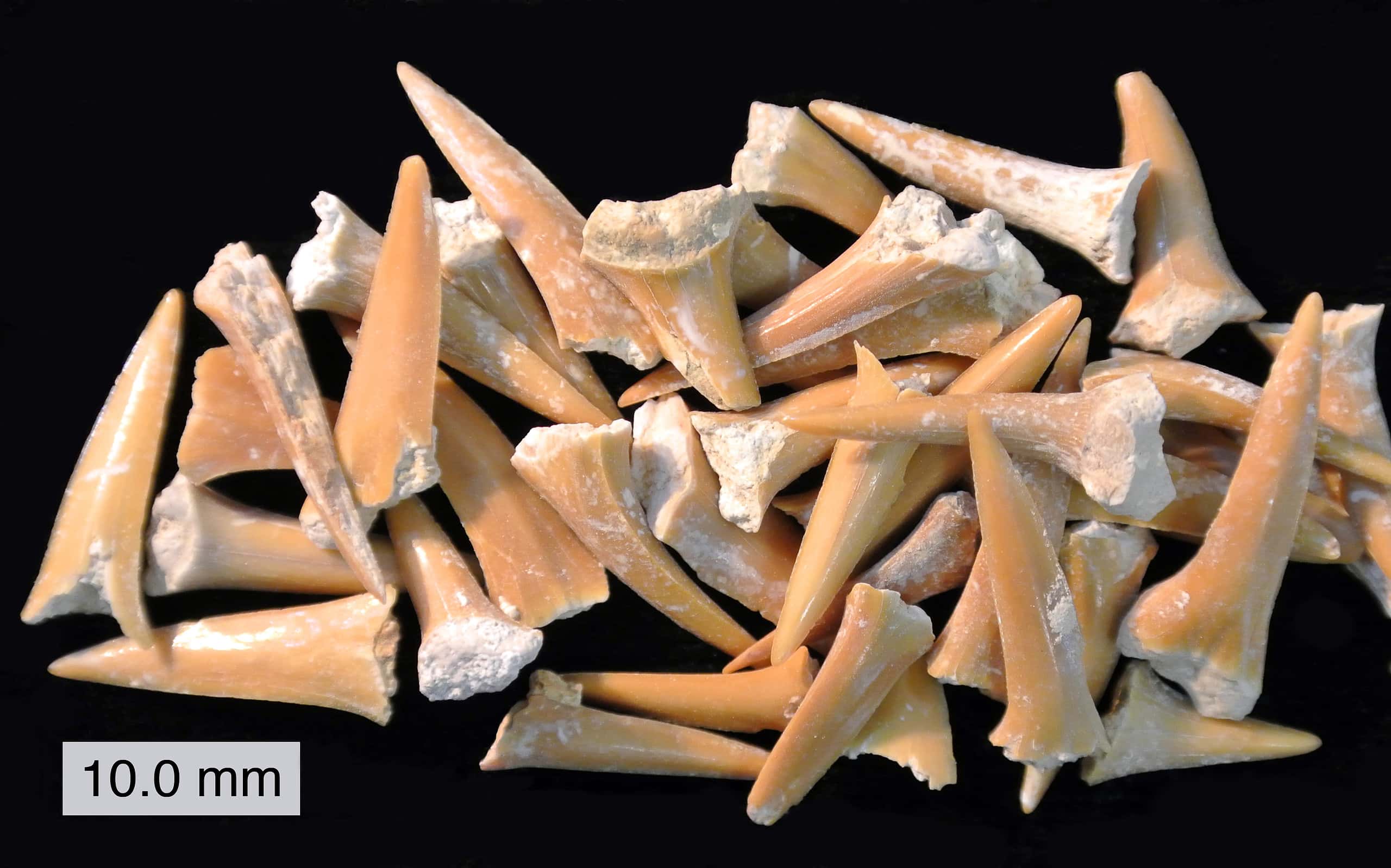
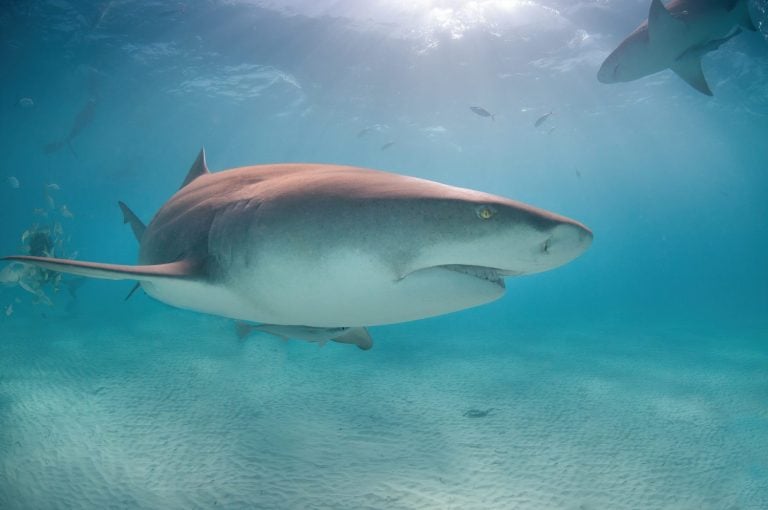
Simply walk down any of the beaches south of Venice to find the fossilized teeth of Lemon, Bull, Mako, Megalodon, or Whitetip sharks. Strolling the beach is the most common method of shark tooth hunting. It might take a while, but you’re sure to stumble across at least one tooth.
You can also bring a shovel or scoop and look for the teeth at the water’s edge. Many people have luck straining scoops of sand near the waves. This may prove to be a faster and more effective method.
More adventurous collectors might try offshore expeditions. You can dive for teeth or go on boating expeditions to find them. While both of these methods are more expensive, intensive, and time-consuming, they also have some perks. For example, you’re more likely to find larger teeth further offshore. Also, diving has the added benefit of underwater observation and exploration. Be careful, though, because Florida is still a shark hotspot. We should be aware that we are sharing their waters with them.
What Can I Do With a Shark Tooth?

©Mark_Kostich/Shutterstock.com
There are plenty of cool things you can do with shark teeth. Some people just like to keep them on a shelf as interesting decorative items. Some collectors preserve them in resin, turn them into jewelry, or include them in art projects. You can paint them, sell them, put them in a shadow box, gift them to friends and family, or offer them to local museums. Some rare shark teeth can be worth hundreds or even thousands of dollars; however, most are just really cool finds that come with plenty of bragging rights.
Significance of Shark Teeth
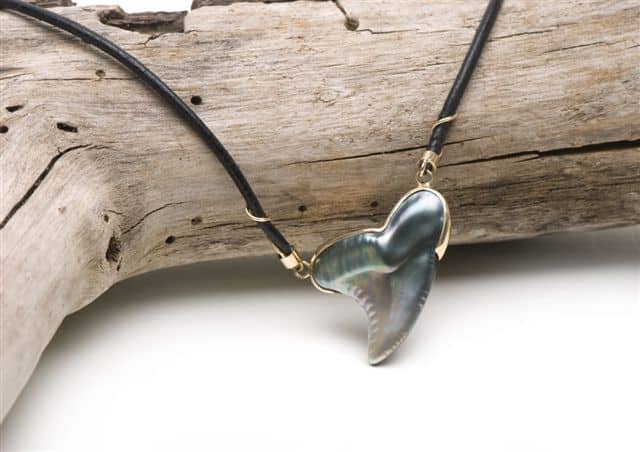
Shark teeth have had cultural and spiritual significance for a long time. Some Native American cultures associated shark teeth with courage and protection. Many tribes believed they helped to ward off negative energies.
Hawaiian ancient mythology tells of a warrior who battles an ocean god and wins, emerging from the sea wearing a shark tooth. Surfers now often wear shark tooth jewelry as a good luck charm or a protection talisman.
The people of Fiji also have mythology surrounding sharks. Dakuwaqa was a half-man, half-shark god of the ancient people. They believed that shark teeth carried the spirit of Dakuwaqa, so they wore them for good luck.
The Maori people of New Zealand passed shark tooth necklaces from generation to generation as symbols of strength, energy, and power. Shark tooth jewelry has historically symbolized protection in some Maori traditions.
Symbolism across so many different tribes reflects the long cultural significance sharks and shark teeth have held in several societies.
Where is Venice, Florida?
©Jim Schwabel/Shutterstock.com
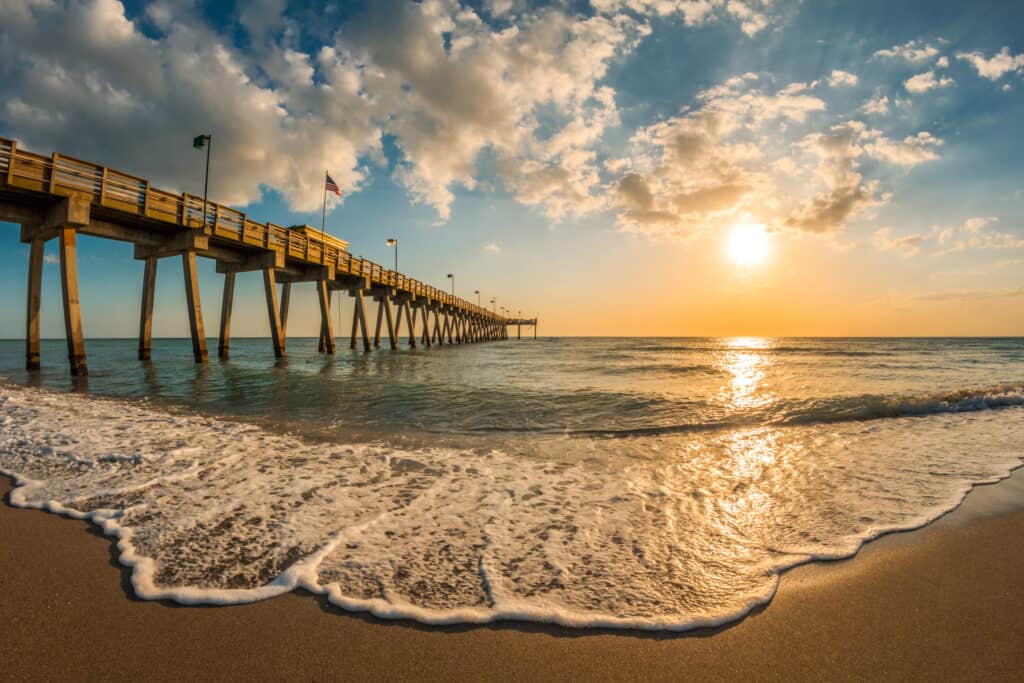
Venice, Florida is on the western side of the peninsula, south of Tampa, Florida. The nearest highway is Highway 41, which takes you directly through the city and can be accessed from I-75 via the 681 just south of Oscar Scherer State Park. Venice is about 73 miles from Tampa and 60 miles from Fort Myers.
Many collectors recommend looking for teeth anywhere south of the Venice Jetty. A few good places to search include Caspersen Beach, The Venice Fishing Pier at Brohard Park, Manasota Key Beach, and Blind Pass Beach.
Fun Facts About Shark Teeth
©LuckyStep/Shutterstock.com
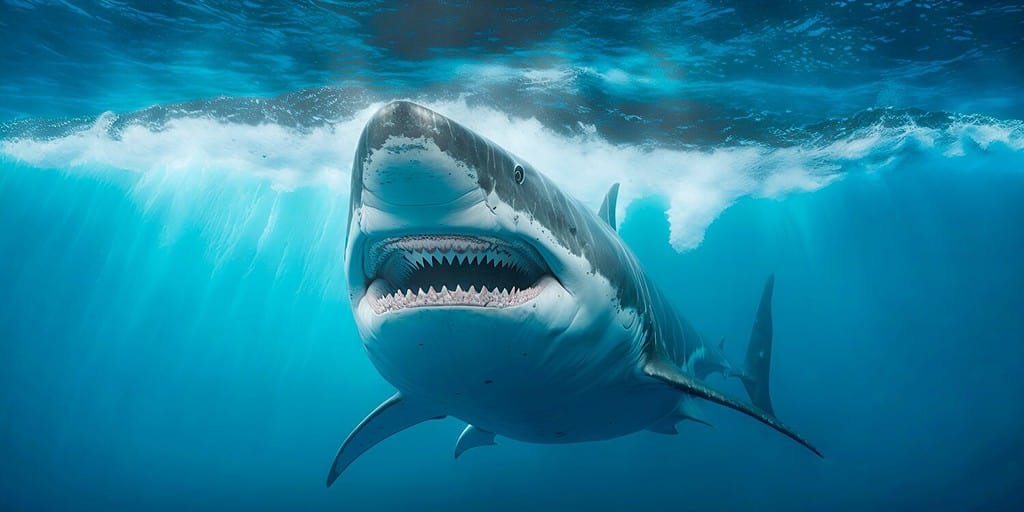
It’s pretty remarkable that we can walk down a beach and find a shark tooth that could be millions of years old. But even modern-day shark teeth are incredibly cool for a variety of reasons:
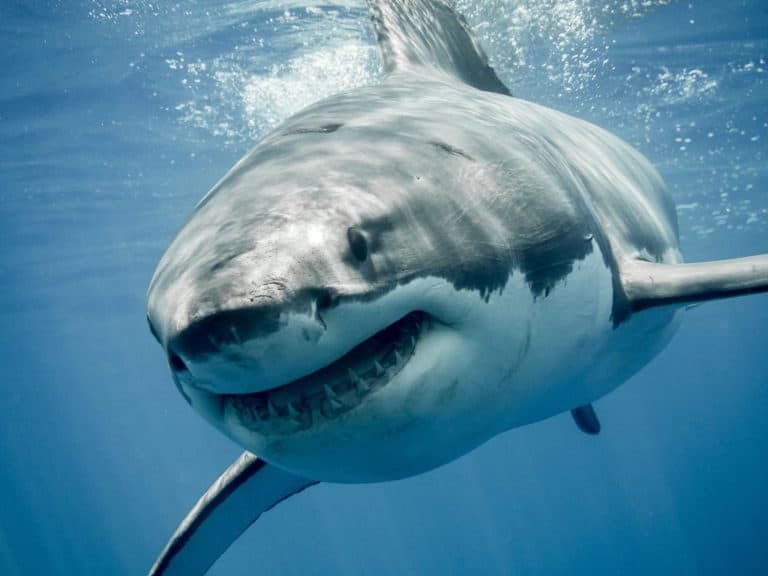
- Sharks produce and lose anywhere from 20,000-35,000 teeth in their lifetimes.
- Baby sharks (called pups) are born fully equipped with a set of teeth.
- Shark teeth can be replaced in as little as a day.
- Most sharks only have 5-15 rows of teeth at a time, but bull sharks have up to 50 rows of teeth!
- Shark teeth don’t have roots, which is why they are so easily lost.