

Quick Take
- Skipping your dog's dental care goes beyond causing bad breath. It can trigger organ damage in places you'd never expect. See the systemic risks →
- A popular chew your dog probably loves is quietly flagged as a serious hazard by vets, and most owners have never heard the warning. Check the chew toy warnings →
- Getting your dog to accept a toothbrush isn't really about willpower. There's a counterintuitive trick that makes the whole process click. Try the step-by-step trick →
- Water additives and dental gels sound like an easy win, but vets say most owners are misunderstanding what they actually do. Understand what additives really do →
Canine oral care has transformed from primitive, unscientific practices into a sophisticated branch of veterinary medicine. Recognizing how dental health impacts a dog’s overall longevity, modern care now emphasizes daily preventative maintenance and advanced oral surgery. A major turning point occurred with the introduction of high-speed drills and dedicated dental X-rays, making extractions safer and more efficient. While routine veterinary dental practices have become more advanced and easily accessible, there is no substitute for routine at-home brushing with enzymatic, dog-safe toothpaste to ward off periodontal disease. However, modern pet care has evolved beyond brushing, with innovations including science-backed oral supplements, water additives, and postbiotics designed to actively balance healthy bacteria inside your dog’s mouth. Continue reading to discover modern methods for maintaining your mutt’s mouth.
How Oral Health Impacts a Dog’s Overall Health
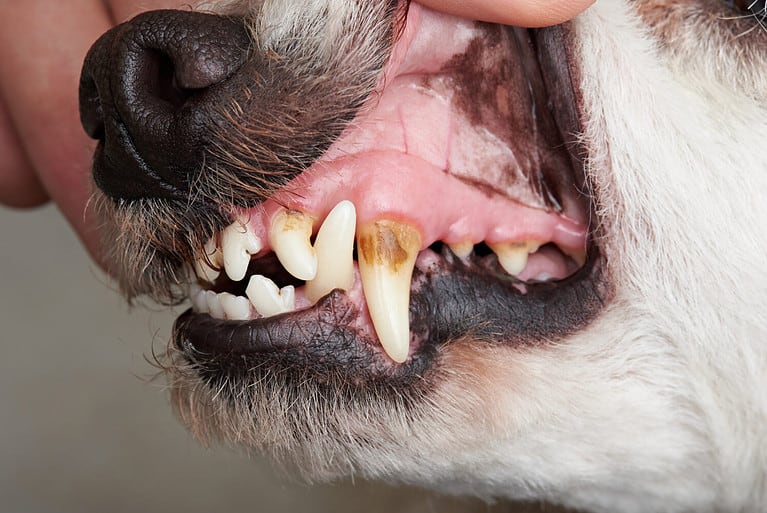
Poor oral hygiene in dogs causes local bacteria to enter the bloodstream, potentially leading to systemic organ damage and severe chronic pain. Left untreated, advanced periodontal disease compromises a dog’s immune system and shortens their life.
Bacteria from the mouth travel through the blood to colonize heart valves. This induces endocarditis and increases the risk of congestive heart failure. The liver and kidneys constantly filter bacteria-laden blood. Chronic exposure to oral pathogens causes micro-abscesses and progressive organ failure. Dental inflammation can cause severe insulin resistance, making it incredibly difficult to stabilize blood sugar in diabetic dogs.
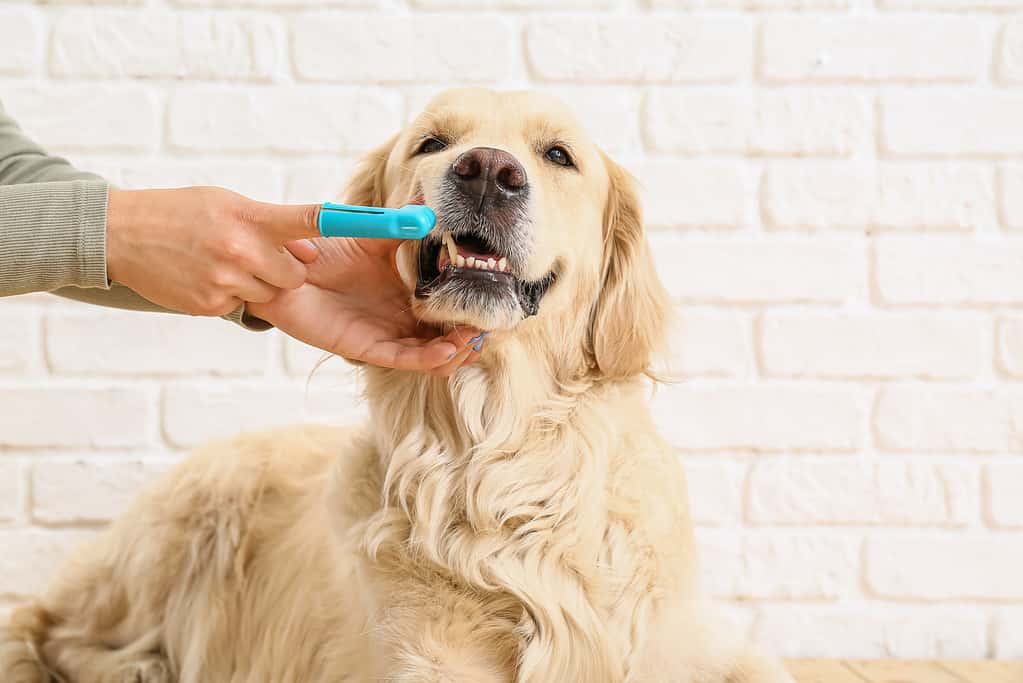
Keeping up with your dog’s oral hygiene can benefit more than just their dental health!
©Pixel-Shot/Shutterstock.com
Chronic infection eats away at the mandibular bone. This structural weakening allows the lower jaw to fracture during normal chewing, especially in small breeds. Severe infection destroys the bone separating the mouth and the nasal cavity. This creates an open tunnel that causes chronic nasal discharge, sneezing, and coughing.
Upper premolar and molar roots sit directly beneath the eyes. Abscesses in these teeth routinely cause facial swelling and severe eye infections. Dogs hide discomfort instinctively, but severe dental disease causes constant, debilitating pain, which makes chewing impossible. Dogs may drop food, refuse hard kibble, and suffer rapid weight loss.
How to Brush Your Dog’s Teeth
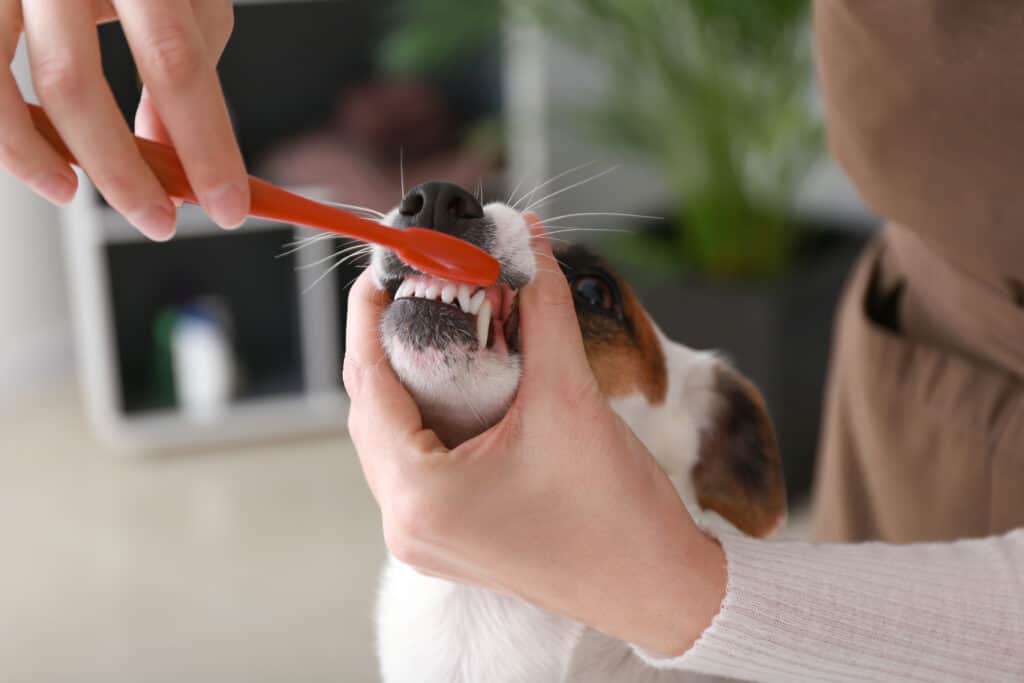
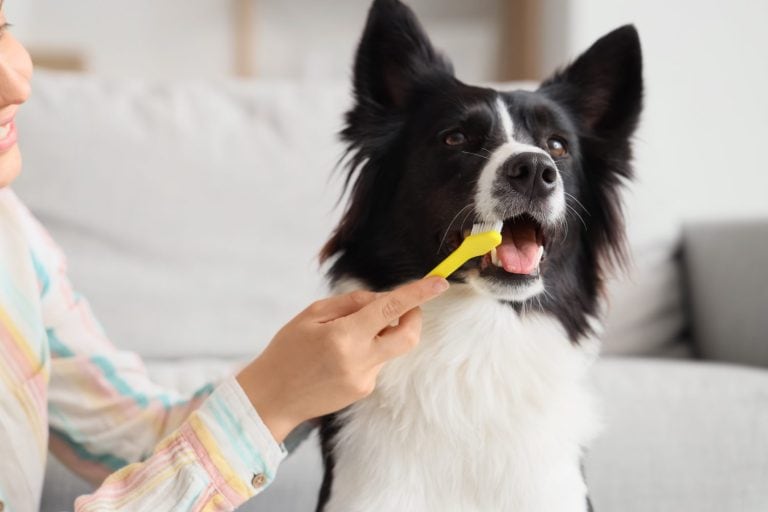
Brushing your dog’s teeth is easy, but getting them to accept the process can be more difficult.
©Aquarius Studio/Shutterstock.com
First, you’ll need to train your dog to accept having its mouth handled. Some dogs may take to this more quickly than others, but here are the basic steps to desensitize them to the experience:
- Touch their snout and mouth with your hands. Start slowly, getting as close as your dog will allow and progressing from there. Your ultimate goal is to be able to open their mouth and touch their teeth, but your starting point may be giving them nose scratches from time to time as you pet their head normally.
- Introduce the toothbrush and toothpaste. Next, let your dog sniff the toothbrush and taste the toothpaste. Give them treats for interacting with them! Progress to touching their snout, then teeth, with the toothbrush.
- Introduce the brushing motion. Brushing will feel weird to dogs at first, so take this slowly. Don’t look to get a good clean yet, just to get your dog used to the experience.
- Reward for everything! Keep the experience as positive as possible by rewarding your dog with their favorite treats. Be especially generous when they make progress, even if it seems small.
Remember that this process takes time. Some dogs may allow teeth brushing right away, while others may take weeks or months.
If your dog is a bite risk, you may not be able to complete this process safely. In such cases, it might be best for everyone involved to use alternative methods to keep their teeth clean.
Alternatives to Brushing for Improved Oral Hygiene
For dog owners struggling with a toothbrush, several modern, hands-free alternatives can effectively reduce plaque and alter the oral microbiome.
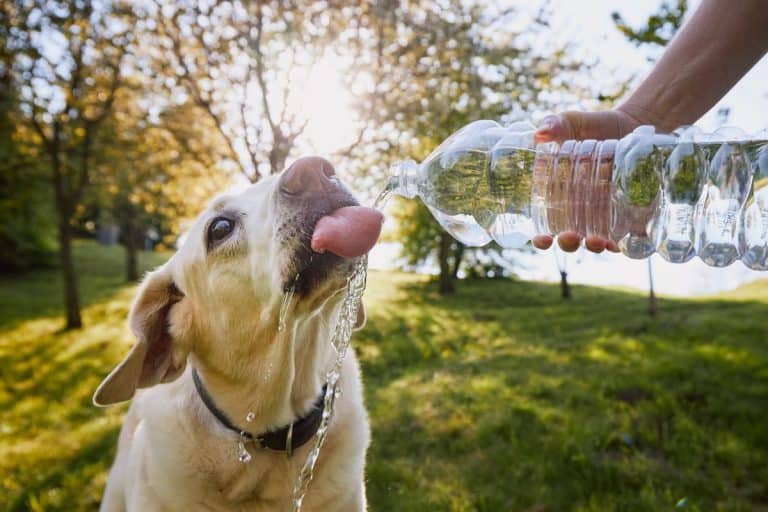
Water additives are tasteless, odorless liquids mixed into a dog’s daily drinking water; some contain enzymes or zinc compounds that may help reduce plaque and freshen breath.
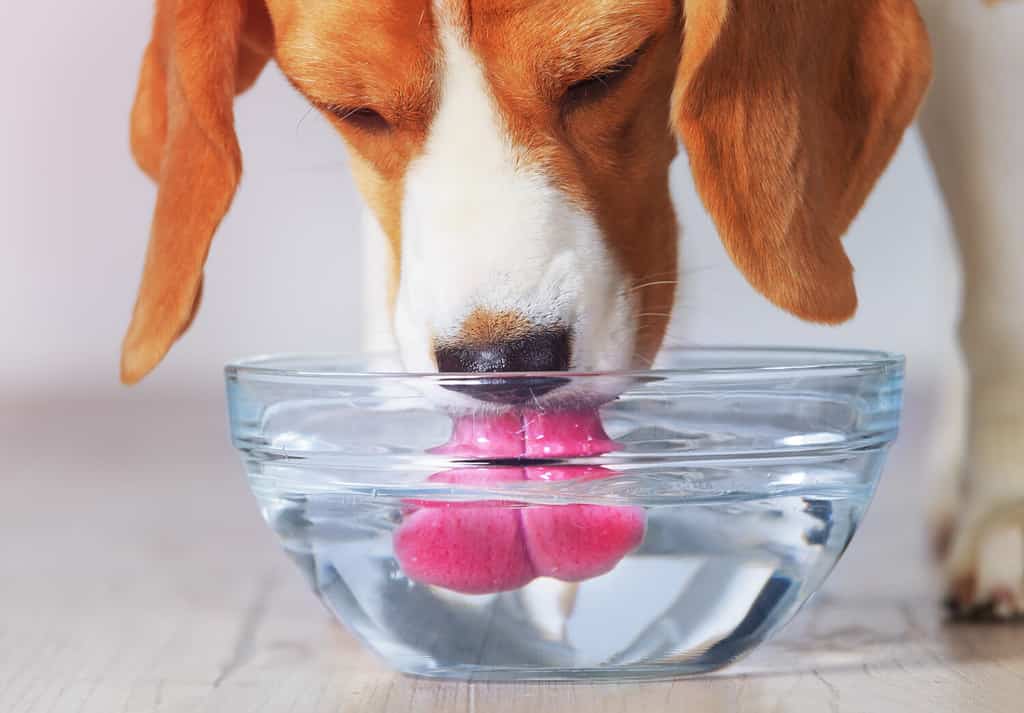
Commercially available water additives can help keep your dog’s mouth healthier.
©ALEX_UGALEK/Shutterstock.com
Similarly, dental sprinkles and powders are designed to be dusted directly onto food, using active ingredients like beneficial postbiotics or Ascophyllum nodosum (a specific kelp) to naturally soften existing tartar and stop harmful bacteria from adhering to the teeth.
Finally, topical dental gels and oral sprays offer targeted care by applying a thin layer of antibacterial enzymes directly onto the gums, allowing the dog’s own saliva to distribute the formula across the teeth without the need for scrubbing.
While these innovations may help lower the bacterial load in the mouth, veterinarians in 2026 emphasize that they should only be used as supplements to daily brushing, which remains the most effective method for maintaining canine oral health.
Tips For Keeping Your Dog’s Teeth Healthy
The number one thing you can do for your dog’s teeth and gums is to brush their teeth every day. Just like us, dogs can quickly develop plaque and tartar in their mouths.
A poor diet can harm your dog’s teeth, so be sure to feed them healthy food. Their primary diet should consist of veterinarian-recommended dog food, and treats should make up no more than 10% of their daily calories.
If your dog has a dental issue, your veterinarian may recommend a prescription dental food. These aid in keeping a dog’s teeth cleaner and help to prevent or lessen the effects of dental disease.
©Valeriya Dzyuba/Shutterstock.com
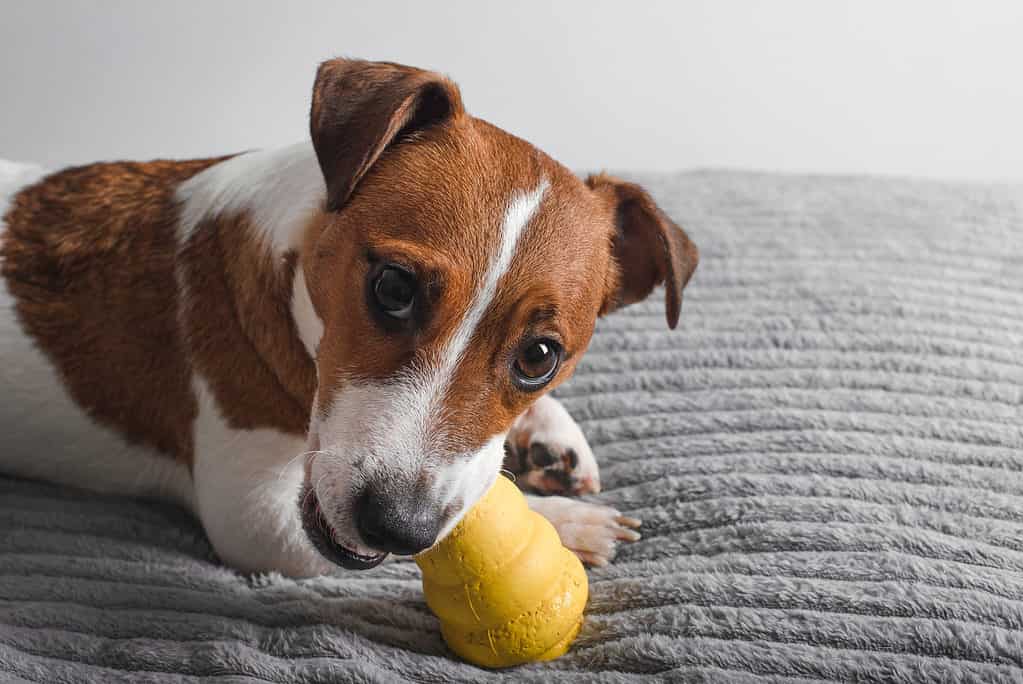
Chewing is an instinctual behavior that helps reduce stress and even keep their teeth clean.
The friction between chew toys and your dog’s teeth can help to rub away plaque and keep the teeth a little cleaner. The more your dog chews, the healthier their teeth are likely to be.
Rawhide bones are widely recognized as a significant choking hazard and can cause intestinal blockages in dogs, according to veterinary guidance as of 2026.
The Veterinary Oral Health Council, or VOHC maintains an updated list of products proven to reduce plaque and tartar in dogs. To ensure you are choosing an effective product, consult the most recent VOHC-accepted products list, last updated in November 2025.
If your dog is on any medications, some dental hygiene products may interfere with them, so it is especially important to check with your vet in these cases.
If your dog’s mouth seems dirty and you can’t get it clean, or you notice symptoms of dental disease such as red, swollen gums, broken teeth, or loose teeth, it’s time for a professional cleaning at the vet.
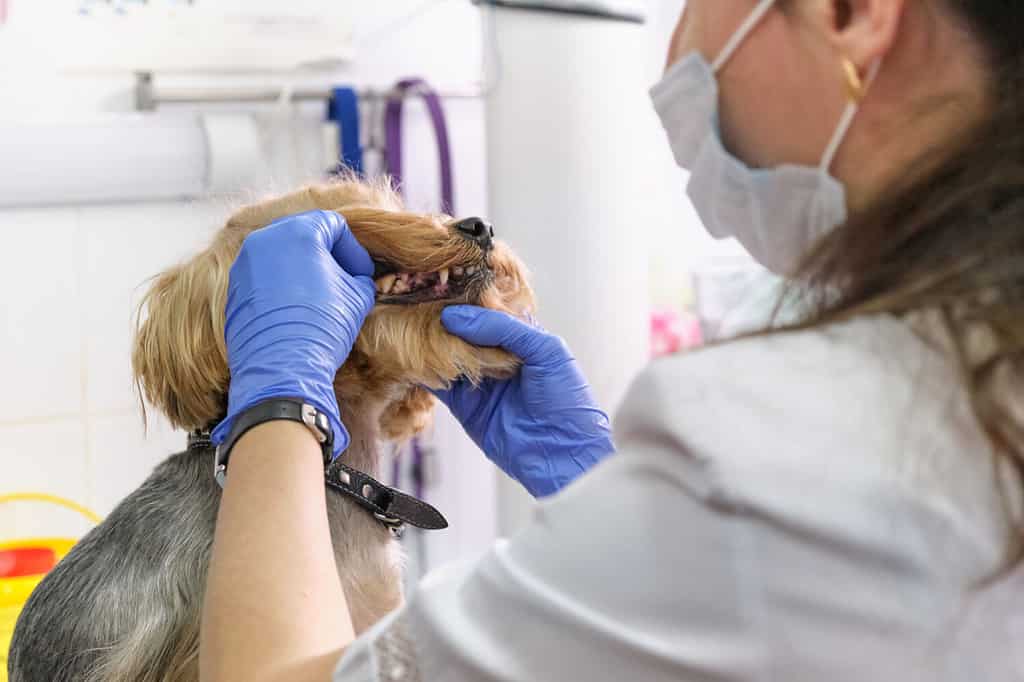
Your veterinarian can reach areas you can’t at home, and can give your dog’s teeth a deeper clean.
©Yavdat/Shutterstock.com
Veterinarians will typically put a dog under anesthesia to clean its teeth, allowing them to do a more thorough job. This enables them to reach areas in the mouth that are inaccessible while your dog is awake.