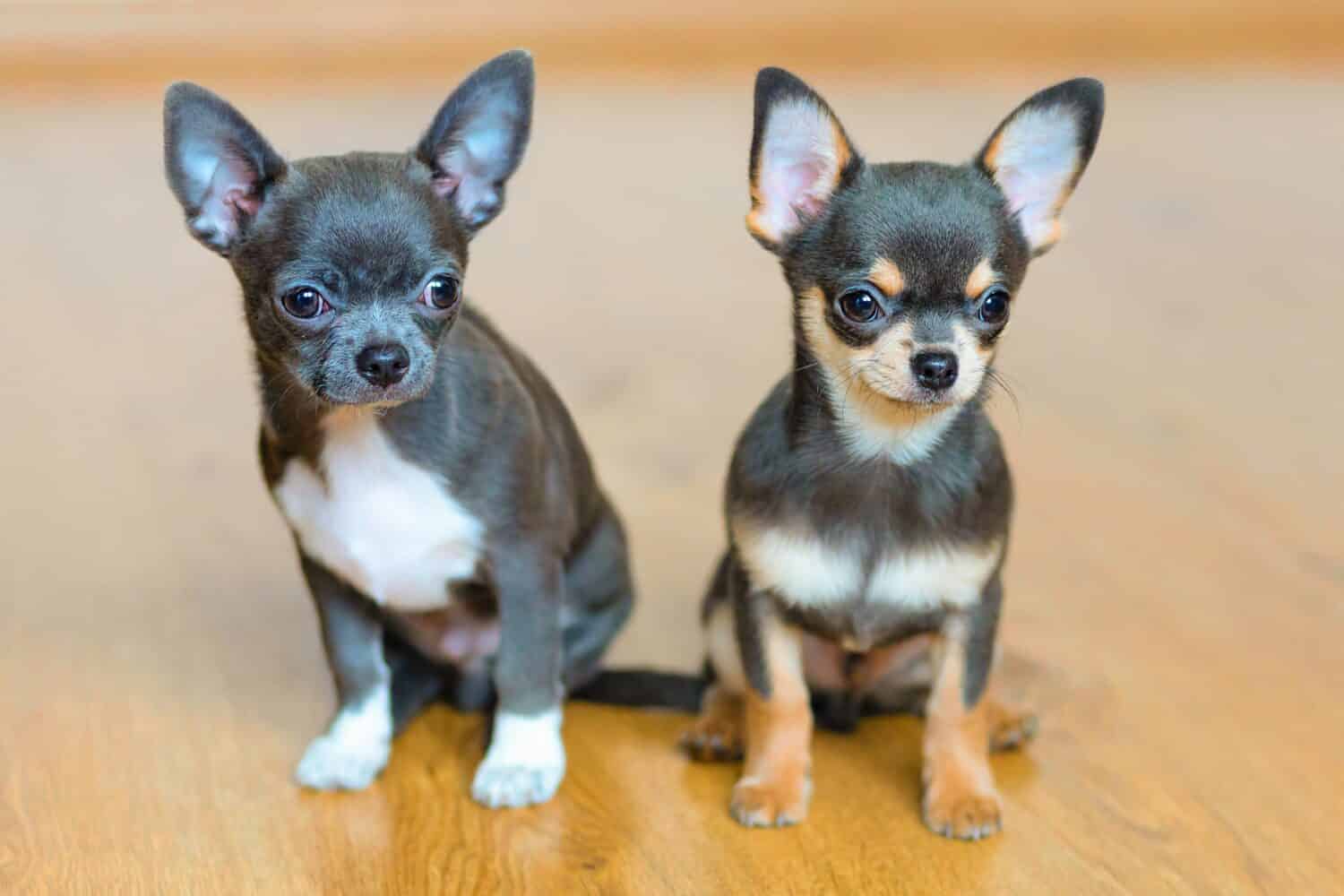

Because Chihuahuas are so little, many people sadly put off their training – or don’t provide them with any training at all. This is a mistake. Chihuahuas need to be taught and treated like any other dog breed. Improper training can quickly lead to behavioral problems, such as resource guarding and separation anxiety.
Luckily, Chihuahuas aren’t terribly challenging to train. They can be very obedient if you get started on the right foot. They also don’t need much training due to their reasonably manageable size and usual good manners.
You can train a Chihuahua similarly to any other dog breed. However, you need to keep a few slight differences in mind. For instance, they need a different approach to housebreaking due to their small bladders.
We’ll explore these differences below.
Are Chihuahuas Easy to Train?
If you get started on the right foot and stay consistent, Chihuahuas can be rather easy to train. They’re pretty people-oriented, which means they’ll often listen to commands to make you happy. They are also somewhat intelligent, allowing them to pick up on cues quickly.
Housetraining is often challenging for very little puppies, though. Their bladders are so small that they need to go outside a lot. Therefore, taking them outside enough is often a challenge in itself. This small breed is one of the few that may benefit from an indoor potty area, especially if you live somewhere with more extreme weather.
Many Chihuahua owners also mistakenly coddle their Chihuahua a little too much. This coddling can undermine the dog’s confidence, making them anxious. Anxiety can lead to separation anxiety, fearfulness, and aggression. Therefore, it’s important to let them explore and interact with the world without your constant intervention.
Chihuahua Training Timeline
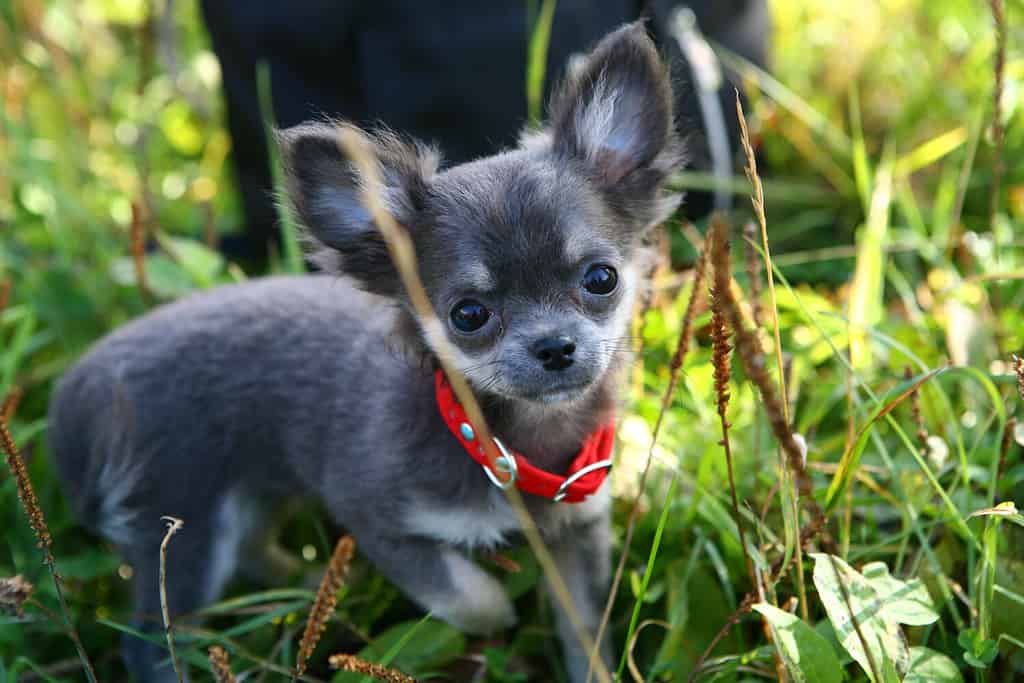
While socialization can be harder for these very small puppies, it is exceptionally important to prevent fearfulness and anxiety.
©Artem Bruk/Shutterstock.com
Chihuahuas can follow a similar training timeline to any other breed. However, some training, such as potty training, may take longer than others.
8 to 12 Weeks
At this age, your Chihuahua is just old enough to start exploring the world. Most puppies will get their vaccinations at this point, which allows them to interact with the outside world a bit more. However, Chihuahuas are still exceptionally small at this age, so you have to be more cautious with socialization than you might have to for a bigger dog.
That said, socialization is vital for Chihuahuas, as their smaller size tends to make them more scared and cautious of everything. For them to be well-adjusted and confident, they must be socialized well from a young age.
Take your puppy in as many new environments as possible and start introducing them to different dogs. Puppy classes can be very helpful at this age, as it provides a chance for your small Chihuahua to be around other small puppies.
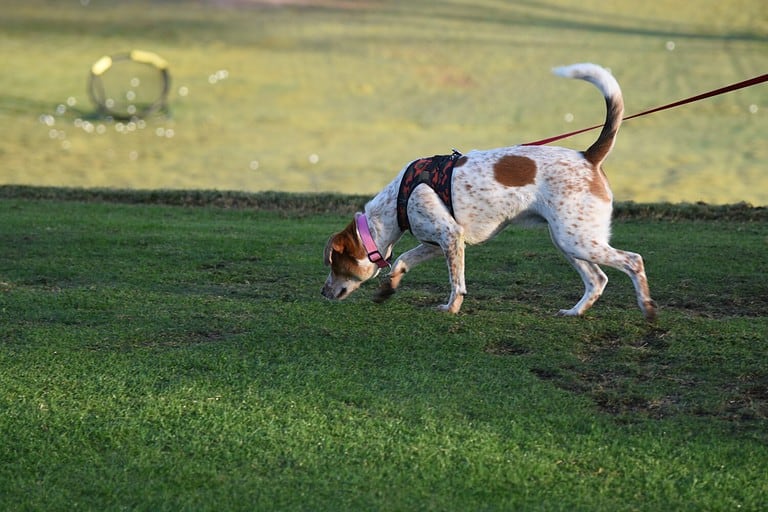
Don’t carry your Chihuahua everywhere. Even at eight weeks, you should get a harness and leash that work for your small dog and begin walking them. Dogs that are carried tend to be less sure of themselves and may want to be carried all the time as adults.
You should also start house training. However, Chihuahuas are so small that their bladders are exceptionally tiny. They may need to go outside every half hour – far more than most owners can take them outside. Therefore, this is one of the few breeds we recommend pee-pads or some sort of indoor potty area for.
When your Chihuahua is older, they can begin using the bathroom outside. However, unless you can take your dog outside all the time, you’ll need to seriously consider an indoor potty area.
You should also begin basic commands at this age. “Sit,” “come,” and “wait” are all essential commands for this breed to learn. A recall can be very important for this breed, as you want them to come to you quickly in the case of an emergency. Therefore, you may want to focus particularly hard on the “come” command.
3 to 6 Months
At this age, continue socialization. Your dog will be almost fully grown at this point, so you can allow them to interact more freely with other dogs. Take your Chihuahua to the park (walking on a leash, not being carried) and consider continuing group classes to provide more advanced training.
You can start to move your dog’s potty area outside at this age, too. Your dog should be big enough to have some more bladder control, and they should only need to go outside every couple of hours. If you trained your dog previously on a pee pad or indoor potty spot, slowly move the spot towards the door and then place it outside.
Accidents are likely to occur during the transition, especially as you learn your dog’s routine. However, most Chihuahuas are fully potty trained at six months.
You can start more advanced commands at this stage, too. These commands aren’t technically necessary for this breed, as they are so small. However, commands like “leave it” and “heel” can still be useful.
6 Months and Up
Your dog should be mostly trained by six months. However, that doesn’t mean you should necessarily stop training altogether. Your Chihuahua will benefit from regular training to keep the cues fresh in their mind. However, at this point, this training should include more real-world settings.
For instance, you should try to practice commands at the park or your local pet store. Your puppy will probably be past just practicing sessions at home.
5 Steps for Training Your Chihuahua
Training your Chihuahua isn’t hard, but you should follow a few basic steps:
1. Gather Supplies
To train your Chihuahua properly, you’ll need some basic supplies. You’ll need a soft collar or harness for your dog to wear and a lightweight leash. Don’t skimp on these pieces of equipment just because your dog is little. You should not carry your Chihuahua, which can make them fearful and unconfident. Instead, allow them to walk on a leash like any other breed.
Purchase small, tasty treats for your Chihuahua, too. The treats must be exceptionally small so your dog can eat them without consuming tons of calories.
Invest in a crate, as well. Luckily, because these dogs are so small, you shouldn’t need a very large crate. However, crates are necessary for crate training, which can help prevent separation anxiety.
2. Start with Basic Commands
You should start training your dog just like any other with some very basic commands. These commands help you control your dog and are needed for more advanced commands. Here’s what we recommend starting with:
- Sit
- Stay
- Come
- Wait
- Leave it
You can teach more than one command at once. However, you should focus on really getting “sit” good before moving on to stay and other commands.
3. Housetrain Your Chihuahua
Housetraining your Chihuahua will be exceptionally difficult. They’re very small dogs with little bladders, so they must go outside almost constantly when they are little.
For this reason, you may want to consider making them an indoor area for them to use the bathroom when they are puppies. You would train them to use this spot just like you would train them to go outside. Take them to the correct spot every hour or less and give them a treat when they use it.
Once your dog is older, you can move their potty spot outside and slowly remove it.
Those who are home much of the time can teach their Chihuahua to go outside from the beginning – with the understanding that you will be taking them outside a lot for the first few months.
4. Socialize Your Chihuahua
Socialization is vital for all dogs. However, it’s even more important for small breeds like Chihuahuas. Socializing your Chihuahua will ensure that they are comfortable around people, animals, and in new places when they are adults. Otherwise, you may end up with an exceedingly nervous, anxious dog.
Socializing your CHihuahua is pretty straightforward. You simply want to introduce them to as many experiences and people as possible when they are young. Plan on doing several outings each week for the first six months of your dog’s life. Take them to the park, dog-friendly stores, and anywhere else they can meet new people.
You should consider puppy classes, as these allow your dog to meet similar-sized dogs in a controlled environment. While these classes are focused on training, the socialization they offer is really helpful.
Be patient and always keep the experience positive. If your puppy gets scared, remove them from the situation and try again another time (perhaps more slowly). You want your puppy to love your outings so that they aren’t scared of them as an adult.
5. Consistency
Training a Chihuahua isn’t hard, but it does require plenty of consistency. You should use the same commands consistently and keep the same house rules. Make sure everyone in your family knows how to use the cues and uses them in the same situations. Don’t bend the rules, as this only confuses your dog.
Chihuahuas often take several reiterations before they figure out a command. Therefore, it’s important to be patient. Several short training sessions will do your dog the most good.
Common Chihuahua Training Mistakes
There are many mistakes Chihuahua owners make when training these dogs. Here are some of the most common ones so that you don’t make the same mistakes:
Too Much Coddling
You should allow your Chihuahua to be a dog as much as possible, which means not carrying them around or placing them in carriers (except when necessary). When you carry your Chihuahua everywhere, you teach them that the world is a scary place and they need to be carried. Of course, this leads to an anxious dog.
Plus, they also won’t learn how to interact with the world in the same way larger dogs do. A larger puppy must figure out how to greet other dogs and people by themselves. If you’re constantly holding your Chihuahua, they won’t learn how to do this (which may make them aggressive when they are approached).
Using Negative Reinforcement
You should always use positive reinforcement and focus on what your dog can do – not what they shouldn’t do. The main problem with negative reinforcement is that it doesn’t provide the do any alternative behavior. They have to figure it out themselves.
For instance, if you tell your Chihuahua not to jump on people when greeting them, you still haven’t told them how they’re supposed to greet them. Teaching them to sit instead would be more efficient and prevent them from segwaying into a different troublesome behavior (like biting their feet or barking instead).
Being Impatient
Chihuahuas aren’t the dumbest dogs out there but aren’t the smartest. Therefore, it will take them longer to learn commands than a working breed. You’ll have to practice the basics more, but this is often fine since Chihuahuas don’t need advanced commands by any means.
Training for Too Long
Keep sessions very short, as Chihuahuas have very short attention spans. Your Chihuahua may only be able to train for two to three minutes at a time as a puppy, though this should increase to over five minutes once they are adults. Their attention span is a muscle that you have to train on top of teaching them cues.
Always stop training before your dog gets bored and starts losing focus. For instance, if you’re practicing the “sit” command and your dog sits perfectly after five tries, stop there. Several short sessions each day are much better than trying to push for a long session.
Not Using Commands in the Real-World
In the beginning, you need to teach cues in isolation. Your Chihuahua must be taken somewhere quiet and distraction-free to learn how to “sit.” These sessions should continue until your puppy can sit well and quickly about 80% of the time. Then, you need to start practicing “sit” elsewhere.
For instance, you may tell your puppy to sit while meeting a new person at the store. You could tell them to sit at the door before you let them outside (or inside). You could have them “sit” for their food bowl.
Moving the commands into the real world is a process that takes time. Your puppy won’t always get it right, but with practice, they will get better. It’s this practice that many owners mistakenly skip. Your Chihuahua won’t be able to go from sitting in a training session to sitting in a room full of distractions.