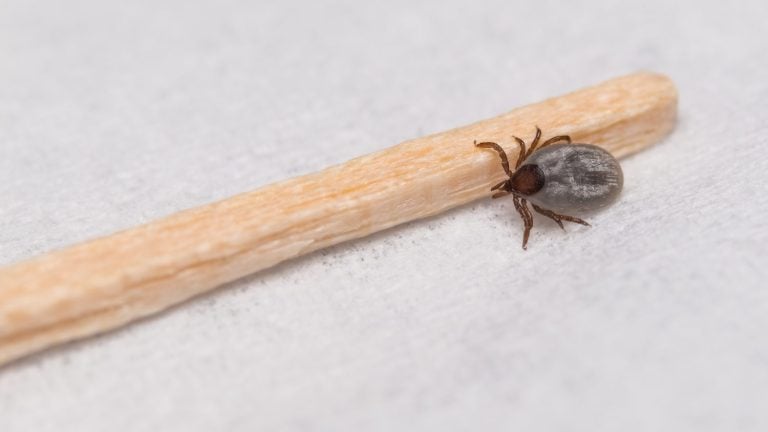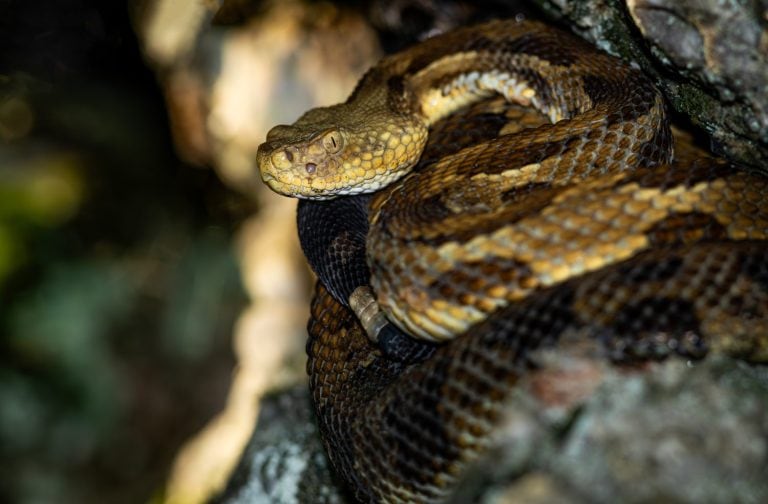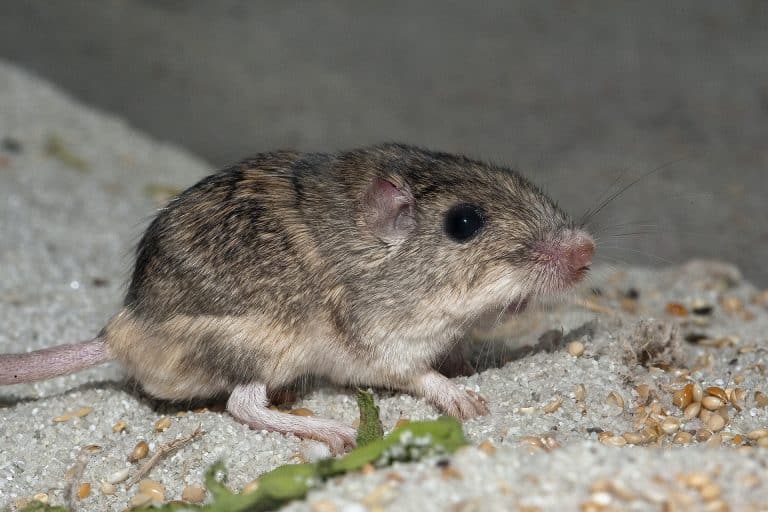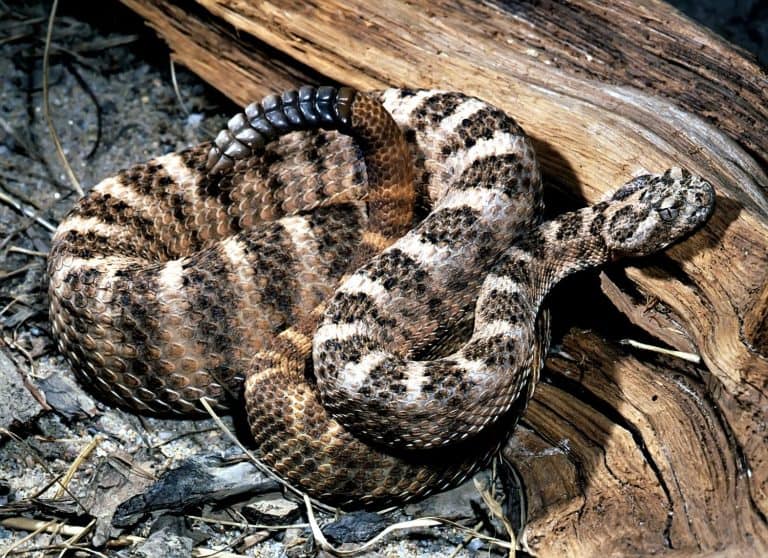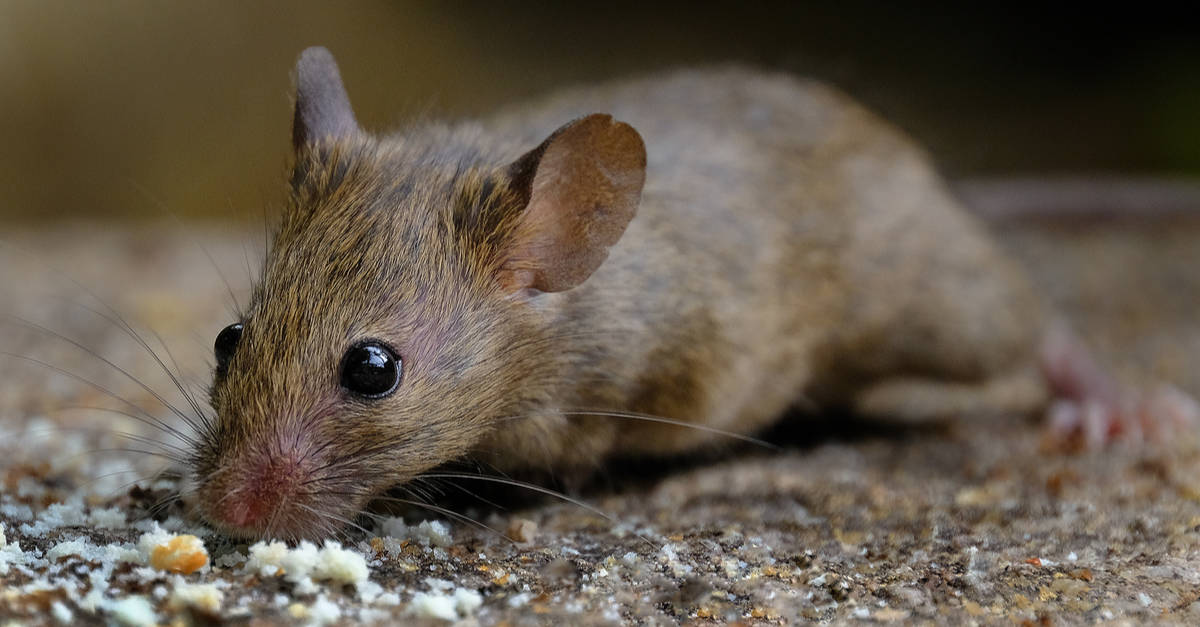

The wonderful world of tennis is helping nature’s tiniest mammals survive. Each year, following Wimbledon, thousands of used tennis balls are donated to UK Wildlife Trust. Volunteers at the organization then drill holes into the fuzzy balls to create nesting “houses”. These ball-shaped homes are then fastened to poles, where little harvest mice stumble across them. Upon discovery of the unique real estate, harvest mice move into the elevated structures, which are safe from ground predators like snakes. The roughly 55,000 donated tennis balls are helping to alleviate habitat loss for these wee rodents. Mouse point!
Mice are common rodents throughout the world, across 1,100 species. Though they all have varying characteristics, the majority of them are best described as small, fast, and furry! Today, we’re exploring the most common mouse species that you’re likely to come into contact with.
This post was updated on July 12, 2025 to include information on Wimbledon’s tennis ball donation.
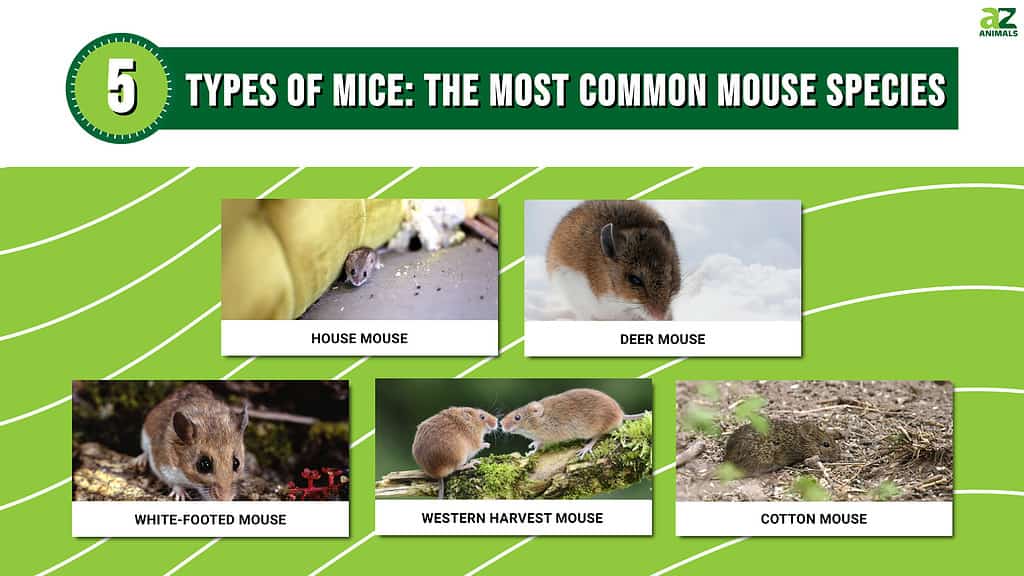
Keep in mind that we are primarily concerned with the most common mice in the U.S., but we will discuss species from around the world, too. After all, some of the most common mouse species overlap territories around the world.
Mouse Details
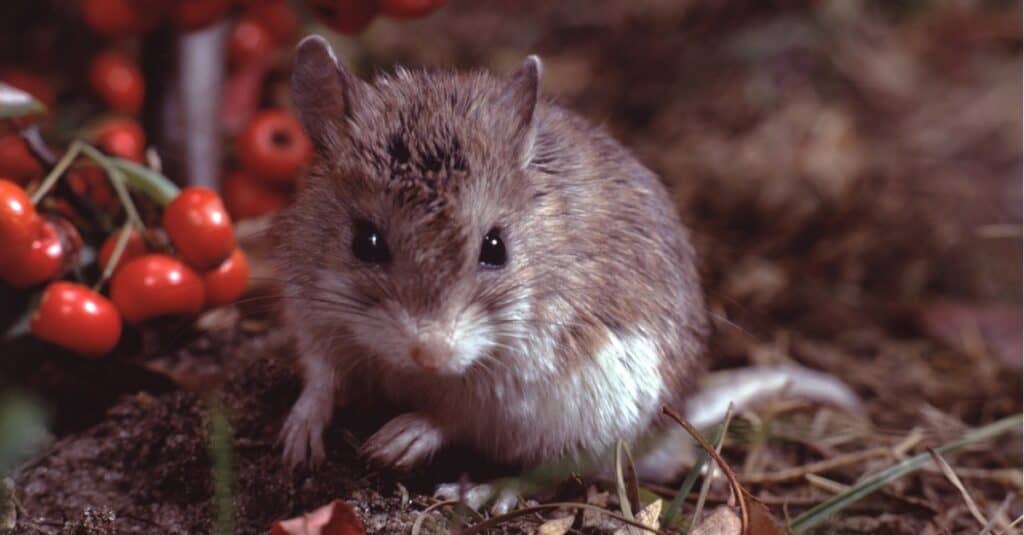
There are many species of mice but they all share similar features.
©Liz Weber/Shutterstock.com
Mice are small mammals that share a variety of characteristics. They are very small, sometimes just a few inches long, and they have relatively long tails, a snout that comes almost to a point, and small ears. Oftentimes, the most common mouse species measure between 4 and 7 inches and weigh between 0.4 and 3 ounces.
Mice are known for having a short gestation period and litters that range between 4 and 10 individuals. Mice are somewhat short-lived creatures, living between 2 and 7 years.
Also, mice belong to the order Rodentia, and they belong to several families, many genera, and many species. However, the animals called “true mice” belong to the family Muridae. It’s currently believed that there are over 1,000 species of mice across the world. Some of them are more common than others, and some of them are considered true mice and others are not.
How Are Mice Different from Rats?
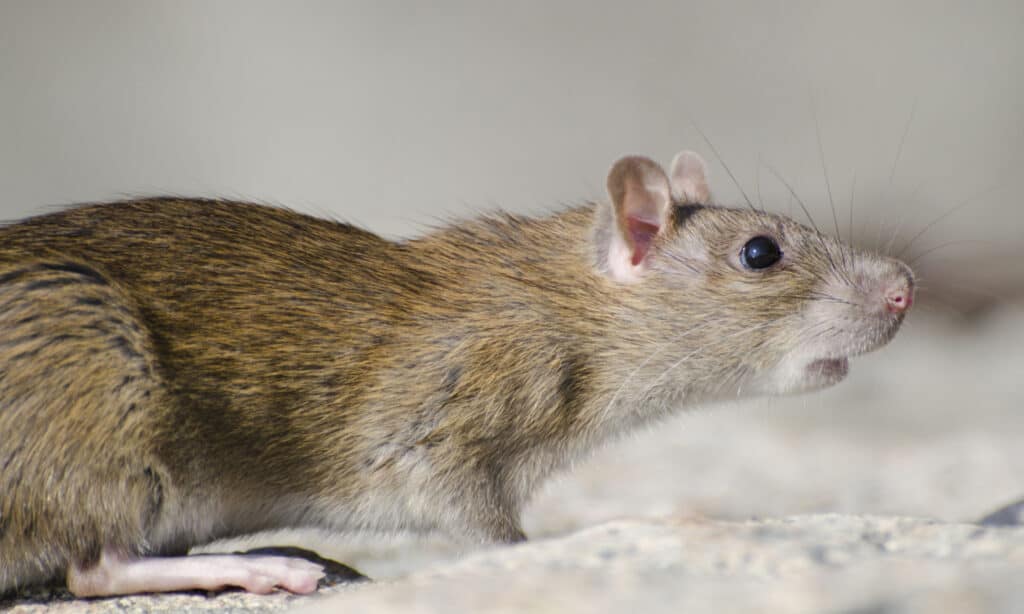
Although both rodents, mice differ from rats in size and shape and habitat.
©Oakland Images/Shutterstock.com
Mice are distinct from rats even though the two share some common traits as rodents. However, one of the most frequent distinguishing factors for these animals is size. Rats have larger and heavier bodies than mice. Also, rats have longer and thicker tails than mice when compared to their overall size.
Rats have hairless and scaly tails but mice have thin and hairy tails in most cases. It’s easy to tell these animals apart based on their choice of habitat, too. Rats tend to survive in urban areas, but mice tend to live in rural and suburban areas. Both prefer being close to humans, though. They enjoy the opportunity to steal food from human settlements.
The Most Common Mouse Species
5. Cotton Mouse
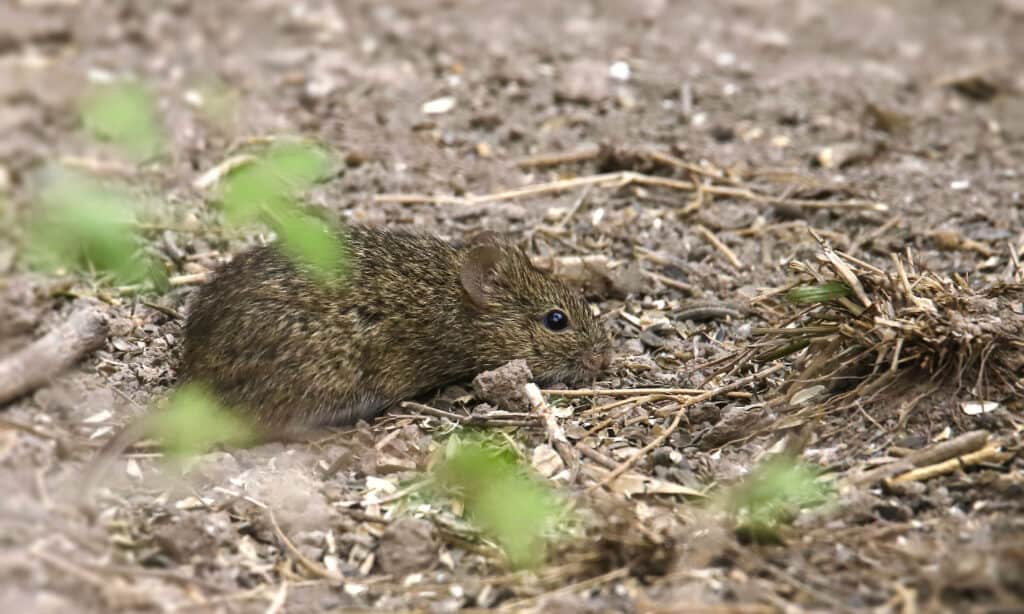
The cotton mouse is prominent in southern US states.
©iStock.com/Nancy Strohm
The Peromyscus gossypinus is known as the cotton mouse. This mouse is found in many places throughout the U.S., but it is most prominent in the southern states. The animal commonly stays in the woodlands, but it has no qualms about invading homes and garages.
This mouse is known for having a white stomach and feet along with brown fur on its topside and head. It actually looks like another member of this list, the white-footed mouse, but it’s larger in body size and skull. They average between 3.1 and 3.9 inches long, but closer to 7 inches when counting their tail length.
4. Western Harvest Mouse

Two Harvest mice sitting on a branch. Mice can chew through anything softer than their teeth.
©colin robert varndell/Shutterstock.com
As the name suggests, the western harvest mouse is primarily found in the western states in the U.S. However, its range includes states as far east as Indiana. Like many other species, the western harvest mouse has brown fur and a white stomach. However, they also have a white stripe that runs down their sides along with a yellowish-buff color fur on the sides of their body.
These mice can measure anywhere between 4 and 5 inches, but a lot of that length comes from their tails.
3. White-footed Mouse
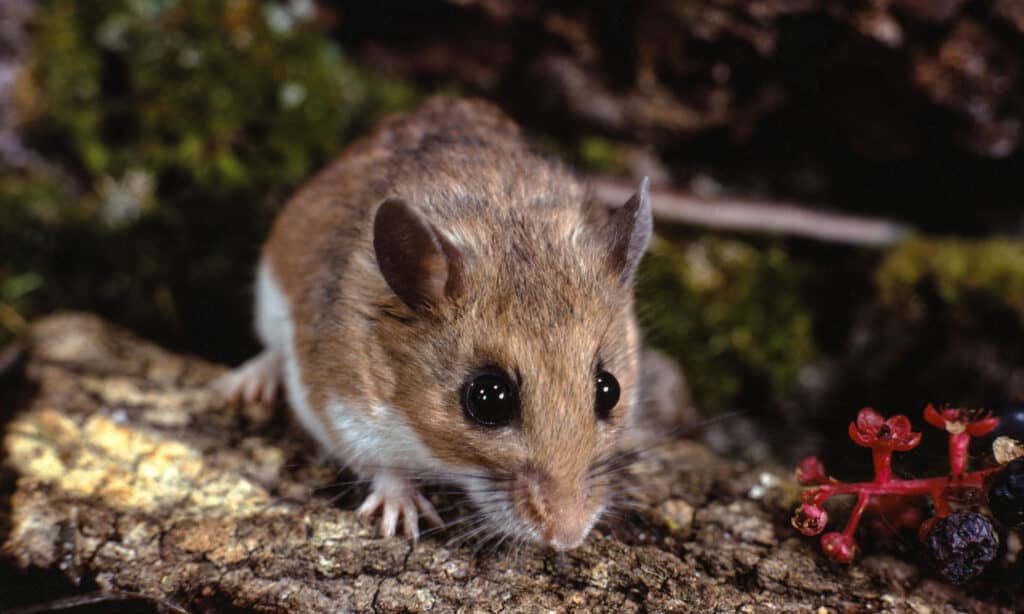
White-footed mice stand out with their light feet and white furry undersides.
©iStock.com/Weber
As you might imagine, it is easy to spot the white-footed mouse due to its light pink feet and white fur that surrounds them. The mouse is very widespread. It can be found in parts of Canada, all but the western coasts of the United States, and deep into Central America.
This mouse only weighs a little over an ounce, and it can grow anywhere up to 7 inches long including its tail. The white-footed mouse is very common, and it has been given many names. Among them is the woodmouse, a name that is common in the southern U.S. The mouse is notoriously short-lived in the northern parts of its habitat. This mouse only lives between 1 and 2 years in those areas.
2. Deer Mouse

Deer mice have a strong resemblance to the white-footed mouse
©Danita Delimont/Shutterstock.com
The deer mouse goes by a few different names, but that’s to be expected of an animal with such a widespread distribution. They can be called the North American deer mouse or the eastern deer mouse. The deer mouse is found throughout Canada, the U.S., Mexico, and other parts of Central America.
They grow between 5 and 7 inches in length, and they are very hard to tell apart from the white-footed mouse. The deer mouse can be distinguished because it has a two-toned, brown-and-white tail. The deer mouse is frequently used in scientific studies, but it’s not quite as popular as the number one member on our list.
1. House Mouse
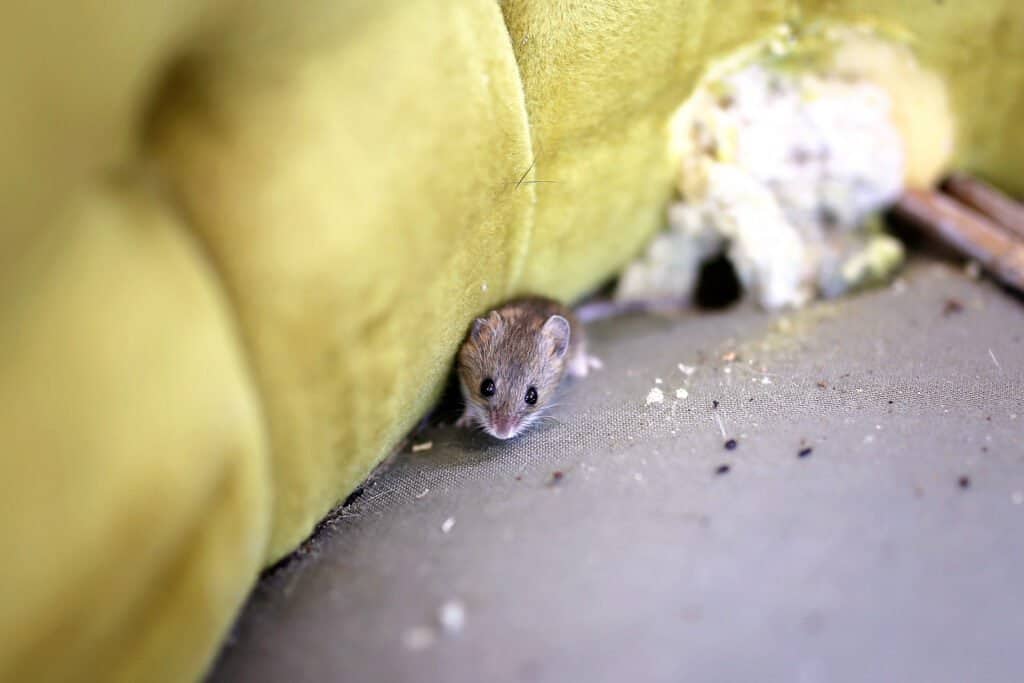
The house mouse is likely the most common mouse species in the world.
©ChristinLola/Shutterstock.com
The Mus musculus or house mouse is probably the most common mouse species in the entire world. You can find the house mouse on every continent except Antarctica. These mice can measure between 5 and 8 inches including their tails and they weigh about an ounce and a half.
Aside from being one of the most common mouse species, they’re also one of the most significant. They are the model organism used in laboratory studies for a variety of scientific disciplines.
In the wild, they are found occupying homes and areas near them. They live in fields and farmlands, and they’re always looking for food. This species is commonly kept as a pet and it’s also one of the most common types of pests. In fact, they were originally from Europe and spread across the world due to exploration and colonization.
Now that we’ve looked at the various types of mice and the most common mouse species, you should have a pretty good idea of what mice are most likely to live near you. Unfortunately, identifying species is rather difficult, as they are all small, brown, and quick!
Summary of the 5 Most Common Mouse Species
| Rank | Species | Location | Size |
|---|---|---|---|
| 5 | Cotton Mouse | Especially prominent in the southern states | 3.1 – 3.9 inches (About 7 inches with tail) |
| 4 | Western Harvest Mouse | The western states of the U.S | 4 – 5 inches (tail included) |
| 3 | White-footed Mouse | Canada, the U.S (excluding western coasts), Central America | 7 inches (tail included) |
| 2 | Deer Mouse | Canada, the U.S, Mexico, and Central America | 5 – 7 inches |
| 1 | House Mouse | Every continent except Antarctica | 5 – 8 inches (tail included) |