

The liver plays a vital role in the health and well-being of our canine companions. The liver is responsible for many body processes that a dog needs to function each day. These range from proper digestion of their meals to helping the body break down toxic substances. The canine body relies on the liver for many important tasks, which is why liver disease can be so damaging.
There are many types of liver diseases in canines, so let’s discuss some of the most common. While some occur due to congenital issues, others develop due to exposure to a harmful agent.
We discuss everything you need to know below!
Understanding the Role of the Canine Liver

The canine liver carries out hundreds of functions that keep our furry friends alive.
©Prystai/Shutterstock.com
The liver is a truly vital organ. The canine liver carries out hundreds of functions that keep our furry friends alive. Some of the most important ones are:
- Assisting in food digestion by metabolizing carbohydrates, proteins, and fats
- Helping the body break down medications
- Producing the bile acids that are needed for food digestion
- Breaking down natural toxins that can occur within the body
- Supporting the dog’s immune response
- Assistance in creating the proteins needed for blood clotting
- Helping the body create red blood cells
The above functions are essential to keeping our canine friends alive and healthy. But there are many other important tasks the liver plays a role in as well. Now that you know just how important the liver is, you can see why liver disease is so devastating to our canine companions.
What Is Liver Disease in Dogs?
The canine liver is known to be a tough organ. It can often regenerate when it is injured or exposed to a toxin, but it is not indestructible. The liver’s strengths can also be a weakness, as the organ can be injured when attempting to metabolize certain toxins. There are also many factors that can severely damage a dog’s liver, ranging from infectious disease to toxicities.
If the liver is injured to the point of sustaining major or long term damage, it can become more challenging for the organ to function properly. When the organ is unable to function as it normally would, we then refer to this as liver disease.
Symptoms Of Liver Disease in Dogs
Spotting symptoms of liver disease is important. We always suggest being on the lookout for the signs below, so you can get your pup to the vet if needed.
Some of the most common signs of liver disease in dogs include:
- Decreased appetite
- Lethargy
- Diarrhea
- Vomiting
- Weight loss
- Increased thirst
- Increased urination
- Distended abdomen due to fluid in the belly
- Pale gums
- Yellow tint to the skin, gums, or eyes
- Neurological symptoms such as tremors, confusion, and seizures
If you notice any of these symptoms, have her assessed by your vet. These symptoms can range in severity based on the progression of the disease, but any of the above symptoms should warrant a visit to your vet’s office.
Now, let’s discuss the most common types of liver disease in dogs! These types of liver disease range from acute injuries to progressive conditions. However, each can result in the same damage to the organ.
Congenital Liver Disease
Some canine friends are more at risk for developing liver disease than others. This can be due to the fact that their parents passed on a susceptibility to liver dysfunction. Or they may have been born with a defect that impairs the liver function.
A good example of this is a portosystemic shunt, which is a common congenital condition in toy breeds. This condition refers to blood vessels in the abdomen bypassing the liver instead of running through it as usual. Because of this, the liver is unable to filter toxins from this blood. This causes a dangerous toxin buildup within the body. If left untreated, either medically or surgically, this condition can be fatal.
Acute Liver Damage Due to Toxins
A serious form of liver disease is acute liver damage due to a toxin ingestion. This occurs when a dog consumes something that is toxic, ranging from human medications to poisonous plants. Due to the fact that the liver is responsible for metabolizing these toxins, this organ essentially takes the brunt of the storm. These toxins can seriously damage the liver, leading to acute liver damage, and even failure in some cases.
One of the most common toxins that can damage a dog’s liver is an artificial sweetener known as xylitol. It can be found in many household items and foods, ranging from sugar free gum to certain types of toothpaste. Even a small amount of xylitol can cause severe damage to the liver, and will require aggressive veterinary care to reverse the effects. While some dogs will make a full recovery, others will sustain permanent liver damage.
Acute Liver Damage Due to Infectious Disease
Infectious disease can be a huge threat to the canine liver. Some of the most common agents include leptospirosis, a contagious bacteria, as well as the highly infectious canine adenovirus. These infectious agents attack the dog’s body and cause serious liver damage.
Some dogs will make a full recovery with aggressive veterinary care, but others will sustain permanent liver damage. Some dogs will even lose their lives to the infections themselves. Thankfully for our canine companions, both leptospirosis and canine adenovirus can be prevented with vaccines.
Drug Induced Liver Disease
Some dogs will develop liver disease due to long-term use of prescribed medications. This does not mean that the medication should not be offered as prescribed. However, your vet will recommend bloodwork once a year to check the liver. One of the most common medications that requires monitoring is phenobarbital. This is a seizure medication used to manage canine epilepsy.
Can Liver Disease In Dogs Be Treated?
If your dog has just been diagnosed with liver disease, you are likely wondering if there is a way to treat their condition, or even slow the progression of their liver disease. The answer to this question will vary from case to case. Let’s break down the factors that play a role in their prognosis.
If your dog has acute liver damage due to toxin exposure or infectious disease, then your vet will first attempt to treat the current issue. For example, if your dog ingested a dangerous toxin, then your vet will likely suggest hospital admission for treatment. Your pup will likely be on IV fluids, medications that help to deactivate the toxin in their digestive tract, and medications that support the liver.
If your dog responds well to treatment, then she may be able to make a full recovery. This will vary based on the severity of their condition, and how quickly they receive treatment.
On the other hand, if your canine friend has a congenital issue or a low progression into liver disease, then treatment can be a bit more challenging. Your vet can offer liver support medications and a special diet to slow the progression of disease. They will likely suggest performing frequent blood tests to catch any massive decline. However, you cannot always cure liver disease that is due to a chronic issue.
The only one that can discuss your dog’s recovery in detail is your veterinarian. She is the one that knows the details of your dog’s condition. She can discuss treatment options that are on the table for your little one.
How Long Can My Dog Live With Liver Disease?
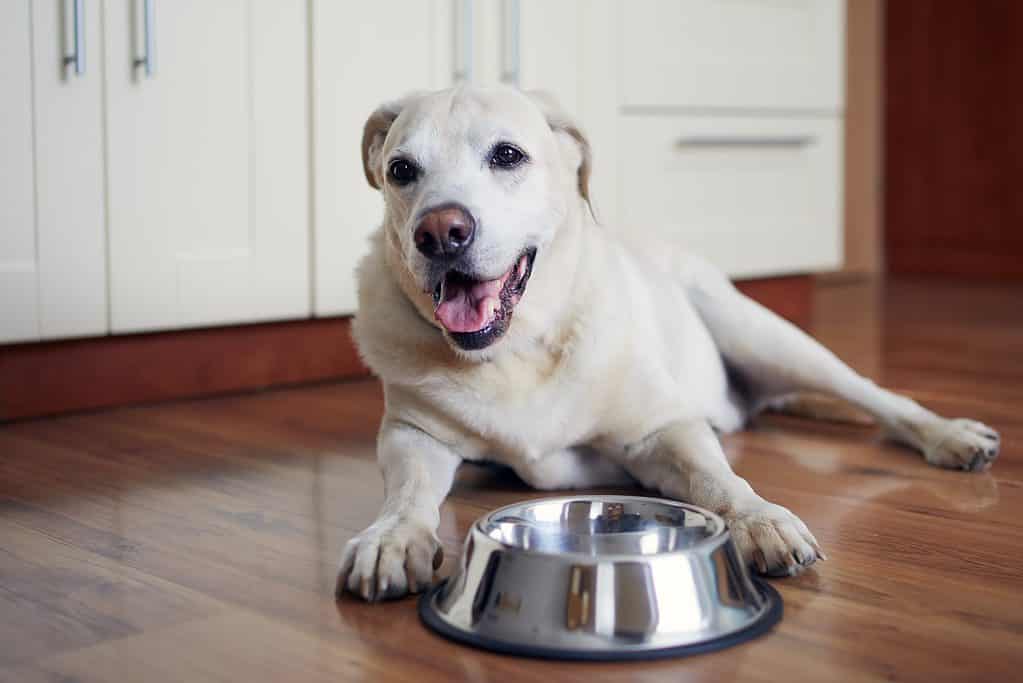
Treatment for liver disease in dogs will vary based on the underlying cause of the organ damage.
©Jaromir Chalabala/Shutterstock.com
If your dog has just been diagnosed with liver disease or liver damage, you are likely wondering if this will impact their life expectancy. Though this will vary from case to case, we can offer you some general timelines based on specific situations.
First, if your pup has sustained acute liver damage that is addressed promptly by your veterinarian, then this may not impact your dog’s future at all. However, we do suggest performing blood tests at least once a year to make sure their liver is functioning properly. It is possible to see liver function decline further down the line.
If your dog has been diagnosed with chronic liver disease, then average survival time will vary based on how much organ function remains. For example, if your pup’s liver enzymes are slightly elevated and your vet has them on a management plan, then your pup could have anywhere from one to three healthy years left. However, if her liver enzymes suggest end stage liver failure, your pup could have anywhere from onw to six months.
Again, the only way to receive accurate information on your dog’s life expectancy is through a conversation with your vet. By assessing liver values and the current symptoms, you vet can offer you the most accurate prognosis possible. Every case will vary, so we suggest trusting your vet’s guidance.
Final Thoughts On Canine Liver Disease
Liver disease is a scary diagnosis in our beloved companions. We hope education on the topic can help offer clarity and ease concerns.