
Quick Take
- Anoles are called insectivores, but there are a few items on their menu that have nothing to do with insects. See their full diet →
- Feeding your pet anole bugs you caught outside seems harmless, but it could seriously backfire. Avoid pesticide risks →
- Anoles share color-changing fame with chameleons, but the way they do it is fundamentally different. See how color change works →
- An anole won't strike at prey it can clearly see, and understanding why reveals exactly how it hunts. Explore their hunting strategy →
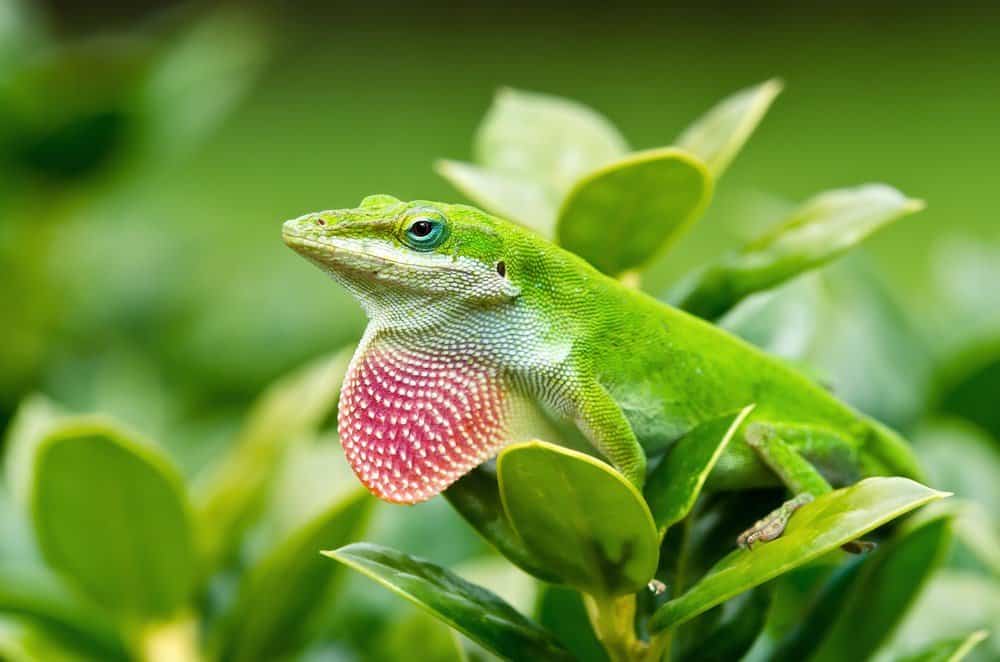
Although over 400 species of anoles exist in the Caribbean and Central and South America, the green anole (Anolis carolinensis) and the brown anole (Anolis sagrei), an introduced species, are widely distributed throughout the Southeastern United States. The green anole is a small lizard, typically 5–8 inches long with a long tail, pointed snout, and bright green, brown, or brownish-green coloration. Green anoles have adhesive toe pads for climbing and possess the ability to change color based on temperature or stress. Green anoles are popular pets in North America due to their small size and vibrant color changes. These colorful little lizards are insectivores that consume live insects. Continue reading to discover everything you need to know about what green anoles eat.
What do Anoles Eat?
Anoles are insectivorous and eat spiders, crickets, beetles, flies, worms, ants, and termites.
As insectivores, green anoles primarily eat insects, but they may also consume other small invertebrates and occasionally nectar or plant matter. These small lizards are native to the Southeastern United States, and their diet reflects this ecological niche. You can see anoles scampering across hot sidewalks or carefully perched on branches during the warmer months of the year.
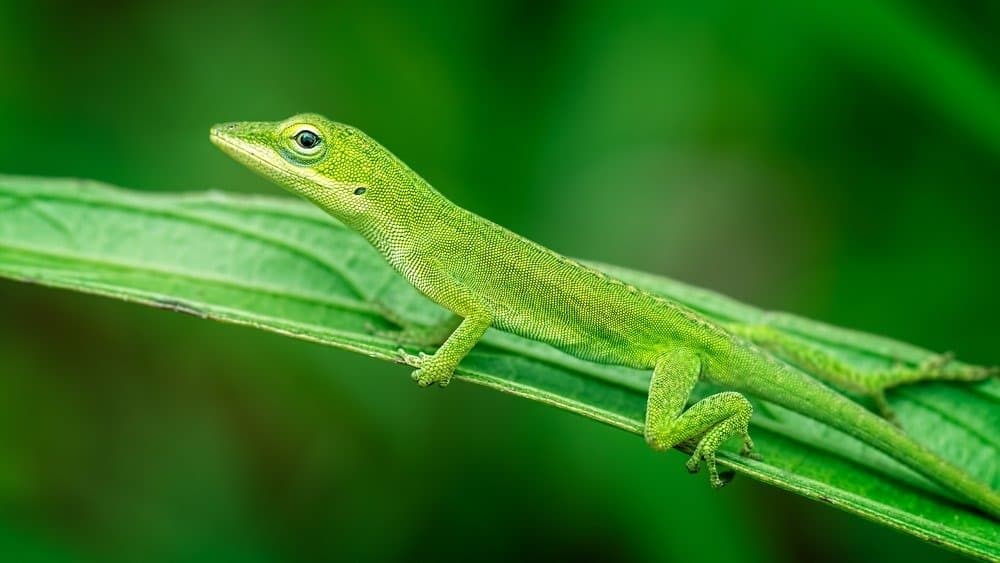
Anoles eat insects and typically hunt spiders, crickets, beetles, flies, worms, and ants.
©Brad Boland/Shutterstock.com
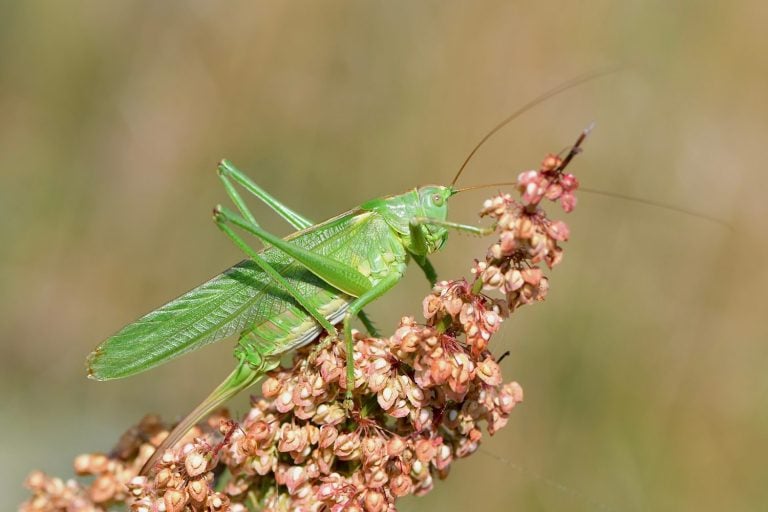
Anoles eat almost anything smaller than they are. In the wild, these little lizards chase down small bugs such as spiders, flies, crickets, moths, and butterflies. They will also eat slow-moving prey such as slugs and worms. As hunters, they have an active role in their diet and regularly search for food while scampering along the ground or in trees.
Green anoles are found in high-humidity zones like swamps, forests, and wooded beaches. In these humid areas, food is plentiful, and anoles eat 2-5 insects a day.
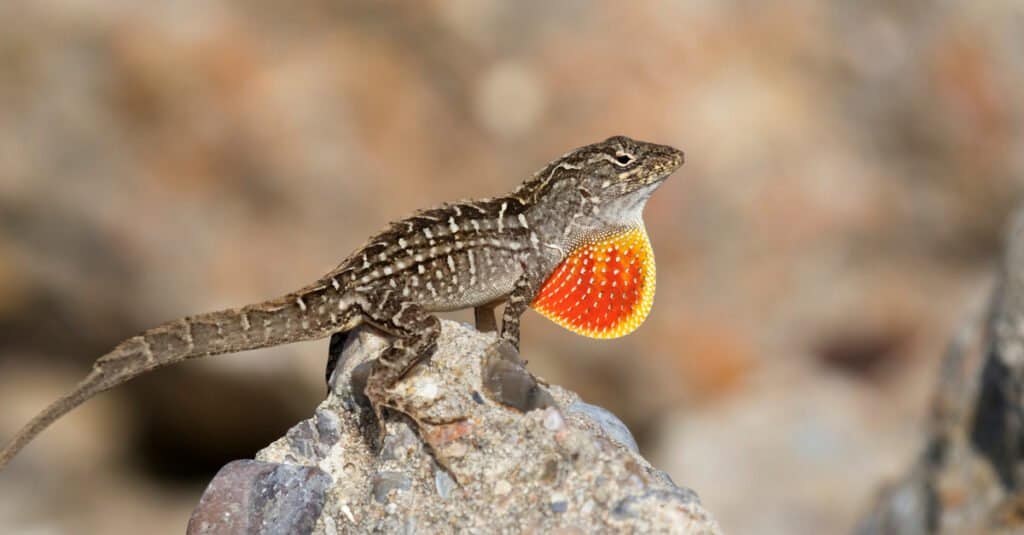
Anoles will occasionally drink nectar and eat various grains and seeds.
©Natalia Kuzmina/Shutterstock.com
Anoles are insectivores and eat all sorts of insects. Here’s a complete list of foods that anoles eat in the wild and in captivity:
- ants
- spiders
- termites
- crickets
- grasshoppers
- butterflies
- moths
- cockroaches
- beetles
- worms
- slugs
- young skinks (rare)
- grasses and seeds (rare)
An anole in captivity requires between three and five crickets per day to sustain itself. The number is likely similar in the wild.
How do Anoles Hunt?
For an anole, hunting is a straightforward proposition. They sit motionless until they sense potential food. However, their prey must be moving before they notice it. However, their prey must be moving before they notice it. They pounce on it, bite down, chew slightly, and swallow it nearly whole.
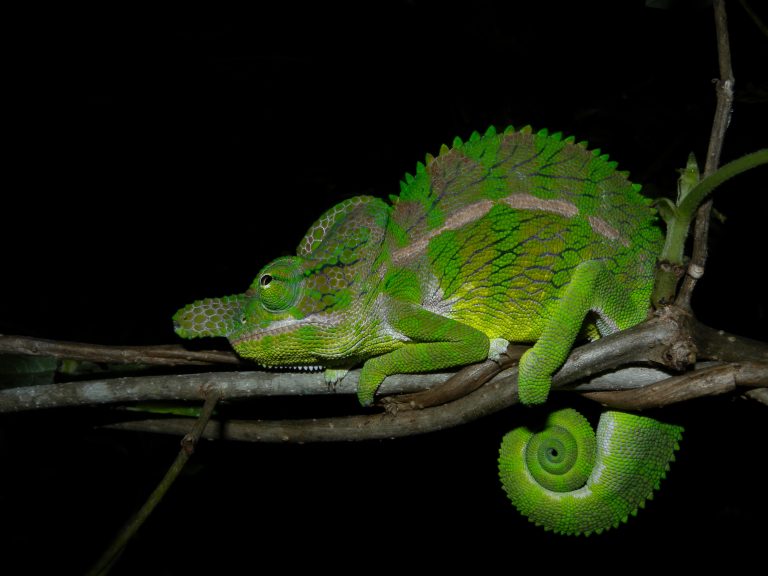
One of the coolest things about anoles is their ability to shift colors. Green anoles can shift from bright emerald green to a dark shade of brown. Unlike chameleons, whose color changes are highly controlled and complex, green anoles’ color changes are influenced by factors such as stress, temperature, and social interactions, but they do have some physiological control over these changes.
Pet Anoles
Anoles are common pets in the United States because they are small and easy to care for. Although green anoles are known to be easily stressed, proper care can help mitigate this. Many first-time reptile owners purchase anoles because they require little maintenance and are easy to care for.
However, as high-stress animals, they prefer to be left alone and show clear signs of stress when handled. They often turn brown and may sometimes drop their tails. Therefore, green anoles are not the best pets for young children who wish to handle them frequently. Green anoles are fragile and skittish, making them better suited for observation than interaction.
What do Pet Anoles Eat?
Anoles search for their own food in the wild, but must be fed daily in captivity. Typically, anole owners buy food from a pet store to ensure safety. Bugs caught in the wild may be toxic or contaminated with pesticides used on grass and flowers.
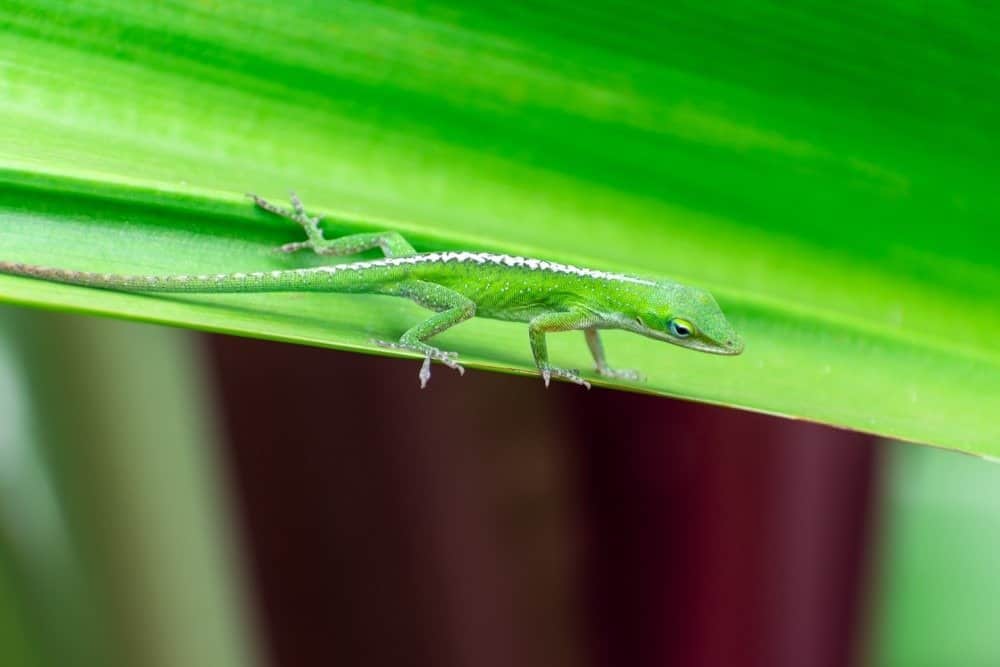
Pet anoles eat small crickets, mealworms, and fruit flies.
©Raphael Rivest/Shutterstock.com
The most common foods that owners feed anoles are small crickets, mealworms, and flightless fruit flies. Fruit puree can be given as an occasional treat.