
Have you ever looked at the birds during winter and wondered how they’re able to gather food in the cold? During the warmer months, the bluebird’s diet is comprised primarily of arthropods such as crickets, grasshoppers, and spiders. However, finding them can grow more difficult as temperatures drop and winter sets in. Although some bluebirds migrate south for the winter, food is scarce in nearly every location during this time of the year. Today, we explore six foods that bluebirds eat during the winter and discuss some ways you can help them out!
1. Berries
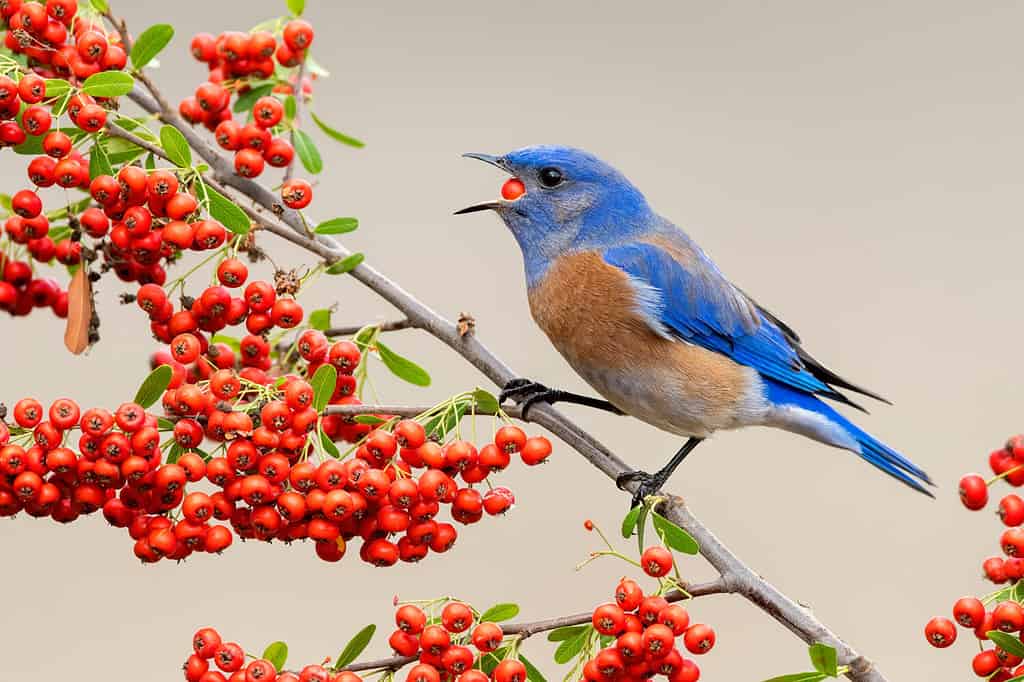
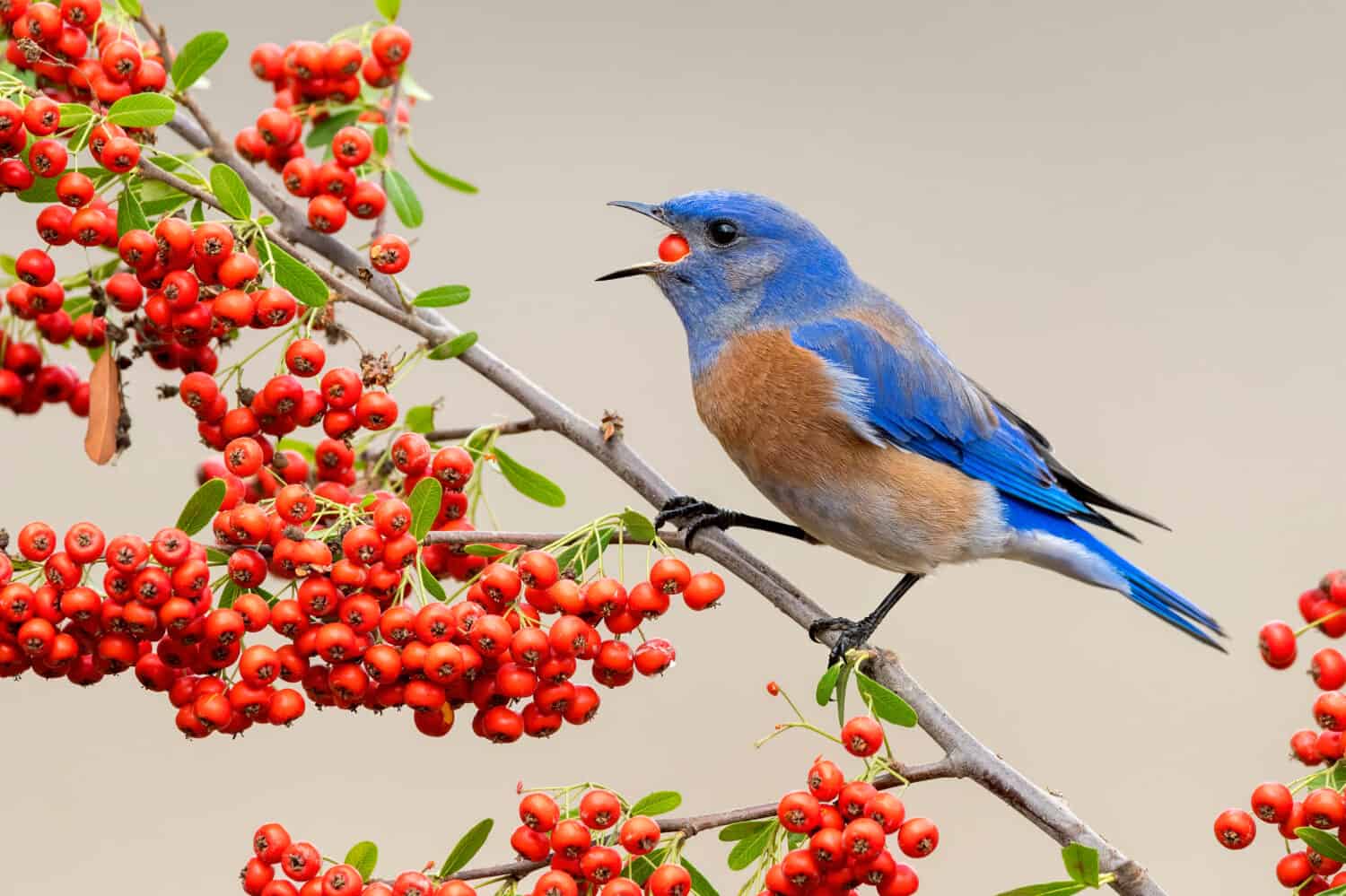
On average, wild bluebirds will live between six and 10 years of age.
©Agami Photo Agency/Shutterstock.com
Bluebirds enjoy eating a variety of berries throughout the year. During the summer and early fall, you can find them snacking on blueberries, raspberries, and blackberries. However, having access to fresh fruit during the winter can be more difficult. When the cold sets in, mistletoe berries, wild grapes, elderberries, and cedar berries become their dietary mainstays. If you’d like your backyard to become a bluebird pit stop, you can plant berry bushes such as dogwood, juniper, holly, or sumac. In addition, you can sprinkle dried fruit around. Bluebirds love raisins and dried cranberries!
2. Seeds
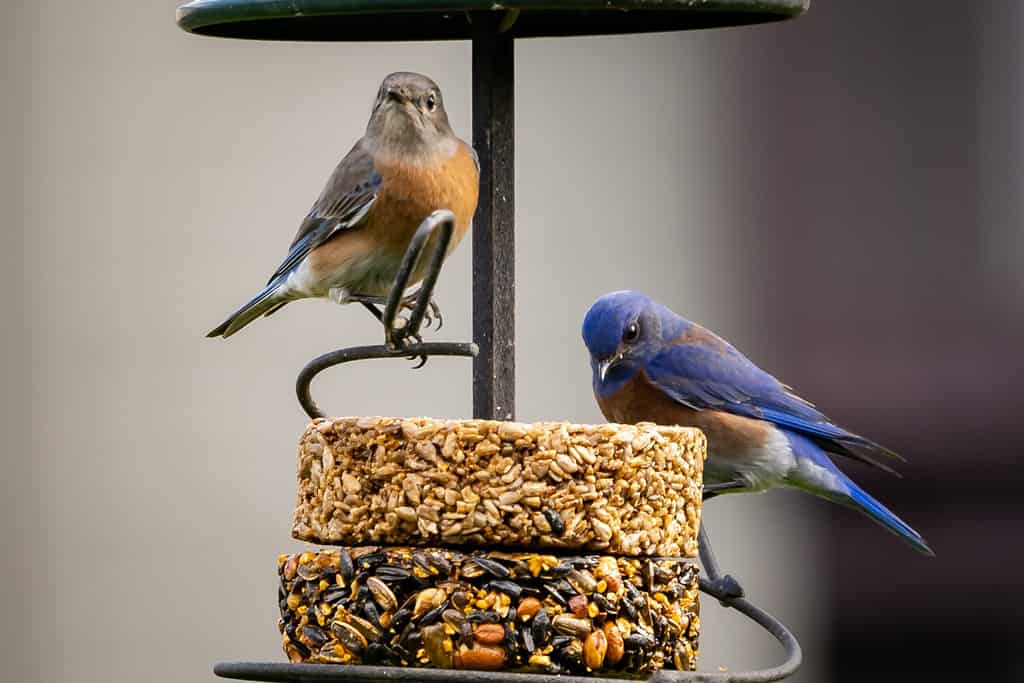
Bird feeders make a profound impact on birds’ well-being during the cold winter months.
©d murk photographs/Shutterstock.com
Although the bluebirds’ main diet consists of insects and berries, they tend to be less picky when food is scarcer. However, depending on your location, snow, and low visibility can make finding seeds difficult for birds in the winter as well. To remedy this, you can set up bird feeders on your property. Although this practice is appreciated any time of the year, during the winter, this is even more important. It’s good to keep in mind that bluebirds can be picky when it comes to bird feed. If you want to help, be sure to stock up on a mix that contains their favorites, such as sunflower seeds and peanuts.
3. Nuts
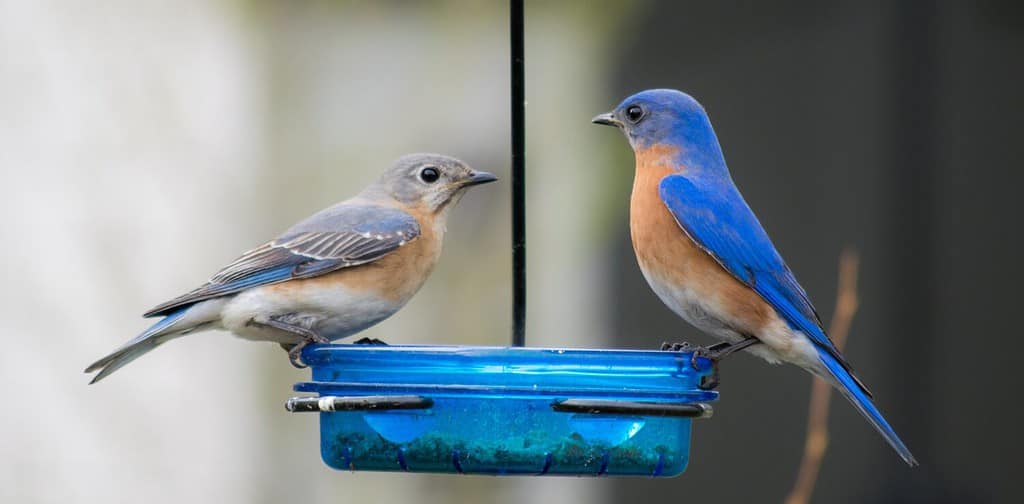
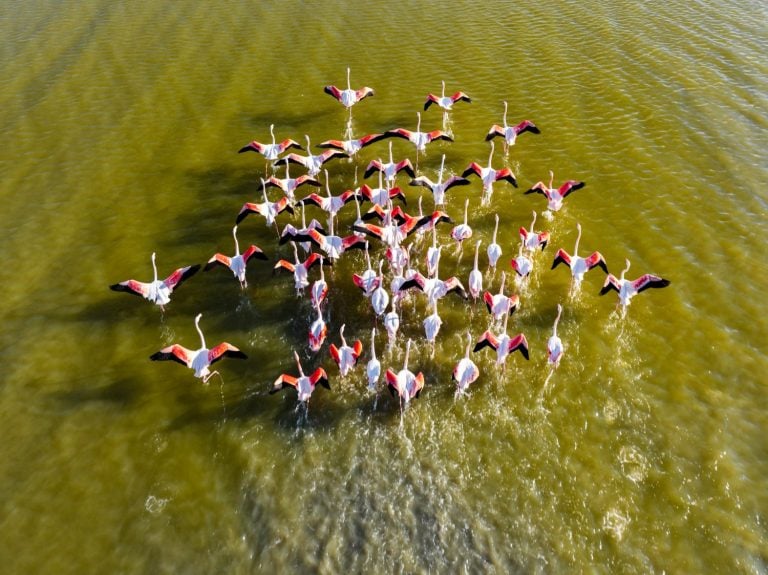
While migrating south for the winter, bluebirds usually travel in large groups.
©J Zdunczyk/Shutterstock.com
Nuts aren’t a central part of the bluebirds’ diet, but they certainly enjoy eating them as well. Peanuts and walnuts are high in protein, which can be difficult to find in the cold winter months. However, before feeding your bluebirds nuts, it’s important that you make sure that they are unsalted and finely chopped. In addition, it is important to offer peanuts and walnuts in moderation. To do this, you can create a mixture comprised of seeds, nuts, berries, and insects and sprinkle it around your yard.
4. Peanut Butter
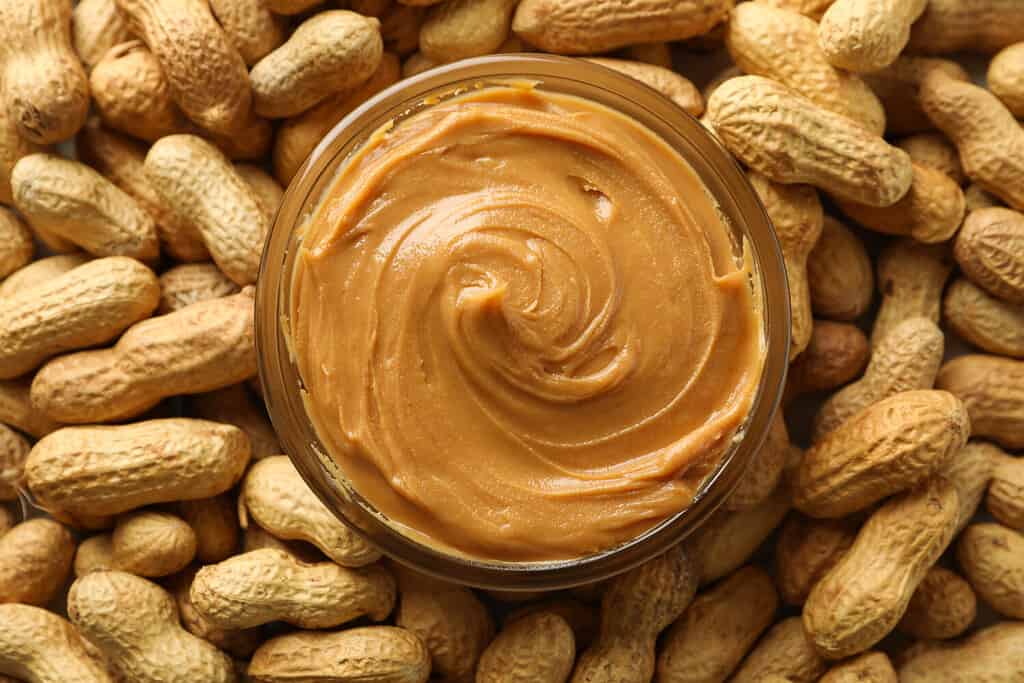
Not only is peanut butter very healthy for birds, but they usually find it very delicious.
©AtlasStudio/Shutterstock.com
According to the New York State Bird Society, individuals who want to feed bluebirds during the winter can use peanut butter to make a “bluebird banquet.” This recipe contains one cup of peanut butter, four cups of yellow cornmeal, one cup of whole-wheat flour, one cup of fine sunflower seed chips, one cup of cut-up peanut hearts, one cup of dried fruit such as raisins or cherries, and one cup melted suet. During the winter, finding food can be very challenging for bluebirds. This meal provides bluebirds with many of their nutritional needs, so if you have the time and energy, consider helping them out.
5. Suet
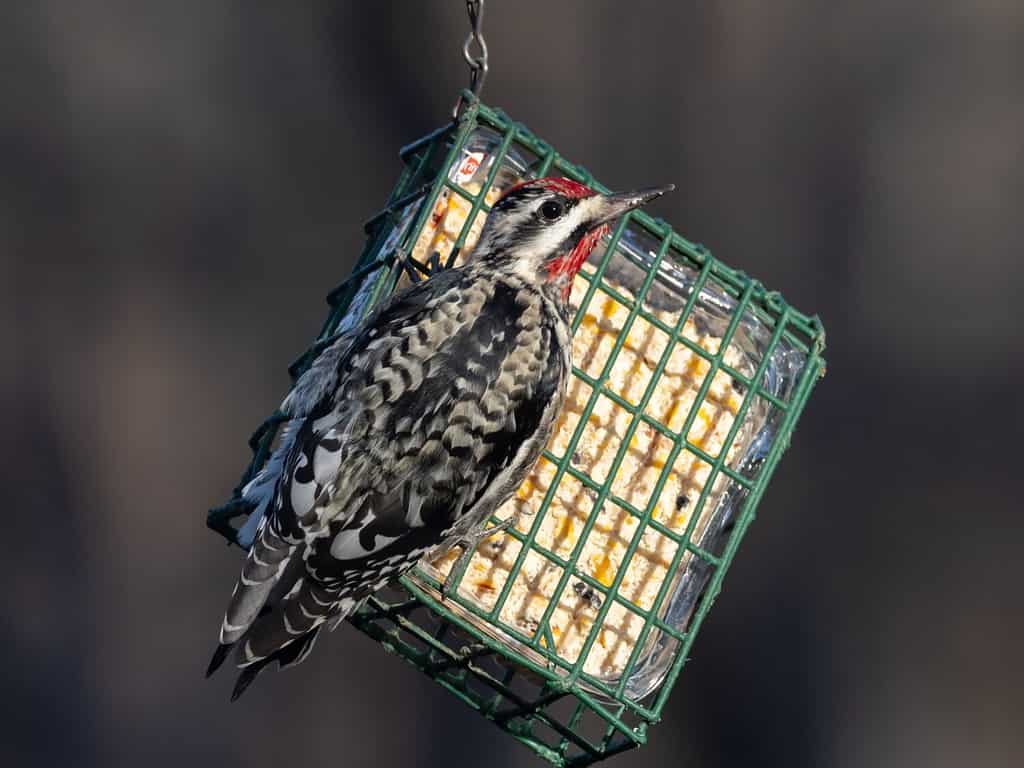
Suet is popular among a variety of bird species. It will turn your yard into a bird-watching oasis.
©Christopher Unsworth/Shutterstock.com
For those of you unfamiliar with the term, suet is the hardened fat that surrounds the kidneys of several animals, namely cows. Natural suet with no additives or preservatives can be used to create a hardy, bluebird-friendly meal. It is rich in Vitamins K, A, and D and has a high fat content. It is likely that many bluebirds will be lacking in essential nutrients during the winter. Suet is a wonderful substitution that will provide them with the energy they need.
6. Insects
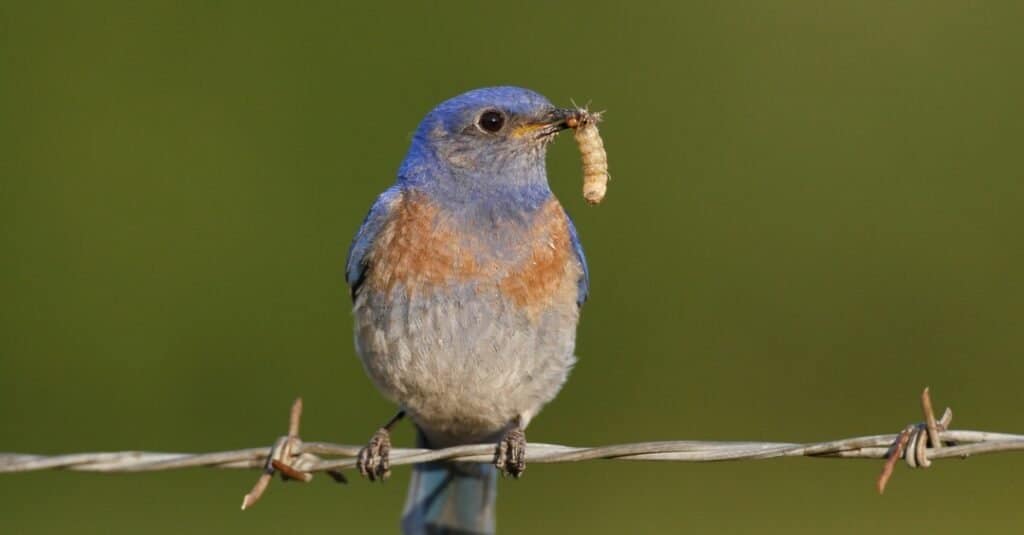
Overall, mealworms are the best food to provide bluebirds.
©iStock.com/mooninwell
As we stated earlier, finding arthropods can be difficult for bluebirds during the winter. However, it doesn’t mean they’re completely gone. Although their numbers are much scarcer, bluebirds certainly still eat insects during the winter if they can get their hands on them. This means that if you see a bug in your house, you can go ahead and throw it in the bird feeder if you feel inclined. If you’d like to take it one step further, you can purchase mealworms and leave those out for your local bluebirds as well. This meal is likely to be especially popular since insects are a rare treat during this time of the year!
| Bluebird Food | Benefits |
|---|---|
| Berries | High in carbohydrates, antioxidants, and vitamins |
| Seeds | High in protein and fat |
| Nuts | High in protein |
| Peanut Butter | High in protein |
| Suet | High in fat and vitamins A, D, and K. |
| Insects | High in protein |