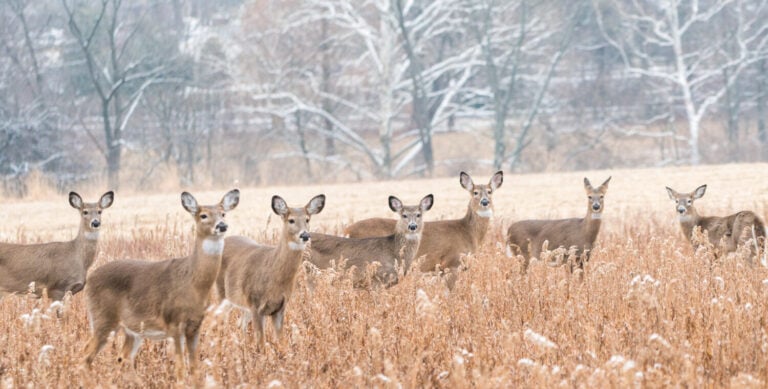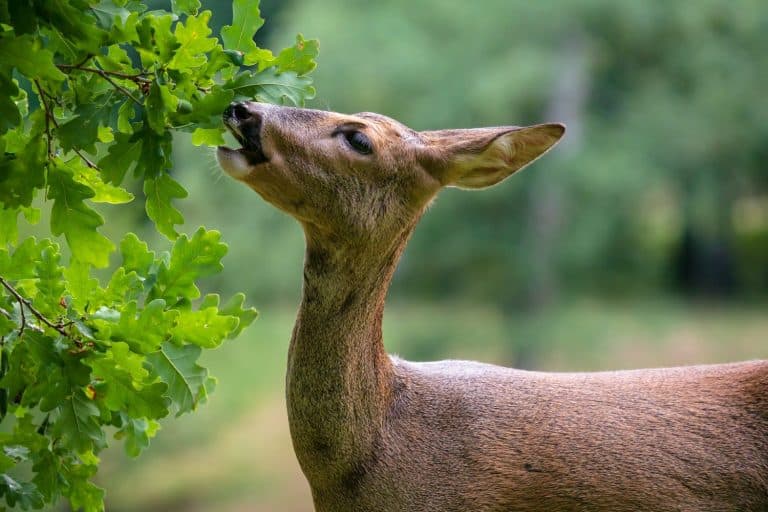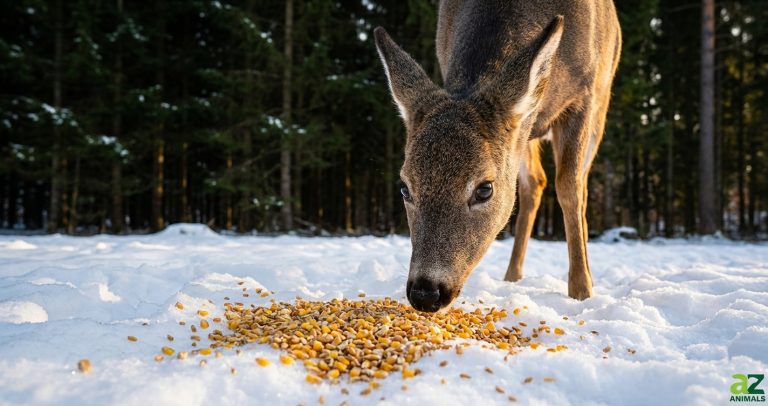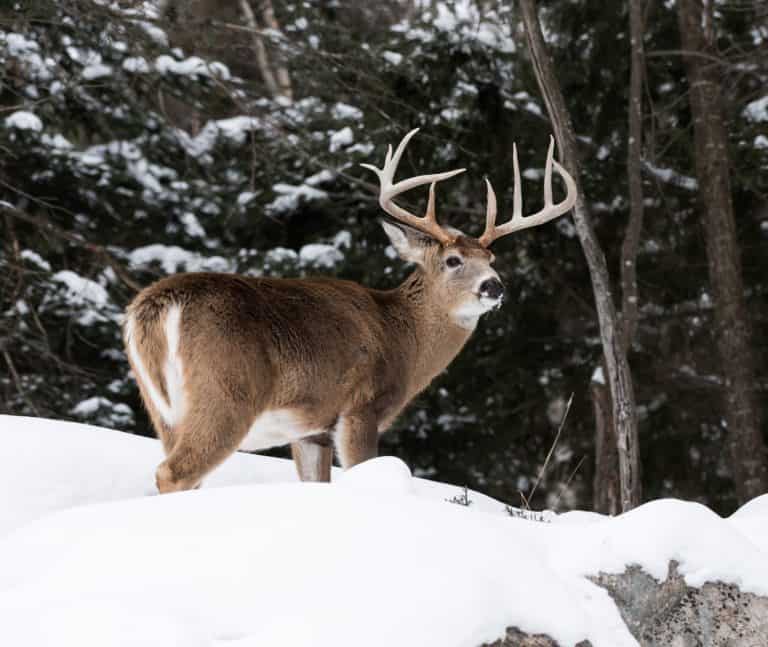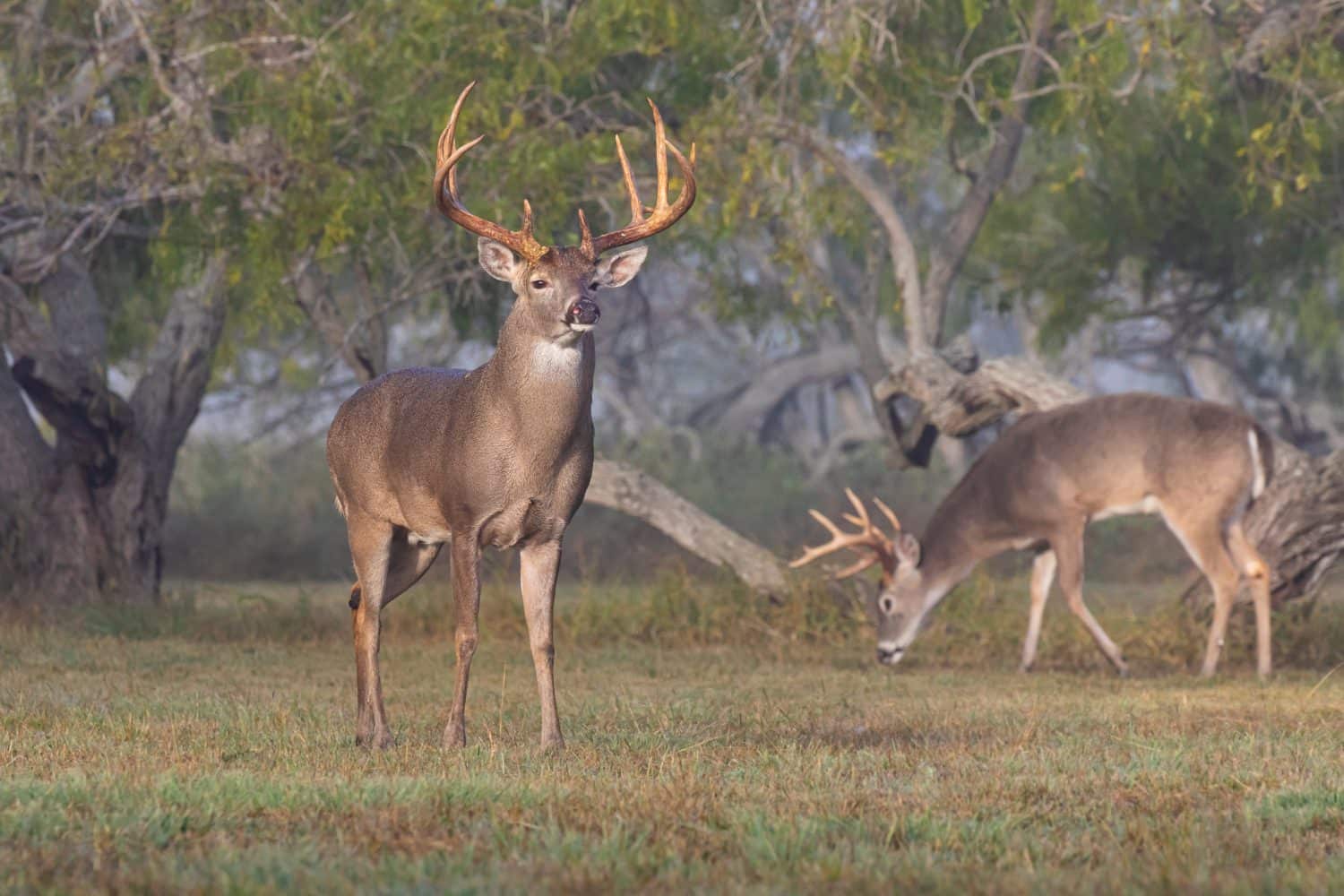

Deer are herbivorous, but they have a very diverse diet under that umbrella. A lot of people don’t have much of an idea of what these creatures specifically eat.
In addition, they tend to change their eating habits from season to season. They keep their diets in time with the shifting of what is available. In fact, the metabolism of a deer plummets significantly in the winter. This is due to the fact that most species of North American deer consume the vast majority of their calories in the spring and fall.
Winter time unfortunately represents a time when many deer are inevitably going to die of starvation. This is partially due to the diminished presence of food. However, these resourceful animals are able to make use of many different kinds of materials to nourish themselves.
If you’re a fan of deer and would like to know more about them, then take a look at this overview of some of the foods that they eat come wintertime.
1. Alfalfa
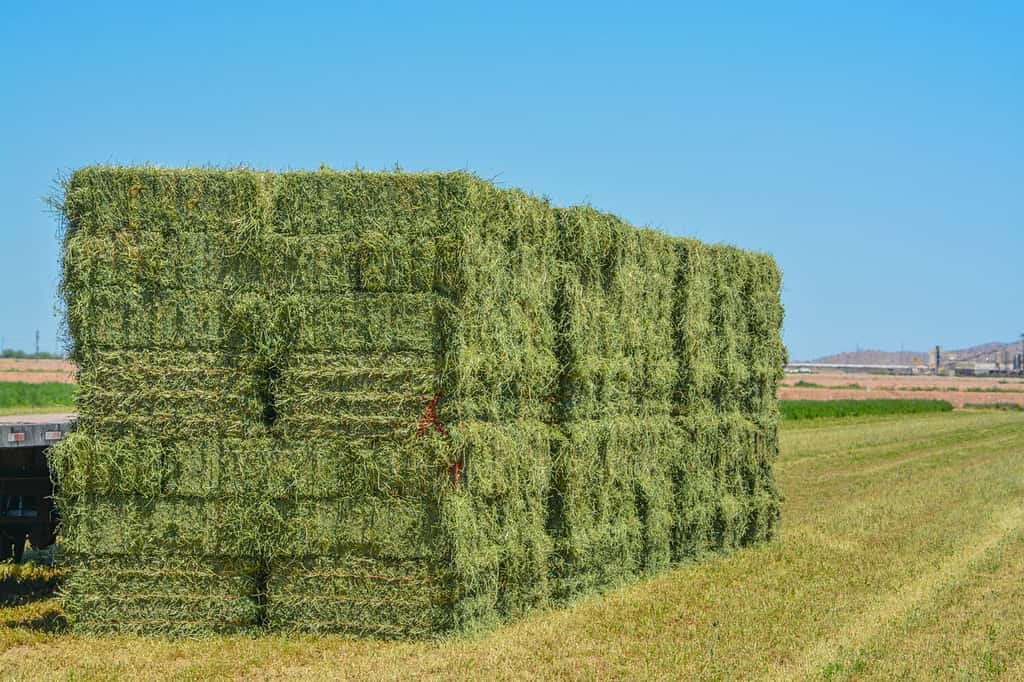
Alfalfa is used to feed commercial livestock as well.
©Norm Lane/Shutterstock.com
One common food of deer in the winter is alfalfa. This plant has the ability to grow throughout the colder months in the Northern Hemisphere.
Alfalfa grows tall enough and is hardy enough that it oftentimes sticks up through the snowpack in the winter in colder climates. This makes it an opportune foodstuff for deer in search of nourishment.
Alfalfa has found its way as a food source for many other ungulates. The food is often used to feed livestock in the United States.
2. Clover
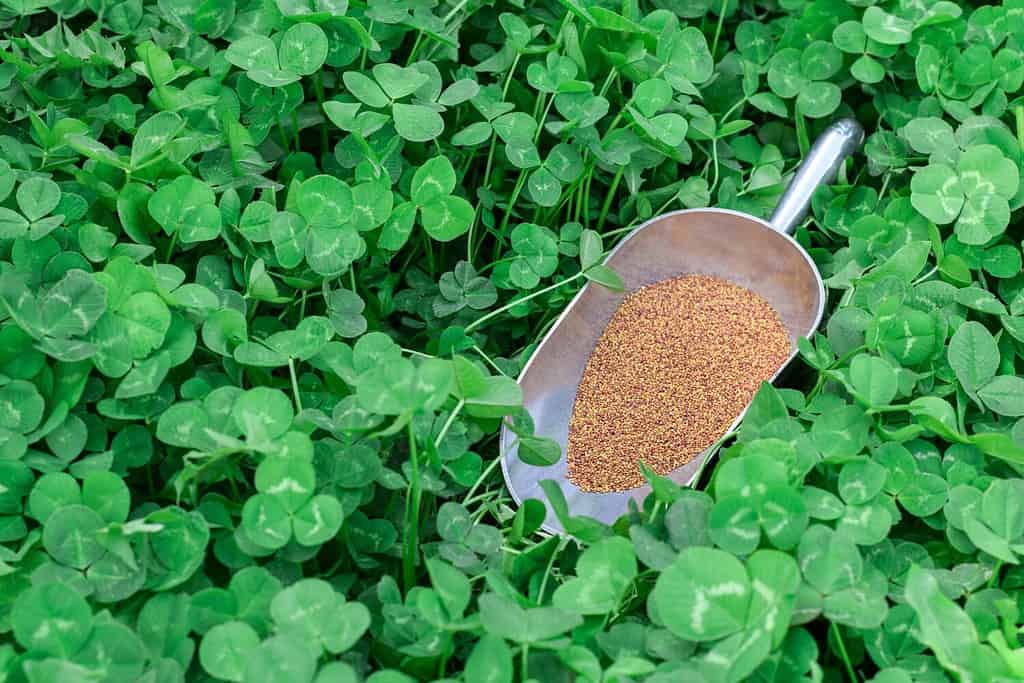
Clover has the ability to survive harsh weather conditions.
©JulieK2/Shutterstock.com
Clover is another resilient plant that will continue to grow throughout the winter despite the presence of frost and snow. Like Alfalfa, Clover will often grow tall enough that it sticks out through the snow.
There are several species of clover that grow naturally throughout the northern hemisphere. Different types of deer are attracted to different varietals. Clover is highly tenacious and can persist through some of the harsh winter weather that will kill
3. Brassicas
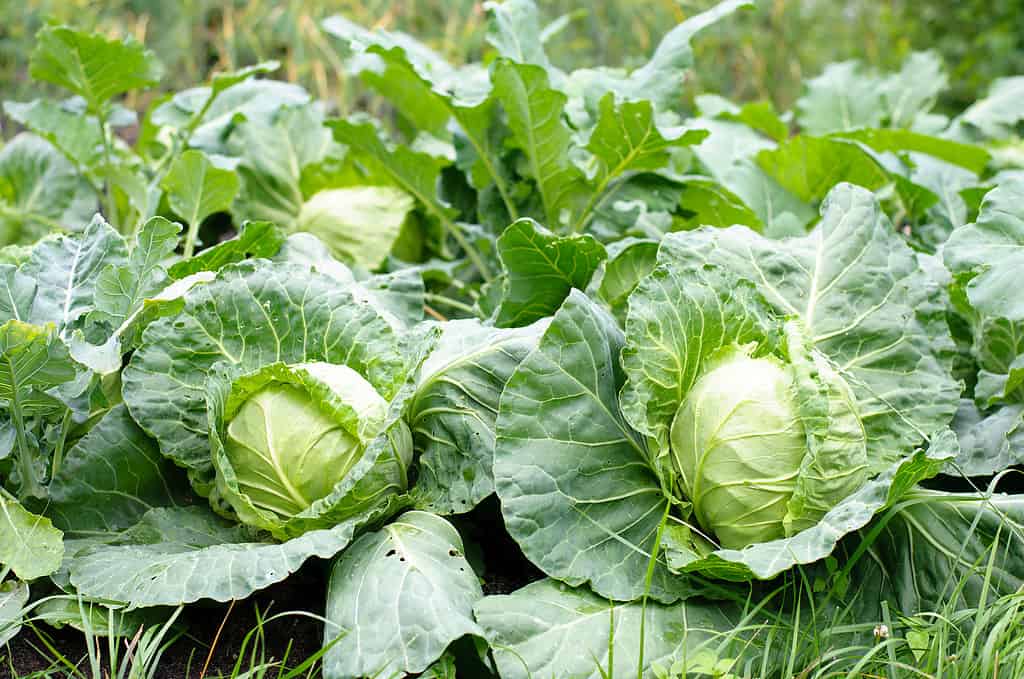
The Brassica family includes the cabbages.
©iStock.com/Lusyaya
Brassicas, which is a large edible vegetable family that includes broccoli and cabbage, are winter-hearty. This means that they will continue to produce leafy greens throughout the winter. This makes them an opportune snack when many other kinds of food have gone dormant.
Luckily for the deer, many of the brassicas are highly nutritious. This makes them a highly effective food for aiding these animals in persisting through some of the harder months to live in.
4. Acorns
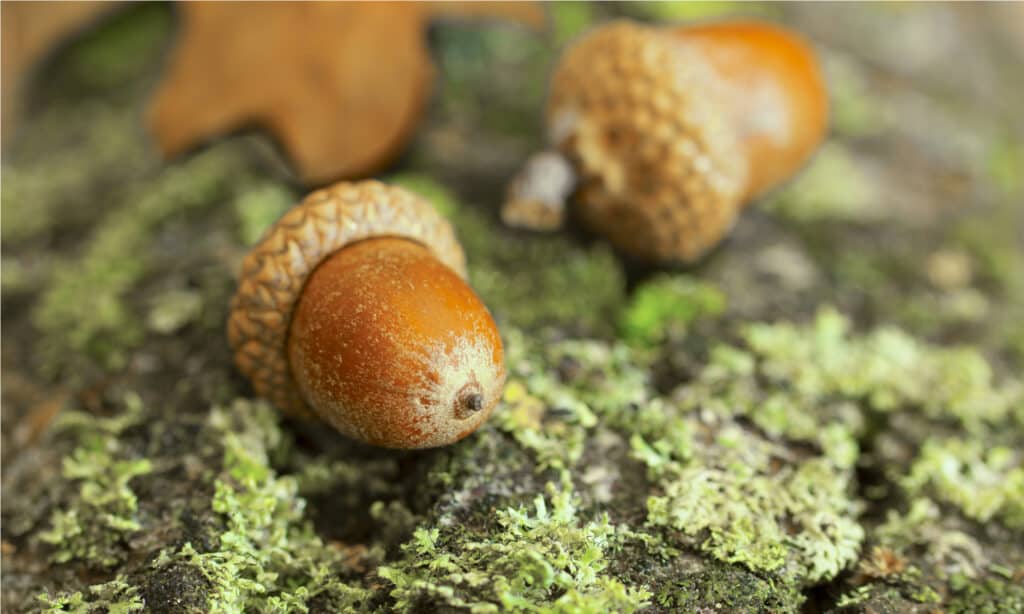
Acorns provide sustenance for many living things.
©Kasabutskaya Nataliya/Shutterstock.com
Acorns often do not immediately go to fruit or plant into the soil if the topsoil is already too cold for them to sink in. This means that many environments that deer exist in are littered with scrumptious acorns.
Acorns constitute a major part of a deer’s diet in the autumn and winter, sometimes constituting up to 50% of the animal’s diet. These nuts are food favorites of many other types of animals as well. They serve an important ecological niche in this way.
5. Fruit
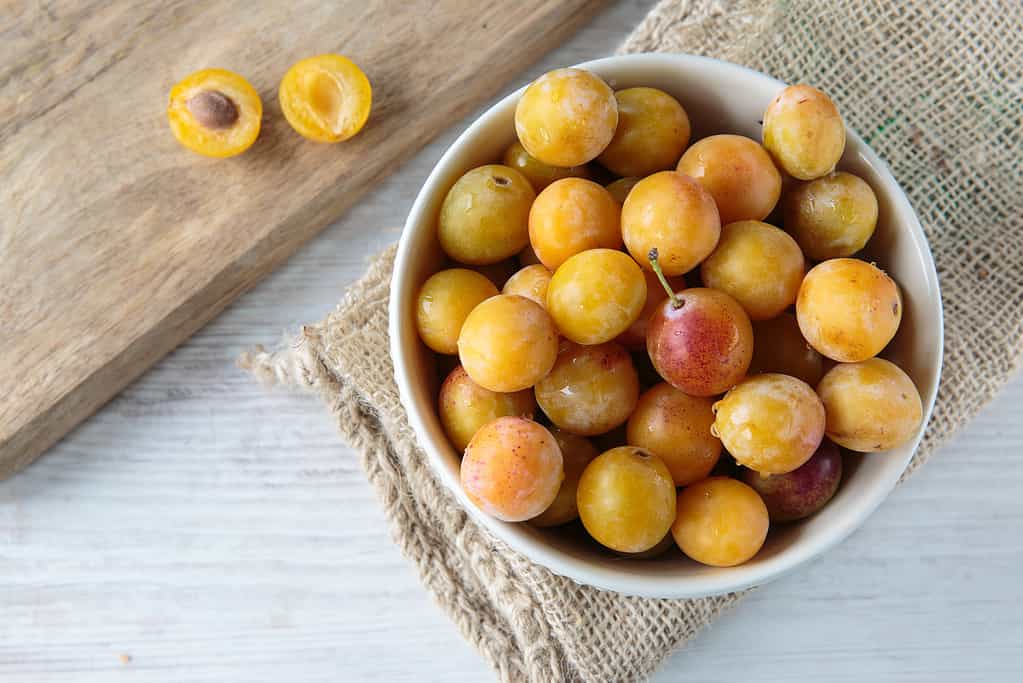
Some plums and other drupes fruit in winter.
©graffio77/ via Getty Images
There are some types of fruit that come to bear in the winter months. Deer will consume these when they find them during the harsh cold of the winter. They will also browse and graze on the buds of the flowers that will become fruit.
Some examples of such fruits include plums, pears, and apples. These types of fruits fare quite well in colder environments. They typically don’t need extra tending to thrive in these time periods.
6. Woody Browse
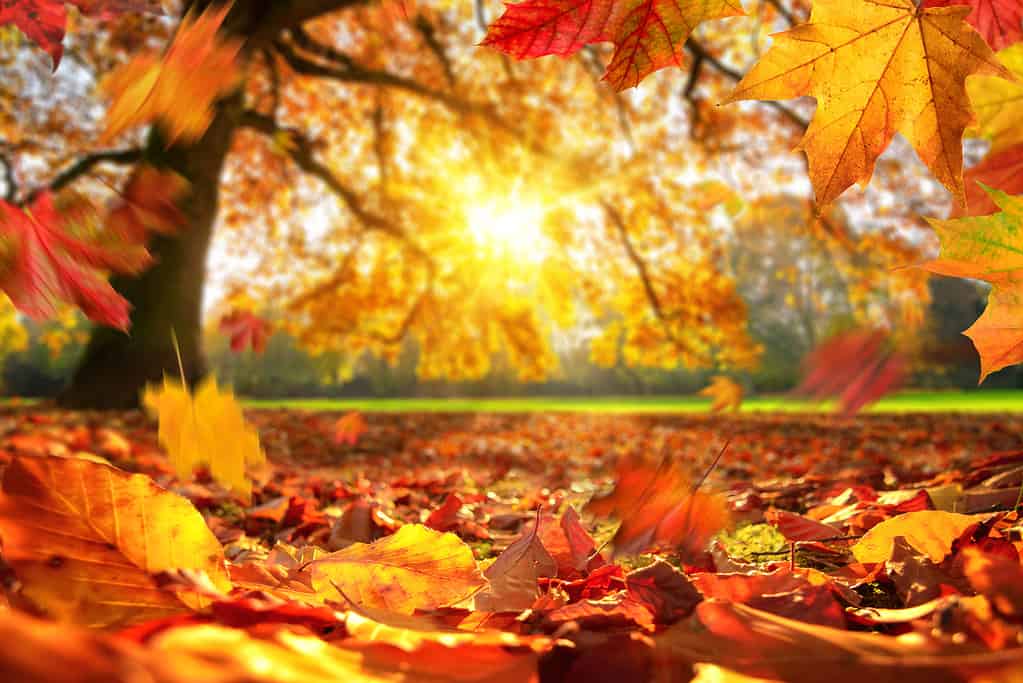
Browse is a term that refers to miscellaneous twigs and leaves.
©Smileus/ via Getty Images
This is a term that refers to a type of leaves, twigs, and other woody materials that deer and other ungulates like to eat. This can be a large mishmash of different materials. A lot of difference depends on the various ecosystems that the deer might exist in.
Some examples of browse that deer eat include white cedar, maple, and oaks. On the east coast, eastern hemlock and birch. You can identify trees and browse that are grazed upon by deer by the angular chops in twigs and branches that are made by deer.
7. Standing Soybeans
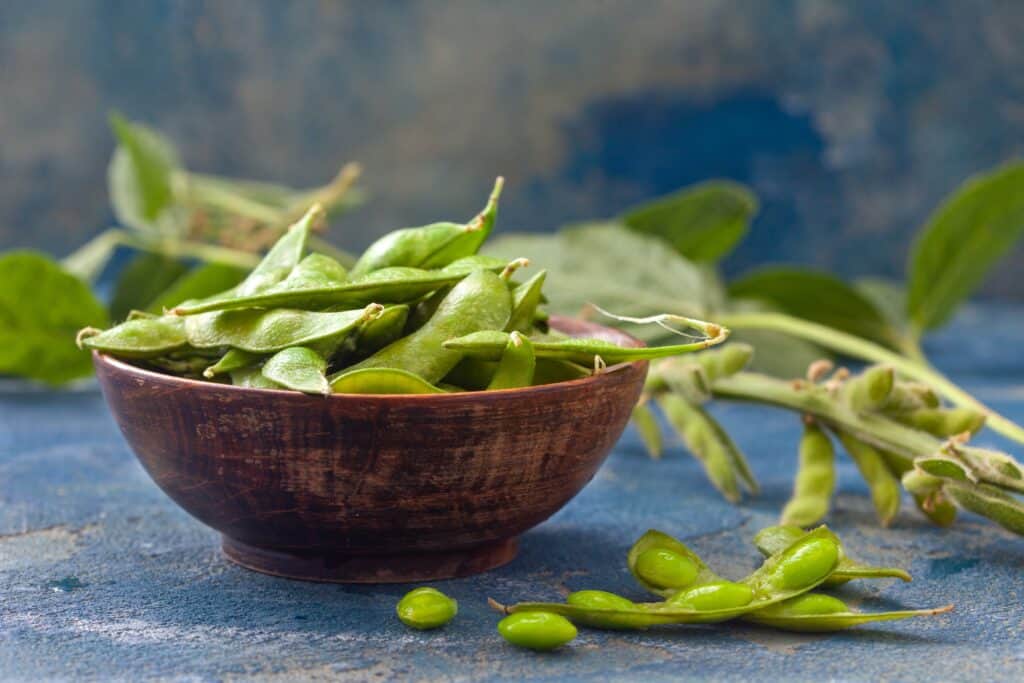
Soybeans provide an important protein source for both deer and people.
©nada54/Shutterstock.com
Much like corn, deer eat excess or defunct soybeans. Soybeans are an important source of protein for these animals, who are completely herbivorous. Deer actually graze on soybeans year-round, and the beans are easy to digest for the animals.
Deer will consume soybeans at many different stages of growth, including ones that are somewhat past their prime.
8. Standing Corn
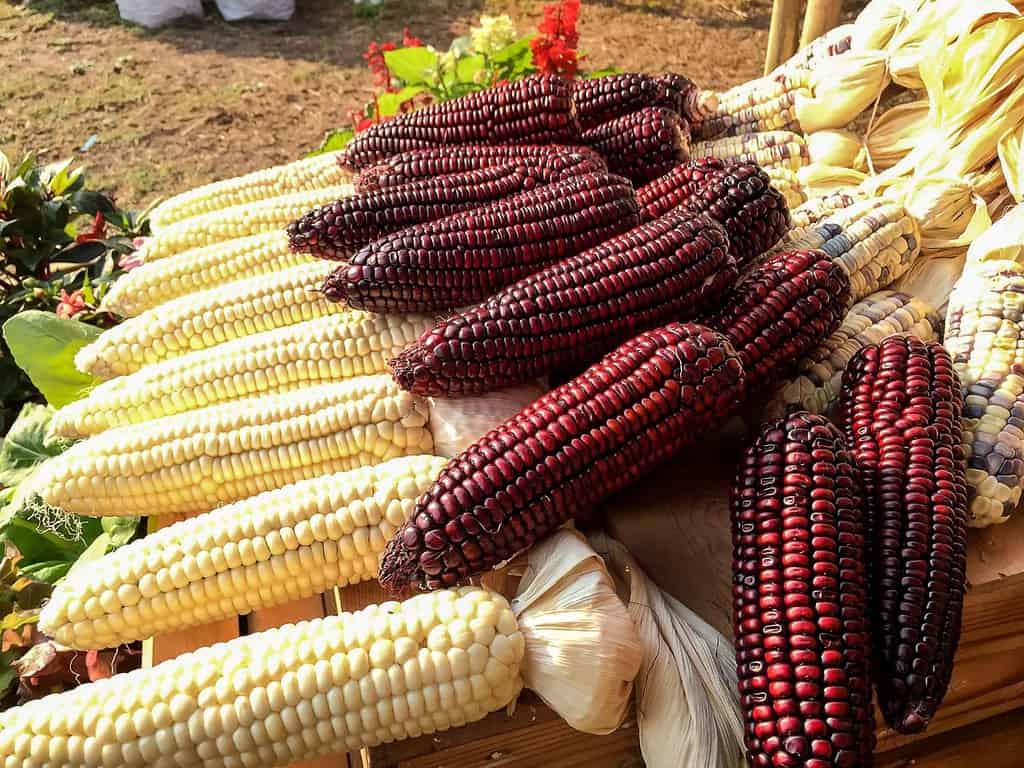
Unharvested corn is another source of nourishment.
©subin-ch/Shutterstock.com
Sometimes, deer will consume corn that hasn’t been harvested successfully in its peak season. Much of this corn is left to “stand”, sometimes in large numbers in vast fields.
Asides from making a fantastic foodstuff for hungry deer, these corn fields can also make for good shelter and breeding grounds for herds of deer. This is of interest to hunters, as settings like these represent possibly easy catches. Hunters can establish a target while the deer browse for easy eating in the corn.
9. Conifers
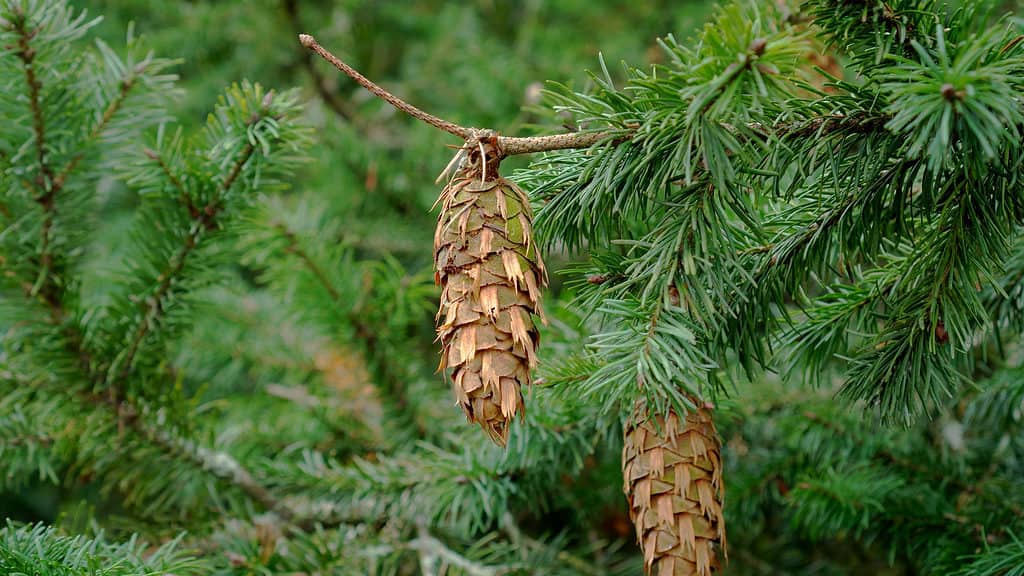
Douglas Fir is an example of a conifer tree.
©iStock.com/PAVEL IARUNICHEV
Conifers are a food source that deer will go for when other food sources aren’t available. This is due to the fact that conifer trees, as evergreens, will continually produce needles throughout the winter despite their harshness.
Deer will also use conifer trees for shelter in harsh winter storms. The relationship between conifers and most animals in North America is highly complex. Overall, the trees fulfill many needs of a variety of animals.
10. Mushrooms
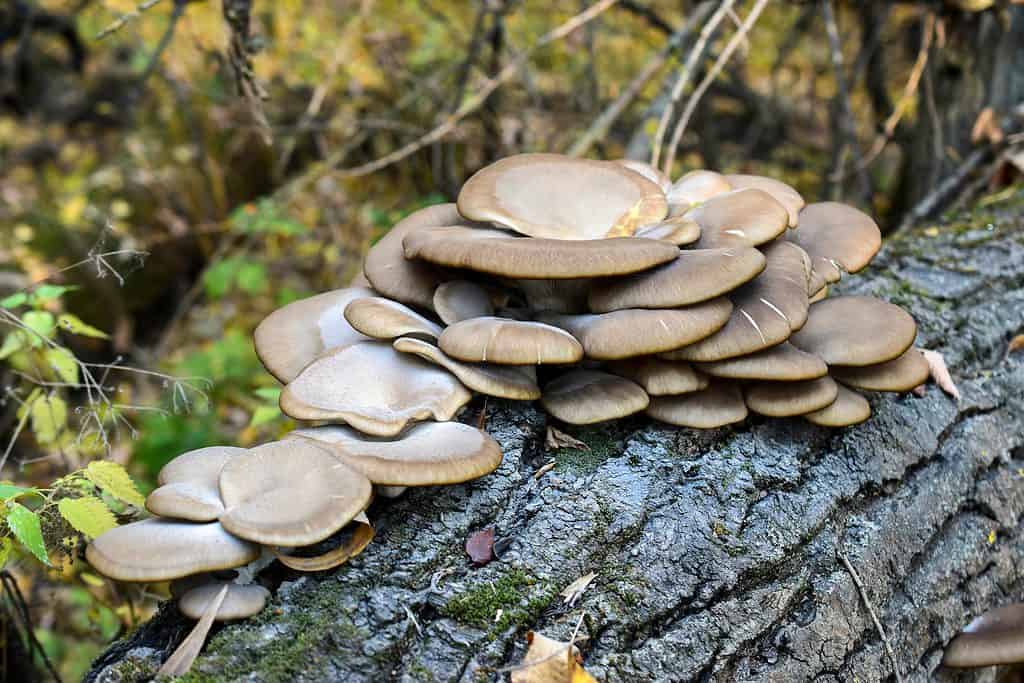
Edible mushrooms are another important food source.
©LeManilo/Shutterstock.com
Mushrooms can serve as another important source of nourishment for deer. This is especially the case when there are no other types of food sources available. In fact, mushrooms often serve as an important food source for deer year-round despite the season.
Some of the mushrooms that deer like to eat include morels, oyster mushrooms, waxcaps, and ringstalk mushrooms. Many of these species are the same types of mushrooms that humans are able to eat. Several are very nutritious.
11. Whatever They Can Find
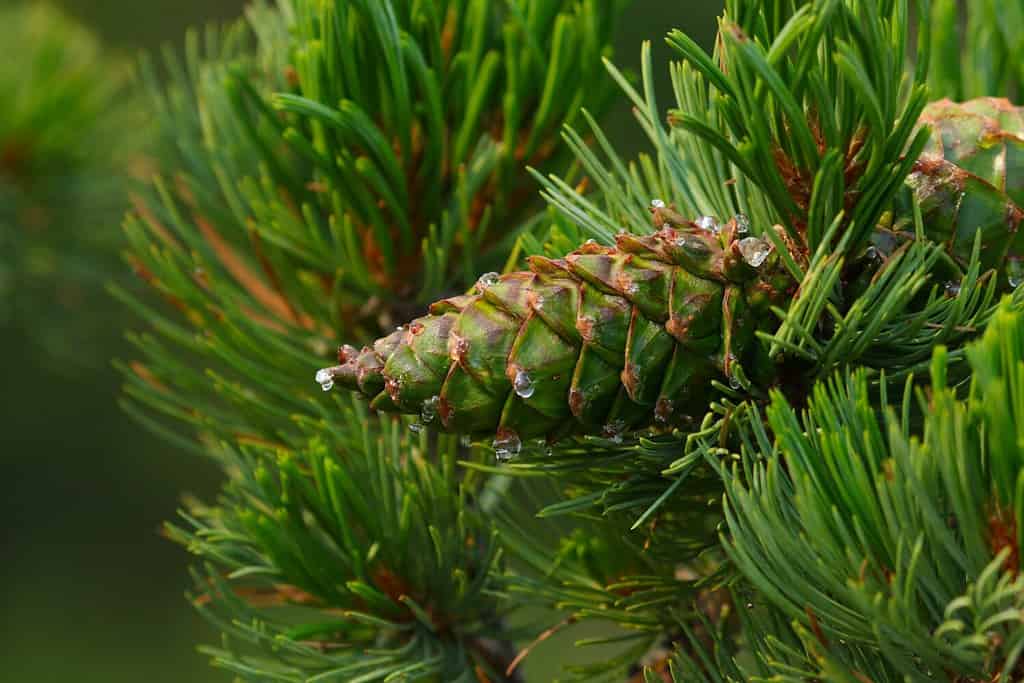
If left to it, deer will also consume pine cones and other types of materials.
©Chris Hill/Shutterstock.com
This last entry describes the fact that when they get hungry enough, deer will eat just about anything that they can find in times of hardship. Given the reality of some of the conditions that winter will bring in some of the habitats that deer exist in, it is quite possible that any herbivorous material will be up for grabs depending on the circumstances at hand.
You can also feed deer yourself. One of the ways to do this is to fill sacks of food material with some of the foods listed above and leave them out for deer to nibble on.
However, it’s important not to overdo it in this regard, as it’s relatively easy to make these animals sick after some time. It’s also possible to upset the balance of their diet due to not knowing exactly what these animals need to remain healthy.
12. Deciduous Trees
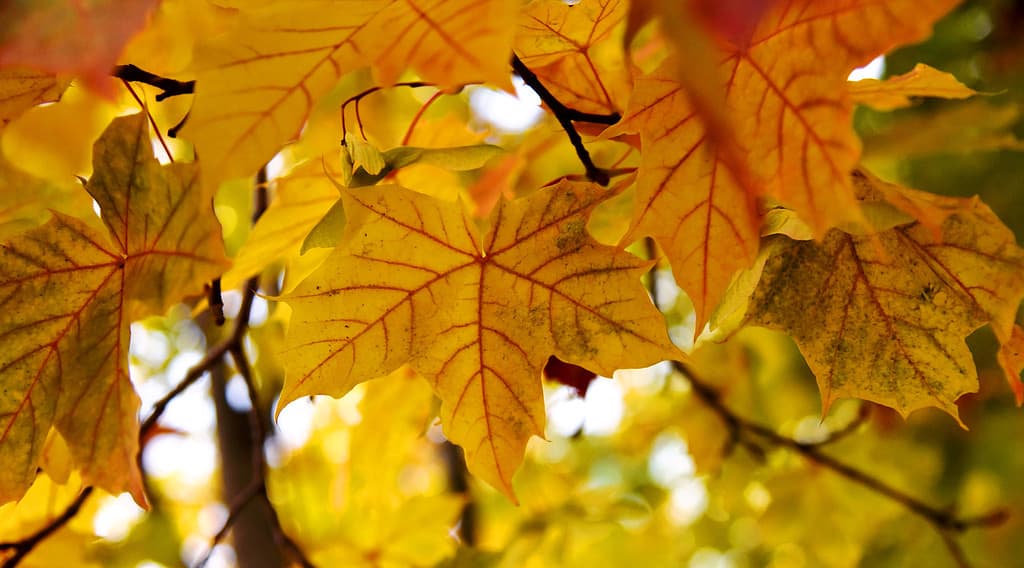
Maple leaves are often consumed by deer as well.
©James Konig/iStock via Getty Images
Deciduous trees also represent an emergency food for deer should other food sources be absent. Some of the trees that deer fancy chowing on include ash, aspen, hickory, willow and sumac. As stated above, many of these trees are utilized when deer don’t have easier or more nutritious food sources to access in winter times.
| Number | Name |
|---|---|
| 1 | Alfalfa |
| 2 | Clover |
| 3 | Brassicas |
| 4 | Acorns |
| 5 | Fruit |
| 6 | Woody Browse |
| 7 | Soybeans |
| 8 | Corn |
| 9 | Conifers |
| 10 | Mushrooms |
| 11 | Whatever They Can Find |
| 12 | Deciduous Trees |