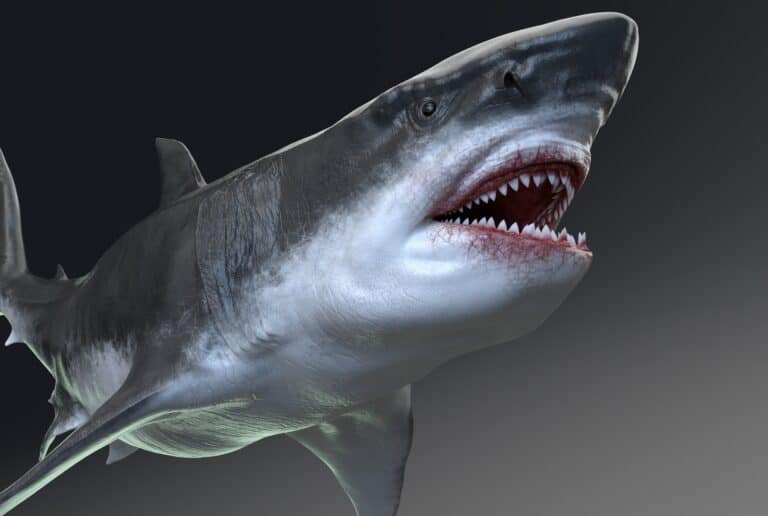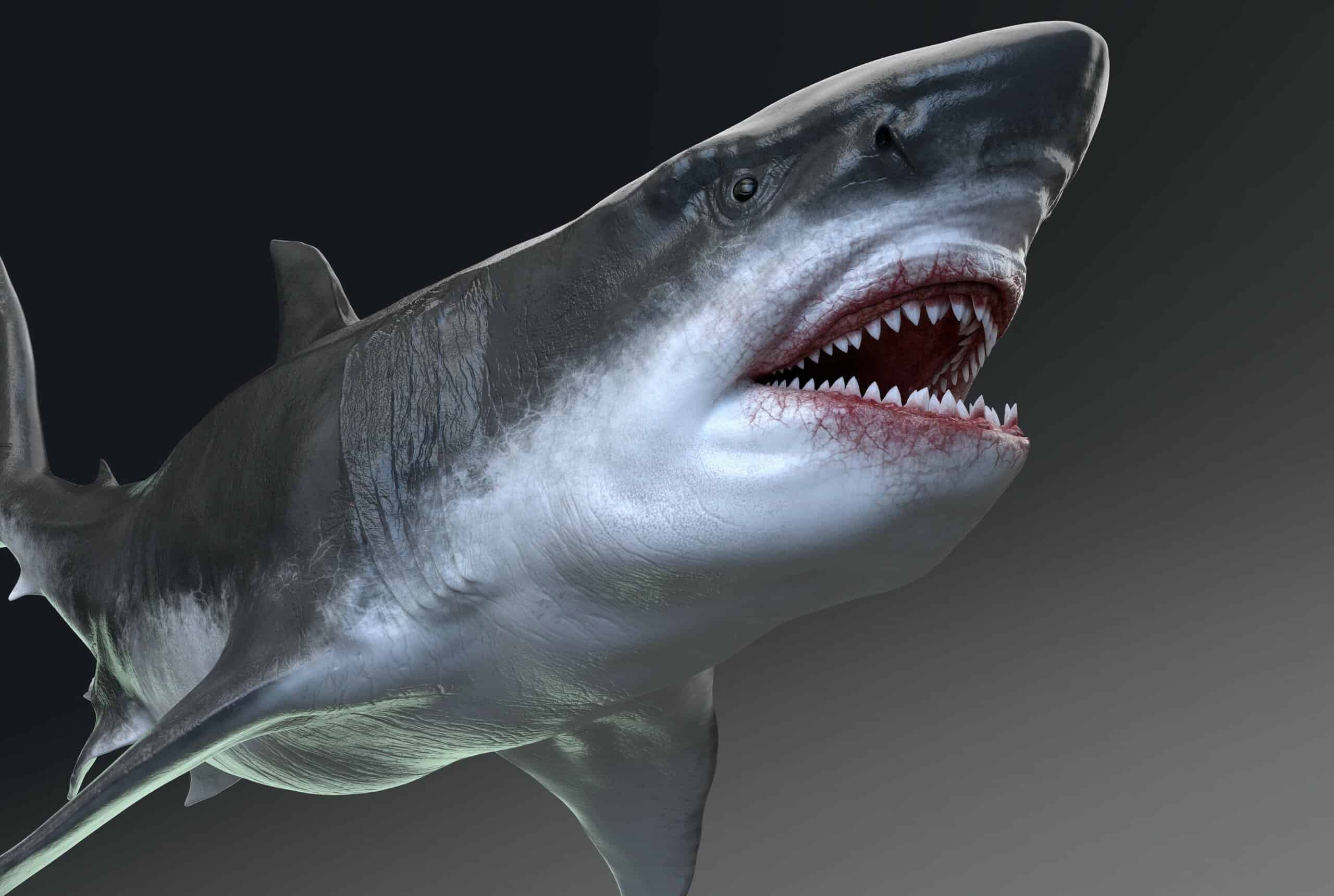

Few animals are as famous as the gigantic megalodon. These sharks roamed the ocean millions of years ago and were the absolute pinnacle of the food chain. Thankfully, they are now only a remarkable historical fact and not something we have to worry about while surfing or swimming! Still, people are endlessly curious about these apex predators, with many wondering if they are even extinct. When did the megalodon go extinct? Let’s find out!
When Did the Megalodon Go Extinct?
Megalodon was a giant shark whose name means “big tooth.” These sharks are classified as extinct and haven’t been around for a long time. Current estimates say that the megalodon officially went extinct around 3.6 million years ago during the early Pliocene period, although it could have been a little bit after when the last stragglers officially died off.
During this period, a significant extinction hit the lower organisms on the food chain, severely impacting the megalodon’s ability to hunt. The end of the Pliocene was around 2.58 million years ago and led into the Pleistocene epoch — the span of time that is directly before the one in which we currently live.
Why Did the Megalodon Go Extinct?
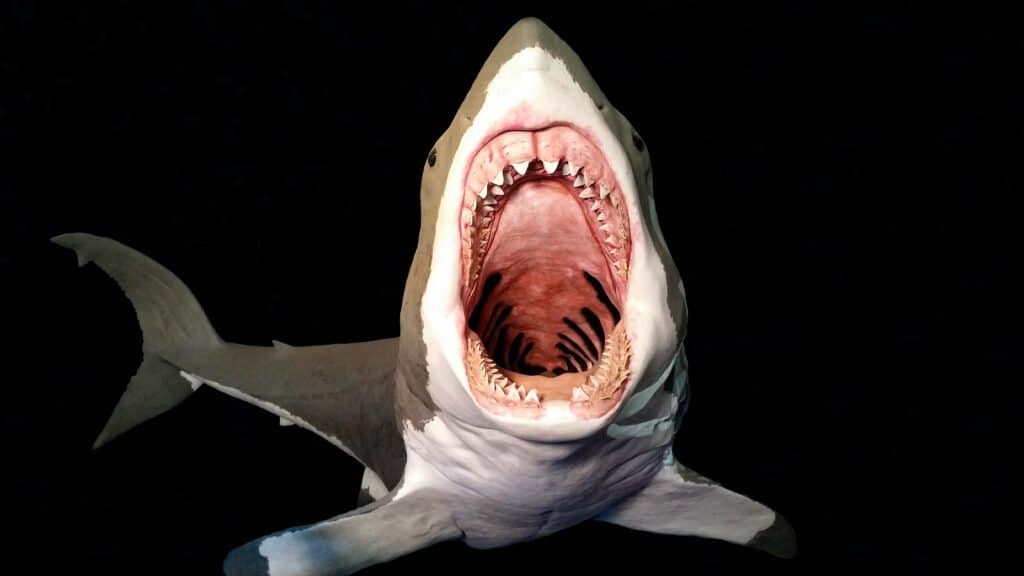
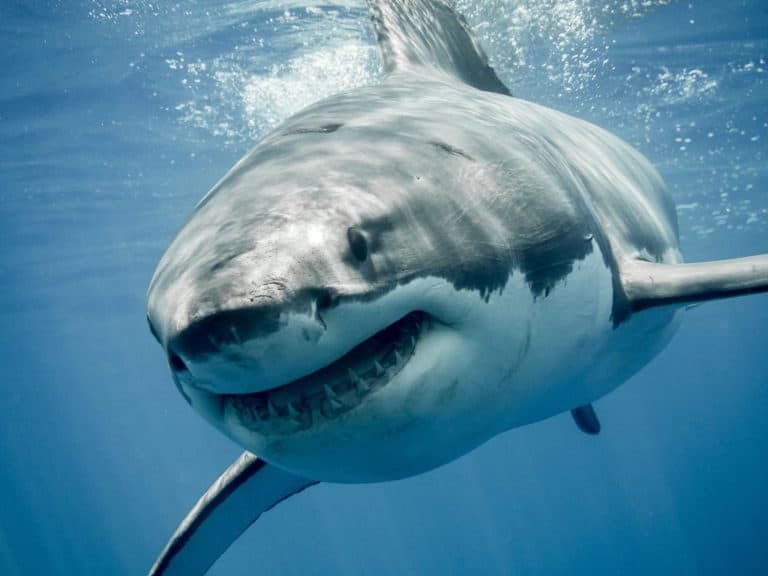
In the changing and colder world, there wasn’t room for a shark as giant as the megalodon.
©Gil Cohiba/Shutterstock.com
There are a few ideas on why exactly this mega predator went extinct; global cooling and changes in the prey system are the primary reasons offered up by scientists today. Let’s cover climate change first.
During the long period in which the megalodon lived, there were many changing climate situations. Overall, it was a tropical predator, preferring warm and temperate waters in which it hunted. Things on Earth aren’t always consistent, however. During the early stages of its existence, the poles froze over, much like they are today. That wasn’t the end, though. Eventually, further cooling began to cool the oceans, ultimately changing the Gulf Stream and specific shallow-water nursing sites essential for rearing more megalodon. Even further, the cooling effect on the ocean may have drastically impacted its metabolic ability. The massive shark wasn’t adapted to the colder waters, and heating its own body in the cooling oceans took too much energy to sustain effectively. Eventually, its hunting grounds shrunk as the waters cooled, making it harder to hunt and eat.
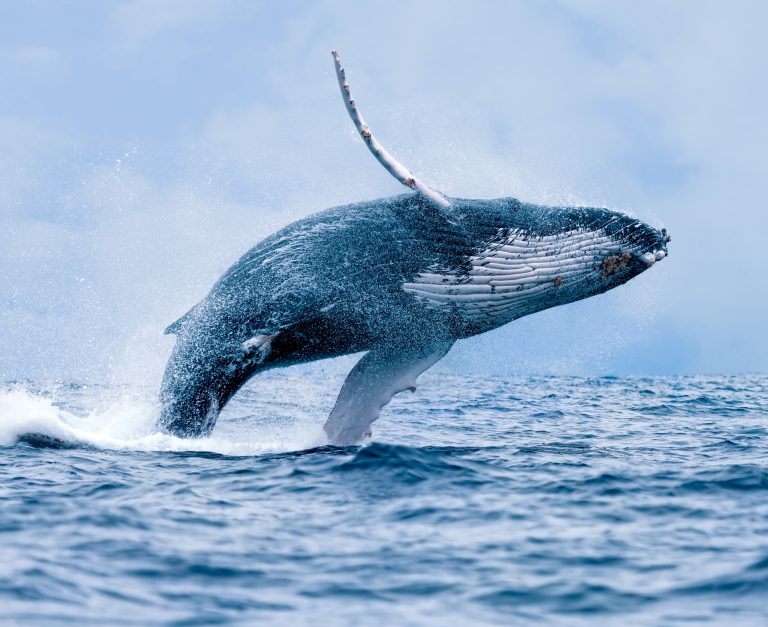
The changing prey system was the second important factor in the megalodon’s downfall and extinction. Its most important prey source was whales and dolphins. As certain seaways closed or became inaccessible to the megalodon due to colder waters, the prey available was drastically reduced. Tropical whale species decreased in number, while at the same time, broader ecological changes became a real problem. A huge marine mega extinction event completely wiped out 36% of all large marine species including 55% of marine mammals, 35% of seabirds, 9% of sharks, and 43% of sea turtles. Of those groups, the turtles and marine mammals like whales and other cetaceans were its primary food sources. Even more, it seems there emerged a smaller shark that was chipping away at the hunting grounds of the megalodon: the white shark.
Combining these two elements shows the immense pressure it was under from climate change and prey disruption. In the changing and colder world, there wasn’t room for a shark as giant as the megalodon.
Could the Megalodon Be Alive Today?
With its large size, it’s not really possible it could be alive today. Humans would recognize its impact on the environment and its prey populations. In fact, one of the results of the megalodon’s extinction was that whale populations around the world could evolve drastically. Some researchers claim the pushing of the whales to the poles (colder water) allowed them to grow into the massive creatures that we know them to be today and then “respread” back into the rest of the world once their primary predator was gone (the megalodon). With the biggest predator for whales gone, they were allowed to spread unrivaled worldwide, changing the ecology even further. Before humans destroyed global whale populations, the entire food web was built around the high numbers of fish and krill that whales ate each year.
Since all these things happened, we can be sure the megalodon has died off. Still, there are ways to feel like the megalodon is still here! The megalodon’s extremely hard and large teeth are commonly found as fossils today, showing how prevalent these predators could have been. Even if they aren’t alive, we still get to hold their last remnants in our hands.
Up Next
- Megalodon’s Bite Force: How Does it Compare to a Great White?
- Basking Shark vs. Megalodon
- 13 Mind-Blowing Megalodon Facts!