
Quick Take
- Some shark species aren't the intended target of fishing—but their anatomy still makes them more likely to die in fishing gear. See how bycatch kills →
- One common seafood label in your grocery store is already changing how thousands of fisheries operate, though most shoppers have no idea. Explore the MSC label →
- Even in some of the most remote stretches of ocean on earth, these species can't escape the threats following them. Discover threats in remote waters →
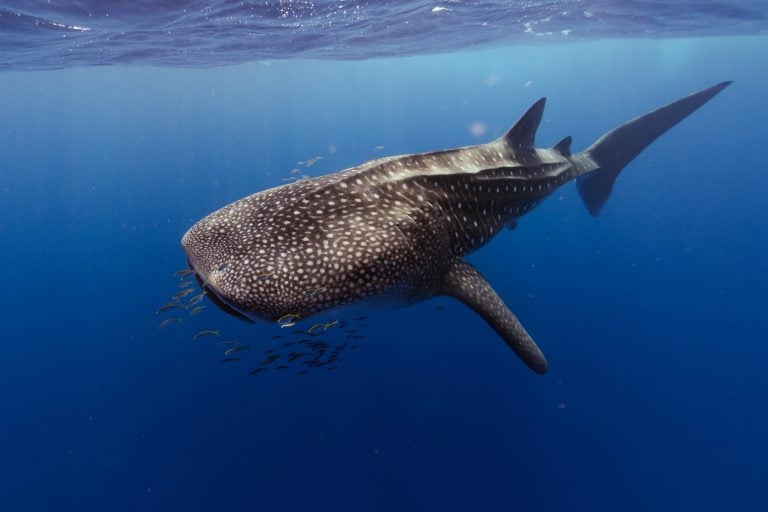
A global report released by the International Union for Conservation of Nature (IUCN) now marks a critical point for some of the ocean’s most important species. In 2024, the IUCN revealed that about one-third of all sharks, rays, and chimaeras were at risk of extinction. By 2026, that risk had increased, with estimates indicating that 37.5% of these species are now threatened with extinction. This increase comes with a warning: if nothing changes, some species may cease to exist.
Overfishing Plays a Dangerous Role In Marine Ecosystems
With support from several other federal groups, the IUCN has identified more than 750 Important Shark and Ray Areas (ISRAs). These regions contain the most at-risk species. Sadly, many of these species are experiencing significant population declines due to overfishing. The Ocean Travellers Report utilized decades of data from more than 100 countries, identifying migratory species as the biggest concern.
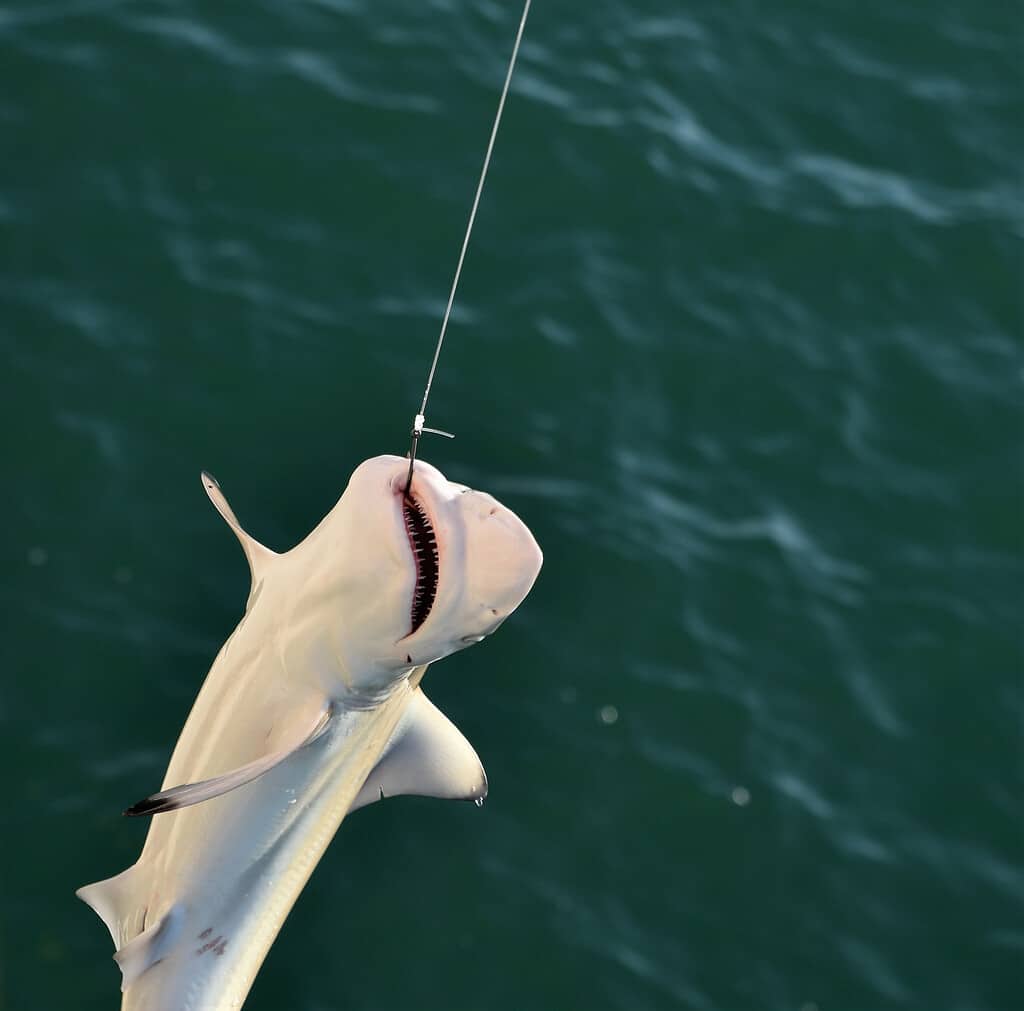
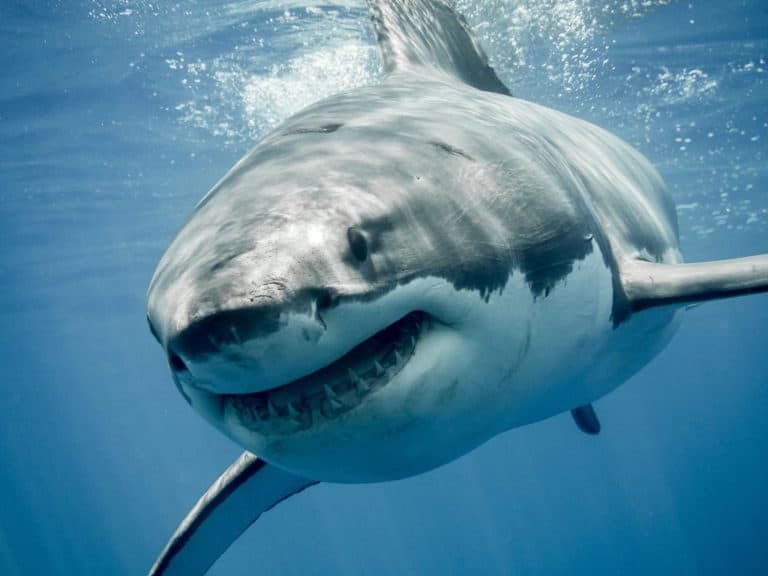
Juvenile sharks are often caught accidentally during commercial fishing.
©Florida Chuck/iStock via Getty Images
In addition to threats from climate change and habitat degradation, these species face increased danger from fisheries that intersect with their migration paths. As the two collide, it often results in fatalities—whether accidental or intentional—for several major species.
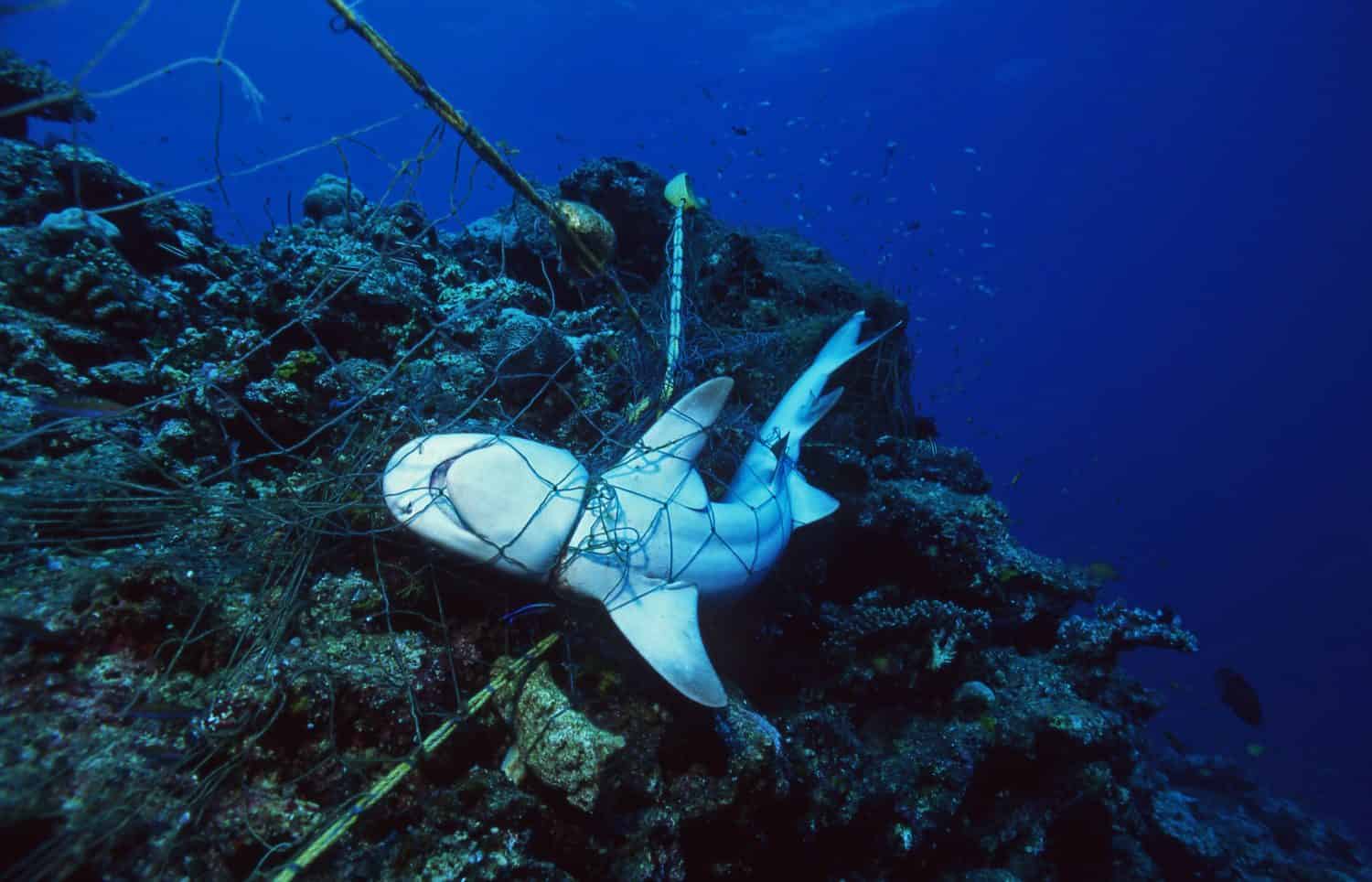
Being caught in fishing nets, trawlers, and on lines all contribute to the danger of overfishing for vulnerable species. And while shark fishing is a recognized commercial trade, it also unintentionally harms species that are not the intended target of fishing gear. Rays and chimaeras often get ensnared in nets and traps, adding unnecessary challenges to migration.
IUCN Urges Countries to Heed Its Warning
The IUCN drew attention to several major corridors, including those between South Africa and Mozambique, and the Eastern Tropical Pacific. It found that even in more remote parts of the world, such as French Polynesia, species were still at risk from overlapping fishing routes. Even areas with relatively little fishing activity remain affected by shipping traffic and coastal development.
Oliver Conz, Director-General, Ministry for the Environment, Climate Action, Nature Conservation and Nuclear Safety, Germany, stated how dire the situation is. “This report provides exactly the actionable science policymakers need. ISRAs make the invisible visible — the hidden journeys of migratory species across oceans and borders. Germany is committed to supporting CMS (Conservation of Migratory Species of Wild Animals) and its Parties in strengthening cooperation to ensure that shark and ray conservation is effective, connected, and forward-looking,” Conz said.
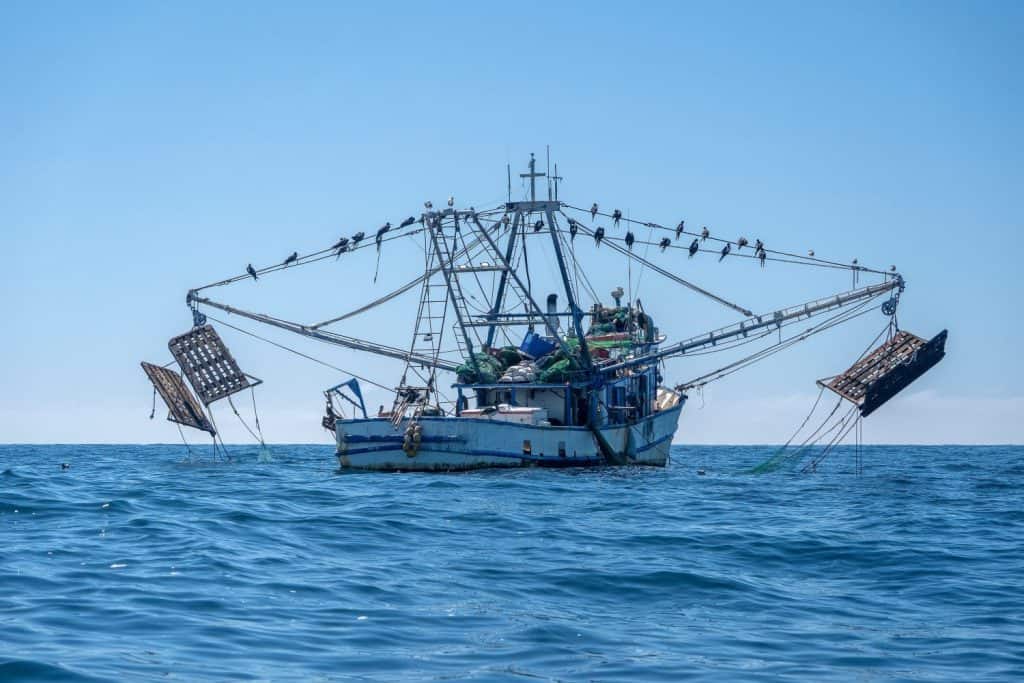
Opting in for sustainable fishing practices, such as those by MSC, helps keep marine life safe.
©Andrea Izzotti/Shutterstock.com
If nothing is done to protect these species, some species face an imminent risk of extinction. Specifically, hammerheads and dusky sharks, the latter of which has suffered an 85% population loss due to bycatch. These sharks are often victims simply because they are in the wrong place at the wrong time. This is especially true for scalloped and great hammerhead sharks. Due to their unique anatomy, they are often found tangled in fishing lines and nets.
Initiatives Leading the Charge In Shark Conservation
When it comes to sustainable shark fisheries, the National Oceanic and Atmospheric Administration (NOAA) plays a direct role. NOAA manages several shark fisheries, primarily focusing on the Atlantic, Gulf of Mexico, and Caribbean regions, and works to conserve and manage shark populations through regulations and research. They work with U.S. fishermen and, when needed, implement strict restrictions depending on shark populations. At the same time, they analyze Pacific data and assess stock levels.
While NOAA supports U.S. conservation, non-profits like the Save Our Seas Foundation encourage global action on a local scale. One organization is not enough to save a species, but together, many can make a difference. This is the mission that Save Our Seas promotes through encouraging sustainable living, eating, and lifestyle changes. You may think your impact is small, but even recycling a single can or choosing a sustainable brand can help save a shark, ray, or chimaera.
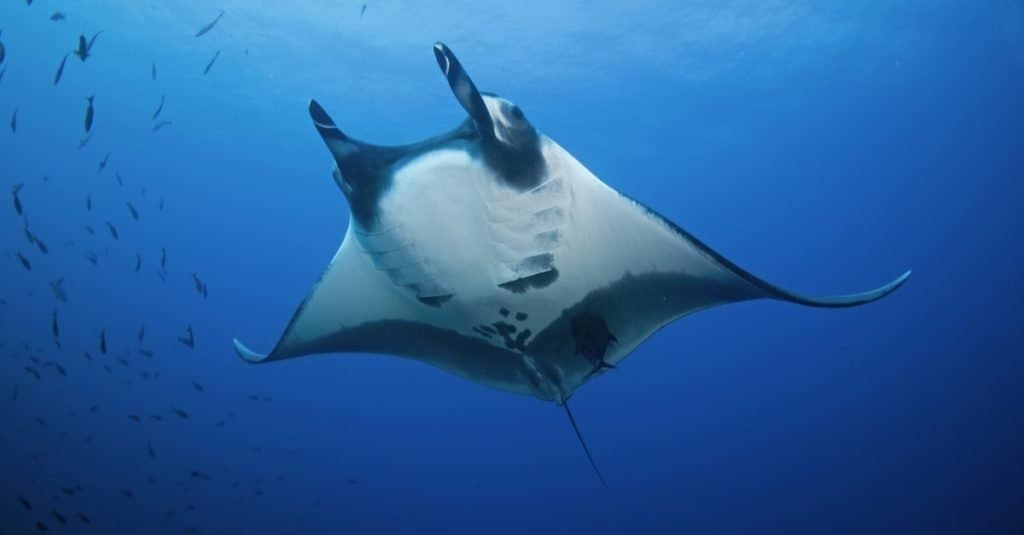
Devil rays are one of the most vulnerable marine species in the ocean.
©Martin Prochazkacz/Shutterstock.com
Internationally, the Marine Stewardship Council influences change at the local and federal levels. One of their most recognizable achievements is the MSC label that’s found on sustainable, eco-approved seafood. Through their outreach, they have recruited 738 fisheries committed to sustainable catches as of 2025. MSC has also implemented 2,625 certified improvements within fisheries, helping many transition to more eco-friendly commercial fishing practices.
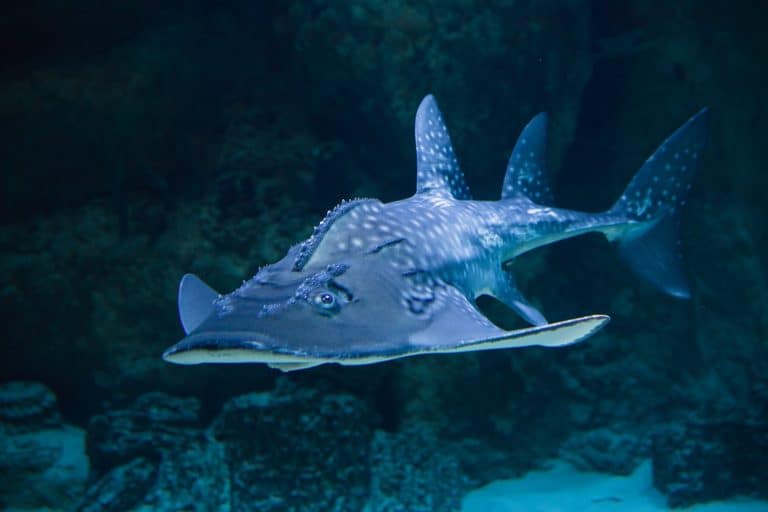
While every effort is made toward the survival of our most vulnerable marine species, more must be done. Rays are among the most at-risk marine species, with sawfish, wedgefish, and guitarfish listed as critically endangered, and devil rays also facing a high risk of extinction. Some species of rabbitfish chimaera are listed as vulnerable by the IUCN, primarily due to threats from deep-sea trawling.