Quick Take
- One rescued pup headed for euthanasia changed everything, and the problem behind it was far bigger than one animal. Read Chinook's story →
- Colorado voted to bring wolves back, but the rollout has hit obstacles few voters saw coming. See the rollout obstacles →
- Rescuing animals wasn't enough, so the sanctuary changed its mission and now fights a different battle entirely. See the mission shift →
Wolves are keystone species in our ecosystems. These apex predators help regulate prey populations and maintain healthy habitats. As such, wolf rescue and conservation are incredibly valuable initiatives. One nonprofit that recognizes its importance is the Colorado Wolf and Wildlife Center.
The organization, located in Divide, Colorado, began as a wolf-dog rescue and has since progressed into a full-fledged sanctuary offering wolf and wild canine refuge, guided tours, conservation programs, and education about wolves and wolf-hybrids. Founded in 1993, the center has since been certified by the Association of Zoos and Aquariums (AZA). One of its resident pups, Ringo Starr, even took the title of the 2026 Mayor of Divide.
In this article, we speak with Darlene Kobobel, Founder and CEO of Colorado Wolf and Wildlife Center, about the organization, its mission, and its unique challenges during a politically polarized moment in wildlife conservation/welfare.
About Colorado Wolf and Wildlife Center
The Colorado Wolf and Wildlife Center has achieved incredible growth over the last few decades.
Kobobel founded the Colorado Wolf and Wildlife Center over 30 years ago, in 1993. At the time, she had rescued a wolf-dog named Chinook from a local shelter. Unfortunately, since the pup was considered a wolf-hybrid, it was scheduled to be euthanized.
“That experience opened my eyes to the widespread problems surrounding wolf-dog ownership, breeding, and abandonment,” Kobobel shares. “What started as a rescue effort quickly revealed a larger issue: countless wolf-dogs were being surrendered to shelters that often had no choice but to euthanize them. The goal became creating a safe haven for these animals while helping people better understand wolves and wolf-dogs.”
According to Kobobel, the organization initially focused on rescuing unwanted wolf-dogs. However, after just a year, the center received countless surrender requests from well-intentioned owners who were incapable of providing the required care for the animals. All too quickly, Kobobel realized the problem was far deeper than she had anticipated or could solve at the facility.
Evolving Into a Nationally Recognized Wildlife Education and Conservation Institution
Unfortunately, the cycle of irresponsible breeding, misinformation, and abandonment presented far more demanding challenges to the animals’ welfare. Staff quickly realized they were in over their heads. Rescue was no longer enough.
“That realization sparked a fundamental shift in the organization’s mission,” Kobobel says. “Rather than focusing solely on taking in animals, the Center began investing heavily in public education. The goal was to help people understand the realities of wolf-dog ownership, dispel myths about wolves, and foster greater appreciation for the important role wild canids play in healthy ecosystems.”
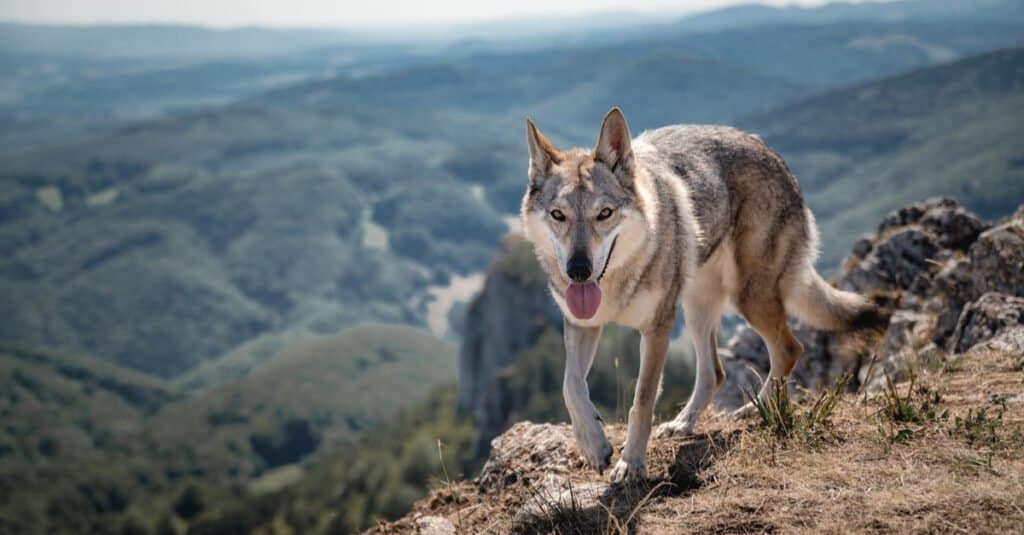
Wolfdogs are often mistaken for a coyote.
©mjurik/Shutterstock.com
Through education, the center aimed to prevent future animal surrenders and build more support for wildlife conservation, Kobobel adds.
“As the organization grew, it evolved from a rescue operation into a nationally recognized wildlife education and conservation institution,” she explains. “Today, the Colorado Wolf & Wildlife Center is accredited by the Association of Zoos and Aquariums (AZA), a distinction awarded to facilities that meet the highest standards of animal care, education, conservation, and professional management. This accreditation places the Center among a relatively small number of wolf-focused facilities recognized at this level.”
Current Mission
As the Colorado Wolf and Wildlife Center has evolved, so has its mission.
“The Center’s mission now extends well beyond sanctuary work,” Kobobel says. “It provides permanent homes for wolves, wolf-dogs, coyotes, New Guinea singing dogs, and foxes that cannot be released into the wild, ensuring they receive exceptional lifelong care in habitats designed to meet their physical and behavioral needs. Through AZA participation, the Center also contributes to conservation efforts such as Species Survival Programs, including support for the endangered Mexican gray wolves, American Red Wolf, and threatened Swift foxes. Perhaps most importantly, the Center has become a place where people can develop a deeper understanding of predators that are often misunderstood.”
They achieve this by offering visitors the opportunities to tour, take part in educational programs, and have firsthand experiences with ambassador animals. For example, one such ambassador wolf, Ringo Starr, has actually become the Mayor of Divide.
“Ringo Starr is one of the Center’s ambassador wolves and a favorite among visitors,” Kobobel shares. “His election as Mayor of Divide reflects the community’s sense of humor and deep connection to animals. The Divide mayoral race is a charitable fundraising event that benefits local animal welfare efforts. Ringo’s win helped draw attention to both wildlife education and animal advocacy while giving the community a unique and memorable ambassador.”
Wolf Reintroduction in Colorado
Back in 2020, the people of Colorado voted in favor of wolf reintroduction in the state. As a previous member of Colorado Parks and Wildlife’s Stakeholder Advisory Group (SAG), Kobobel was part of the initiative to re-establish a self-sustaining population west of the Continental Divide. However, the process wasn’t as seamless as some might have hoped.
“Unfortunately, the reality of reintroduction has been far more challenging than many expected,” Kobobel shares. “While the state has worked to establish a wolf population, the program continues to face significant obstacles, including lethal control of wolves involved in livestock conflicts, political opposition to wolf recovery, and ongoing efforts by some interests to permanently remove wolves from areas where they have naturally settled. Recent federal scrutiny has also created uncertainty about future releases and the long-term direction of the program.”
Kobobel adds that she also worked as a range rider who sought to reduce conflicts between wolves and livestock. While she believes coexistence is possible, she also acknowledges the importance of commitment, education, and proactive, nonlethal tools.
“My greatest concern is that we could lose public momentum at a critical time,” she shares. “Wolves cannot advocate for themselves. Their future depends on people who value wildlife speaking up and getting involved. The hope for wolves lies with an engaged public, not just conservation professionals, but families, students, teachers, and community members who understand the importance of healthy ecosystems.”
Wolves cannot advocate for themselves. Their future depends on people who value wildlife speaking up and getting involved.
Biggest Challenges for Colorado Wolves and Wolf Sanctuaries
According to Kobobel, one of the most pressing challenges for Colorado wolves and wolf sanctuaries is misinformation and polarization. This makes education a top priority.
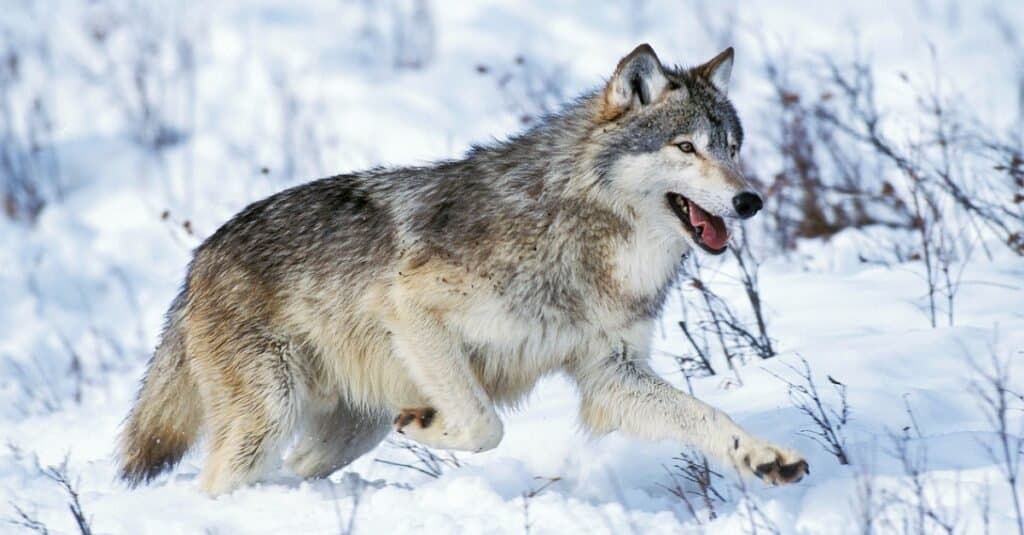
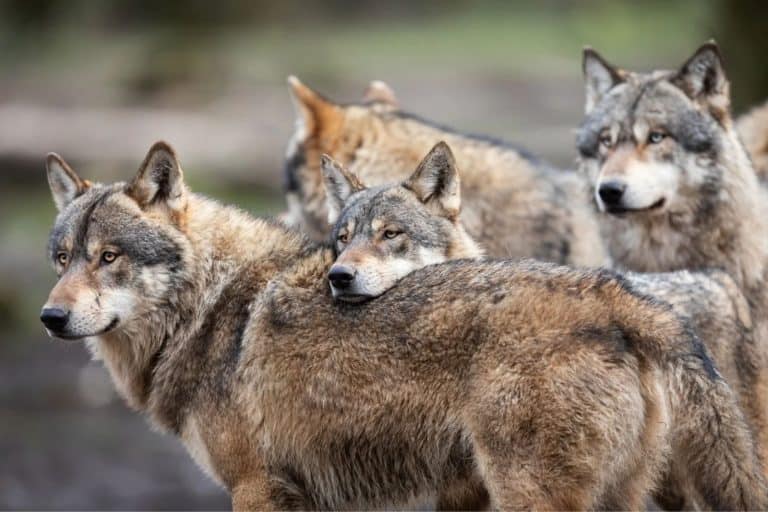
Gray wolves are considered to be elegant predators and highly social animals that form tight, nuclear packs.
©iStock.com/slowmotiongli
“Education is more important than ever because wolves often become symbols in larger cultural and political debates,” she shares. “Many people have strong opinions about wolves without ever learning about their biology, behavior, or ecological role. Education helps replace fear and myths with facts, creates opportunities for respectful conversation, and encourages coexistence. Whether someone supports or opposes reintroduction, understanding wolves and the realities of living alongside them is essential for making informed decisions about conservation and wildlife management. This educational mission remains at the heart of what the Center does every day.”
Additional challenges include funding and space concerns, human-wildlife conflict, livestock depredation concerns, habitat fragmentation, and a lack of public support for long-term recovery efforts.
“The message I would leave people with is simple: don’t wait until it’s too late,” Kobobel states. “Wildlife conservation is not something that happens somewhere else. The decisions being made right now will determine whether future generations inherit a Colorado where wolves once again play their natural role on the landscape. If people care about that future, this is the time to become involved.”
You can volunteer at the Colorado Wolf and Wildlife Center or donate through their website.