
Quick Take
- This turtle's most bizarre feature isn't just for looks. It doubles as a survival tool most people would never guess. Explore the unique anatomy →
- These turtles are social in the wild but turn dangerously aggressive under one specific condition, which complicates conservation efforts. See their social behavior →
- Hatchlings sell for under $60 each, yet this species sits on the brink of extinction. The economics behind that paradox are darker than they seem. Understand the trade threats →
- Indonesia's new recovery plan hinges on a method that could finally give scientists an accurate turtle count, though first they have to find them. See Indonesia's recovery plan →
Indonesia’s pig-nosed turtles have a very limited range, and their population is severely threatened. Thanks to a new collaborative initiative, they may have a chance of survival. We investigated this special species of turtle and what needs to be done to save them.
The Anatomy of the Pig-Nosed Turtle
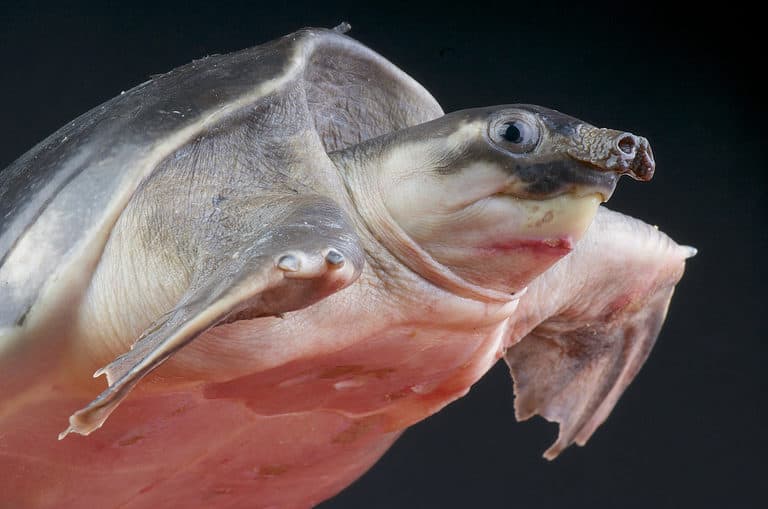
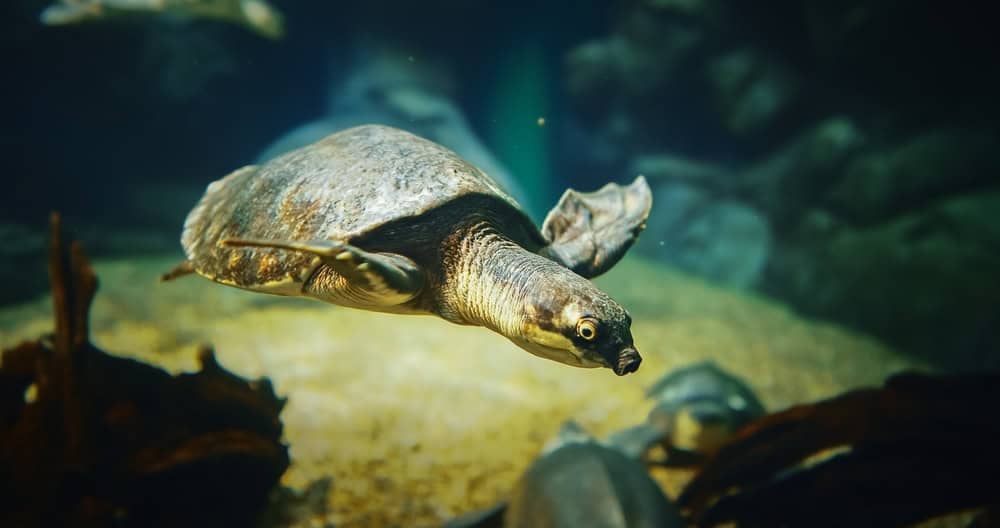
Pig-nosed turtles are also called KMB and pig-snouted labi-labi (Carettochelys Insculpta). They have large bodies and weigh an average of 50 pounds, reaching a length of around 18 inches. Instead of bony scutes, their shells are covered with a leathery material similar to that of softshell turtles. Their carapace (the hard, upper section of the protective shell) can be different shades of brown to dark gray. They have flat, broad limbs that have two claws each. Also, their enlarged pectoral flippers look similar to those of sea turtles. It’s therefore not easy for them to move around on land, and they like to spend most of their time in the water.
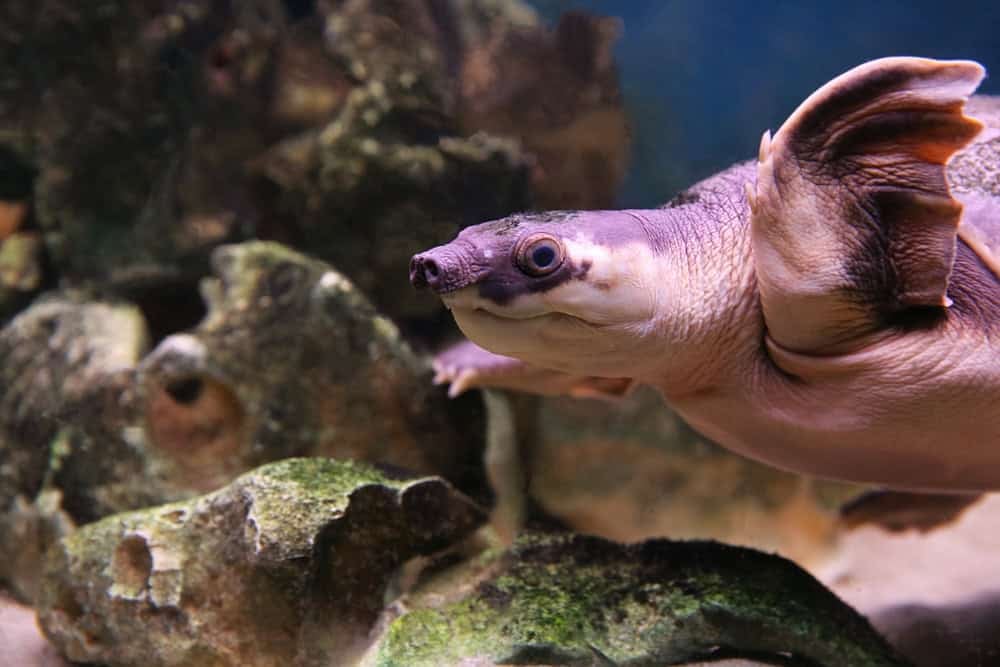
Pig-nosed turtles use their nose as snorkels.
©ivSky/Shutterstock.com
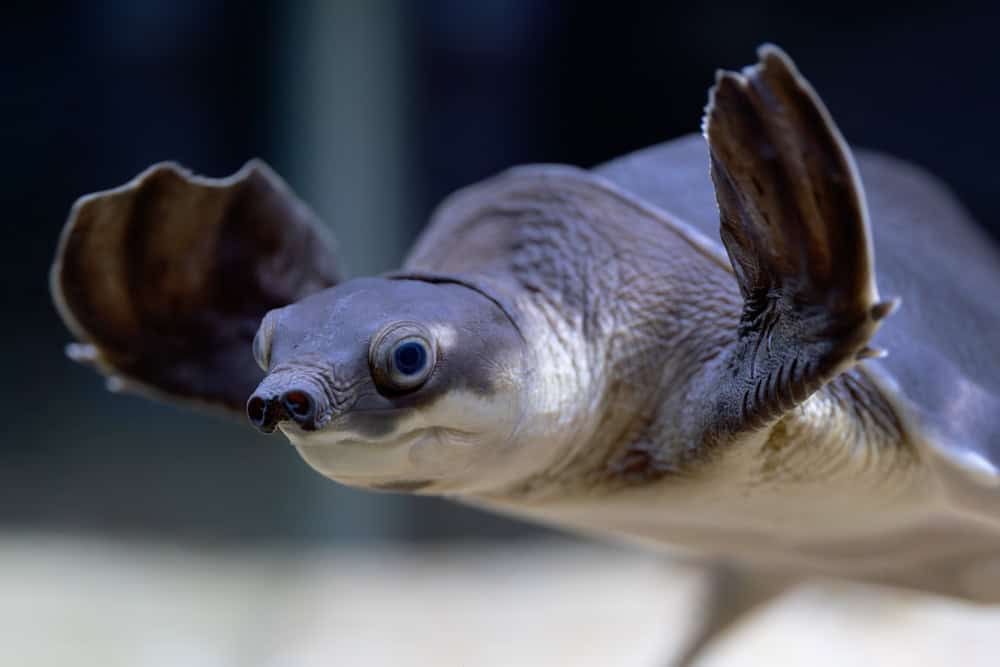
Their standout feature, however, is their nose, which looks alarmingly like that of a pig. This is their snorkel! They poke the tip of their nose above murky water to breathe. It also contains sensory receptors that are used to detect and locate their prey.
The Life of a Pig-Nosed Turtle
Pig-nosed turtles can live for around 38 years, but most don’t make it past their 18th birthday. In the wild, they are social, but when housed with others of their species in captivity, they are highly aggressive. In terms of habitat, they like to live in freshwater and estuarine bodies of water. You will usually find them on beaches or in ribbonweed beds in ponds, rivers, creeks, lakes, brackish water, and thermal springs.
Mother turtles travel together to find the best beaches to lay their eggs. Once the eggs are laid, they leave, and the young turtles are left to fend for themselves. Hatchlings feed on the leftover yolk of the egg. Still inside their nest, they move on to feeding on insect larvae, small shrimp, and snails. As adults, their diet is made up of flowers, fruits, and leaves, which they access on the riverbank. However, they are omnivores, so they also feed on mollusks and insects.
These turtles play a vital role in their local ecosystems, where they act as both consumers and prey. As consumers, they keep aquatic invertebrates and riparian plants in check. The adults have very few predators thanks to their tough shells. Their eggs, however, are eaten by lizards. Also, they aerate the soil when they dig during the nesting season.
Threats to Their Survival
Humans hunt and eat pig-nosed turtles; their meat is valued by local people for its taste and protein content. Also, their eggs are highly prized and sold in markets. Overharvesting has led to a dramatic population drop. Local villagers are highly efficient at harvesting them. An increase in demand was driven by growth in human populations and more villages being established on riverbanks since tribal warfare ceased. However, new technologies, particularly outboard motors, have brought added pressure. That said, small-scale fisheries in remote locations are extremely necessary because of their value to local economies. A balance needs to be struck.
Eggs from pig-nosed turtle nests are sold in markets.
©George Trumpeter/Shutterstock.com
Of more concern is the illegal poaching and smuggling of these turtles. High prices will be paid for eggs, and hatchlings can be sold on the international market for $39-$56 each. Adults are sold as pets.
These turtles are the last surviving species of turtle in the Carettochelyidae family. They are found in Papua, Indonesia, Papua New Guinea, and the Northern Territory of Australia. What’s more, their numbers are scattered across six districts which are Asmat, Merauke, Nduga, Mappi, Mimika, and Boven Digoel. They need help!
What Are the New Conservation Efforts for the Pig-Nosed Turtle?
Globally, the International Union for Conservation of Nature (IUCN) Red List classifies the pig-nosed turtle as Endangered. They are also already listed under Appendix II of the Convention on International Trade in Endangered Species of Wild Fauna and Flora (CITES). Furthermore, they are a fully protected species under Indonesian Environment and Forestry Ministerial Regulation No. P.106/2018.
The survival of this turtle species is inexorably linked to freshwater ecosystems in their range. The health of rivers, swamps, and surrounding wetlands is vital.
At the end of October 2026, the forest ecosystem conservation officer at Papua Natural Resources Conservation Agency (BBKSDA)met with WWF Indonesia and other stakeholders, including indigenous communities, academics, and researchers. The aim of this focus group discussion, as reported in local media, was to agree on a protection and recovery roadmap for these turtles. The strategy would cover population recovery, in-situ and ex-situ management, genetic diversity protection, and the maintenance of habitat connectivity.
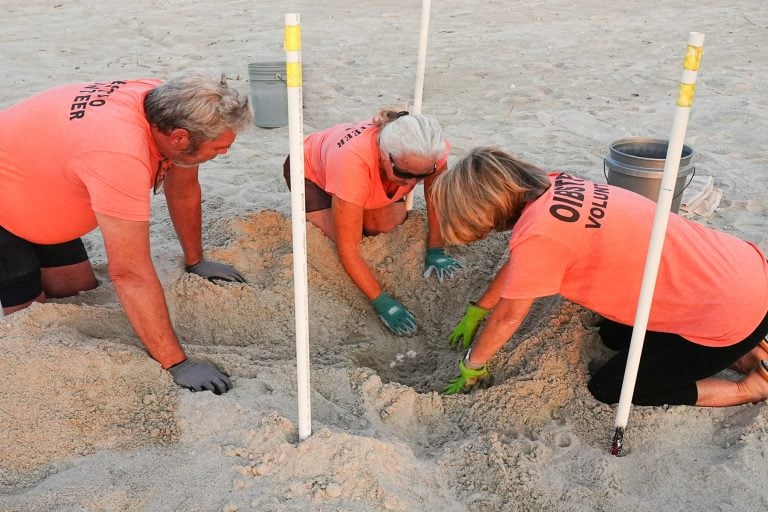
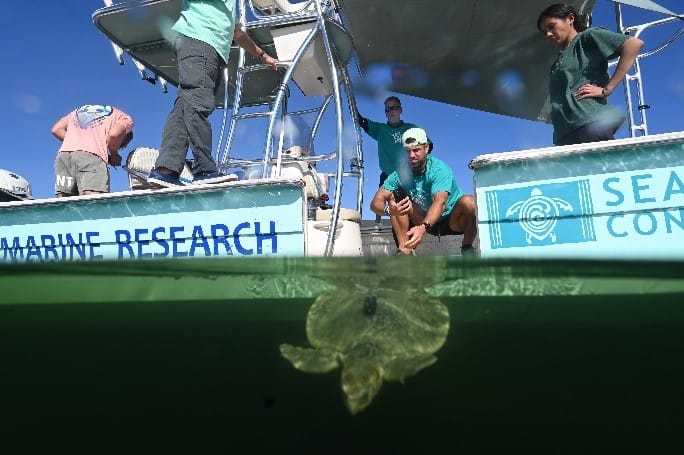
Measurable targets are a key part of the plan. Therefore, surveys will be conducted using the capture-mark-recapture (CMR) method to get an accurate picture of population numbers. Researchers will also assess sand substrates, nesting grounds, and riverbank habitats.
Armed with this information, the team can then set conservation priorities and strategies specifically for this species. There can then be both clear guidelines and measurable targets to help prevent preservation initiatives from becoming fragmented, uncoordinated, unsustainable, and difficult to evaluate.