Keystone species are animal species that are critical for keeping ecosystems healthy and balanced. Complex relationships and interactions often exist in our environment, but some species have a disproportionately large influence and impact on their habitat relative to the amount that exist. When these species are removed or go extinct, research has proven that negative chain reactions occur, affecting both plants and animals and causing significant ecological changes.
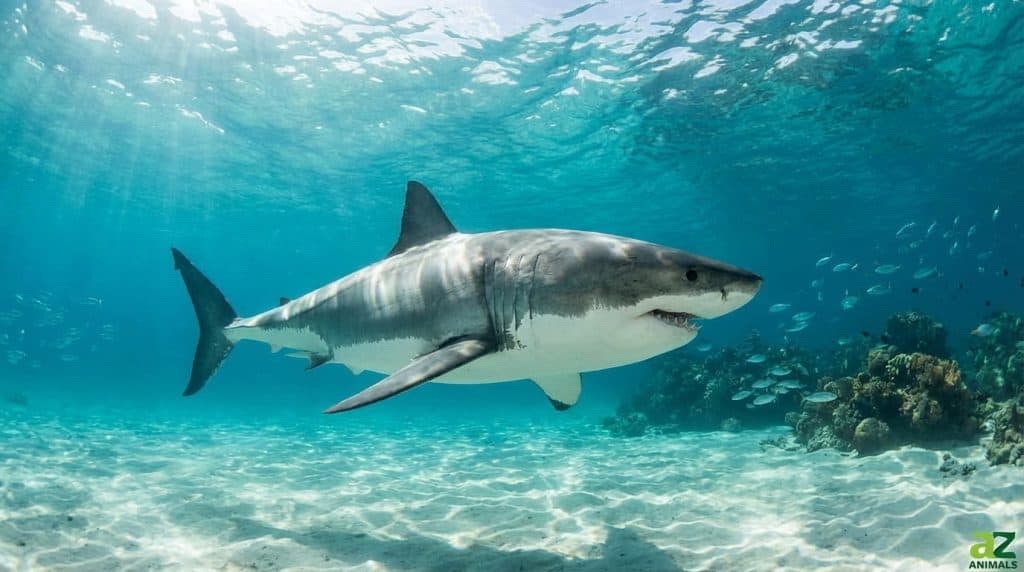
©A-Z Animals
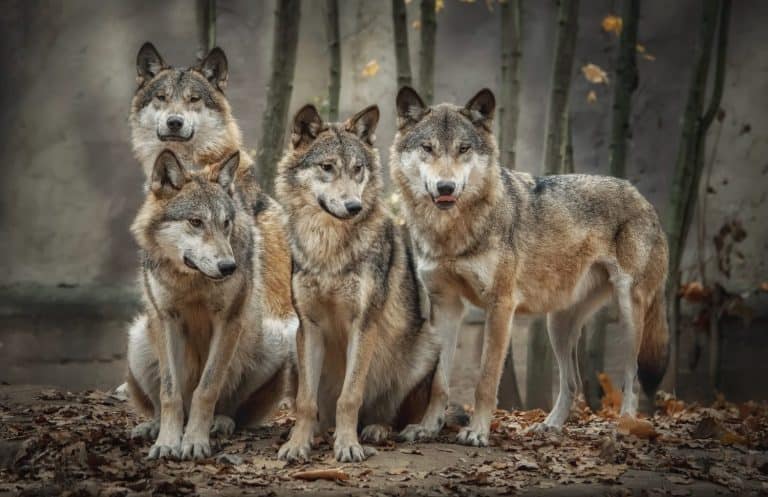
In our five-day unit, designed for elementary-aged students, children will investigate more about what it means to be a keystone species, why certain animals are considered significant for their ecosystems, and delve deeper into specific keystone species, including beavers, sharks, bees and wolves. Included in the unit plan are five days’ worth of comprehensive lesson plans, graphic organizers, educational video ideas, children’s book suggestions, comprehension questions, instructional resources, writing templates, and research activities. We hope you enjoy discovering more about nature’s most valuable species!

©