

Quick Take
- Pyrantel pamoate is technically used off-label in cats, yet vets, rescues, and shelters rely on it constantly. There is a specific reason why. See the off-label use →
- Not all intestinal worms respond to this drug, so treating the wrong parasite wastes critical time while your cat stays sick. Check which worms it targets →
- Mild vomiting after dosing can mean two very different things, and confusing them could lead to the wrong call. Understand the vomiting risks →
- The dosing method you choose could actually make the medication work better, and most cat owners default to the harder option. Find the easier dosing method →
If your cat or kitten is suffering from intestinal parasites, you may need to give them the common antiparasitic drug, pyrantel pamoate. In this guide, we’ll discuss what types of parasites pyrantel pamoate treats, signs that your feline friend may need this medication, the dosage range and schedule for kittens and cats, and possible side effects.
What Is Pyrantel Pamoate?
Pyrantel pamoate is a common parasiticide that caregivers use to treat a range of intestinal parasites in several species of companion animals, including cats. It belongs to the class of drugs called anthelmintics (or antihelminthics). This class is so named since they act against helminths, which are parasitic worms.
The brand names for this dewormer are Nemex and Nemex 2. Technically, this medication is used off-label for intestinal parasite treatment in cats, but it is a common practice by vets, rescues, and shelters, and is backed by research supporting its safe use in felines. In treating for parasites, pyrantel pamoate also prevents clinical diseases such as failure to thrive, decreased growth, and life-threatening anemia and protein loss in young companion animals.
You can typically find this medication available in capsule, chewable tablet, and liquid or paste suspension forms. This medication is usually available over the counter. Vet offices also sell it, so you can often purchase it directly from your cat’s vet as well.
What Parasites Does It Treat?
Before treating your cat with pyrantel pamoate, it’s a good idea to confirm the type of parasite your cat has. This medication doesn’t treat all of the common intestinal parasites that can infect cats, so knowing which treatment to use is crucial. You can bring in a sample of your cat’s stool for your vet to test. You can also take pictures of the worms in the stool, or take the worms into the vet’s office in a sealed bag, since fecal samples don’t always contain parasite eggs and may produce a false negative result. Make sure to wear gloves and wash your hands thoroughly after transferring feces or worms into the bag.
In cats, pyrantel pamoate treats roundworms (particularly Toxocara cati and Toxascaris leonina), hookworms (particularly Ancylostoma braziliense and Ancylostoma tubaeforme), and stomach worms (particularly Ollanulus tricuspis and Physaloptera spp.).
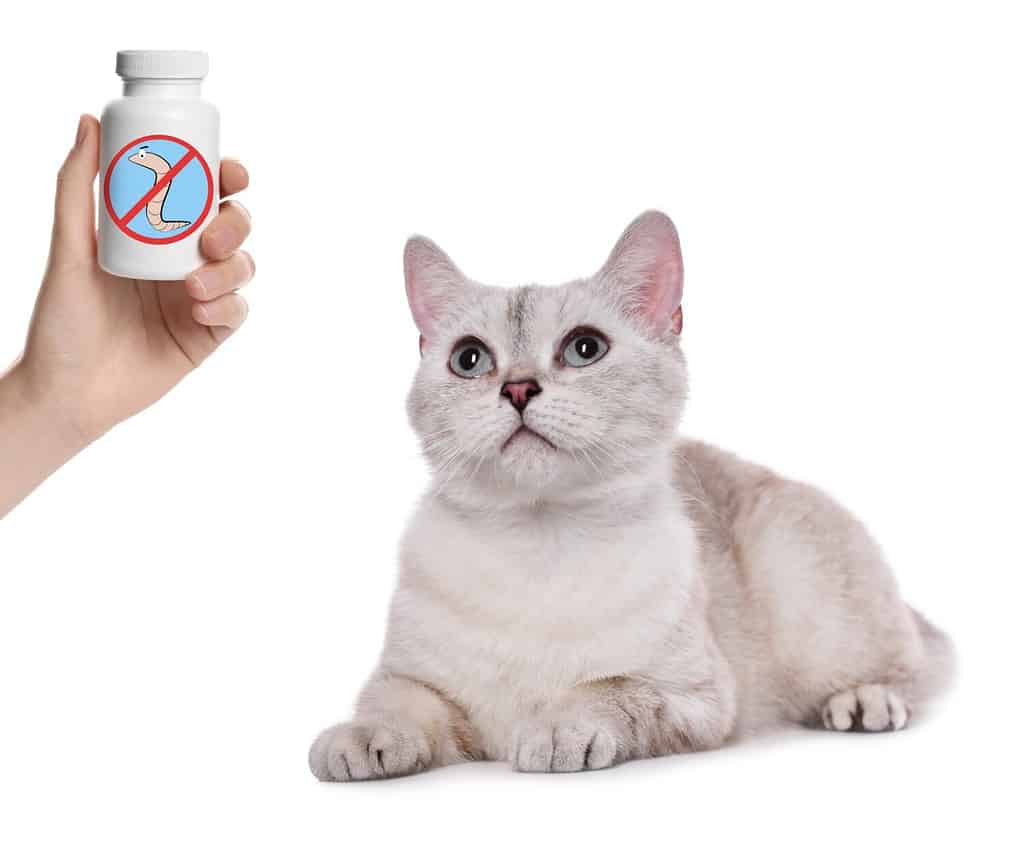
In cats, pyrantel pamoate is effective against various roundworms, hookworms, and stomach worms.
©New Africa/Shutterstock.com
Pyrantel Pamoate in Cats: How Does It Work?
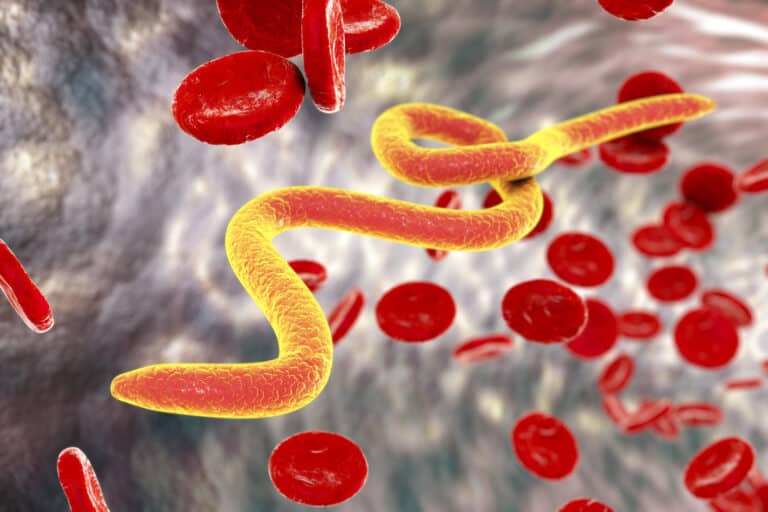
Pyrantel pamoate is a depolarizing neuromuscular blocking agent. This means the drug works by causing sudden contraction of the parasitic worm’s muscles through depolarization of the muscle membrane, rendering the worm paralyzed. The worms, once paralyzed, are then expelled from the body in the cat’s feces.
Signs of Intestinal Parasite Infection in Cats
If your cat has intestinal parasites, there are several behavioral and clinical signs that you may observe. Behaviorally, you may observe that your cat is less energetic and playful. They may also seem irritable or defensive if they are in pain or feel ill.
Depending on the type of intestinal parasitic infection and severity, medical signs can include the following:
- dull coat
- vomiting
- diarrhea
- persistent coughing
- loss of appetite
- pale gums
- pot-bellied appearance
- feces that are bloody or lined with mucus
If you are noticing some or all of these signs, it’s imperative to seek a diagnosis and treatment for your cat.
Many rescues also give pyrantel to lactating mothers and their kittens starting at 2 weeks of age, every 2 weeks, until the kittens are 16 weeks of age. The intestinal parasites can transfer through the mother’s milk, so deworming both mom and kittens is the most effective protocol. Due to the prevalence of intestinal worms in cats, many rescues and shelters opt to treat all cats and kittens over 2 weeks old upon intake.
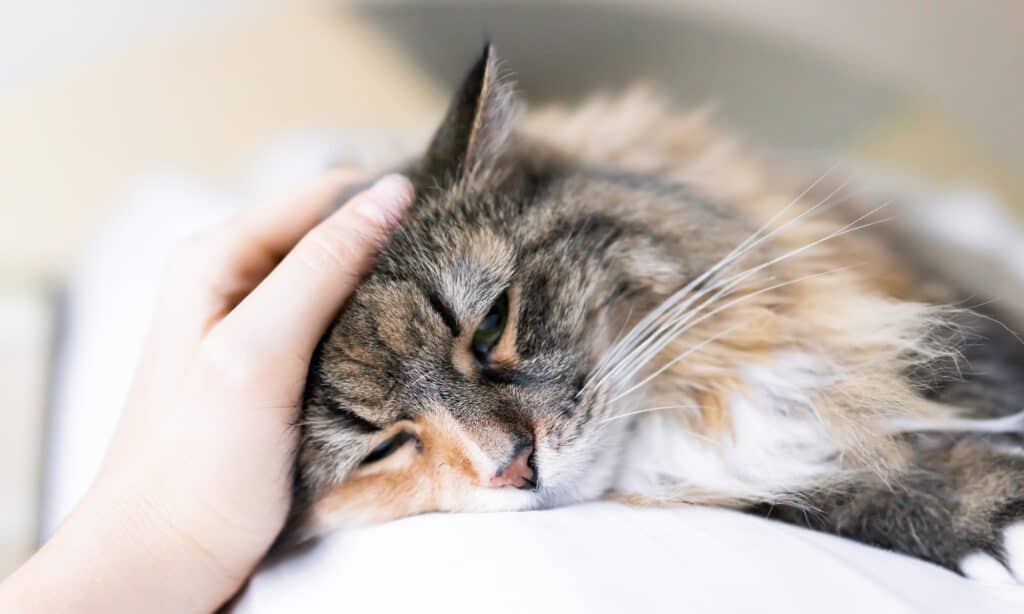
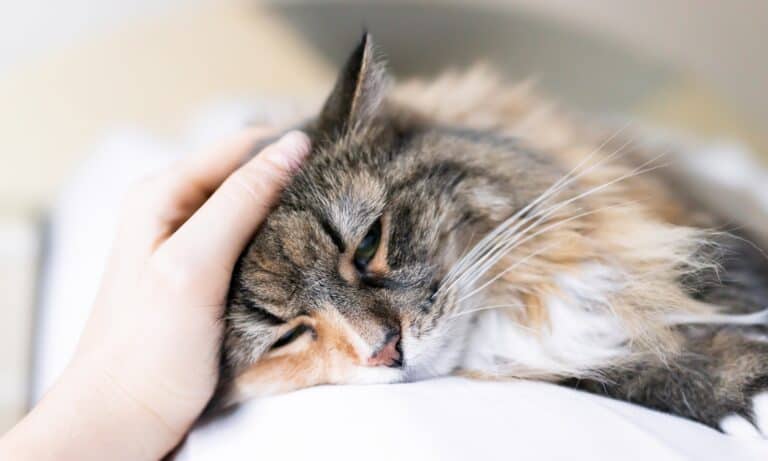
Your cat may feel lethargic or weak if they are suffering from intestinal parasites.
©iStock.com/krblokhin
Dosage Chart
If you have confirmed that your cat or kitten has intestinal parasites that pyrantel can effectively treat, it’s important to know the proper dosage and treatment schedule. For adult, non-lactating cats, you’ll typically give pyrantel once and then a second dose in 2-4 weeks. As discussed above, you may want to give pyrantel to all kittens and lactating mothers at a schedule of every 2 weeks until the kittens reach 16 weeks of age.
Dose Ranges, Forms, and Concentrations
The liquid suspension forms for cats are typically available in 2.27 mg/ml, 4.54 mg/ml, and 50 mg/ml concentrations in bottles of varying sizes. Since the liquid suspension at the 50 mg/ml concentration is especially common, we’ll provide the dosing charts for this concentration in milliliters for cats over 8 weeks.
For kittens 2-8 weeks of age, it’s best to consult your veterinarian for guidance on pyrantel dosing schedules and amounts. While pyrantel is a non-prescription medication, it’s still a good idea to seek professional veterinary consultation to ensure proper dosage and the proper dosing schedule. Our dosage chart does not replace medical guidance from a licensed veterinary professional.
| Weight (Cats 8 Weeks and Older) | Pyrantel Dose in Milliliters (50mg/mL) |
|---|---|
| 3 pounds | .3 mL |
| 5 pounds | .5 mL |
| 7 pounds | .7 mL |
| 10 pounds | 1.0 mL |
| 12 pounds | 1.2 mL |
| 15 pounds | 1.5 mL |
| 17 pounds | 1.7 mL |
| 20 pounds | 2.0 mL |
| 22 pounds | 2.2 mL |
| 25 pounds | 2.5 mL |
Side Effects and Risks
Overall, pyrantel is considered a safe medication widely used on- and off-label for a number of species affected by intestinal parasites. You’re unlikely to see any side effects from this medication unless the dosage is excessively high.
If the dose is too high, you may start to see nausea, vomiting, lack of appetite, and diarrhea. It can be difficult to discern if these signs are actually side effects of the pyrantel, since many cats will display these signs due to the immune system response to the parasite infection.
In cases of severe overdose, you may see notable signs of toxicity. This is a medical emergency and you’ll need to take your cat to the vet immediately. Due to the safety range of dosing, it’s unlikely for severe overdoses to occur. One study found that kittens 4-6 weeks old showed no adverse effects when given paste or granule formulations of this medication at 100mg/kg over three days. However, if your cat or kitten accidentally ingests very high doses, you may see the following signs of toxicity:
- Increased respiratory rate
- Disorientation
- Difficulty walking (ataxia)
- Profuse sweating, often seen at the pads of the feet
- Salivation
- Tremors
- Convulsions
- Vomiting
Note that vomiting may occur as a mild side effect, especially if you give pyrantel pamoate without food. If this is the only observed side effect, try giving the next dose with food. If vomiting persists, however, you should absolutely contact your vet.
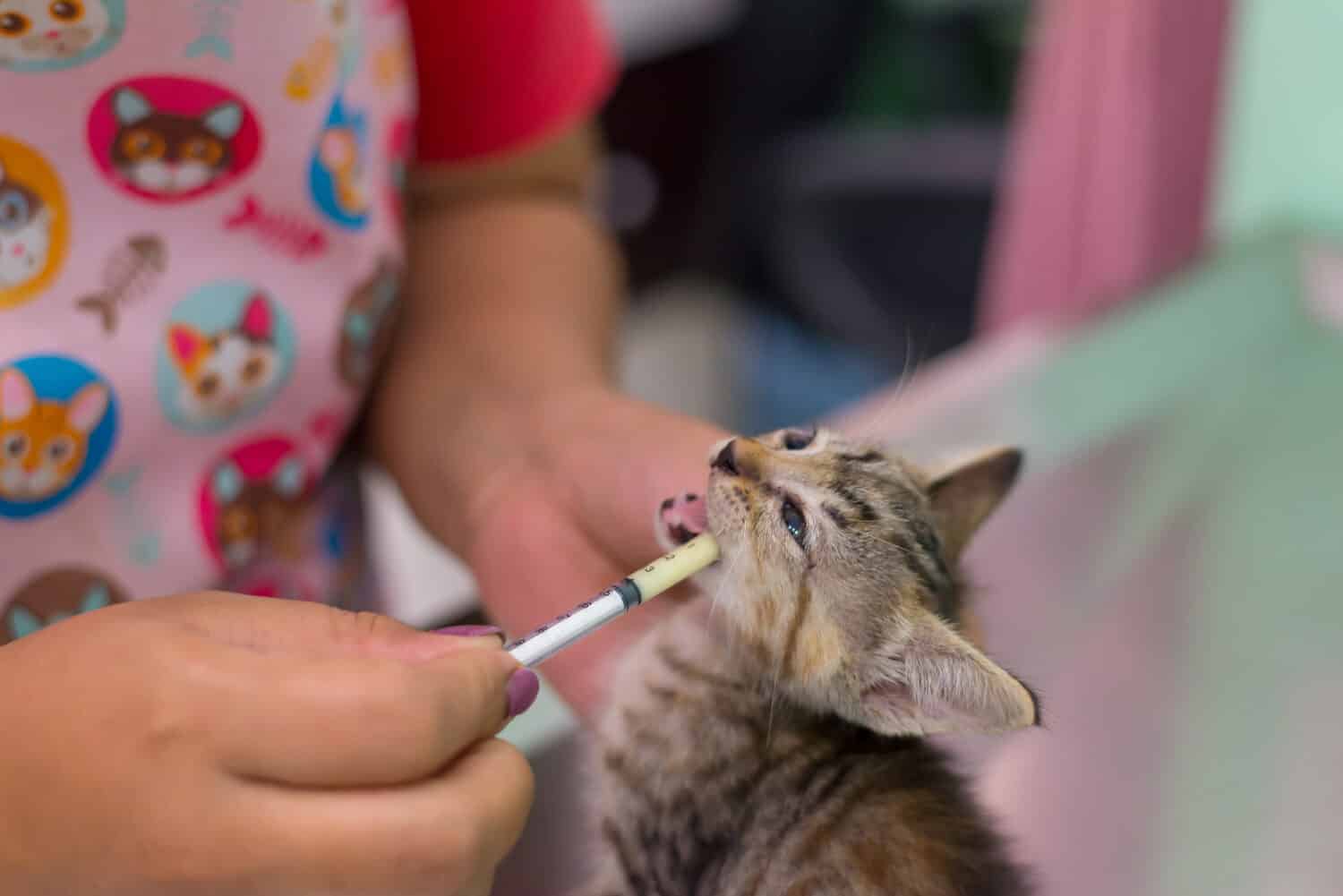
Administering through a syringe is the most common method of deworming young kittens.
©JK Lin/Shutterstock.com
How to Administer
For the liquid and paste suspensions, you can use a needle-less syringe to administer the pyrantel pamoate. To administer via syringe, place the syringe tip into the corner of the kitten or cat’s mouth and slowly press the plunger until the cat swallows all of the medicine. Make sure not to position the syringe toward the center of your cat’s mouth, as this can result in choking on the medication.
For older kittens and cats, you may also have success simply mixing the medication into some wet food. This method eliminates the risk of accidentally administering too much medication too quickly with the syringe. You can also hide tablets and capsules in treats. Giving the medication with food may decrease the risk of vomiting.