
Quick Take
- "A mischief of kittens" sounds charming, but it describes something that has nothing to do with cats. Discover what it really means →
- One collective noun for kittens quietly transformed into an entirely different word still used for adult cats today. Trace the word's evolution →
- Cat reproduction moves so fast that a kitten can already be pregnant before her mother delivers the next litter. See the reproductive pace →
- The most poetic collective noun for kittens traces its roots not to cats at all, but to a word meaning something tangled. Explore the tangled origins →
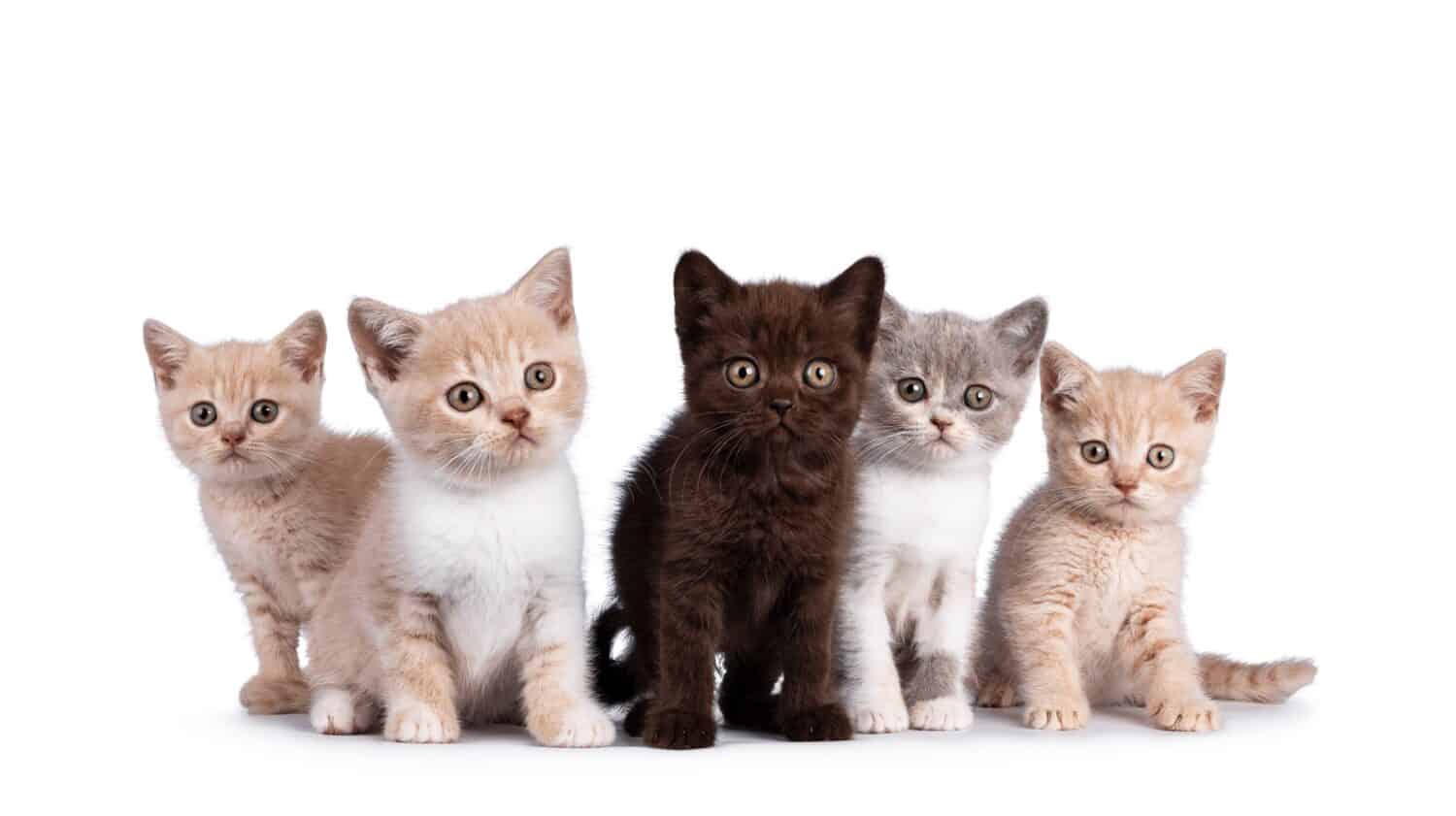
The name for a group of animals is called a collective noun. Have you ever wondered what the collective noun is for kittens? While a group of kittens is often called a litter, this word is used for more than just young cats. A litter is the live birth of multiple animals at one time from the same mother. So what is the collective noun for a litter of kittens? In this article, we’ll discuss what to call a group of kittens, where these names come from, and more.
Collective Nouns Specific to Kittens
As noted above, while a group of kittens can be called a litter, this word is used for many mammals’ offspring and is not specific to cats. There are a few collective nouns for a group of kittens. We’ll discuss them all in detail below.
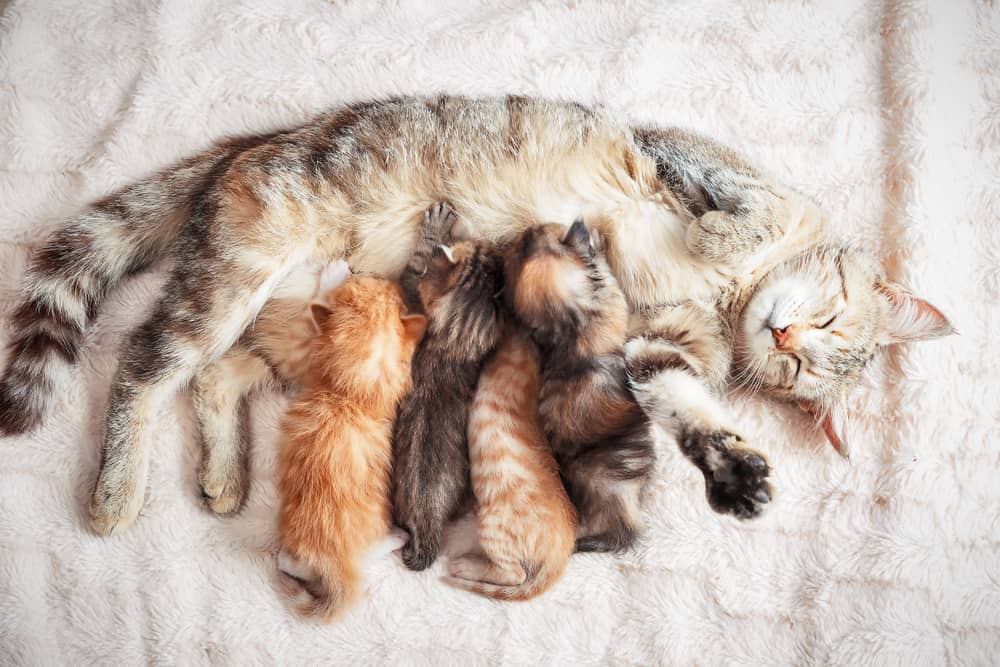
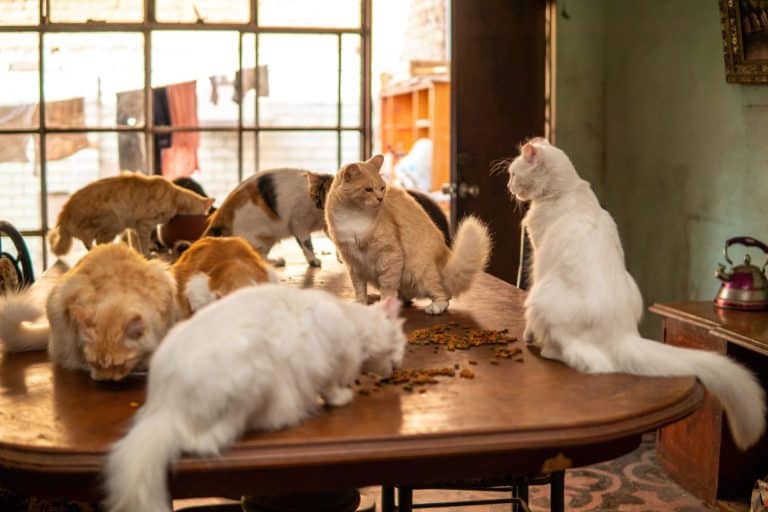
A group of kittens from the same mother can be called a litter, but kindle, intrigue, and clutter are specific to felines.
©Rashid Valitov/Shutterstock.com
Kindle
A kindle is the most common way to refer to a group of kittens. The origin is believed to be derived from the Middle English word “kindelen,” which means to give birth, or the German word “kinder,” meaning children.
Intrigue
An intrigue of kittens is another collective noun for a group of kittens that is occasionally heard. The term is believed to originate from the historical definition of intrigue, which meant an entanglement. This is the perfect description for a pile of playing kittens all tangled up with each other.
Clutter
Clutter is derived from the Middle English word “clotter,” which not only referred to coagulation of the blood, but had the secondary meaning “to crowd” or “huddle together.” The term eventually evolved into the more widely used collective noun for a group of cats, clowder.
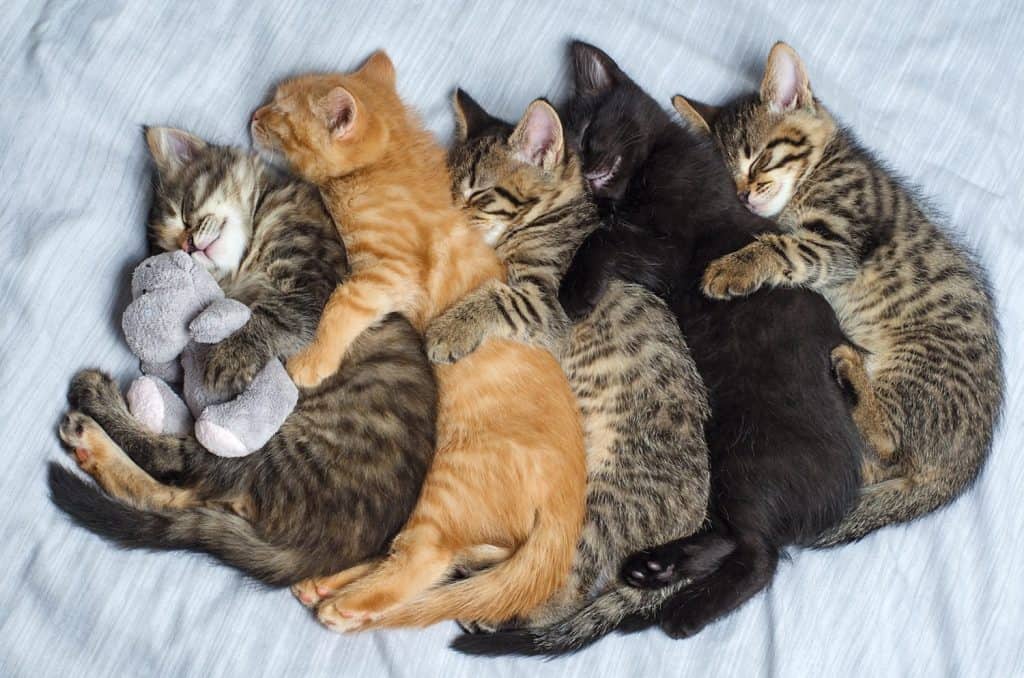
The term “clutter” eventually evolved into the more commonly used word for a group of cats, “clowder.”
©Margarett24/Shutterstock.com
How Many Kittens Are in the Average Litter?
Most litters consist of four to six kittens. However, a mother cat may give birth to twelve or more kittens in one litter. She might also give birth to only a single kitten. First-time mothers tend to have smaller litters. Cats can also birth up to three litters in one year. They can become pregnant as young as four months old. By the time a mother cat is having her next litter, her daughters can already be pregnant! This is why spay and neuter programs are so important, especially for stray and feral cats.
The largest litter of domestic cats ever recorded was born on August 7, 1970 in Kingham, Oxfordshire, U.K. A Burmese/Siamese cat gave birth to 19 kittens, but four were stillborn. Some purebred cats, such as Siamese, Ragdolls, Burmese, and Maine Coons tend to produce larger litters than their mixed breed counterparts.
What Is a Mischief of Kittens?
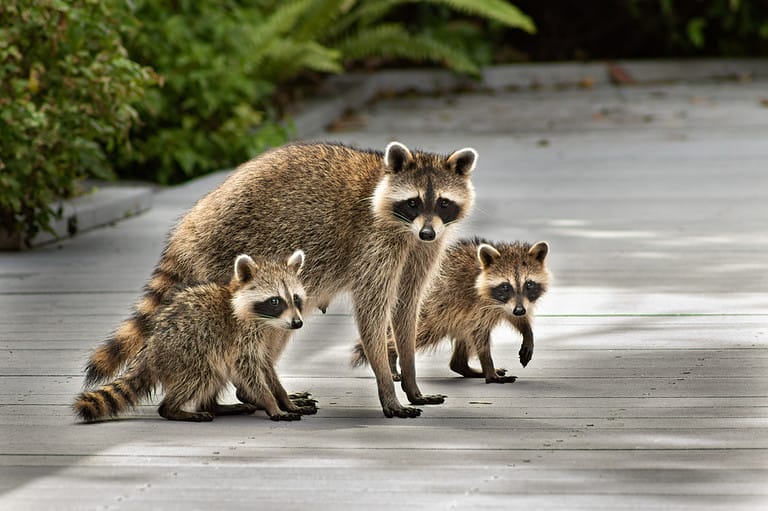
If someone asks you if you’d like to see a mischief of kittens, they may be up to some mischief themselves. Rat babies are also called kittens (and sometimes pups), and a mischief is a group of rat kittens.