
Quick Take
- Purebred Bernese Mountain Dogs have a startlingly short lifespan, yet something happens at the genetic level when you mix them with a poodle that changes the equation entirely. See the lifespan difference →
- Bernedoodle intelligence sounds like a pure win, but it has a hidden downside most new owners never see coming. Discover the intelligence downside →
- That puppy coat you fell in love with may not be the coat you end up with. Bernedoodles carry a genetic trait that quietly rewrites their appearance over time. See how coats change →
- Breeders love to claim that Bernedoodles are 'hypoallergenic,' but the reality is more nuanced, and the specific coat type you choose actually matters. Explore the coat nuances →
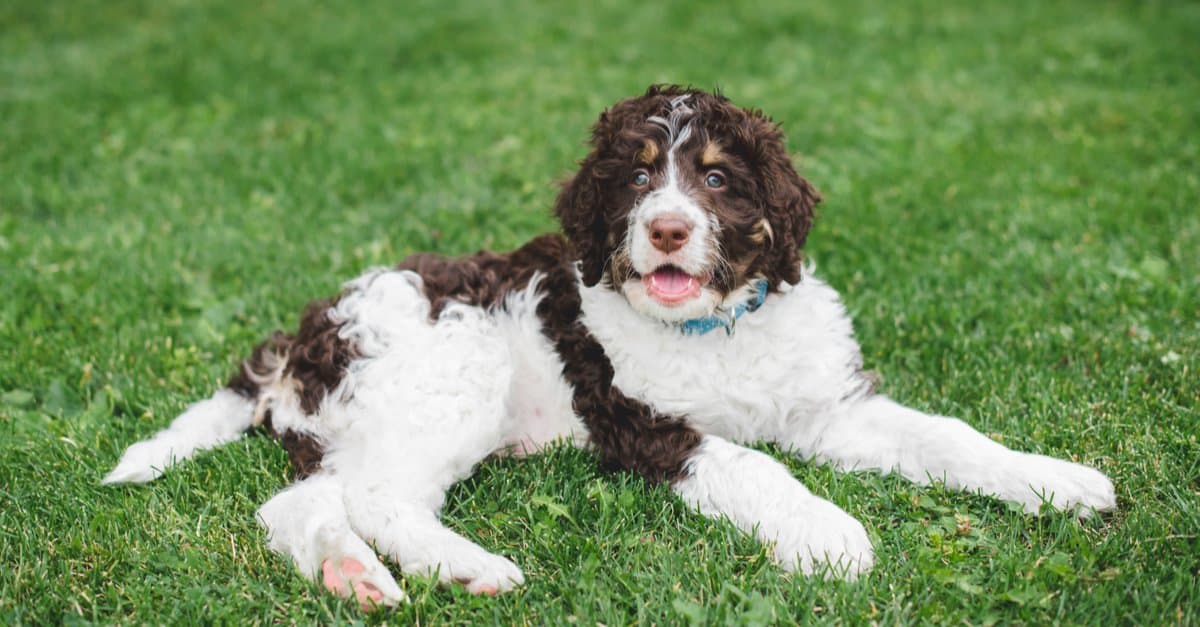
What do you get when you mix a Bernese Mountain Dog and a standard poodle? A Bernedoodle! Bernese mountain dogs are gentle, loyal canines that originated in Switzerland. Poodles are intelligent, active dogs with famous wavy coats. That’s why a typical Bernedoodle puppy will be smart, dependable, and have a curly coat. What else should you know about this well-designed hybrid? Read on to learn about their unique traits and find out why the Bernedoodle makes a great family pet.
1. Standard Bernedoodles Are Big Dogs
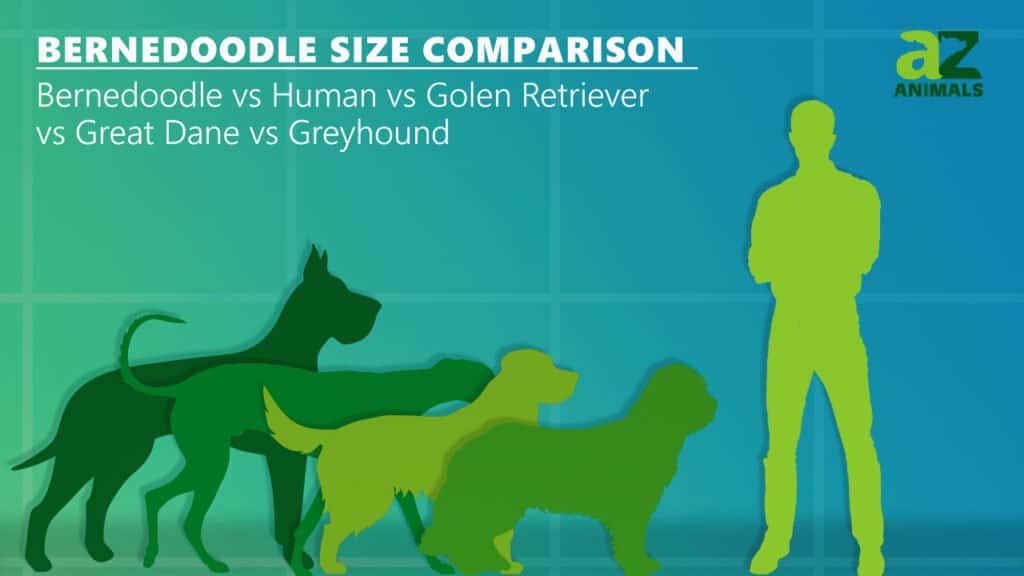
The standard Bernedoodle can get relatively large. Bernese mountain dogs stand up to 27.5 inches at the shoulder and weigh up to 115 pounds. Females can reach 26 inches tall and weigh around 95 pounds. Standard poodles are also larger than one might think. They stand 18 to 24 inches tall at the shoulder, with males being taller. Males weigh up to 70 pounds, while females can reach 50 pounds. A female Standard Bernedoodle can weigh anywhere between 60 and 75 pounds or more and measure 22 to 26 inches at the shoulder. Males range from 75 to 90 pounds or more and stand 24 to 28 inches at the shoulder. Owners seeking a smaller pup should consider a Bernedoodle with a miniature or toy-sized poodle parent, as discussed below.
2. Bernedoodles Come in Different Sizes
Since Bernedoodles have a poodle parent, and poodles come in three sizes, Bernedoodles are also bred to be different sizes. Poodles come in standard, miniature, and toy sizes. So Bernedoodles can be standard (up to 90 pounds or more), mini (20–45 pounds), and tiny (10–24 pounds). However, they can have significant size variation, even among puppies in the same litter.
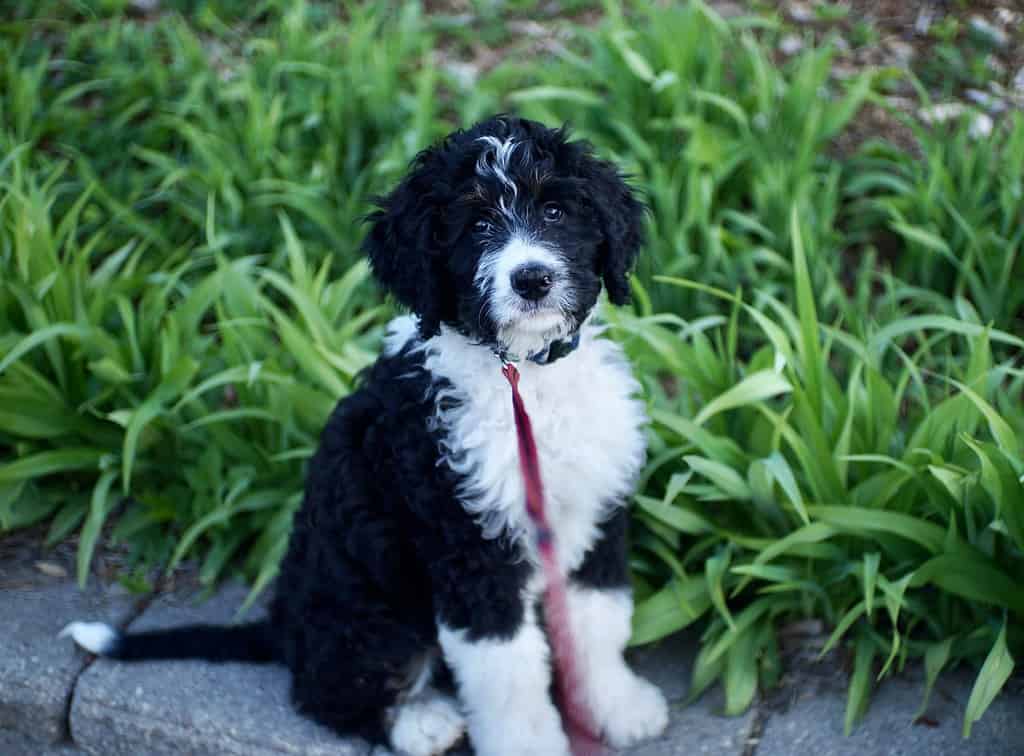
A Bernedoodle’s size depends on the size of its poodle parent.
©Finn the giant daveleduc/Shutterstock.com
3. There Are Different Ways to Breed a Bernedoodle
The most common way to breed a Bernedoodle is a first-generation cross between a purebred Bernese Mountain Dog and a purebred poodle. This 50% Bernese, 50% poodle hybrid is called an F1 Bernedoodle. Another way to breed a Bernedoodle is an F1 Bernedoodle bred to a purebred poodle. A 75% poodle, 25% Bernese hybrid is referred to as an F1B Bernedoodle. This generation is said to shed less, making the pups more allergy-friendly. There are also multi-generational crosses, where Bernedoodles are bred to other Bernedoodles or back-crossed over multiple generations to breed for specific traits.

The most common hybrid is a 50% purebred Bernese and 50% purebred poodle hybrid.
©Maria Bell/Shutterstock.com
4. Bernedoodles Have Hybrid Vigor
Since Bernedoodles are a carefully planned mixed breed, they have a unique phenomenon known as hybrid vigor, or heterosis. Mating two genetically different lines causes allele interactions that lead to stronger and more fertile offspring. Scientists believe that heterosis produces traits in the offspring that are superior to either parent. One of the advantages of hybrid vigor is that it helps prevent certain types of cancers in Bernedoodles that are common to Bernese Mountain Dogs. This makes hybrid pups much healthier and can extend their lifespans.
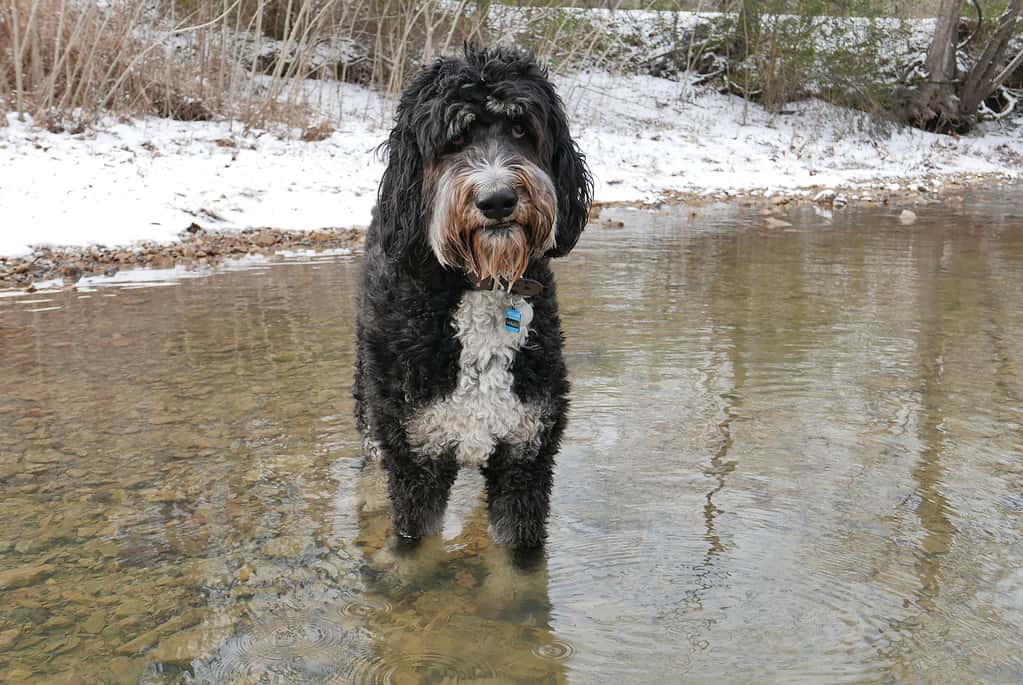
Bernedoodles have hybrid vigor, making them stronger and more fertile than their parents.
©stefankruijt/iStock via Getty Images
5. Bernedoodles Have Allergy-Friendly Coats
There are no breeds that are truly hypoallergenic in the way we understand it. All dogs produce dander, saliva, and urine that contain proteins that can trigger an allergic reaction. However, Bernedoodles tend to shed very little. Many breeders breed for the curlier coats of the poodle, as curlier coats shed the least and trap dander better. Of course, since every puppy inherits slightly different DNA from its parents, their coats vary, even among pups in the same litter.
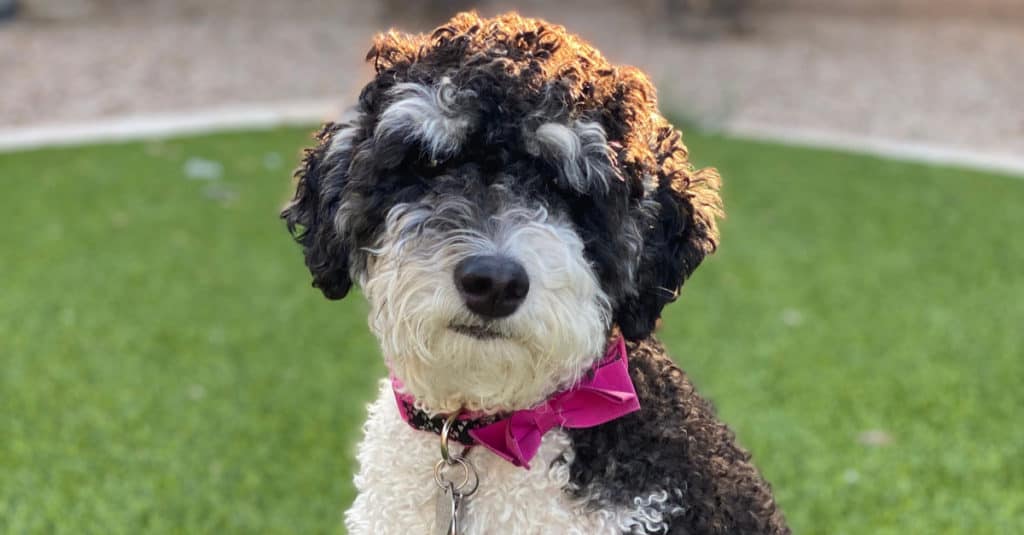
Bernedoodles have allergy-friendly, curly coats that shed less and trap dander better.
©Shandraz/Shutterstock.com
6. Bernedoodles Crave Human Companionship
Bernedoodles weren’t bred to be alone. Mixing the devotion of the Bernese mountain dog with the sociability of the poodle creates puppies that need human connection. These dogs are family pets and do best in environments with a lot of interaction. Wherever the family goes, Bernedoodles want to follow. These dogs are also very smart and intuitive, so they can pick up on their humans’ moods. If their humans are stressed or upset, it can make them more anxious.
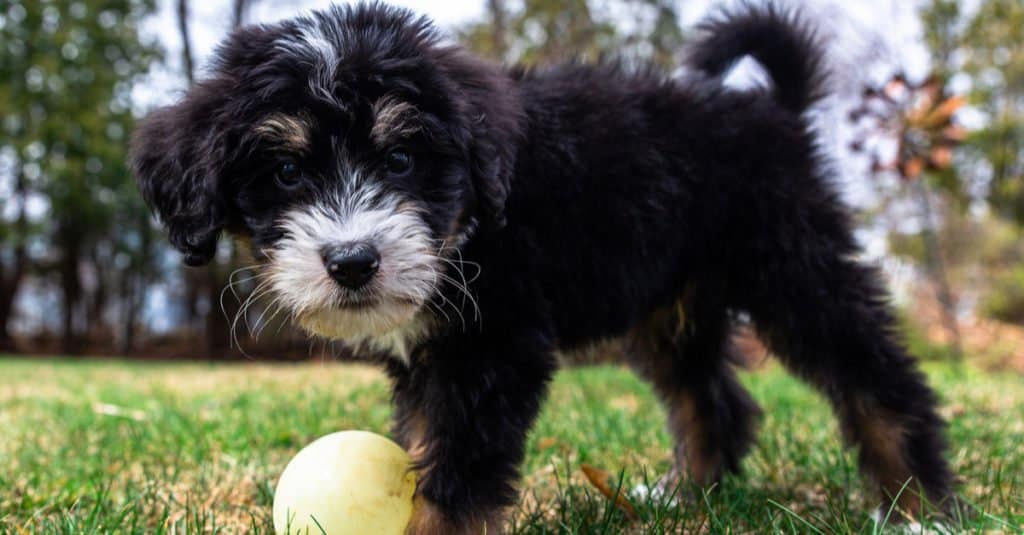
Bernedoodles need companionship to be happy.
©jcburke/Shutterstock.com
7. Bernedoodles Have a Relatively Long Lifespan
Well-bred standard Bernedoodles live roughly 10 to 15 years. In some cases, a hardy hybrid can live even longer. Realistically, purebred Bernese mountain dogs have a relatively short lifespan of only 6 to 8 years. Half of these dogs die of cancer. However, mixing this breed with a poodle, which is known for its longevity, can extend their offspring’s lifespan. Smaller poodle hybrids can live even longer, with some mini breeds living up to 18 years.
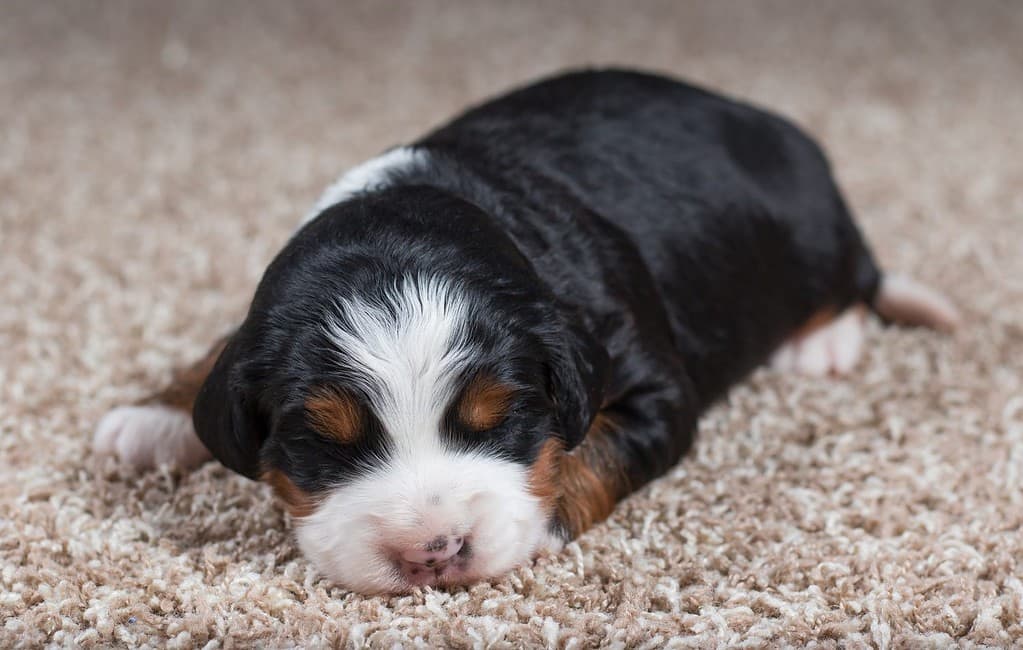
Your Bernedoodle pup will have a relatively long lifespan, especially the smaller-sized hybrids.
©JasonYoder/Shutterstock.com
8. Bernedoodles Might Just Be Too Smart
Where do Bernedoodles get their intelligence? Their poodle parent. Poodles are widely believed to be the second-most intelligent dog, after the border collie. Originally bred in Germany as hunting dogs, they can quickly learn new commands. Bernedoodles inherit the poodle’s intelligence, making them easy to train. However, they also inherit the Bernese mountain dog’s stubborn streak. If they’re not properly engaged, a Bernedoodle’s intelligence can wind up causing problems. Without a way to release their energy, Bernedoodles can get into a great deal of mischief. Fortunately, this is easily solved with a daily exercise routine and training program.
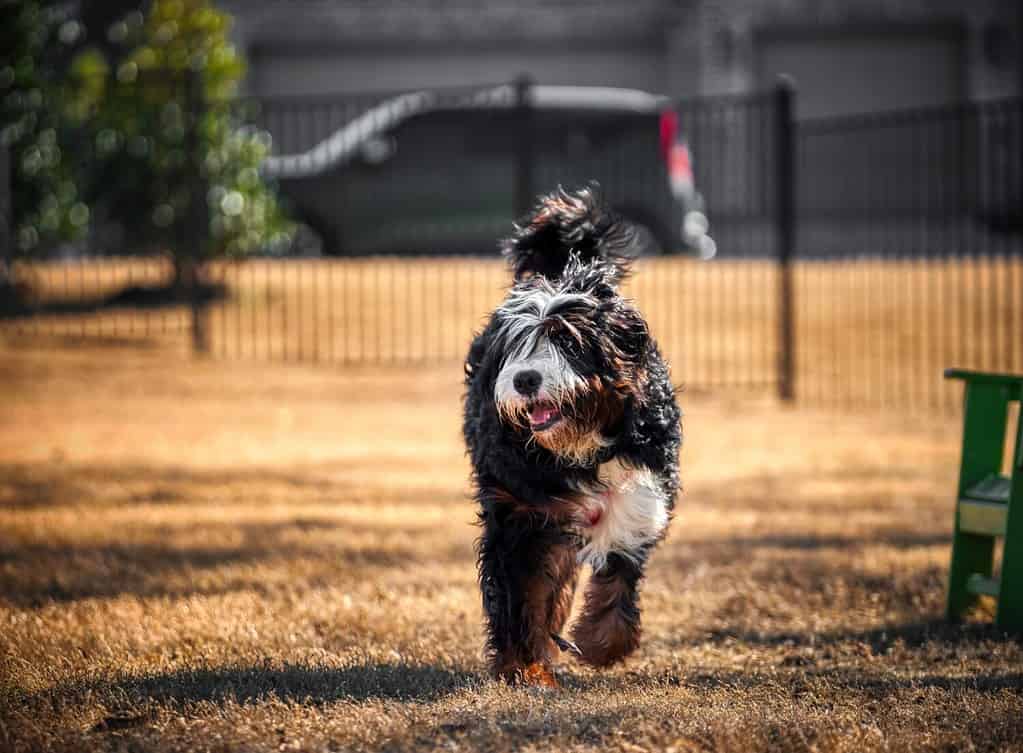
Bernedoodles inherit the poodle’s intelligence, making them easy to train.
©CobraNicole/Shutterstock.com
9. Bernedoodles Make Great Therapy Dogs
Many Bernedoodles are being chosen and trained to become therapy dogs. This hybrid is a perfect choice since they have gentle, intuitive natures like the Bernese mountain dog, and like the poodle, they are smart, social, and eager to please, making consistent training highly effective. Bernedoodles are happy to learn all sorts of commands quickly and are great at following through. Any job that involves interacting with people will give Bernedoodles a chance to shine. They’ll get a daily dose of human companionship and can offer calm comfort to those in need.
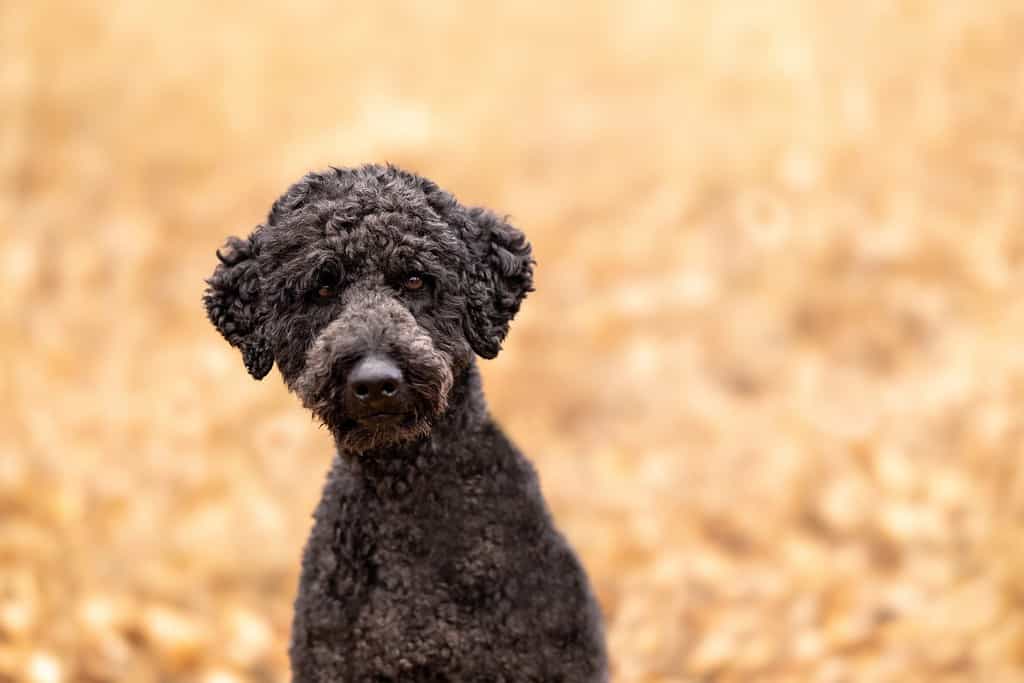
Bernedoodles are a perfect choice for therapy dogs since they’re gentle, social, and eager to please.
©Jennifer McCallum/Shutterstock.com
10. Bernedoodles Have Color-Changing Coats
Like some poodles, a Bernedoodle’s dark coat can change color or fade to grey or silver as they get older. Some color changes take place quickly during their first year, and some transitions can take up to two years. Due to the poodle genetics, puppies can inherit an incomplete dominant “fading gene,” which causes progressive greying. This trait lightens black, brown, or rust colors into silver, grey, charcoal, cream, wheaten, or light tan.
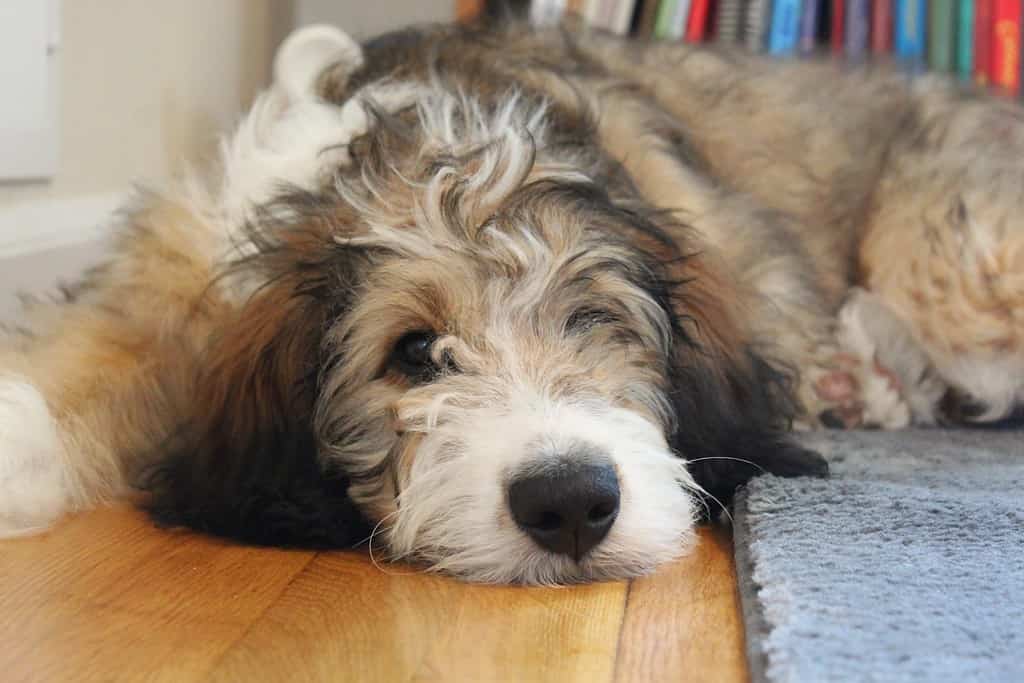
Bernedoodles inherit a recessive “fading gene” from their poodle parent that lightens their coat colors.
©Monica Holbrook/Shutterstock.com