Some dogs can’t resist the urge to chase, lunge, or bark at anything that moves; and that instinct is often tied to their prey drive. While all dogs have some level of this ancestral trait, certain breeds exhibit it much more strongly. Prey drive influences everything from behavior on walks to interactions with children and small animals, and it’s not something that can simply be “trained out.”
Experts stress that dogs with high prey drive benefit less from punishment and more from positive management strategies like structured play, flirt poles, and enrichment. Breeds like German shepherds, huskies, and border collies need copious amounts of exercise, as well as mental stimulation. And when considering adopting a new dog, it’s vital to know what you’re getting into. Some traits are hardwired, and picking the wrong breed for your lifestyle can lead to stress, for both the owner and the dog.
This slideshow explores the ins and outs of prey drive, including how to manage it and which dog breeds have the highest levels. Whether you’re considering adoption or already own a high-energy pup, this guide offers insight into keeping both your dog and household safe and happy.
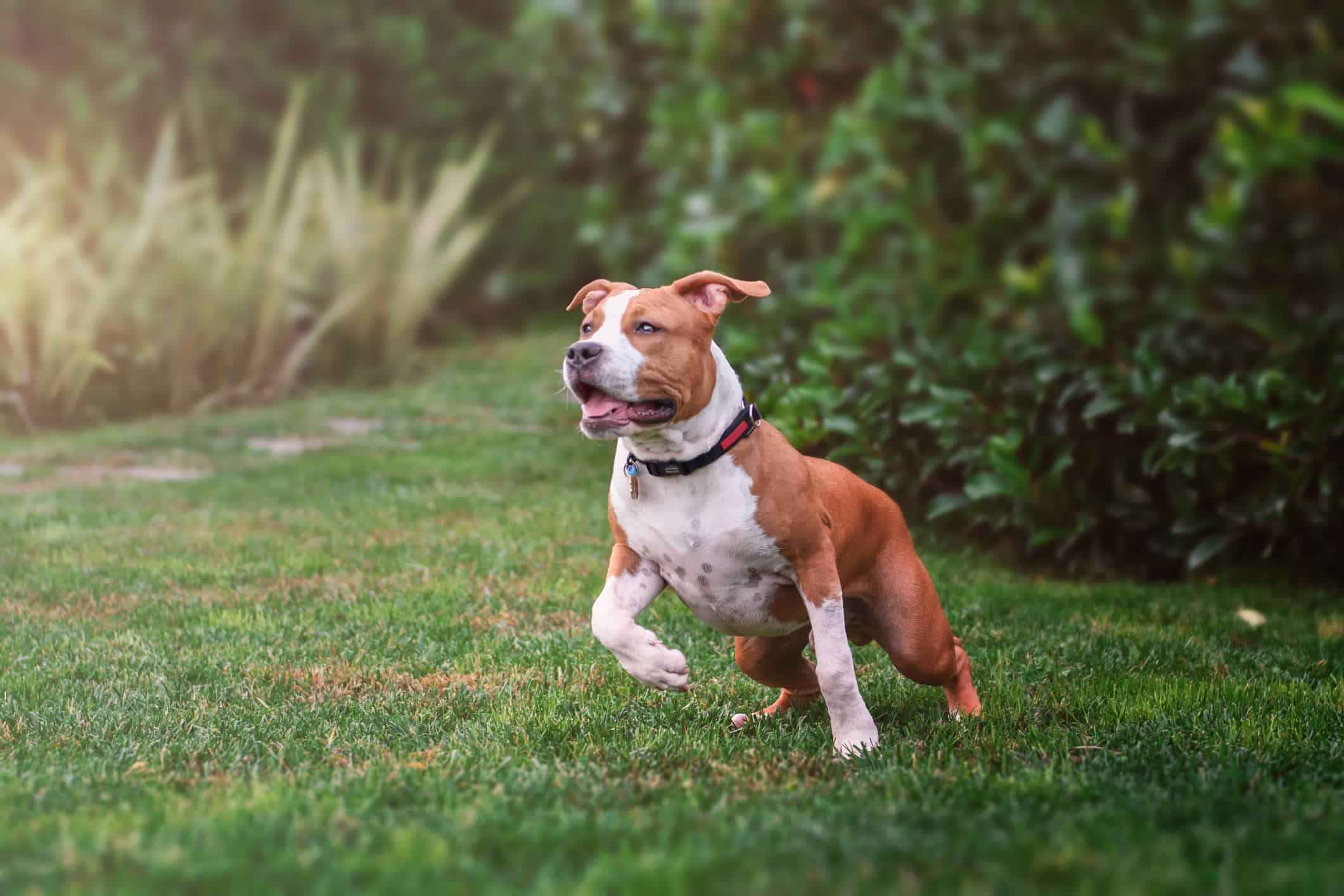
Understanding Prey Drive in Dogs
©iStock.com/Emre Ceylan
- Prey drive refers to a dog’s instinct to find, chase, and capture prey
- High prey drive breeds need structured training and enrichment, not punishment.
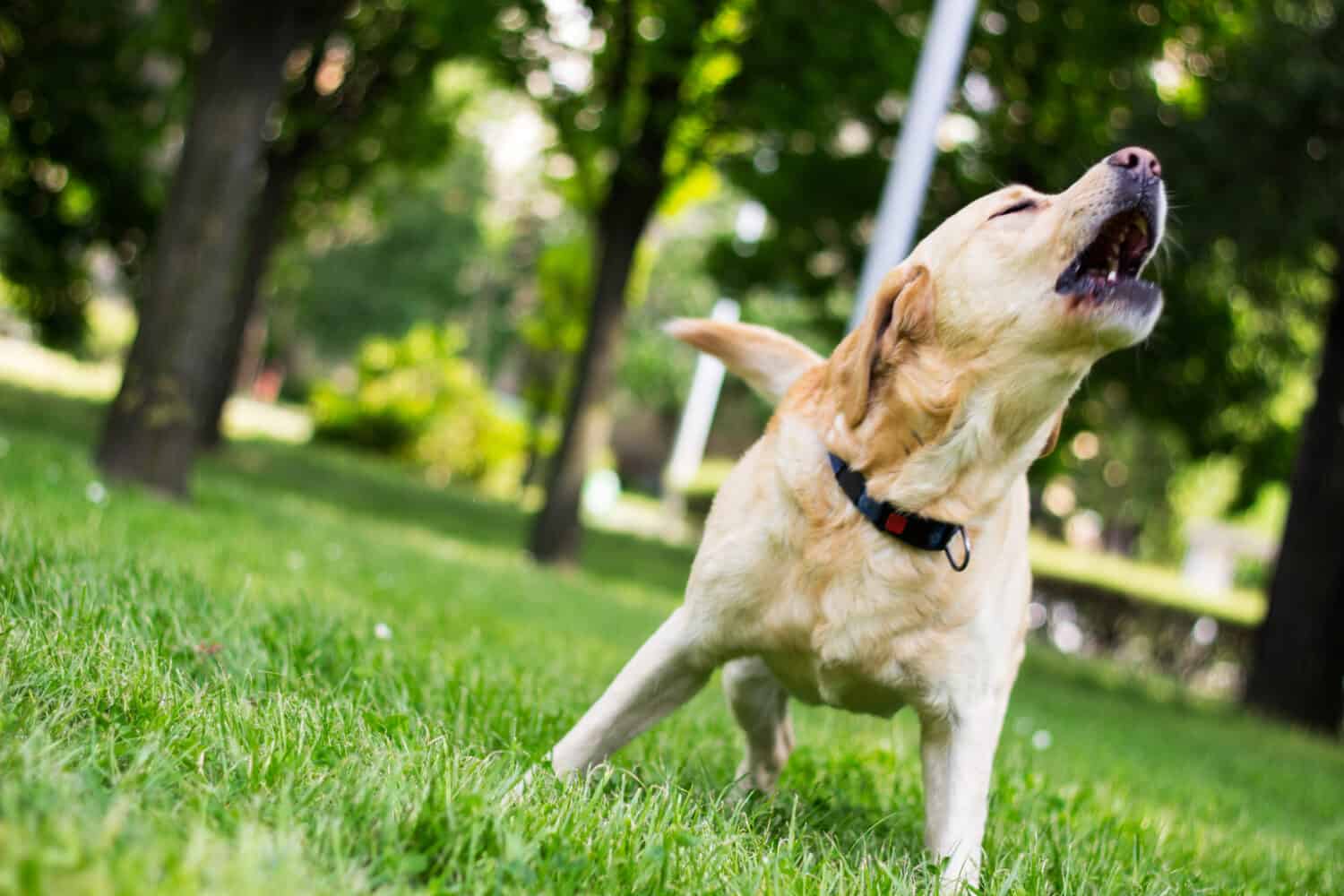
Managing High Prey Drive
©sanjagrujic/Shutterstock.com
- Dogs with unmet prey instincts may show reactivity like lunging and barking
- Experts recommend flirt poles, chase games, and consistency over e-collars.
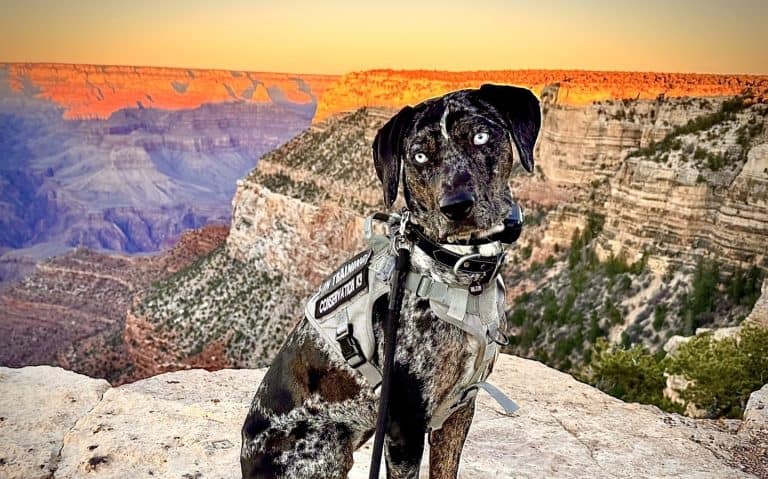
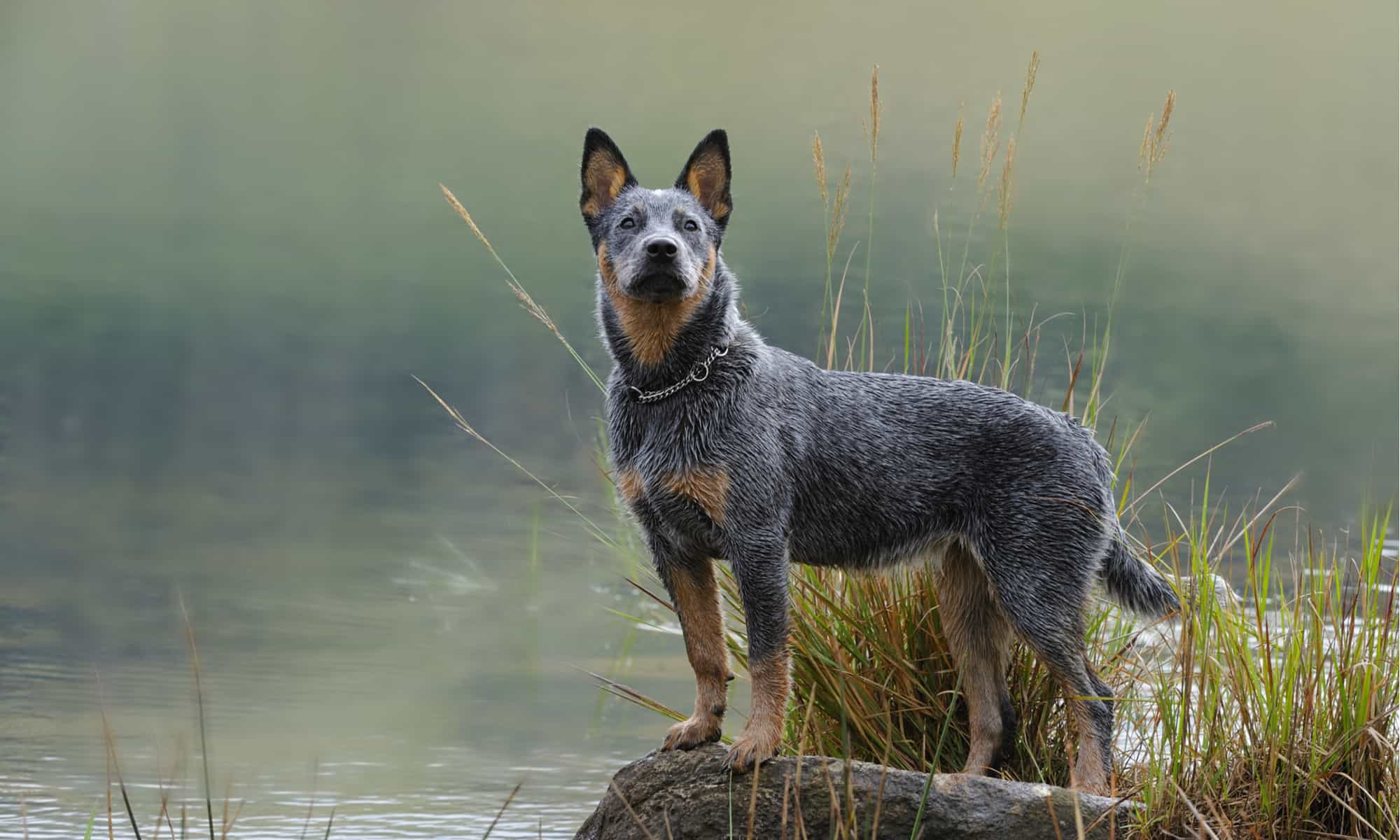
Australian Cattle Dog
©WOLF AVNI/Shutterstock.com
- Bred for herding, they are active and can nip when trying to herd children
- Easily distracted by small animals, these dogs need constant engagement.
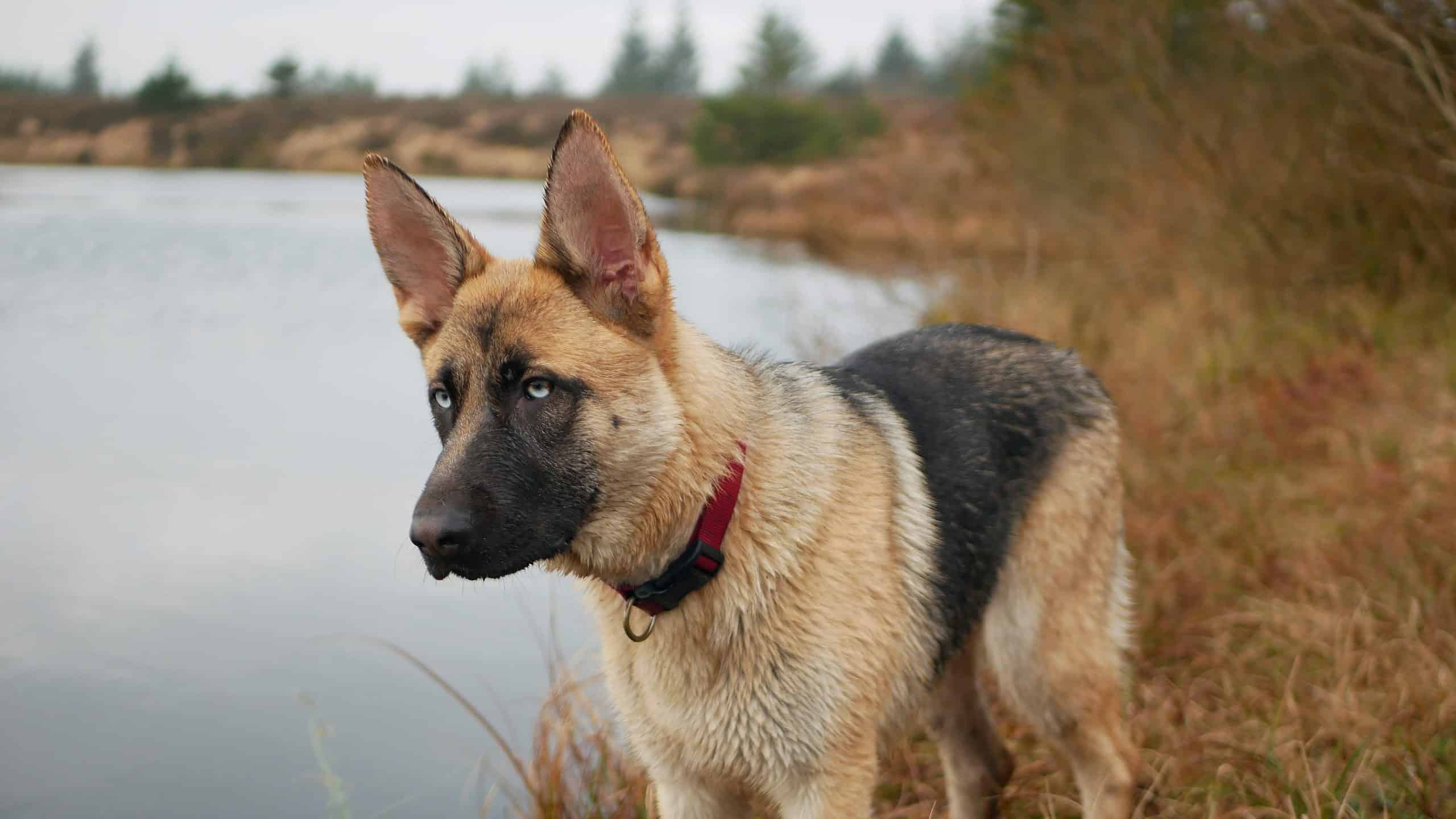
German Shepherd
©Alan Malone/Shutterstock.com
- High prey drive and protective instincts make them great guard dogs
- Without early socialization, they may chase or harm small animals.
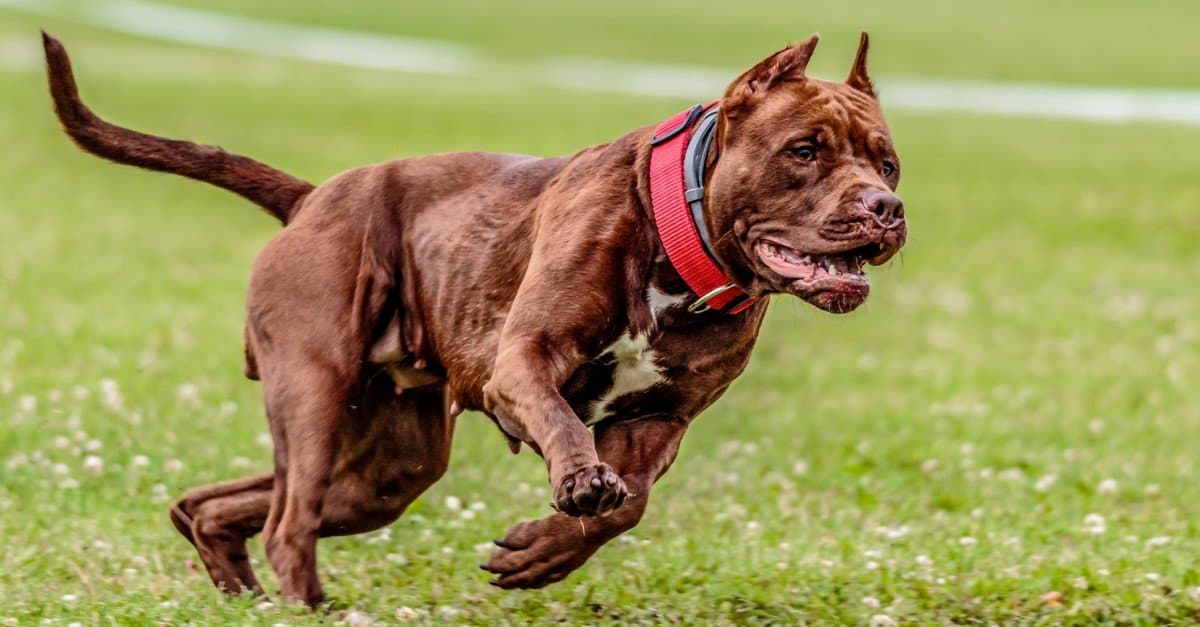
Pit Bull Terrier
©alekta/Shutterstock.com
- Often misunderstood, pit bulls are curious and reactive to small sounds
- Best in homes without small pets or young kids unless raised together.
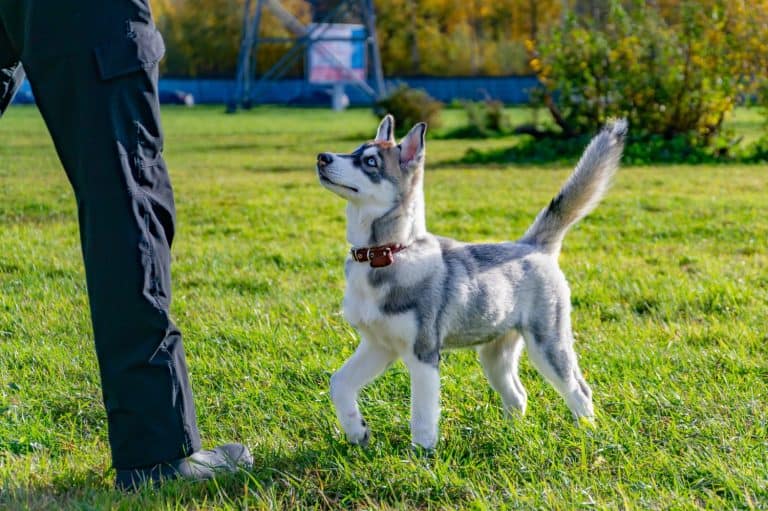
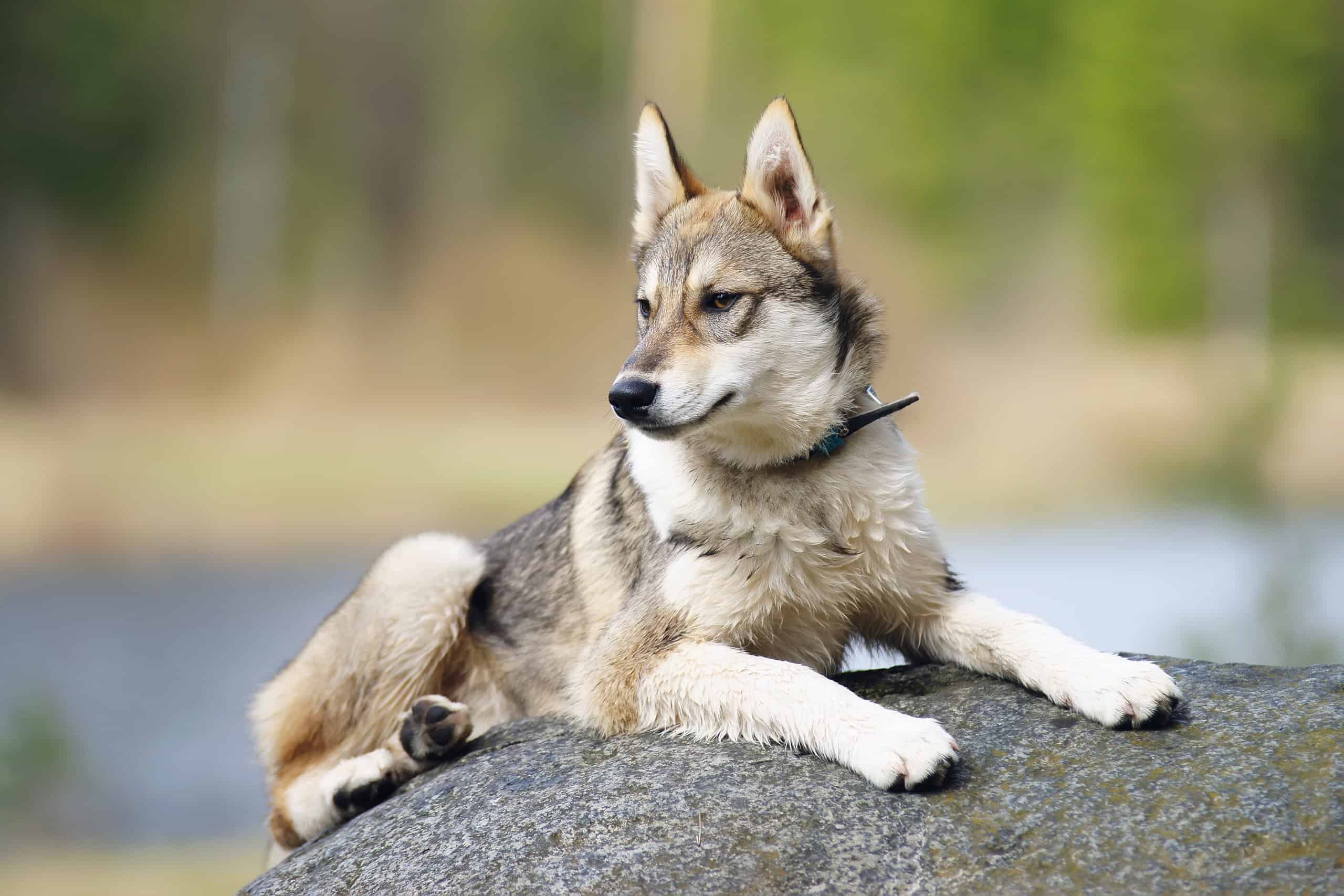
Siberian Husky
©Eudyptula/Shutterstock.com
- These vocal, energetic dogs chase small animals like cats and chickens
- Friendly with people, but require lots of activity to prevent destruction.
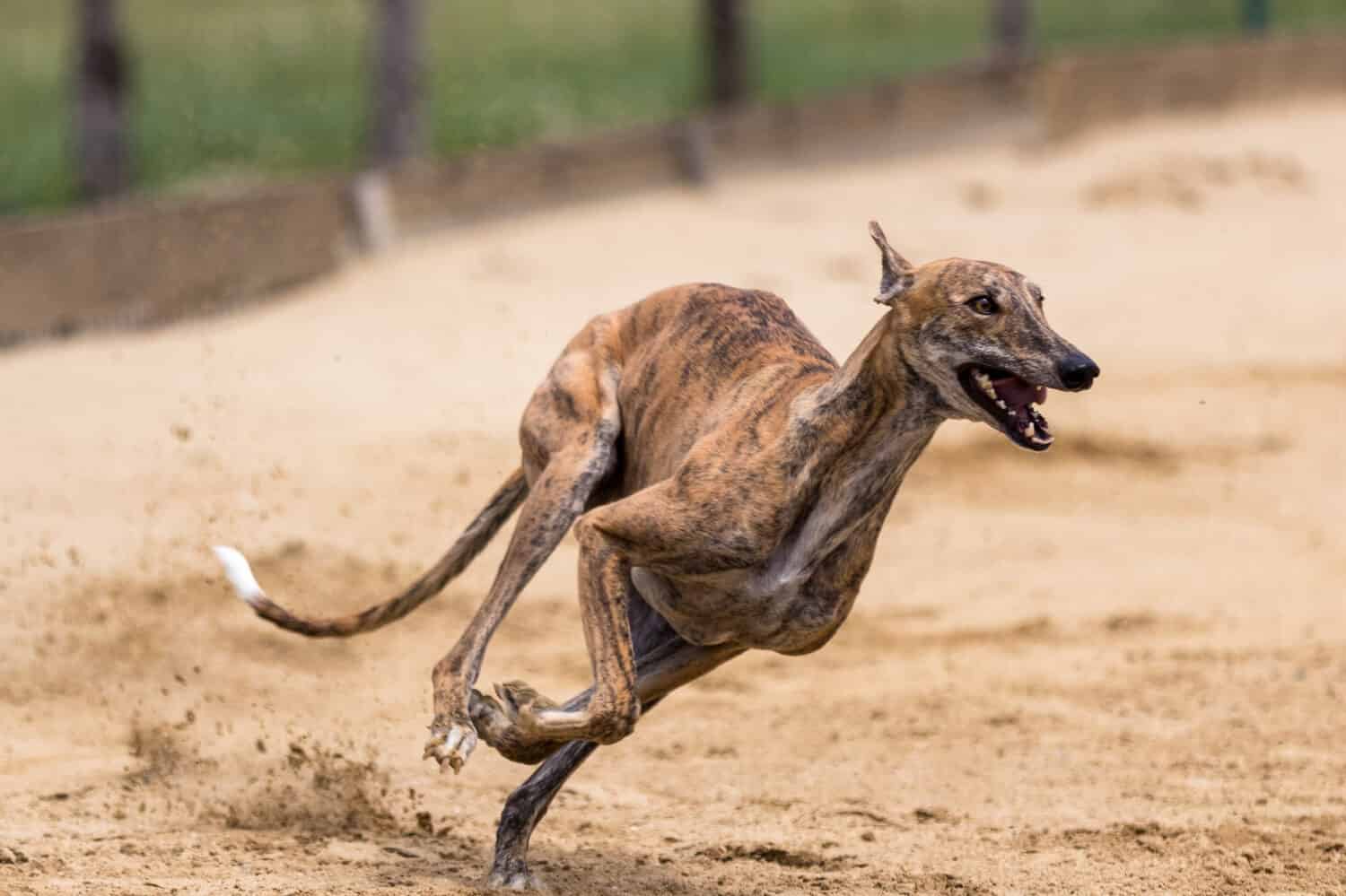
Greyhound
©Nipun Maduwantha/Shutterstock.com
- Bred to chase, they have keen vision and love pursuing fast-moving animals
- Sweet and calm indoors but need a watchful eye outdoors.
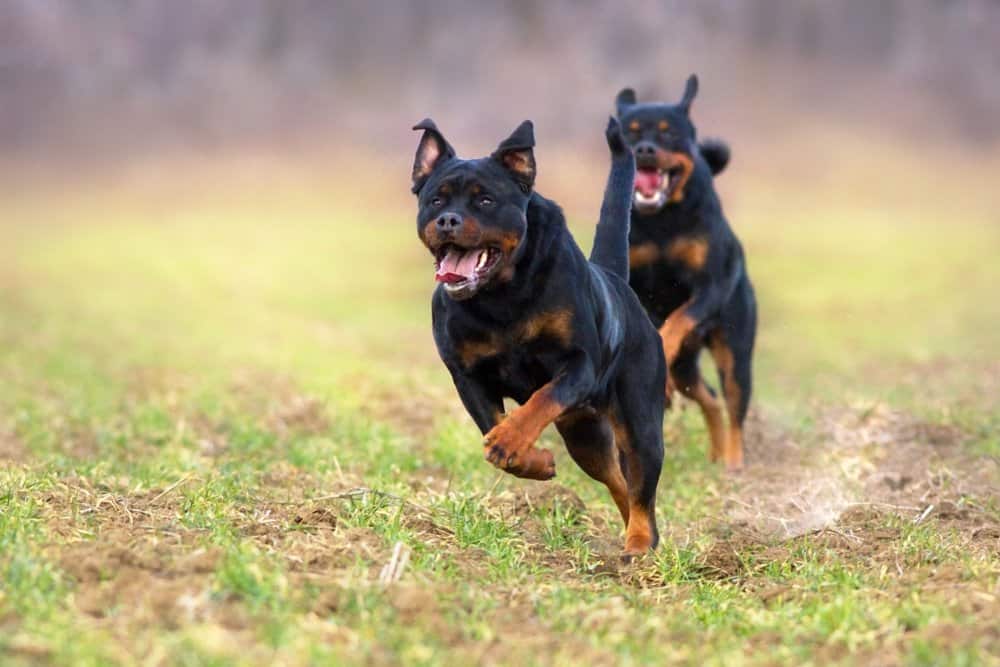
Rottweiler
©Callipso/Shutterstock.com
- Protective and territorial, they’ll chase anything that runs or squeals
- Best in homes with older children and firm, consistent handling.
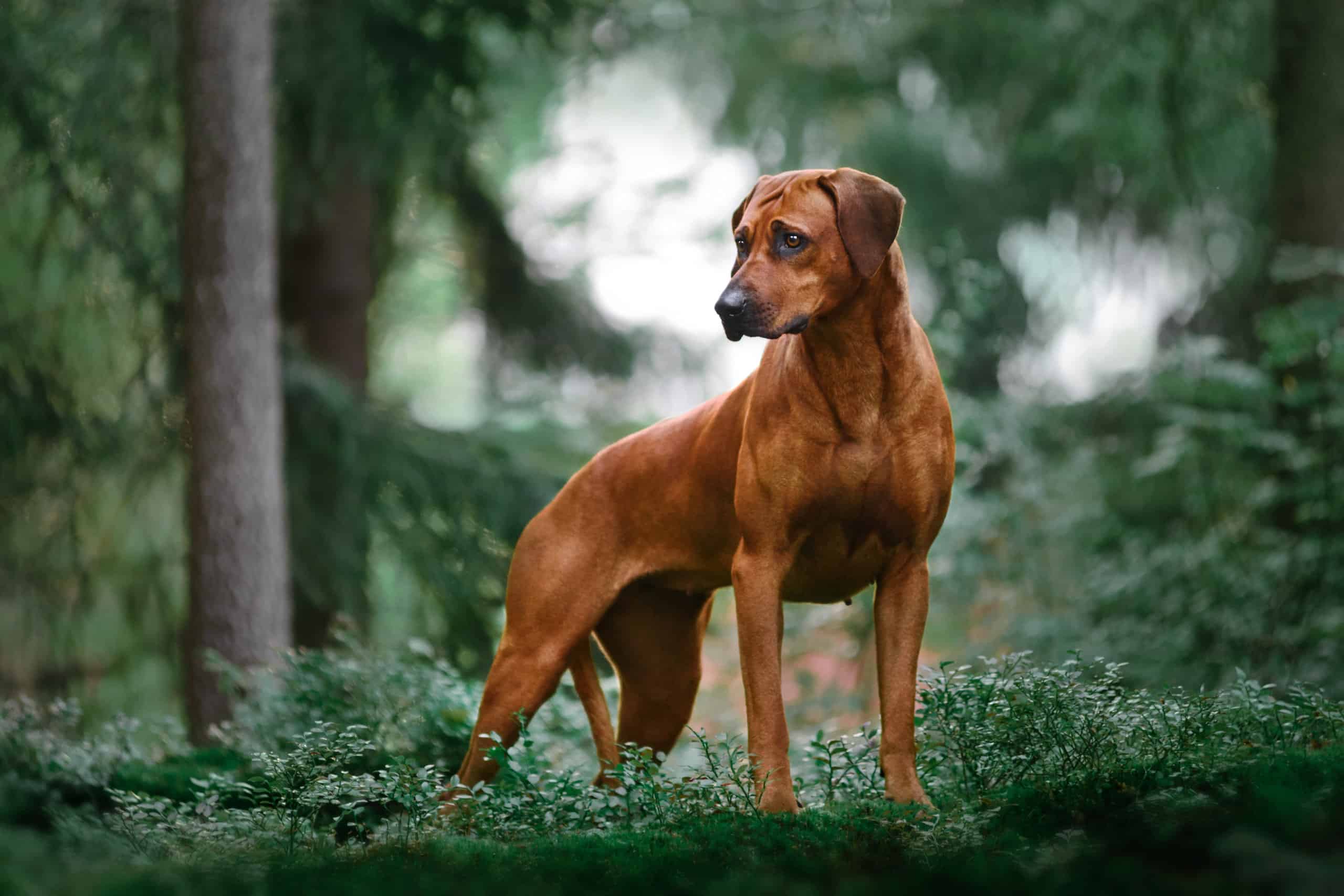
Rhodesian Ridgeback
©olgagorovenko/Shutterstock.com
- Originally lion hunters, they are powerful and prey-driven
- Require early training and supervision around small pets and children.
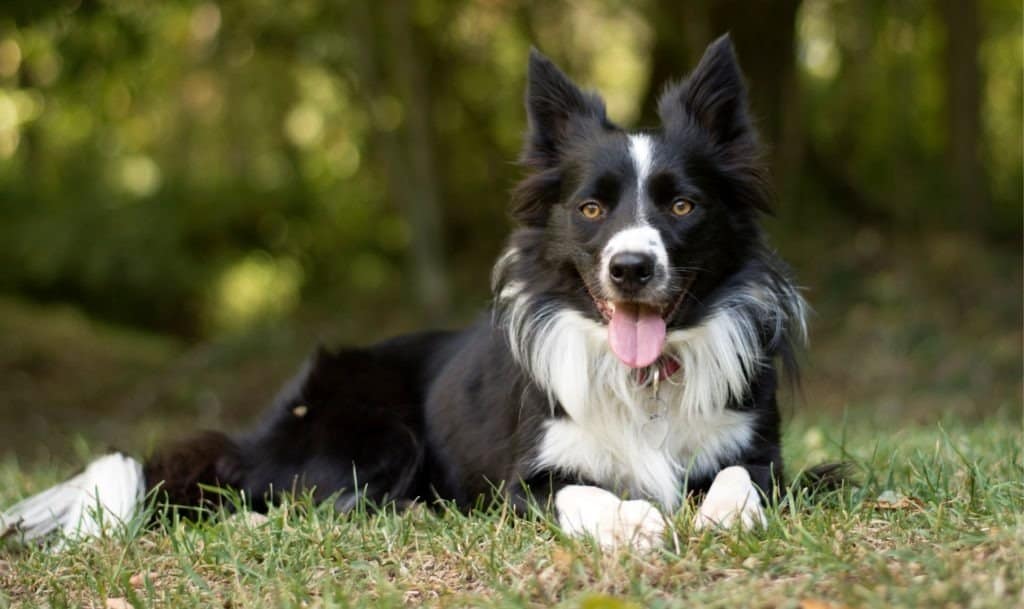
Border Collie
©Tepepa79/Shutterstock.com
- Highly intelligent herders with intense focus and prey drive
- May try to herd kids and pets with nips; needs lots of mental stimulation.
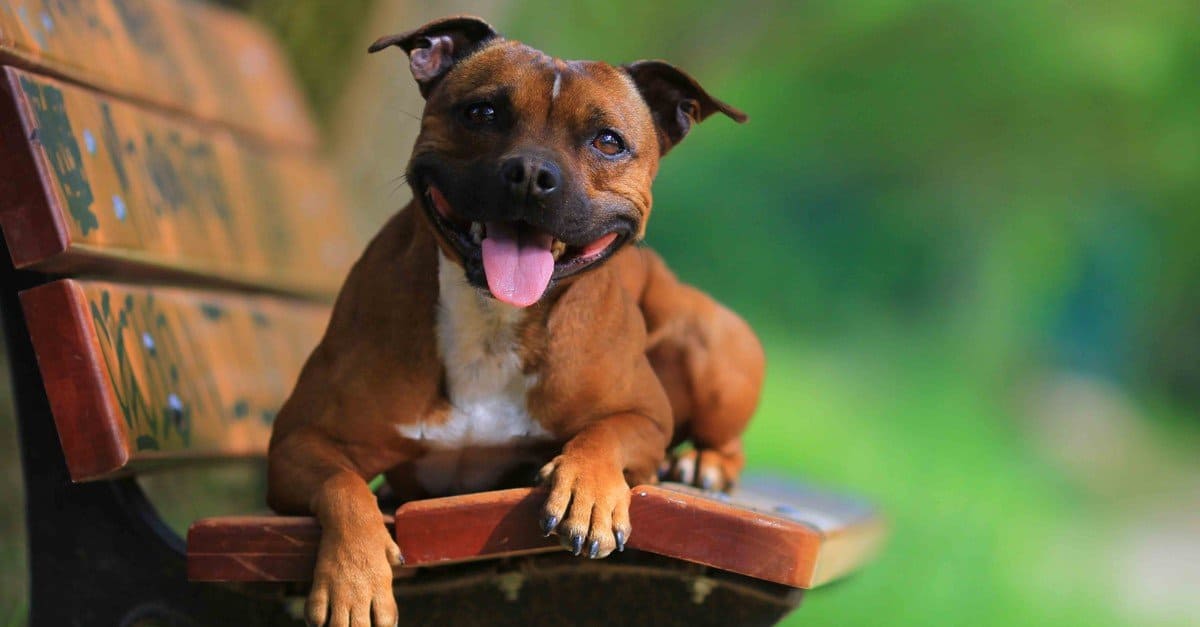
American Staffordshire Terrier
©Melounix/Shutterstock.com
- Strong and loyal with high prey instincts and protective tendencies
- Known as “nanny dogs” but still need supervision with kids and animals.