
Quick Take
- Most dog owners assume emotional support dogs get the same mall access as service dogs, but they are wrong in a way that could get them turned away at the door. Emotional support dog rules →
- A mall saying "yes" to your dog doesn't mean every store inside will agree, and that distinction could cut your shopping trip short before it starts. Why stores can still say no →
- There's one behavior your dog can do that gets even a perfectly trained service dog removed from the mall, and no exceptions are made for it. Behavior that gets dogs removed →
- Bringing your dog to the mall could stress them out more than it stresses you, and the signs that owners miss are surprisingly easy to overlook. Check your dog's stress signals →
Who doesn’t love taking their pampered pooch out and about? If you’re among the many people who like to bring their dog everywhere, you might wonder, are dogs allowed in malls, and what are the rules to know before bringing them out in public? In this article, we’ll discuss when dogs are allowed in malls, when they aren’t, and rules to know before shopping with your pup.
#1: Service Dogs Are Always Allowed
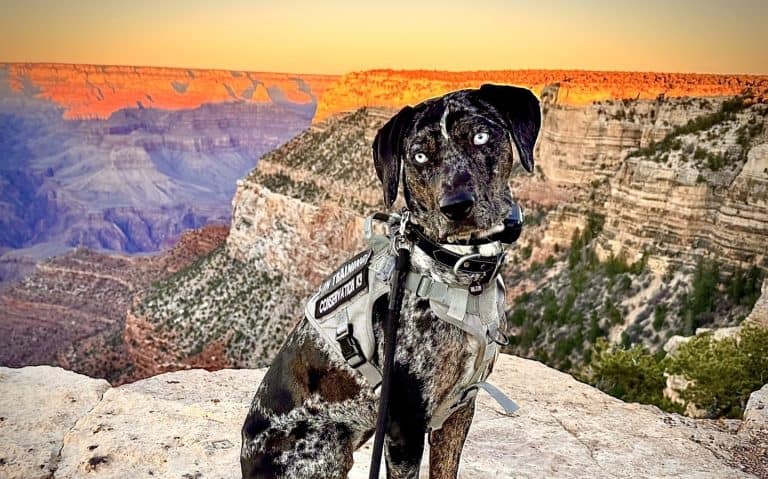
According to the Americans with Disabilities Act, service dogs cannot be denied entry into shopping malls. Anyone turning away a service dog is breaking the law. Mall employees cannot ask about your private medical details or demand documentation for your service dog, either. They can only ask whether the dog is a service animal required because of a disability and what work or task they’ve been trained to perform.
However, you can be asked to leave if your service dog misbehaves, especially in a way that bothers others, such as excessive barking, getting into products, or peeing in the mall. Of course, these things aren’t typically an issue with service dogs, as they’re trained to behave and focus on you while working.
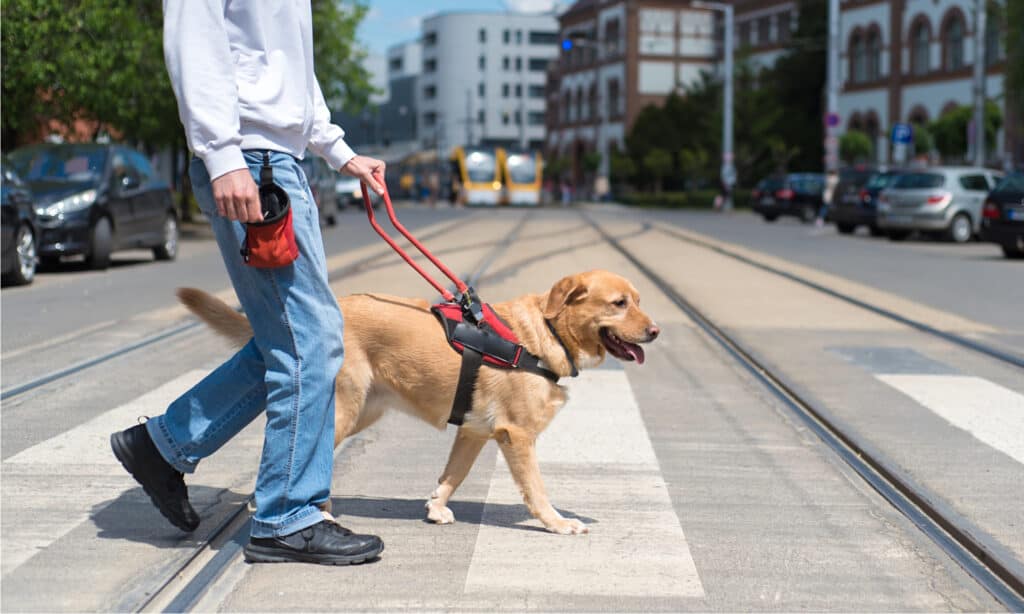
Service dogs cannot be turned away from any part of the mall.
©SasaStock/Shutterstock.com
#2: Outdoor Malls Tend to Be More Lenient
Outdoor malls tend to allow dogs more often than indoor malls, which often aren’t dog-friendly. This is likely because there’s less risk of your dog making a mess while outside. However, even if dogs are allowed in outdoor common areas, the individual stores within those malls may not permit them inside.
Many dogs will also feel more comfortable outdoors than inside unfamiliar buildings, especially if they aren’t used to the experience. However, there’s nothing wrong with bringing your dog to any mall so long as you call ahead to ensure they’re allowed.

Your dog is more likely to be permitted in outdoor malls.
©CandyRetriever/iStock via Getty Images
#3: Some Stores May Deny Your Dog, Even if They’re Allowed in the Mall
Although some dogs may be allowed in common areas, you may not be able to enter every store in the mall with your dog, which can cut your shopping trip short. This is one reason it might be best to leave your dog at home.
Another option is to shop with someone else who can handle your dog if you want to shop at a non-dog-friendly store. Leaving your dog unattended outside the store is not recommended, as it poses safety risks to your dog. Some stores will allow you to bring your dog inside if they’re on a leash, carried, or in a pet carrier. It’s often up to each store to decide for themselves.
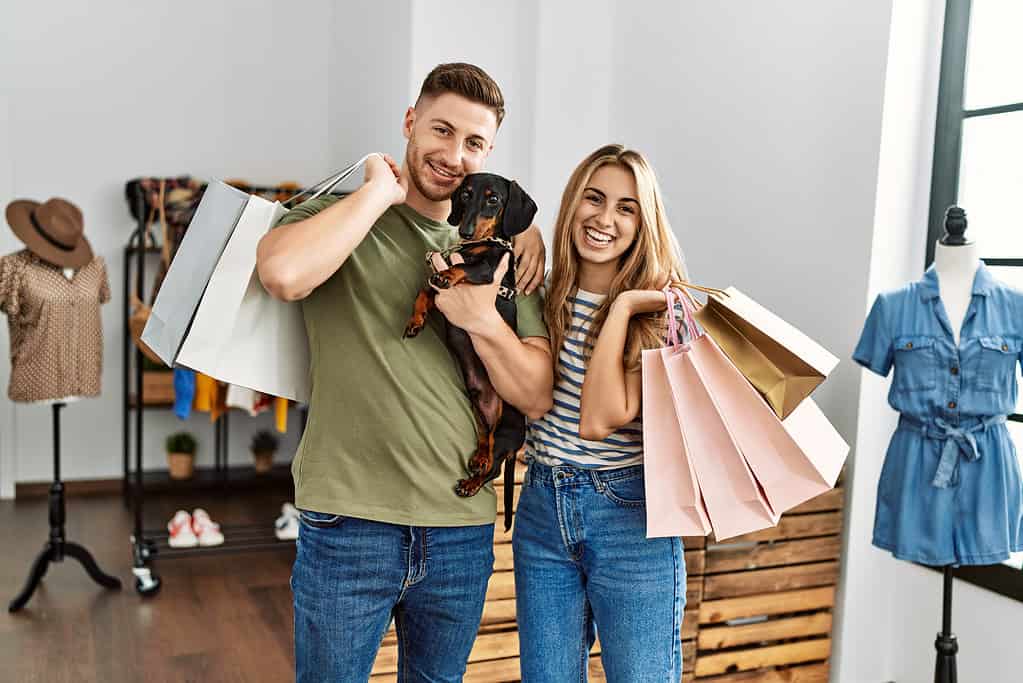
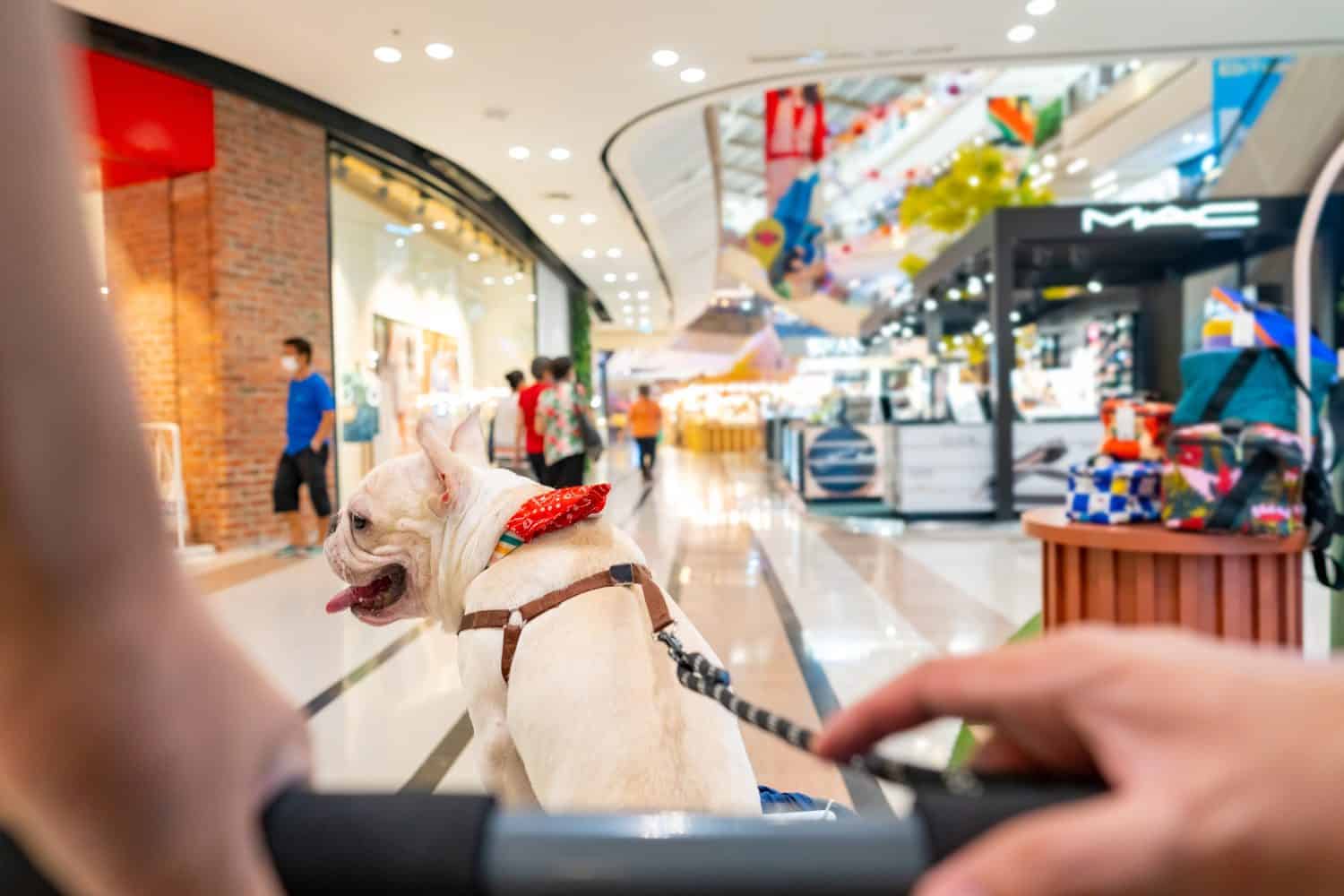
Many malls will allow dogs in common areas while giving each store the choice of whether to allow dogs.
©AaronAmat/iStock via Getty Images
#4: Emotional Support Dogs Must Follow the Same Rules as Pet Dogs
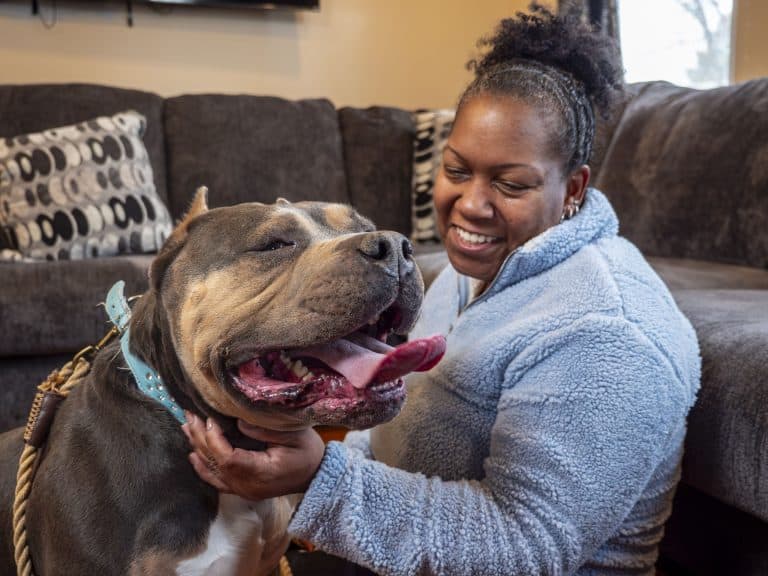
If you have an emotional support dog, please be aware that they won’t get the same special privileges in public that a service dog will. No public place has to allow your emotional support dog into the building. If the mall, or specific stores, aren’t dog-friendly, your dog won’t be allowed to enter.

Emotional support animals are not protected under the ADA and can be denied entry to the mall.
©Lucia Romero/Shutterstock.com
#5: Dogs Brought Into Public Should Be Neutered and Vaccinated
Before bringing your dog into public spaces, please have them spayed or neutered. Also, ensure they’re up to date on their vaccines. Malls won’t necessarily require these things, but they are a courtesy to other dogs and their owners. No one wants dogs trying to mate in public or unvaccinated dogs getting others sick. If your dog goes out in public often, your vet will typically recommend more than the core vaccines to keep them healthy.
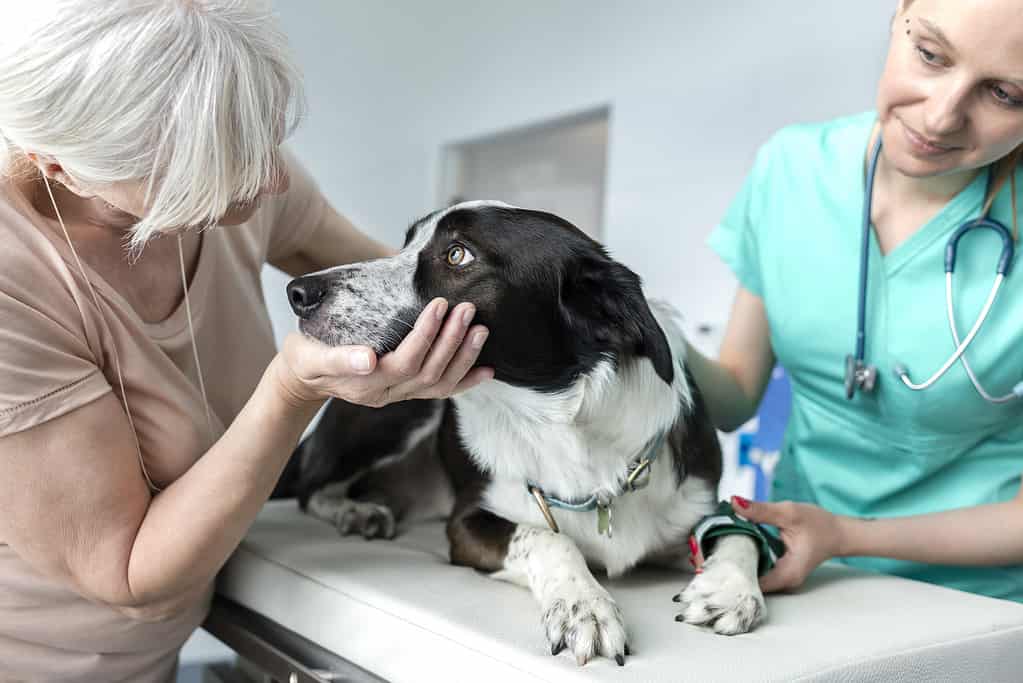
Keeping up with vet visits is very important when bringing them into public spaces.
©iStock.com/IPGGutenbergUKLtd
#6: Malls Can Kick Out Poorly Behaved Dogs
If your dog doesn’t behave in the mall, you can be asked to leave. Even dog-friendly malls will have their limits, and you should only bring trained and socialized dogs inside. Before taking them to the mall, your dog should be fully potty trained. They should know how to walk nicely on a leash without lunging or barking at other people or animals. You must have control over them at all times.
They don’t have to be absolutely perfect, but only the best-behaved pups should be in busy, crowded spaces like malls. Poorly-behaved dogs can pose a risk to the public and to themselves.
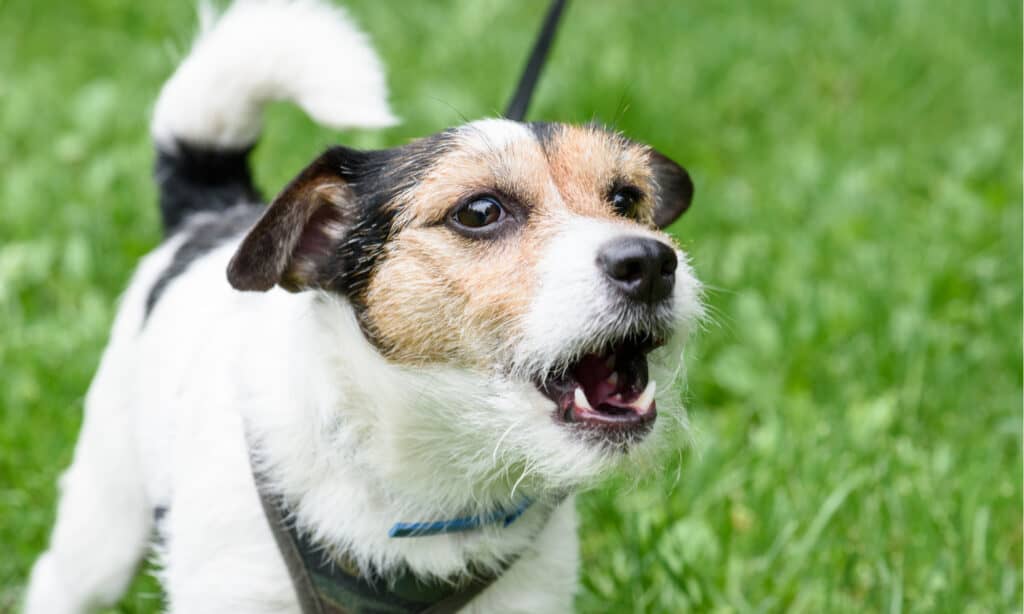
The mall employees might not tolerate barking and other misbehavior.
©alexei_tm/Shutterstock.com
#7: Your Dog Should Be On a Leash at All Times
You cannot allow your dog to wander any mall off-leash. Even if they’re trained to stay close, most areas have leash laws when you bring your dog into public. The mall can also kick you out for not keeping your dog leashed. The exception to this is if you have a service dog who needs to be off-leash to perform their tasks. If this is the case, the dog must be under your control by voice, signals, or other means.
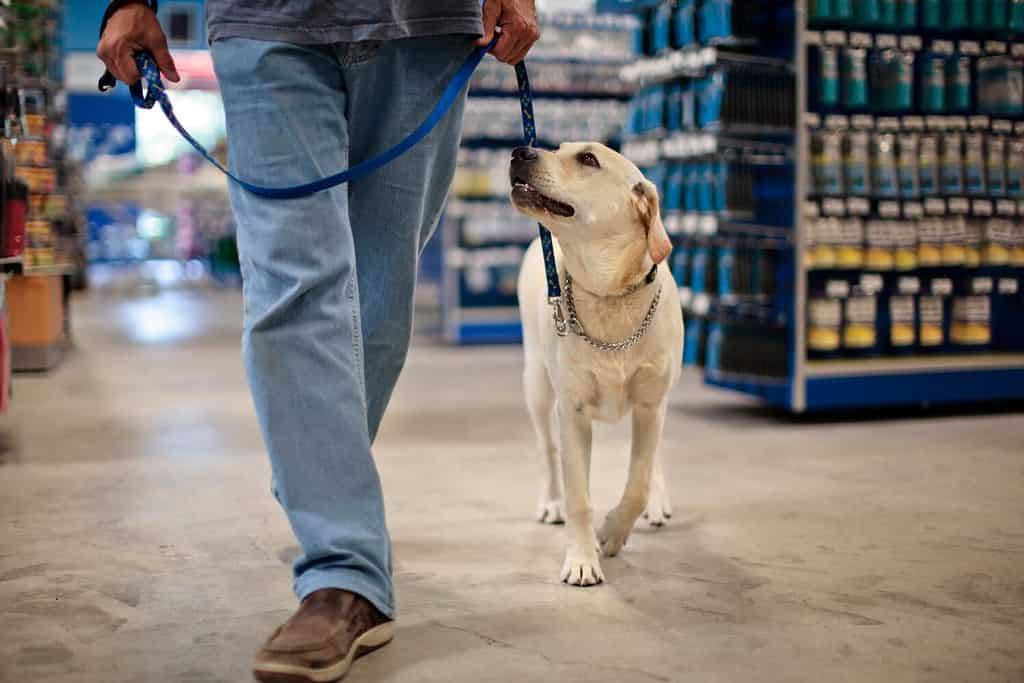
Your dog should be on their leash and their best behavior.
©Erickson Stock/Shutterstock.com
#8: Don’t Bother Employees or Customers
Your dog shouldn’t be approaching other people or dogs while in the mall. Please remember that most people are there to shop, not to engage with your pup. (Though it’s okay to let people pet them if they ask!)
Dogs shouldn’t make things more difficult on mall employees, either. They shouldn’t take objects off shelves, knock over items, or pee in the mall. If your dog makes a mess or bothers other people in the mall, you will likely be asked to leave.
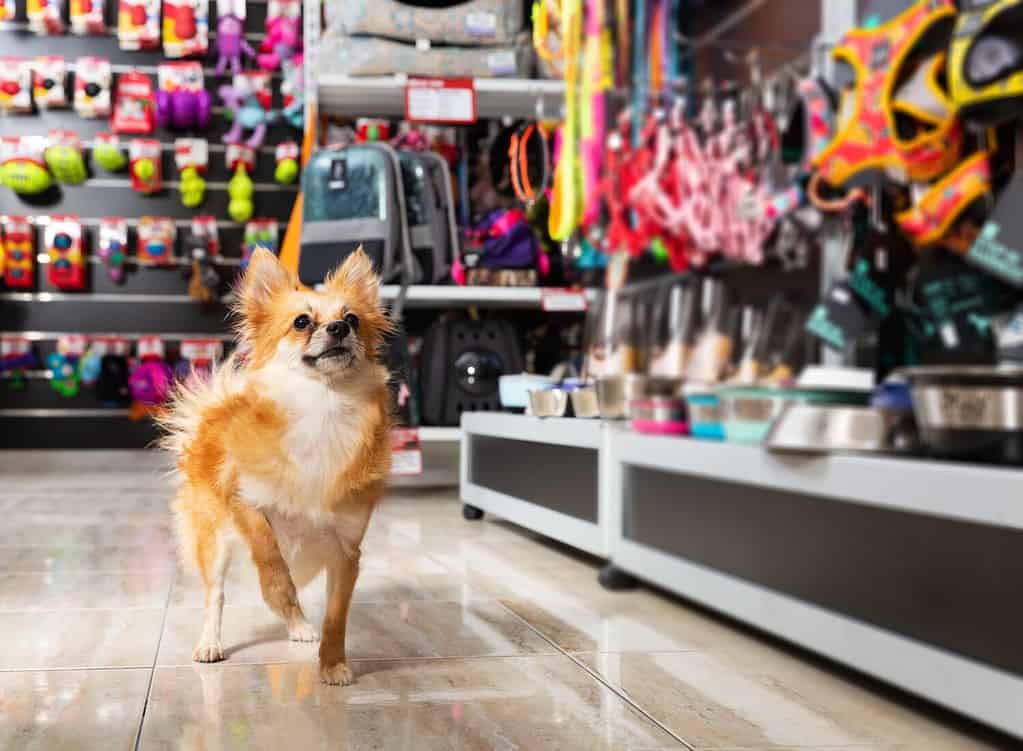
Train your dog to keep to themselves in public so they aren’t bothering others at the mall.
©BearFotos/Shutterstock.com
#9: Consider Your Dog’s Feelings
Lastly, it’s important to know your dog well and consider their feelings. A mall is a hectic environment for even the most well-trained and socialized pups. If your dog is stressed by crowds, strangers, or other dogs, it’s best to leave them home. It’s good to work on socializing your dog, but you must take it slowly!
Dogs with no public experience shouldn’t start at the mall; instead, they should be introduced to a less crowded space first. If you have doubts about your dog’s ability to handle the mall, it’s usually better for everyone if you leave them at home.
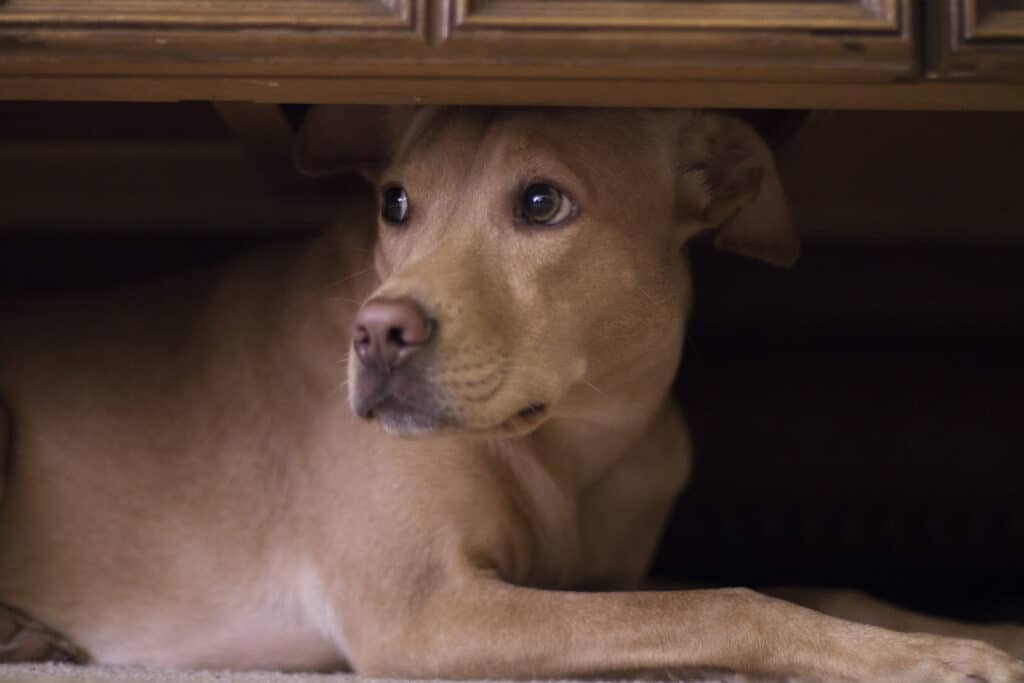
Dogs who find public outings stressful should be left at home.
©Patrick H/Shutterstock.com