
Quick Take
- Vets can legally prescribe a Schedule IV controlled substance to your dog, though most pet owners overlook a critical catch before the first dose. See the critical catch →
- One of alprazolam's listed side effects is the exact opposite of what the drug is supposed to do, and missing it could put your dog in danger. Check the paradoxical side effects →
- Several common health conditions make alprazolam a flat-out bad choice for dogs who seem otherwise fine. Does yours qualify? Find disqualifying conditions →
- Before reaching for a prescription, it may be worth considering a natural alternative that works on the same brain receptors as anti-anxiety drugs but does not carry the same withdrawal risk. Explore the natural alternative →
Alprazolam for dogs is a prescription anxiety medication. Alprazolam (Xanax) is a member of the benzodiazepine drug class. This class of medications can calm or sedate an animal who suffers from severe anxiety. The medications reduce anxiety by slowing down the central nervous system. Veterinarians prescribe this medication as “off-label” therapy, as it is not FDA-approved for dogs, but they can legally prescribe this human medication for your pup. The manufacturer’s label directions for administering this medication will not match your veterinarian’s advice. Follow the vet’s recommendations to the letter.
When Do Dogs Need Alprazolam?
Alprazolam is used when a dog exhibits severe signs of anxiety that have been present for a long time. Generally, the medication is prescribed prior to some event, such as before a car ride or before fireworks on Independence Day.
The vet will examine your dog, evaluate their medical condition and the medications they take, and discuss your dog’s behavior with you. You must be transparent about the dog’s medical conditions and behaviors. Your veterinarian will prescribe behavioral modification in conjunction with the anxiety medication.
Signs of anxiety that indicate a need for alprazolam include, but are not limited to:
- Separation anxiety when left alone
- Fears triggered by loud noises such as thunder, fireworks, or the backfiring of a car
- Aggression
- Fear of new experiences
- Scratching, chewing, and pulling their fur because they are anxious or afraid
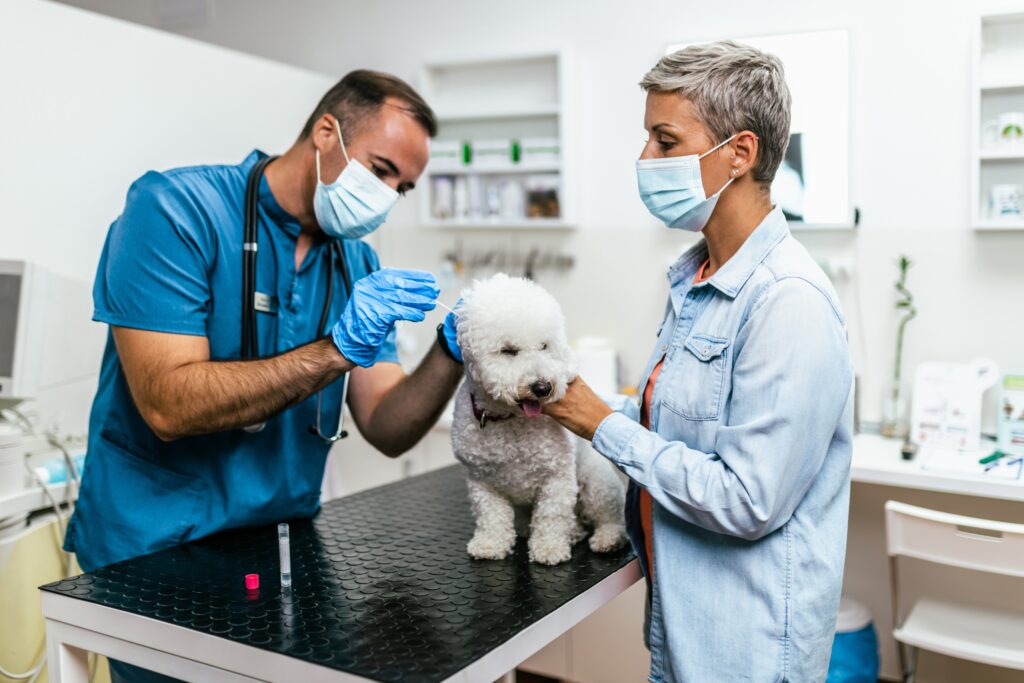
If your dog exhibits undesirable behaviors, have a veterinarian examine them to rule out anxiety.
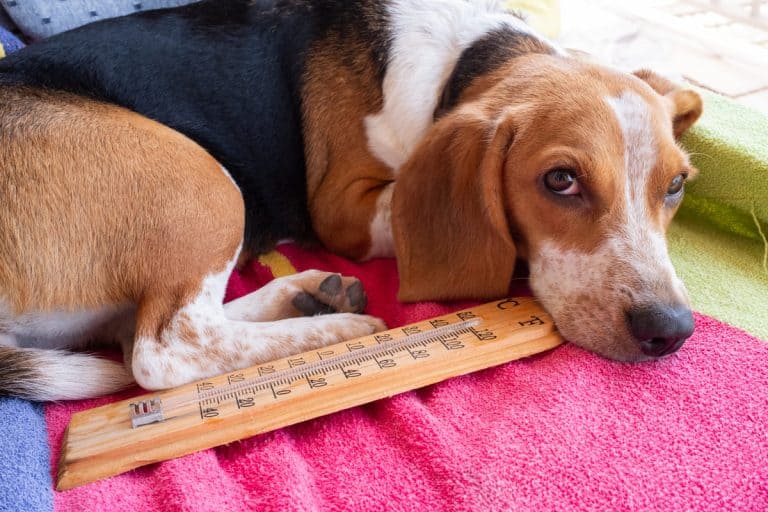
©hedgehog94/Shutterstock.com
Side Effects of Alprazolam Dosage On Dogs
Xanax is a Schedule IV controlled drug in humans, so it requires strict veterinary supervision and a valid prescription. Watch your pet closely and call your veterinarian if you notice any of these common side effects:
- Increased appetite
- Sedation
- Diarrhea
- Seizures
- Clumsiness or loss of motor control; exhibiting instability when walking
- Pacing
- Vomiting
- Trouble breathing, excessive panting
- Problems with kidney function
- Problems with the liver
- Unexpected aggression
- Facial swelling
- Dilated pupils
- Excessive shedding
- Tachycardia or irregular heartbeat
- Opposite reactions that include increased anxiety, excitement, or agitation
If your pet exhibits signs of side effects caused by alprazolam for dogs, stop giving the medication immediately and seek the advice of your veterinarian. The medication will be out of your dog’s system by around 24 hours, but dogs with other health conditions may need emergency veterinary care.
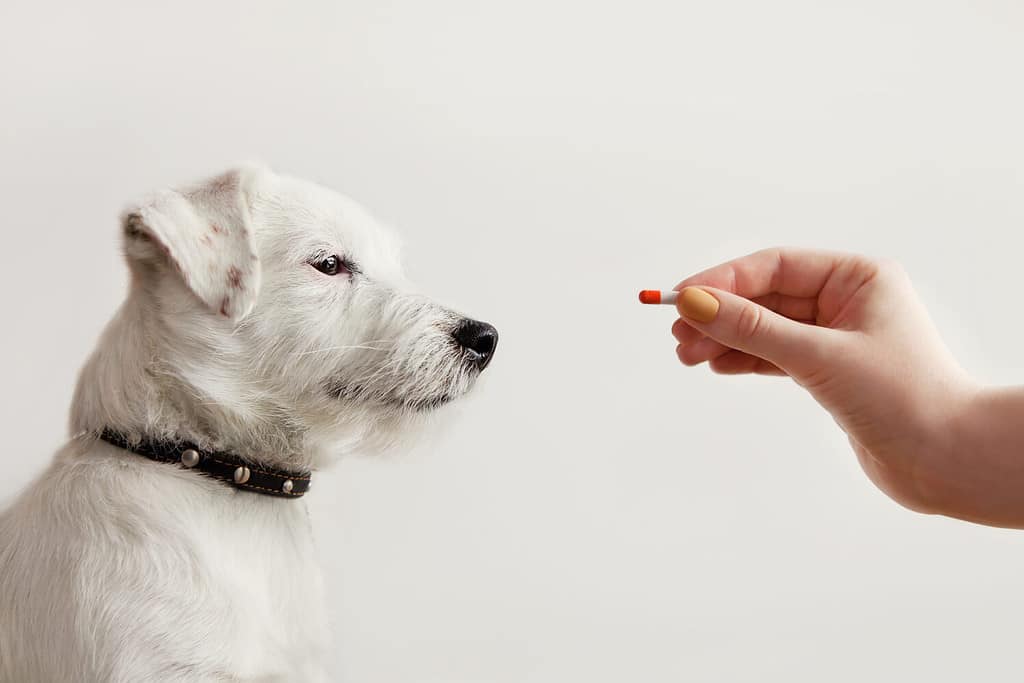
Call your veterinarian if you notice any side effects.
©Liudmyla Guniavaia/Shutterstock.com
Signs of Alprazolam Overdose or Allergic Reactions in Dogs
A dog that is allergic to alprazolam or has suffered from an overdose may show the following signs:
- Aggression
- Extreme drowsiness
- Lack of coordination when they try to stand
- Incontinence
- Excessive drooling or vomiting
- Unresponsive
- Excessive panting or difficulty breathing
- Rapid heartbeat
If you suspect a drug overdose or an adverse reaction, call your veterinarian immediately, or if it is after hours, seek assistance at the nearest pet emergency clinic.
How to Treat Alprazolam Overdose In Dogs
As mentioned above, as soon as you notice signs of an alprazolam overdose or adverse reaction, stop administering the medication. Call your veterinarian or take the animal to an animal care facility for emergency treatment.
The veterinarian will take urine and blood samples to determine the amount of alprazolam the dog has in their system. In mild cases, the animal is sent home under your care. Moreover, you need to confine the dog to keep them from injuring themself, provide them plenty of water, and remain calm to keep them calm.
If the reaction is severe, the vet will give the animal intravenous fluids to flush the drug from their system more quickly. they will admit the dog to the animal hospital so they can watch it for worsening symptoms or other adverse reactions.
The animal will be given medications that ease nausea and discomfort. However, the vet or their assistant will closely monitor the dog for 12 to 24 hours, or until they are acting normally and responding appropriately to stimuli.
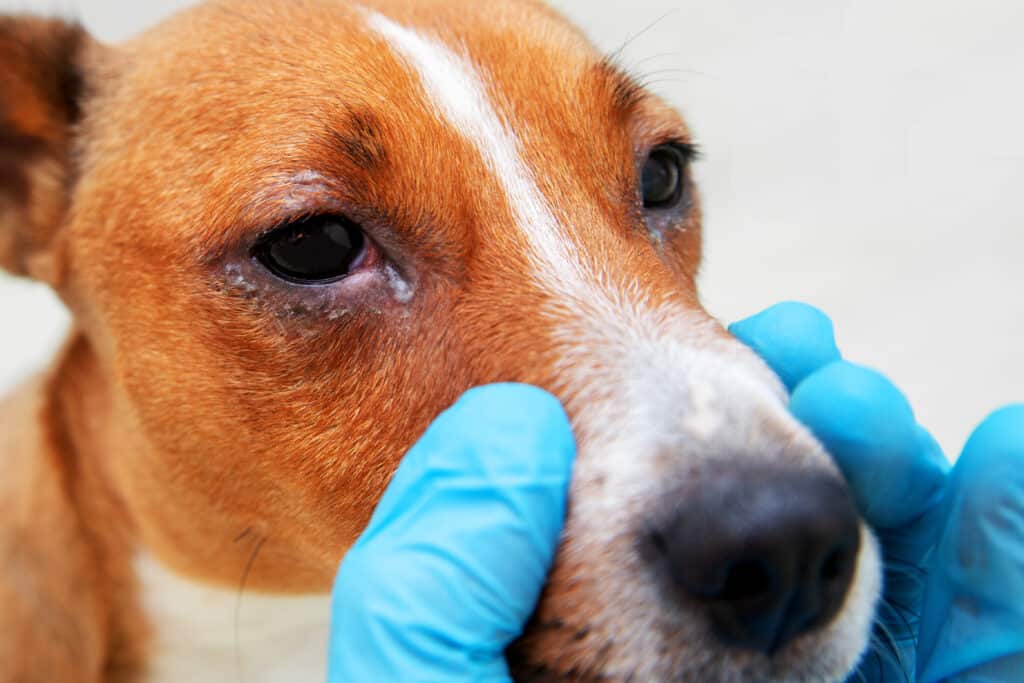
Watch your dog carefully for signs of adverse reactions to medications.
©Alexandr Jitarev/Shutterstock.com
Risks to Consider
Anxiety medications require guidance from a veterinarian who is familiar with your dog. Alprazolam is a short-term remedy, not a long-term solution. Animals should not take it daily and should always combine it with behavioral treatment programs to address the underlying problem. In addition to the risk of adverse reactions detailed above, long-term daily use can lead to tolerance and dependence, as well as withdrawal symptoms.
When Is Alprazolam Not An Option For Your Dog?
Remember, alprazolam is not a canine medication. The dosage is determined by the veterinarian based on experience. It is a medication that treats anxiety in dogs that are in good health. Your veterinarian will consider all of your dog’s health problems before prescribing this medication. Let your vet know if your dog takes any vitamins or herbal remedies.
Although your vet will give your dog an examination, be sure to mention whether your dog has any of the following issues:
- Glaucoma or vision problems
- Is pregnant or currently lactating
- Liver disease
- Kidney disease
- Diabetes
- Heart disease
Alprazolam Dosage Chart for Dogs
The following chart shows the general dosage amounts for dogs who take alprazolam. However, always defer to your veterinarian’s dosing instructions for your pet.
| Dog’s Weight in Pounds | Alprazolam Dosage |
|---|---|
| 0 to 5 | 0.25 mg |
| 5 to 10 | 0.25mg |
| 10 to 20 | 0.25 to 0.5mg |
| 20 to 30 | 0.25 to 0.5mg |
| 30 to 40 | 0.25 to 0.78 mg |
| 40 to 50 | 0.5 to 1 mg |
| 50 to 60 | 0.5 to 1.25 mg |
| 60 to 70 | 0.5 to 1.5 mg |
| 70 to 80 | 0.46 to 1.57 mg |
| 80 to 90 | 0.46 to 1.57 mg |
| 90 to 100+ | 0.64 to 2.27 mg |
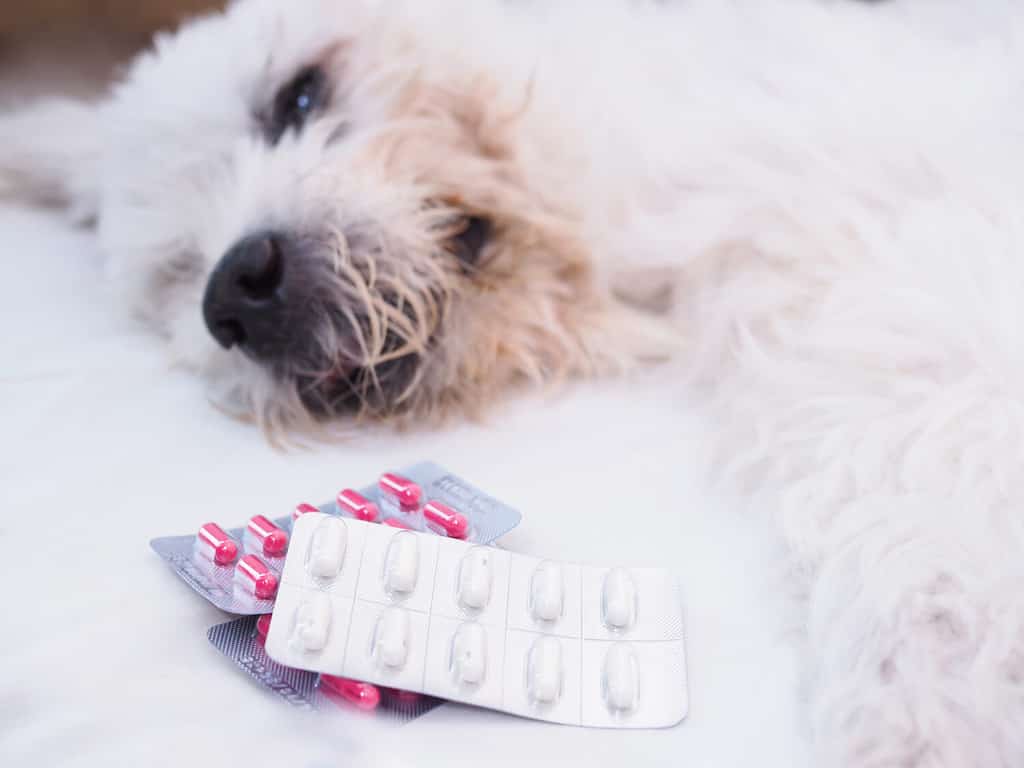
Always ask your veterinarian before giving your pet any medication.
©Kittima05/Shutterstock.com
Alternatives to Alprazolam for Dogs
There are other medications for anxiety if your dog cannot take alprazolam. There are also natural calming methods and remedies that may be effective in alleviating your dogs anxiety. Below are some alternatives to medication worth considering.
Distraction
Remove the animal from the situation, or use their favorite toy or treat to distract them from the cause of their anxiety. However, remain alert for aggressive behavior.
Weighted Blankets
Weighted blankets and weighted garments may comfort your dog. These weighted garments provide the sensation that they are being hugged or held.
Calming Music
Music is soothing to both humans and animals. Play calming music, but do not play the music too loudly. You can also record your voice talking to your dog in a soothing tone. Your pup can focus on the sound instead of the cause of their anxiety.
Desensitizing
Exposing your dog to the source of their anxiety in controlled situations can help them become familiar with it and desensitized to it. However, this type of training is best done with an experienced dog trainer. If you expose the animal to their anxiety and they react aggressively, the result can be detrimental to you and your pet.
CBD Oil
The central nervous system has cannabinoid receptors throughout. These receptors help regulate serotonin receptor activity, which plays a role in pain relief and mood enhancement. The CBD oil mimics serotonin and calms the animal in a natural way. CBD oil is being used in the treatment of anxiety disorders, cancer, arthritis, and other conditions. It does not carry the adverse side effects of prescription anxiety medications like alprazolam. However, it is still crucial to ask your veterinarian’s advice before giving your dog CBD oil.
Herbal Remedies
Herbal and homeopathic remedies may also be safe alternatives to alprazolam. Chamomile tea soothes nausea and calms nerves. Valerian calms nerves and works as a sedative and a muscle relaxant. St. John’s Wort is an herbal remedy that alleviates the symptoms of depression. A dog that suffers from separation anxiety may benefit from St. John’s Wort. Phosphorus is given to dogs who have anxiety about loud noises, while Gelsemium is a remedy for anticipatory anxiety, such as fear before events or travel. However, always consult your vet about the safety of any herbal remedy for your dog.