

Quick Take
- Giving your dog human-prescribed amoxicillin seems like a quick fix, but doing so could make things significantly worse. See the overdose risks →
- Missing even a single dose does more than just slow recovery. It can trigger a much bigger problem inside your dog's body. Understand missed dose dangers →
- Not all dogs can safely take amoxicillin, and some common conditions make it completely off the table. Check the contraindications →
- The side effects of amoxicillin go beyond an upset stomach, and one reaction requires an immediate trip to the vet. Review the side effects →
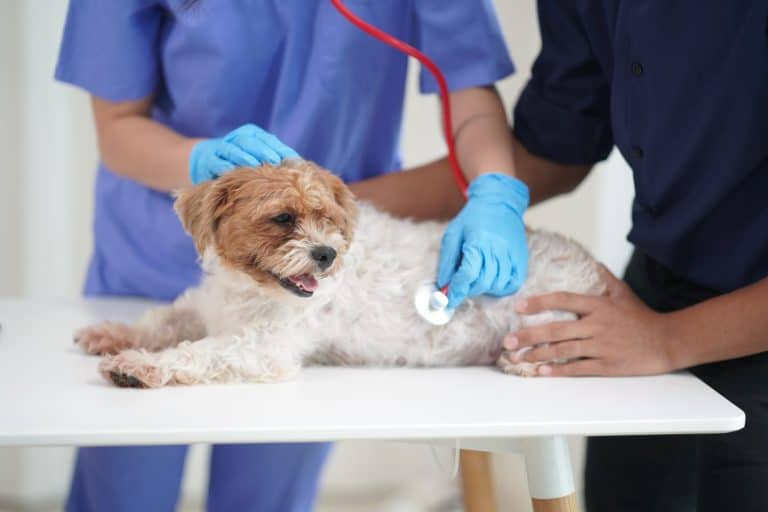
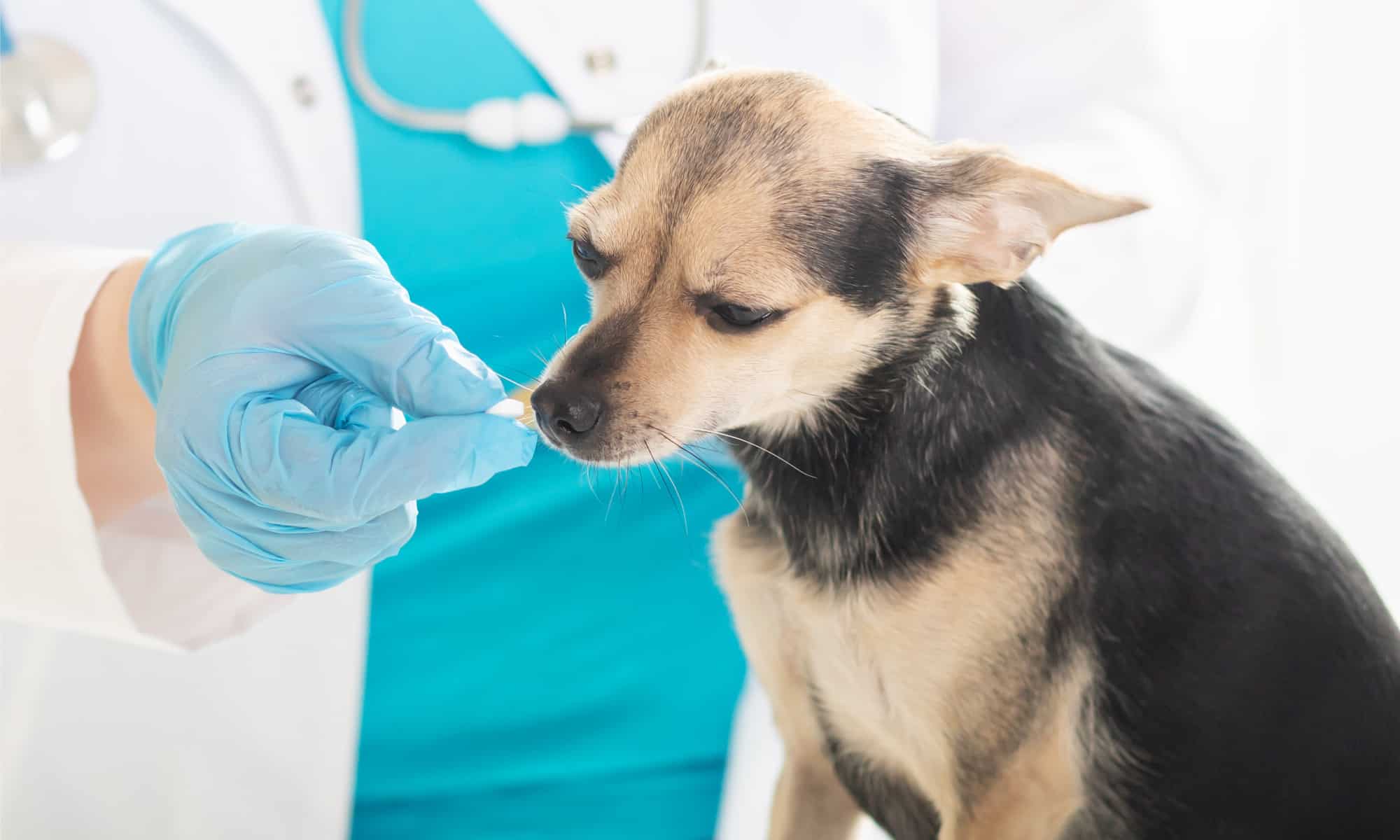
Watching your dog fall ill can cause anxiety because dogs cannot explain what hurts or how badly they are suffering, leaving us to second-guess symptoms while fearing the worst possible outcome. We can significantly reduce our stress by consulting with a veterinary professional. Veterinarians can provide a precise diagnosis and a solid treatment plan. Depending on your dog’s condition, your vet might prescribe amoxicillin, a common antibiotic used to fight a variety of bacterial infections. Continue reading to learn about the risks, side effects, dosage, and how to administer amoxicillin to dogs.
What is Amoxicillin?
Amoxicillin is a fast-acting antibiotic designed for broad-spectrum treatment of bacterial infections. Amoxicillin belongs to the penicillin group, which is used to stop the growth of harmful bacteria and prevent infections from spreading. It works by inhibiting bacterial cell wall synthesis, preventing bacteria from forming the structural components they need to survive. However, penicillin is only effective at treating certain bacterial infections.
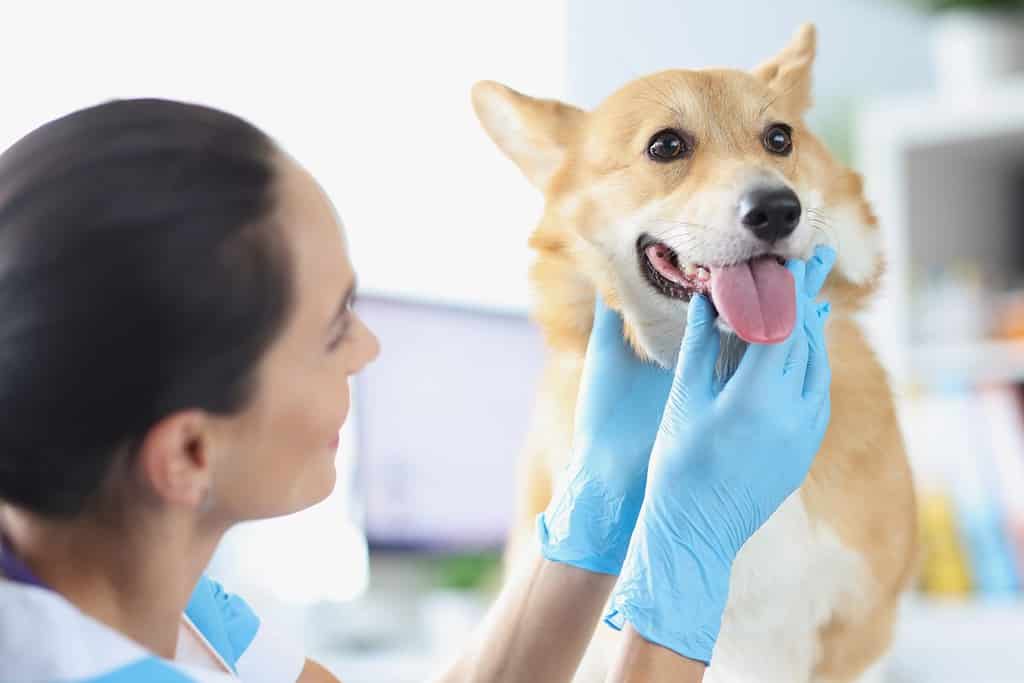
Amoxicillin is used to treat a variety of bacterial infections.
©megaflopp/Shutterstock.com
Amoxicillin is one of the most commonly prescribed antibiotics in human medicine and is widely used in veterinary medicine as well. It’s available in various forms, but a pill or capsule is the most common for dogs. Amoxicillin is not available over the counter and requires a prescription from your vet. This will typically involve a trip to the vet for an official diagnosis.
Never give human-prescribed amoxicillin to your dog, as the capsules or ingredients might not be dog-friendly and may not contain the correct dose.
What Does Amoxicillin Treat in Dogs?
Amoxicillin is an effective treatment for a wide range of bacterial infections, although it is not effective for all infections. However, your vet can determine whether your dog’s symptoms will respond to amoxicillin or another antibiotic.
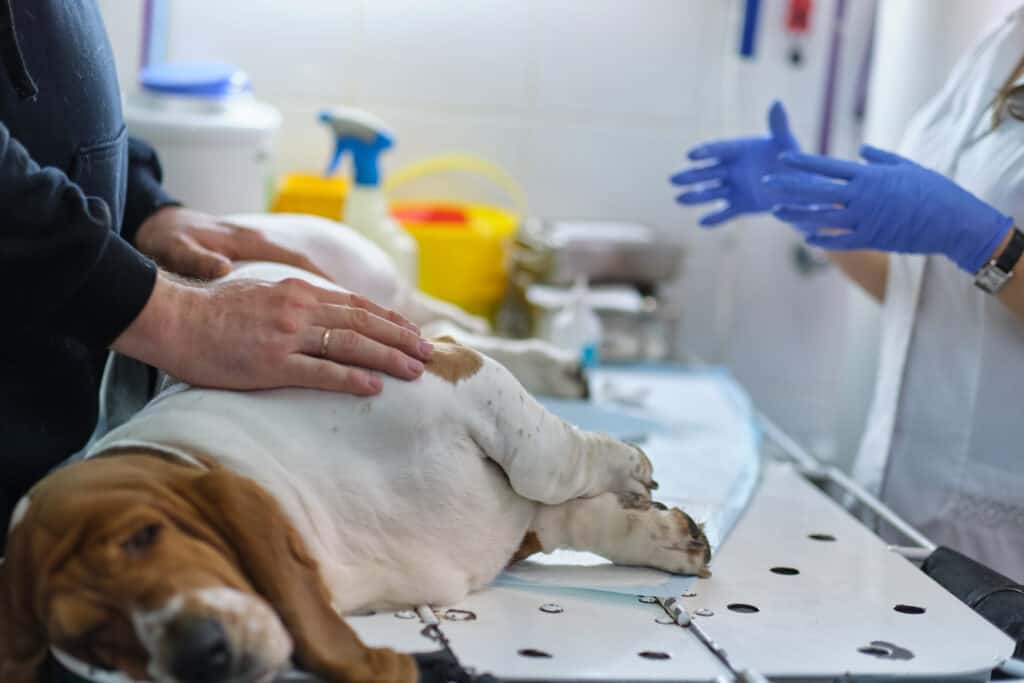
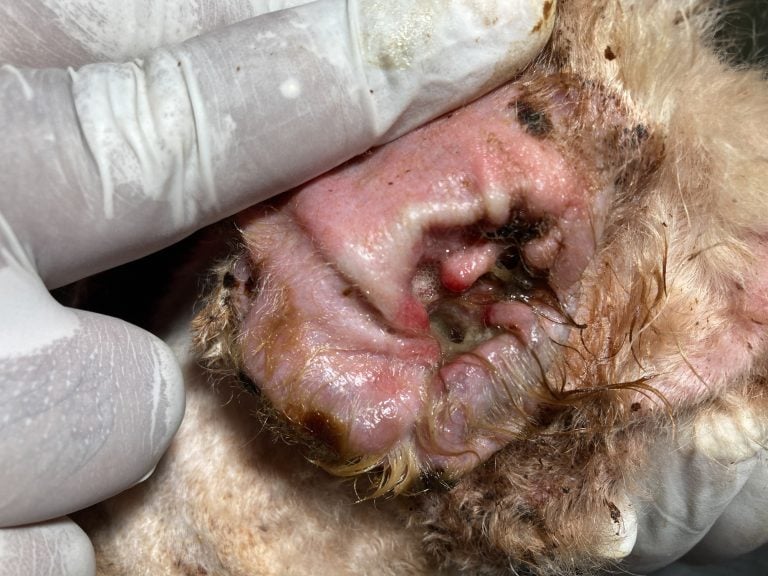
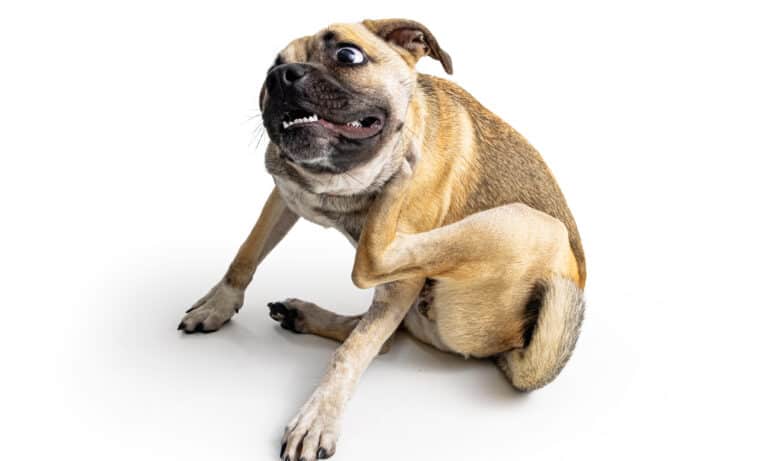
Amoxicillin is used for various conditions in dogs, including skin infections.
©Yavdat/Shutterstock.com
Bacterial infections can cause different issues in the body. Depending on the strain of bacteria your dog has contracted, amoxicillin may be used as a treatment option.
If your dog is starting to show symptoms of any of the following bacterial infections, contact your vet. Infections such as these can end up causing life-threatening damage if they are not addressed quickly.
Skin Infections
Skin infections can be caused by bacteria and cause three types of infections in dogs. This includes pyoderma, hot spots, and skin abscesses. A dog can also contract a skin infection through another dog’s bite. A bite wound can spread bacteria from another dog’s mouth directly into the skin.
Respiratory Infection
Respiratory infections cause issues with the lungs. Bacteria are a common cause of issues in the upper respiratory tract of a dog. Common diagnoses that amoxicillin can help treat include bronchitis and pneumonia; in the case of kennel cough, which often has a viral component, antibiotics such as doxycycline or azithromycin are more commonly used as first-line treatments, though amoxicillin-clavulanate may also be prescribed to address secondary bacterial infections.
Urinary Tract Infection
A urinary tract infection is a bacterial infection that takes over the kidneys, bladder, ureters, and urethra. Dogs can contract a UTI by exposure to E. coli, Proteus, and Staphylococcus. Generally, a good diet can prevent a UTI. However, if contracted, antibiotics can be prescribed.
Dental Infections
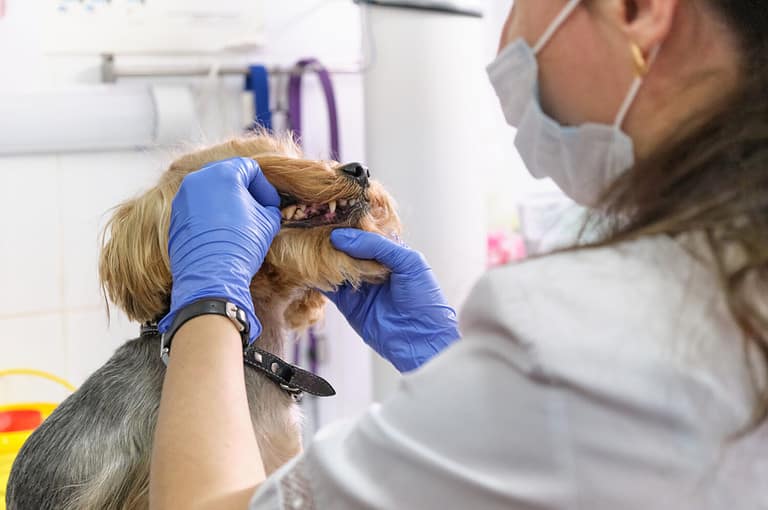
While dental infections are less common, they can still be deadly to dogs if left untreated. Dental infections include similar diseases to human dental health. Some infections include periodontal disease, gingivitis, and tooth abscesses.
How Much Amoxicillin Should You Give Your Dog?
Amoxicillin is prescribed based on a dog’s body weight at diagnosis and is typically taken for 5 to 7 days, or 48 hours after all symptoms have subsided. The antibiotic will generally have a ratio of 5 mg per pound of body weight. For example, a 10-pound dog will need between 50 and 100 mg. A large breed that weighs 60 pounds will require between 300 and 600 mg.
However, always follow the instructions your vet provides. Antibiotics must be taken at a specific dose for a minimum number of days to eliminate the infection. Skipping a dose or changing the amount can result in the infection returning.
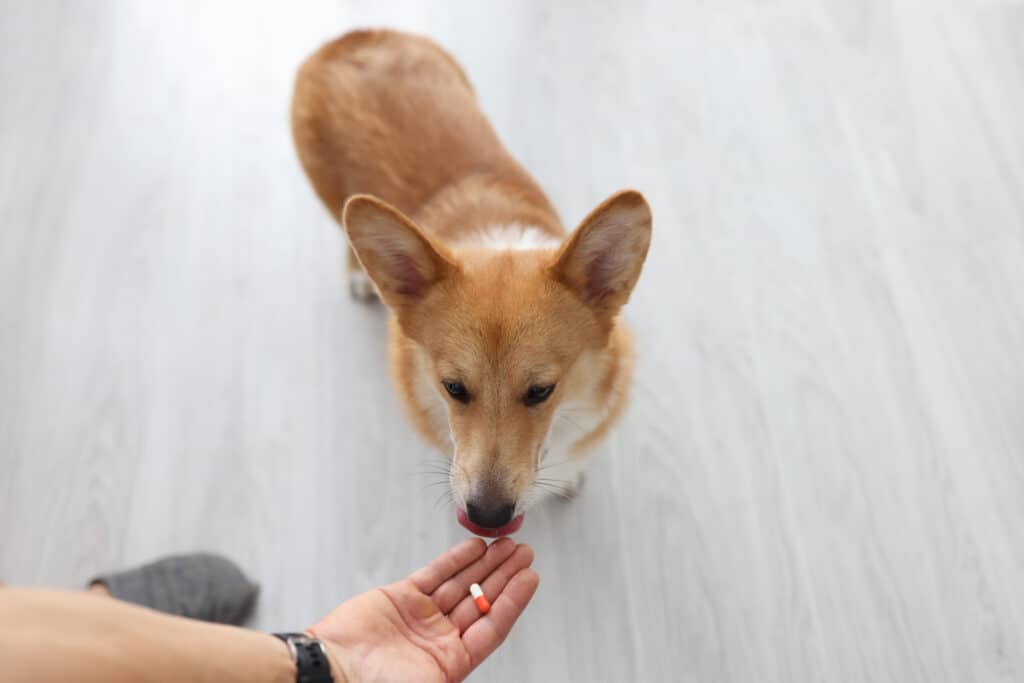
Vets often base a dog’s amoxicillin dosage on weight.
©megaflopp/Shutterstock.com
In most cases, your vet will evaluate your dog’s condition, and based on the results, they will prescribe a dose. In general, this is exactly how much amoxicillin to give your dog:
| Dog’s Weight (lbs) | Daily Dosage (mg) |
|---|---|
| 5-10 | 50-100 |
| 10-25 | 100-250 |
| 25-50 | 250-500 |
| 50-100 | 500-1000 |
How to Administer Amoxicillin to a Dog
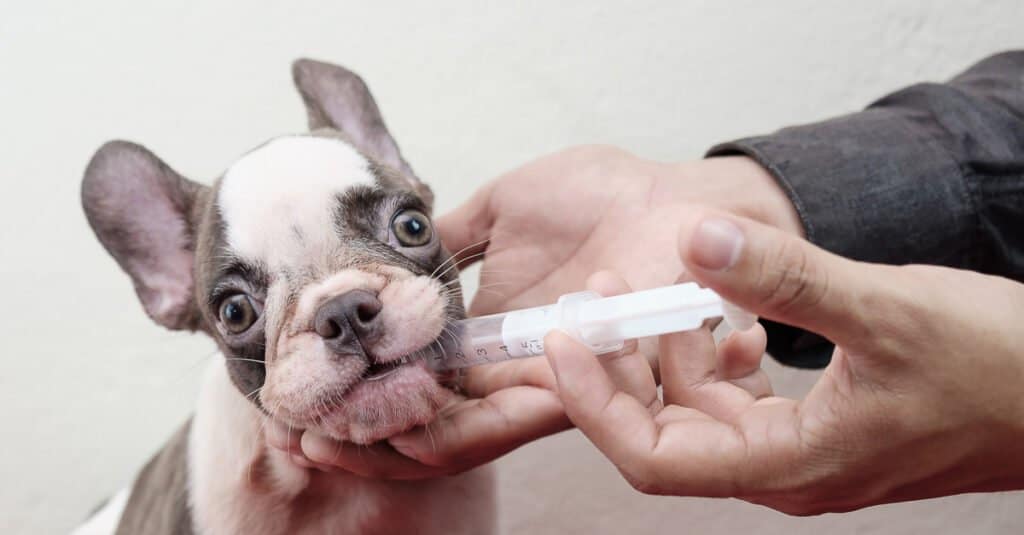
Your vet will give you the medication in a tablet, capsule, or liquid.
©JOKE_PHATRAPONG/Shutterstock.com
How you give your dog amoxicillin will depend on the form. Amoxicillin is typically prescribed as a tablet, capsule, or liquid.
Dogs are notorious for being able to sniff out even the slightest differences in food. So, you’re going to have to hide the medicine well. Otherwise, your dog may not end up taking it.
Pill Pocket
Vet offices or pet stores have pill pockets made of dog treats. You can easily slide a pill or tablet inside it, which works as the perfect hiding place for the medicine. In most cases, a dog will gladly eat up the treat, thinking that’s all they are getting.
Hide in Food
Another method is to hide the medicine in food. Whether you get liquid or a capsule, you can hide the medicine inside their favorite food. For example, if you have peanut butter or apple sauce, you can mix the capsule’s insides into it and give it to your dog. This method also works for hiding liquid amoxicillin in broth.
Back of the Mouth
Some dogs get good at spitting out or hiding the medicine. So, you may have to place the capsule into the back of their throat until they swallow. Dogs who resist taking medicine and know what’s coming are the most likely candidates for this method.
What to Do If Your Dog Spits Its Medicine Out
Dogs don’t always take well to medicine, as it often isn’t tasty, nor do they understand the benefits. If your dog spits out its medicine, you need to try to give it to them again, as missed doses can negatively affect the amoxicillin’s effectiveness.
Missing a dose of antibiotics might not seem like a big deal, but it is. Antibiotics work to counteract the multiplying bacterial infection inside your dog. If a dose is missed, the cells will continue multiplying and have time to build up resistance. This can cause the infection to come back or become more severe.
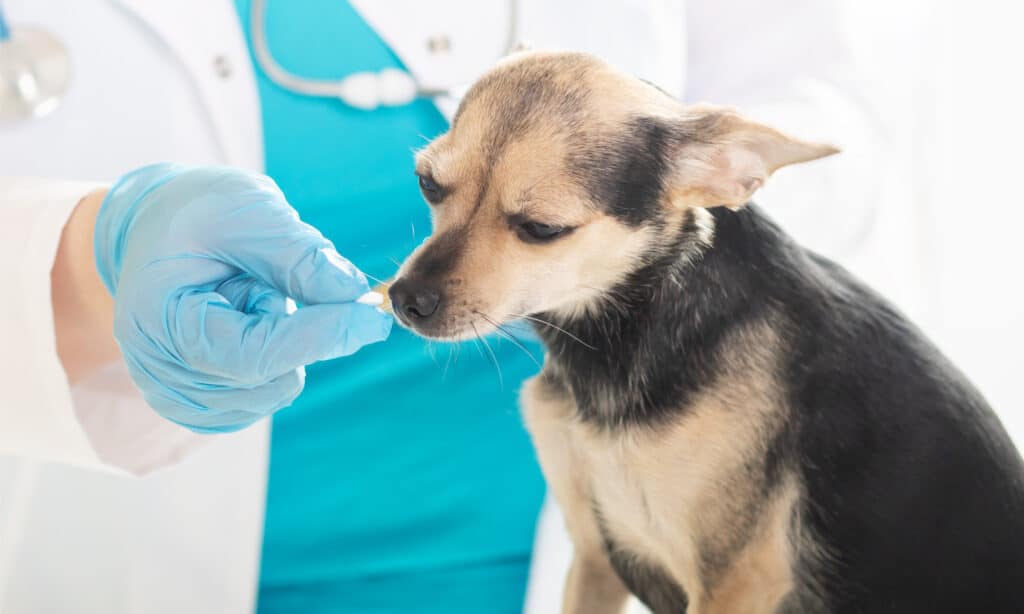
Your dog needs to take every dose of their medicine as prescribed.
©iStock.com/Yana Tikhonova
you must contact your veterinarian if your dog misses a dose or if you find that they have spat or vomited the medicine out. In most cases, a veterinarian will recommend that you re-administer the dose. However, you must follow the vet’s orders, as overdosing on amoxicillin can have adverse side effects.
What Are the Side Effects of Amoxicillin?
When amoxicillin is digested, it can kill subsets of bacteria in the body, including some of the natural bacteria in the gut. Due to this, a dog may have gastrointestinal tract irritation. This can include the following:
- Diarrhea
- Nausea
- Abdominal pain
- Skin irritation
- Lack of appetite
Your veterinarian may recommend probiotics to help make up for the lack of natural gut flora. By introducing good bacteria back into the gut, some symptoms of irritation can be relieved. However, probiotics alone will not get rid of all symptoms.

Your dog may have specific side effects after it digests amoxicillin.
©Prystai/Shutterstock.com
Facial swelling, hives, rashes, and difficulty breathing are all signs of an allergic reaction to the drug. If your dog starts to have any of these symptoms, you must take them to the vet immediately.
Can All Dogs Take Amoxicillin?
Similar to humans, some dogs may not be able to take amoxicillin as a treatment option due to underlying conditions. Some of these include:
- Hypersensitivity
- Allergies (Penicillin, cephalosporin, beta-lactam)
- Other prescriptions incompatible with amoxicillin
- Pregnant or lactating

Some dogs might not be able to take the medication.
©Ermolaev Alexander/Shutterstock.com
Amoxicillin can also be ineffective for dogs with certain conditions. These include:
- Shock
- Blood infections
- Systemic diseases
Can Too Much Amoxicillin Hurt A Dog?
As with anything your dog consumes, too much is not good for your pet. However, when it comes to medicine like amoxicillin, ingesting extremely high doses can have adverse effects. This penicillin-type antibiotic can be toxic to the nervous system and can cause damage and inflammation to the kidneys.
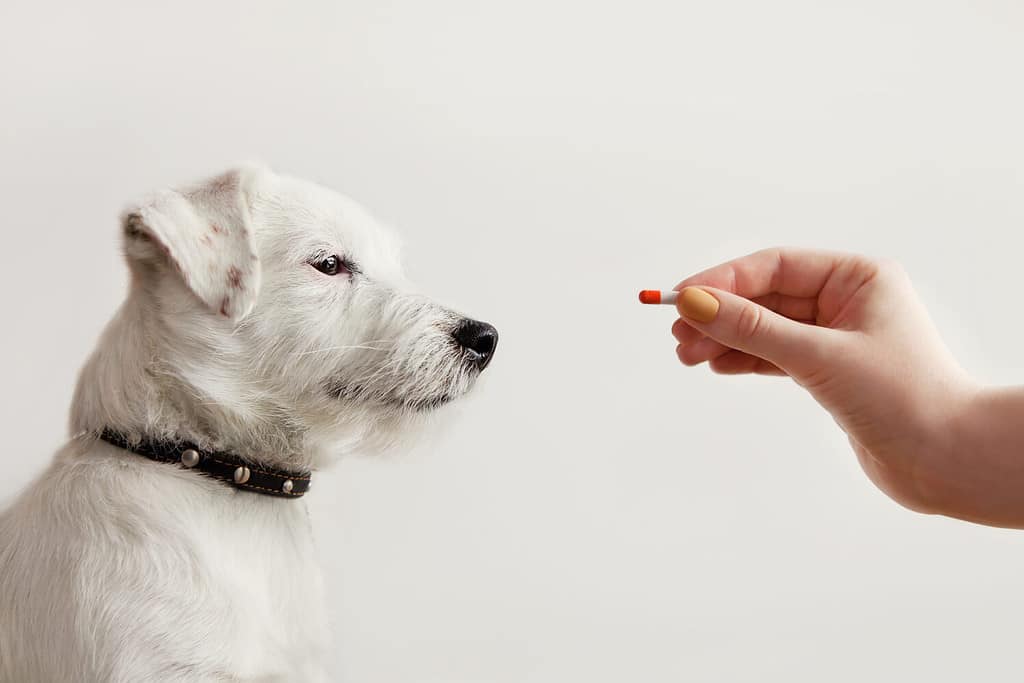
This penicillin-type antibiotic may be toxic to the nervous system and too much can lead to kidney damage.
©Liudmyla Guniavaia/Shutterstock.com
If you suspect that your dog may have ingested more amoxicillin than it should have, some of the signs to look for are diarrhea, vomiting, difficulty breathing, and panting. If your dog begins experiencing any of these symptoms, they should be taken to your vet immediately. Your vet will be able to monitor your pup and determine the best line of treatment.