

Quick Take
- Stopping prednisone abruptly is more than just an inconvenience. It can put your dog in serious danger. Why stopping abruptly is dangerous →
- Prednisone and prednisolone sound interchangeable, but for one type of pet that assumption is dangerously wrong. Cats vs. dogs difference →
- Some of your dog's most alarming behavioral changes on prednisone aren't a red flag, while others absolutely are. See behavioral side effects →
- If your dog takes certain common medications, prednisone could trigger a dangerous reaction. The list of affected medications may surprise you. Check dangerous drug interactions →
Has your canine companion been prescribed prednisone? Whether your dog is dealing with intense itchiness, severe allergies, or sudden inflammation, your veterinarian might prescribe prednisone, a powerful steroid commonly used to provide rapid relief to suffering pets. However, seeing your dog on prednisone can be concerning, as you notice sudden changes in their behavior, such as an insatiable appetite or a constant need to go outside. Continue reading to learn how this medication works and what side effects to watch for when navigating prednisone treatment for your dog.
What Is Prednisone?
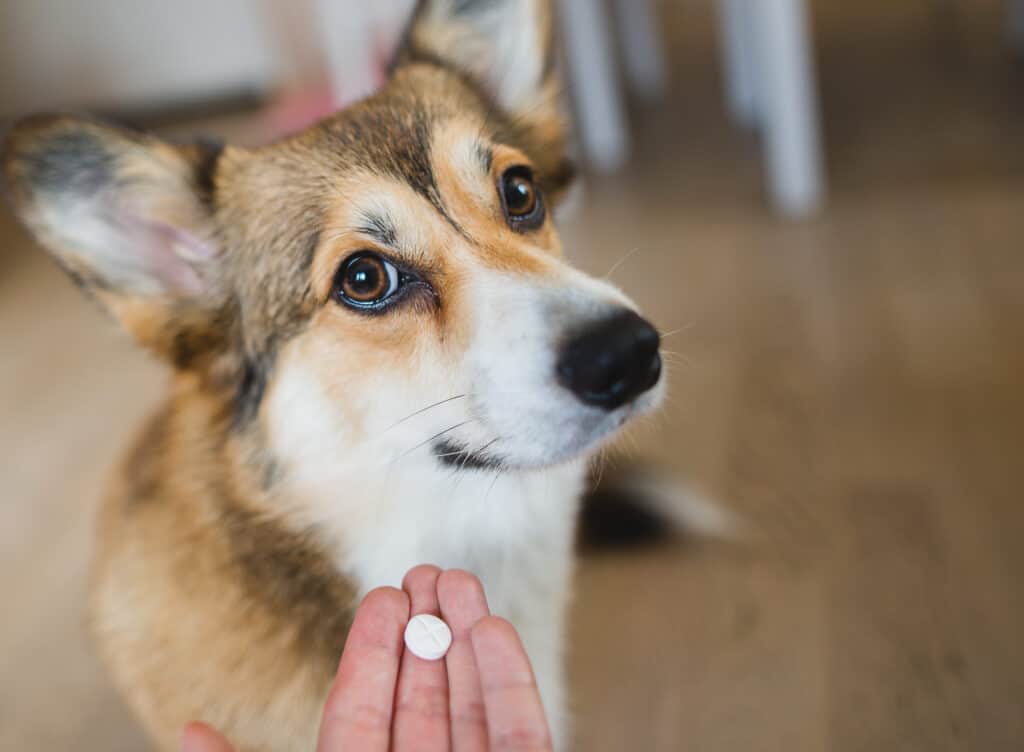
Prednisone is a glucocorticoid medication that suppresses the immune system and decreases inflammation.
©Jus_Ol/Shutterstock.com
Prednisone is a glucocorticoid medication that is commonly used in both humans and animals. It suppresses the immune system’s response to a variety of diseases and conditions and targets the inflammation they cause.
Your veterinarian may also prescribe a medication called prednisolone, and while they are classified as different medications, they are often used interchangeably in dogs. Whether your dog is prescribed prednisone or prednisolone, both work the same way to suppress the immune system and decrease inflammation.
Keep in mind that while dogs are often prescribed prednisone and prednisolone interchangeably, this is not the case for cats. Cats tend to process prednisolone much more easily than prednisone.
Is Prednisone Safe For Use In Dogs?
Prednisone is safe for use in dogs when used under veterinary guidance. Dog owners must follow specific instructions when giving their dog any medication, as the medication can be dangerous when given without veterinary guidance. Steroids can also exacerbate underlying medical conditions, so your vet will need to make sure your pup is healthy before they start taking prednisone.
Most Common Uses Of Prednisone In Dogs
Prednisone is used to treat a variety of medical conditions in dogs, including the following common uses.
Your vet may prescribe prednisone for the following issues:
- Allergic reactions
- Anaphylactic reactions
- Inflammation found with intervertebral disc disease
- Autoimmune conditions
- Addison’s disease
- Some eye conditions
- Some cancers
Prednisone is often used alongside other medications, so your dog will typically be prescribed additional treatments as well. Because prednisone can be used for any condition that leads to an inflammatory response, your vet may prescribe it for conditions not listed here.
How Is Prednisone Given to Dogs?
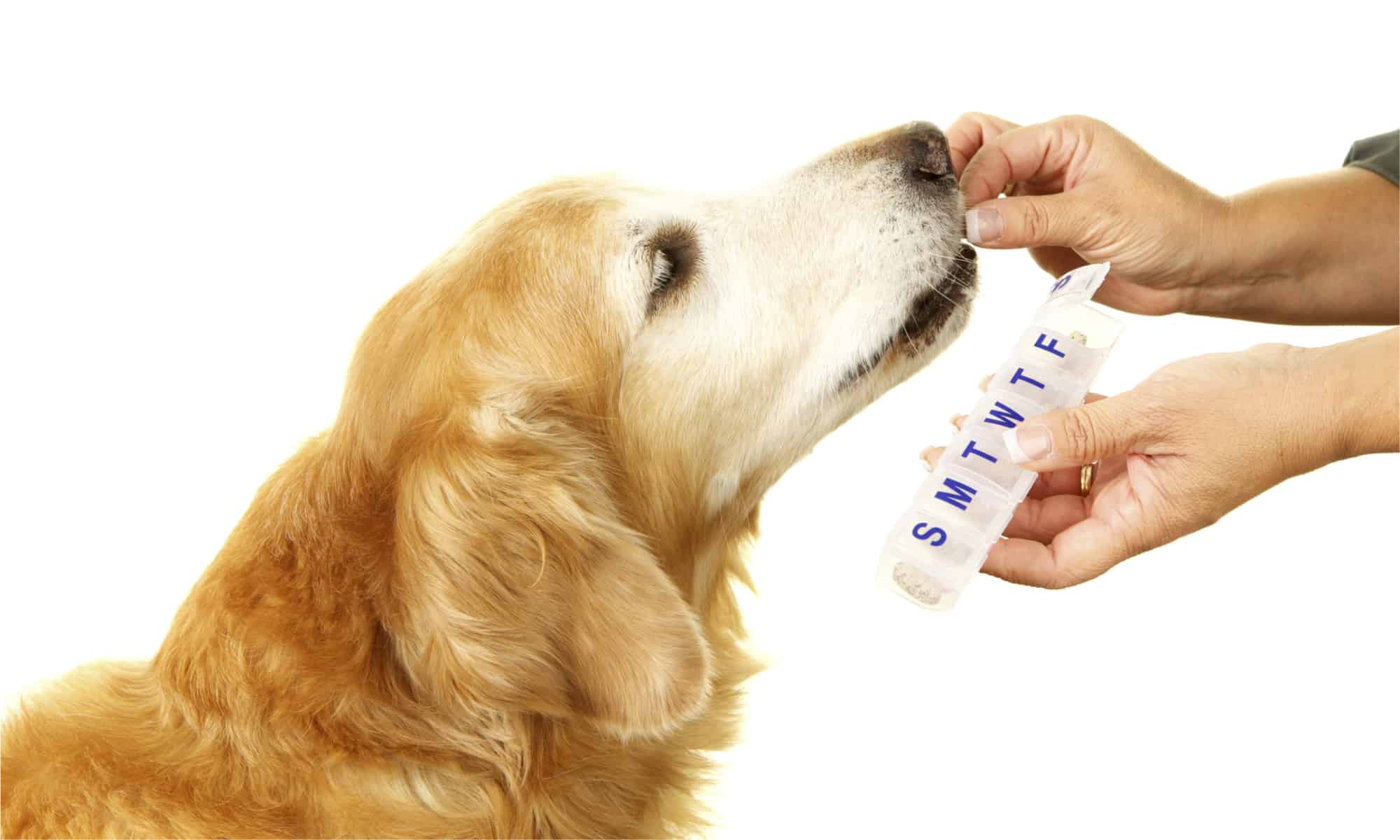
Prednisone is most commonly administered in pill form, but you can have it compounded into a flavored liquid if your dog has difficulty swallowing pills. It should always be given by mouth with food, and if you are instructed to give it once daily, then you should give it in the morning when possible.
Never stop prednisone abruptly if your dog has been taking it long-term. If you ever need to stop this medication, your vet will provide guidance on how to taper your dog off the drug safely.
Are There Side Effects Of Prednisone For Dogs?
Prednisone is safe for dogs when owners follow the guidance of their veterinarian, but there are a few side effects that are often seen with steroid use. These potential side effects include:
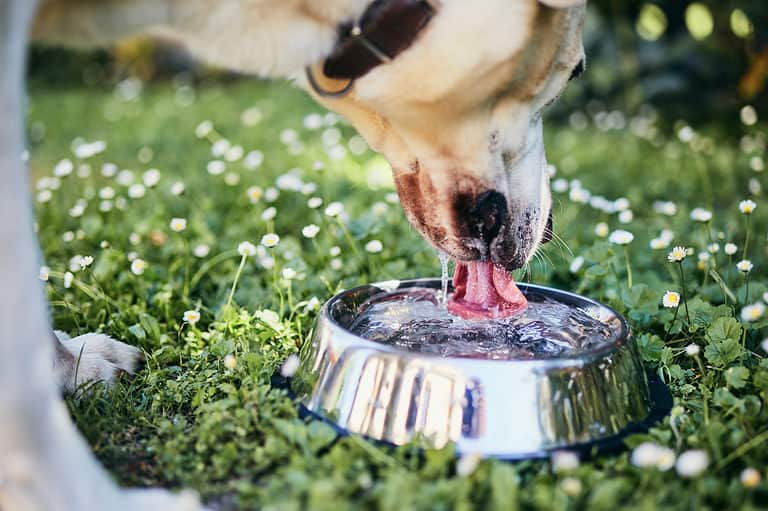
- Increased thirst
- Increased urination
- Increased hunger
Some of the side effects that are more common with long-term prednisone use in dogs include:
- Lethargy
- Panting
- Diarrhea
- Vomiting
- Changes in haircoat texture
- Weight gain
- Personality changes
While side effects like increased thirst, increased urination, and increased hunger are often unavoidable, check with your vet if your dog experiences any of the other side effects listed above. Your vet may be able to manage these side effects.
What Is The Prednisone Dose For Dogs?
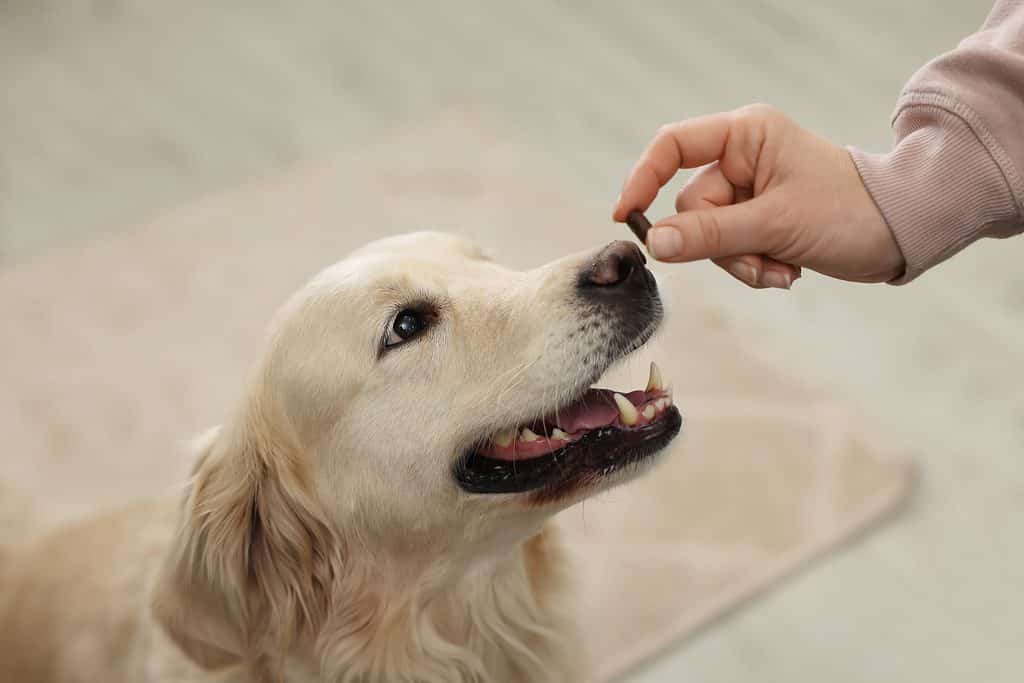
Prednisone for dogs should be given by mouth and with food.
©New Africa/Shutterstock.com
As noted earlier, you should never give your dog prednisone without veterinary approval.
Prednisone is often given as a loading dose when first prescribed. This means that your dog gets a higher dose during the first few days of taking the medication, before tapering down in the days that follow.
Depending on what your dog is being treated for, the dose your vet prescribes will vary. However, the following chart shows the average dose of prednisone for dogs by body weight.
| Weight in pounds | Dosage in milligrams |
| 5-20 pounds | 1.25 to 5 mg |
| 20-40 pounds | 5 to 10 mg |
| 40-80 pounds | 10 to 20 mg |
| 80-160 pounds | 20 to 40 mg |
This chart is only a reflection of baseline starting doses for mild conditions, such as standard allergies or localized joint inflammation. A dog being treated for severe autoimmune disorders (like IMHA or lupus) or certain types of cancer would be given a much larger dose.
Risks to Dogs
Prednisone can cause health complications for dogs with underlying medical conditions. Prednisone may not be safe for dogs with kidney disease, liver disease, cardiac disease, diabetes, or cataracts. This is why it is so important to have your pet assessed by a vet before starting prednisone, as many of these conditions cannot be detected without testing. You never want to send your dog into a health crisis.
In addition to the risk of worsening underlying health issues, prednisone can also cause dangerous drug interactions. You should not give your dog prednisone if they are taking the following medications:
- Antifungal medications
- Anti-inflammatory medications
- NSAIDS
- Diuretics
- Immunosuppressants
- Seizure medications
- Some antibiotics
Your veterinarian may be able to advise on giving prednisone safely alongside these medications, so always inform your vet of any medications your dog is currently taking.