
When looking for a furry companion, it is important to keep in mind that dogs are an investment of energy, time, and money. Some breeds are more expensive than others when it comes to the upfront selling price, while other breeds require more grooming or health care maintenance throughout their lives than others. Purebreds have a strong market demand for particular dog owners or competitive dog shows. Have you ever wondered about the most expensive dog breeds?
If you are thinking of investing in one of the most expensive dogs on the market, another factor to consider is food. If you’re going to own a very expensive dog, especially one with potential health problems, it only makes sense to feed that dog the highest quality food. Buying the best dog food out there to ensure the best nutrition will inevitably add up and result in even higher costs, especially for large dogs who eat more food.
Here are the top ten most expensive dog breeds based on a compilation of initial purchase price, grooming costs, and lifetime medical expenses.
Newfoundland
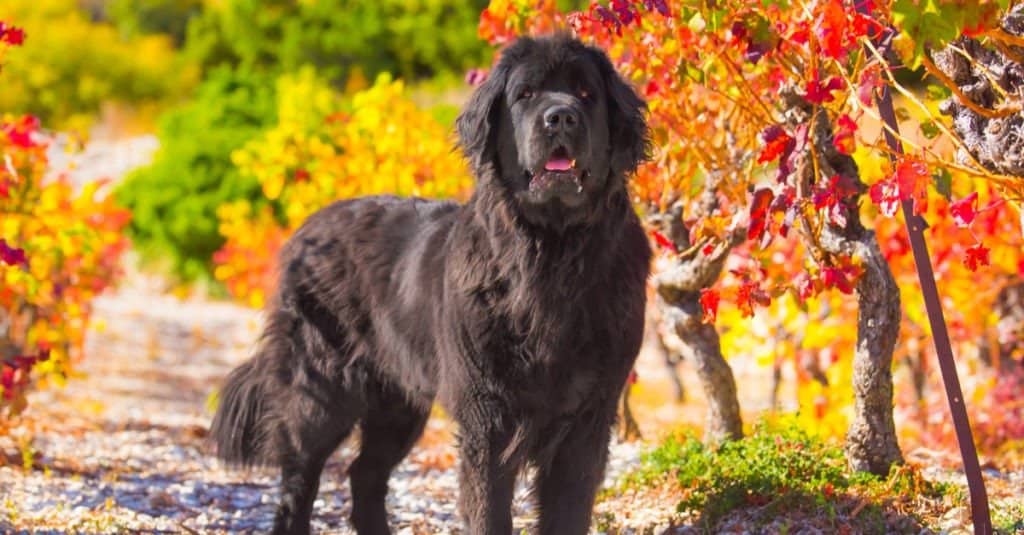
“Newfies” are a pretty lazy breed, needing encouragement to exercise but always ready to cuddle.
©Pandas/Shutterstock.com
Coming in at number 10 on our list of the world’s most expensive dogs are Newfoundlands, gentle giants and great for family life. About $1,500 to purchase, these dogs are among the most expensive dog breeds when it comes to health care, as a larger stature leads to more orthopedic and cardiological problems. Massive with long, thick fur, these dogs are high maintenance and expensive to groom.
Chow Chow
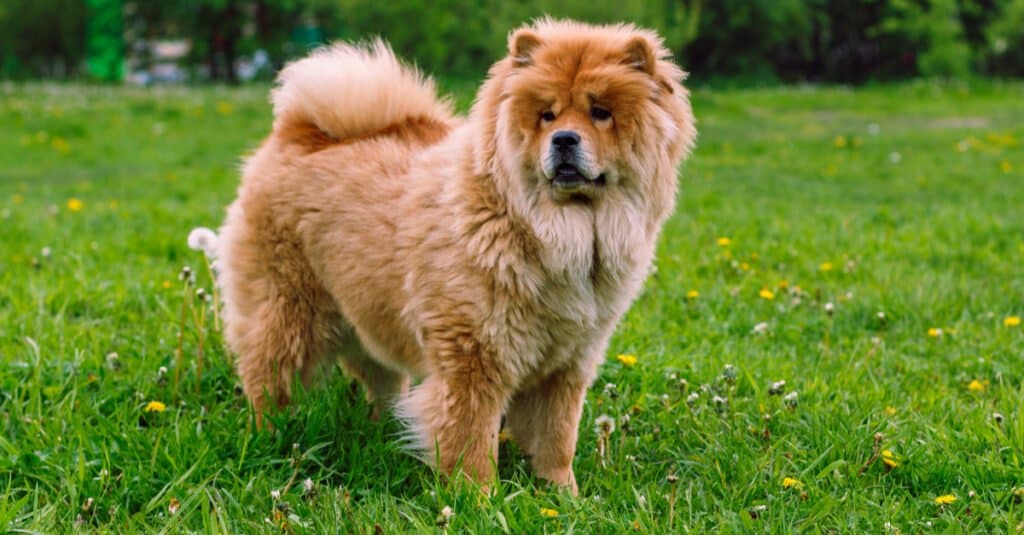
Well-known for their dense double coat, chow chows are prone to autoimmune diseases.
©Flower_Garden/Shutterstock.com
A protective breed, chow chows make good guard dogs. Following the initial outlay of around $1,250, get ready to heap on extra expenses associated with this breed’s health care. Medical expenses can be higher with chow chows because of joint issues and autoimmune disorders. Grooming costs are also higher for these dogs with their thick, luscious coats.
Alaskan Malamute

An Alaskan Malamute has an average lifespan of 12-13 years.
©iStock.com/Liliya Kulianionak
Highly energetic and companionable, Alaskan Malamutes cost around $1,000 upfront, making them one of the most expensive dogs on the globe. In addition to being one of the most expensive dog breeds, medical expenses can be high due to health issues, such as diabetes mellitus. Their heavy coats make for expensive trips to the groomer as well.
Saint Bernard

Their ability to endure extremely cold weather makes Saint Bernards great search and rescue dogs.
©iStock.com/swisshippo
Recognized for its reputation as a rescue dog, the Saint Bernard has an initial cost of around $1,500. However, this is nothing compared to the cost of medical expenses for this breed, which can amount to $8,000 or more. For such a large dog, grooming can rack up excessive costs as well.
Golden Retriever

Golden Retrievers consistently rank among the top 3 most popular dogs in the U.S.
©iStock.com/Tatyana Consaul
One of the most well-tempered breeds, Golden Retrievers are among the most expensive dog breeds, costing about $1,500 to purchase from a breeder. Living about 10-13 years, these dogs are faithful companions but are predisposed to serious health conditions, especially orthopedic cancers, which are managed with exorbitant medical treatments. Golden Retrievers also require regular grooming.
Old English Sheepdog
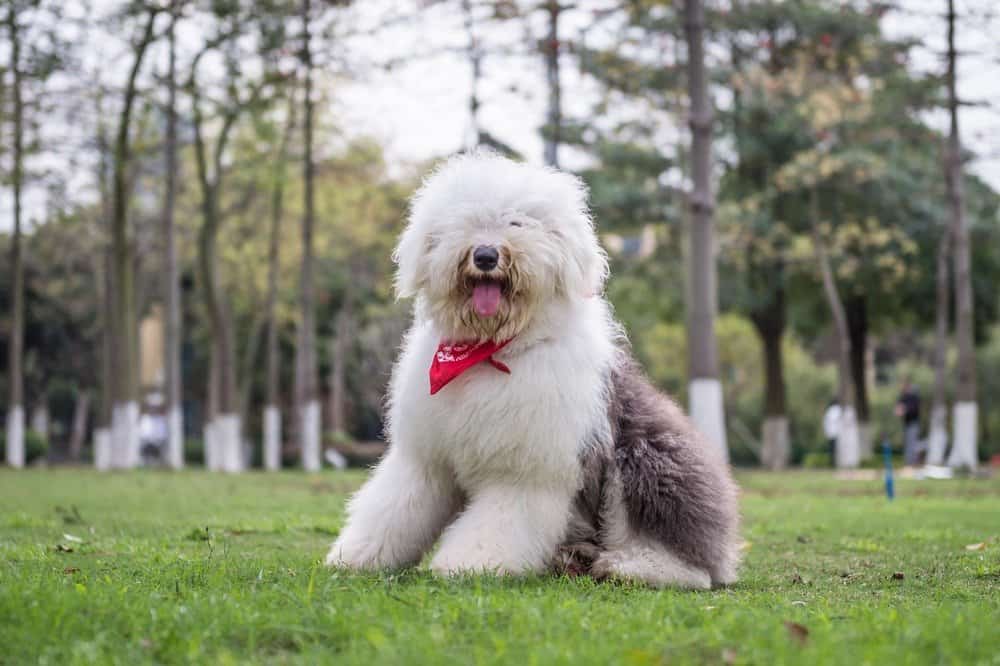
Fluffy but not fat – Old English Sheepdogs are muscular working dogs, ready to herd animals or children!
©Chendongshan/Shutterstock.com
Well known from the movie The Shaggy Dog, Old English Sheepdogs are intelligent and loyal herding dogs, great for families with kids. These furry pals will set you back $1,250 when purchased from a breeder. Due to health problems such as deafness, cataracts, gastric torsion, otitis externa, etc., healthcare costs can amount to over $7,000 for this breed, making it one of the most expensive dog breeds. That shaggy coat will require regular grooming, too!
Irish Wolfhound
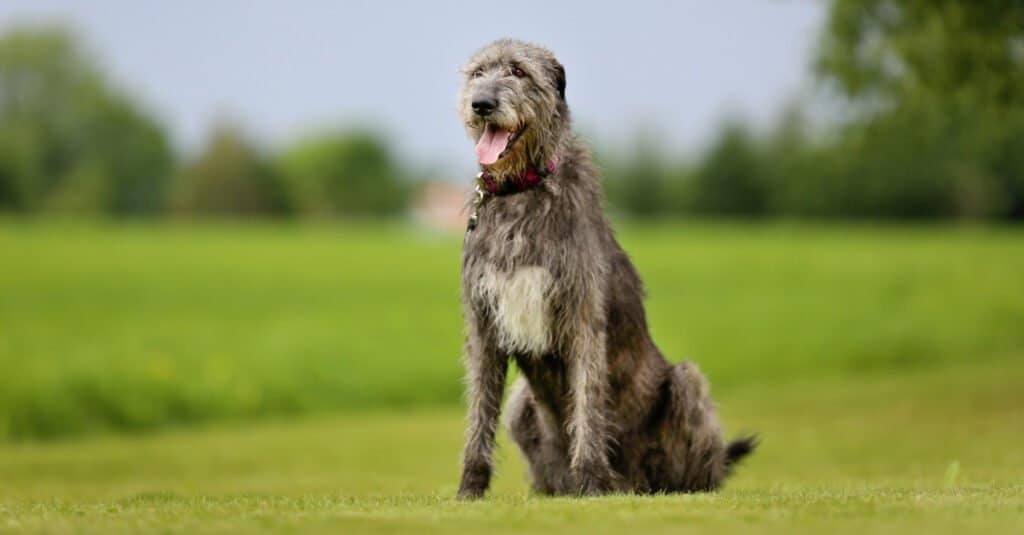
The Irish Wolfhound was originally bred for big-game hunters.
©iStock.com/Bigandt_Photography
This breed makes a wonderful family pet. However, Irish Wolfhounds cost around $1,900, and grooming costs run high for this large dog. As a larger breed, these dogs do develop specific health issues, running up the costs of veterinary visits each year to over $5,000. Other health issues such as von Willebrand’s Disease (a problem with blood clotting), progressive retinal atrophy, and megaesophagus may present in this breed.
Portuguese Water Dog
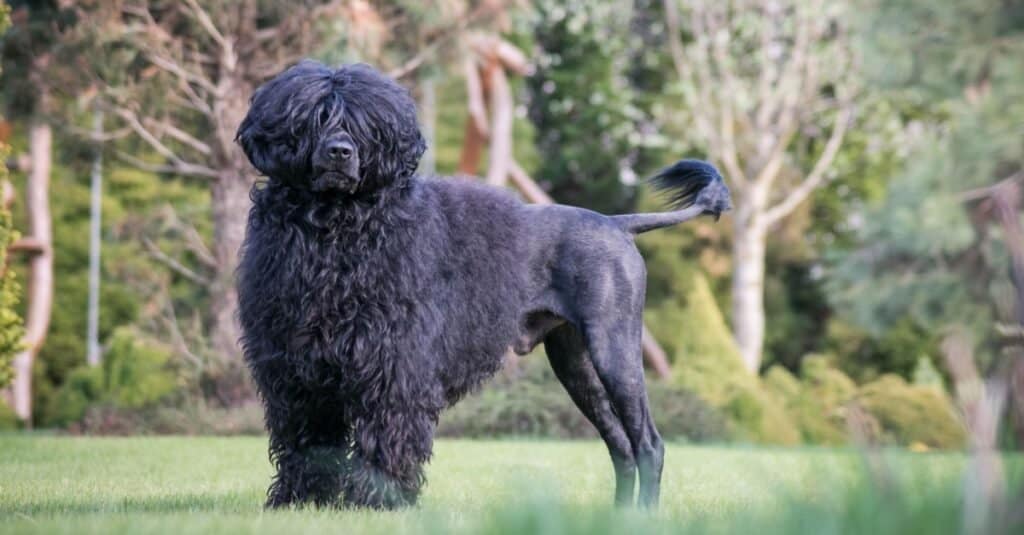
Portuguese Water Dogs have an athletic body and webbed feet, which act like flippers, propelling them through the water.
©Eve Photography/Shutterstock.com
After the initial cost of approximately $2,500, Portuguese water dogs do not usually require as much health care, making them somewhat less expensive to own. While they are a relatively healthy breed, Portuguese water dogs can develop allergies, eye problems, and hip dysplasia. They also require routine grooming, cha-ching!
Black Russian Terrier

Introduced in the USSR in the 1950s Black Russian Terriers are prone to eye problems and dysplasia.
©Utekhina Anna/Shutterstock.com
Black Russian Terrier puppies cost up to $2,000, and adult dogs require regular grooming and wellness visits. These dogs may develop ocular and orthopedic health issues, such as elbow dysplasia, typically later in life, requiring increased spending on veterinary visits.
Most Expensive Dog Breed: Tibetan Mastiff

While Tibetan Mastiffs grow to be over 100lb, they are quite agile and quick in the face of a potential threat.
©Tatyana Kuznetsova/Shutterstock.com
Topping the list of the most expensive dog breeds is the Tibetan Mastiff, a pet whose grooming, healthcare, and feeding needs also cost a pretty penny. Puppies from breeders run about $3,000 and have a lifespan of about 10-12 years. These majestic, fluffy dogs require frequent grooming, about $70 for each visit. While their large size makes for good protection, they also come with various health issues. These include hip dysplasia, seizures, autoimmune diseases, and inherited demyelinating neuropathy. Veterinary visits for problems such as these can range from hundreds to thousands of dollars with potential surgeries.