
Quick Take
- Muzzling your pit bull in the wrong situation can actually make aggression worse rather than better. When muzzling backfires →
- Even the friendliest pit bull has situations where a muzzle goes beyond being just helpful and becomes truly critical. Critical muzzle situations →
- There's one muzzle mistake that can send your dog to the vet even when nothing else goes wrong. Overheating dangers explained →
Pit bull breeds have a reputation for being mean, threatening animals. This is mostly due to their history of dog fighting, which led to aggression in some pit bull breeds. However, most pitties are human-friendly, and some even get along with other pups. Pit bulls don’t necessarily need to be muzzled just because of their breed. In this article, we’ll discuss five reasons your pit bull should wear a muzzle, six reasons they shouldn’t, and which type of muzzle is best.
When to Muzzle Your Pit Bull
Unless laws in your area require it, there’s no need to muzzle your dog only because it’s a pit bull. However, many pitties do benefit from wearing muzzles, and it never hurts to muzzle-train any breed, as you never know when the skill might prove useful.
#1: They Have a Bite History
The most obvious reason to muzzle your pit bull is if they have a bite history, either with humans or other dogs. For instance, you might muzzle your dog during walks if they’re dog aggressive.
This way, if a dog happens to run up to you, your pit won’t be able to hurt them. While it should be up to the other owner to keep their dog on a leash, accidents do happen, and you can sometimes be held accountable legally if your dog bites another, even if it doesn’t seem like the situation is your fault.
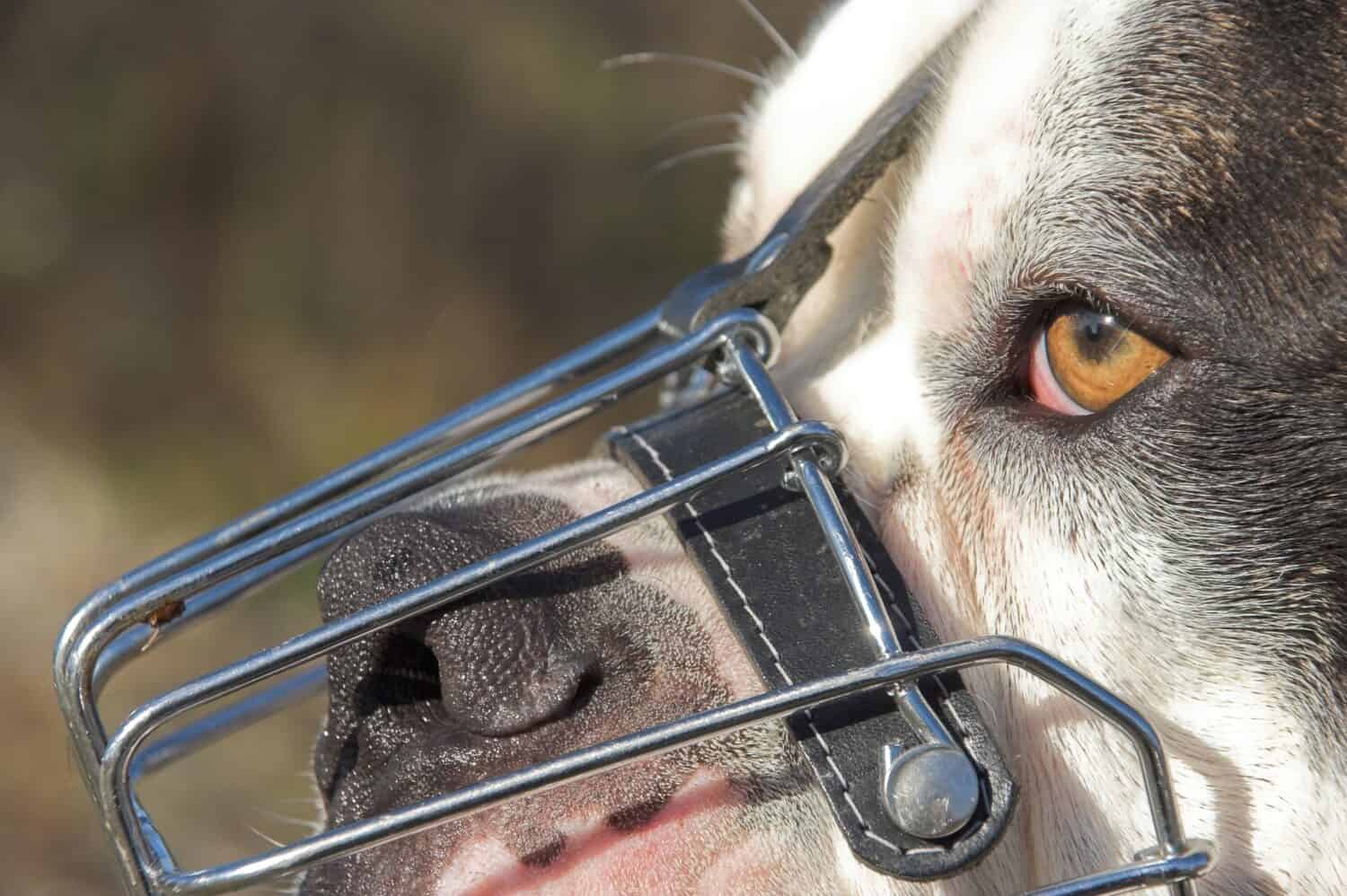
Muzzles should only be worn short-term while the dog is supervised.
©Mirenska Olga/Shutterstock.com
#2: They’re a Bite Risk, Even if They Do Not Have a History
Responsible dog guardians know dog body language. They can see that their dog is a potential bite risk despite not having a bite history. If your pit bull has shown aggression in certain circumstances, it’s fair to muzzle them during these times in the future. Examples include vet visits or nail trims.
Ultimately, the muzzle should be a short-term solution while you work on your dog’s feelings around the event. It’s better, for instance, to desensitize them to nail trims so that you no longer need the muzzle, and they’re more comfortable with the situation. However, as you work on that, keeping yourself and others safe is also very important.
#3: To Stop Them from Eating Random Objects Outside
Again, a muzzle should be a short-term solution. Muzzling your dog to stop them from eating things left out around the house is not a good solution, nor is it responsible ownership.
However, if your dog tends to eat things off the ground outside, a muzzle can prevent this behavior and keep your dog safe while you work on training solid “leave it” and “drop it” cues. This can stop your pit bull from being poisoned or developing an intestinal blockage.
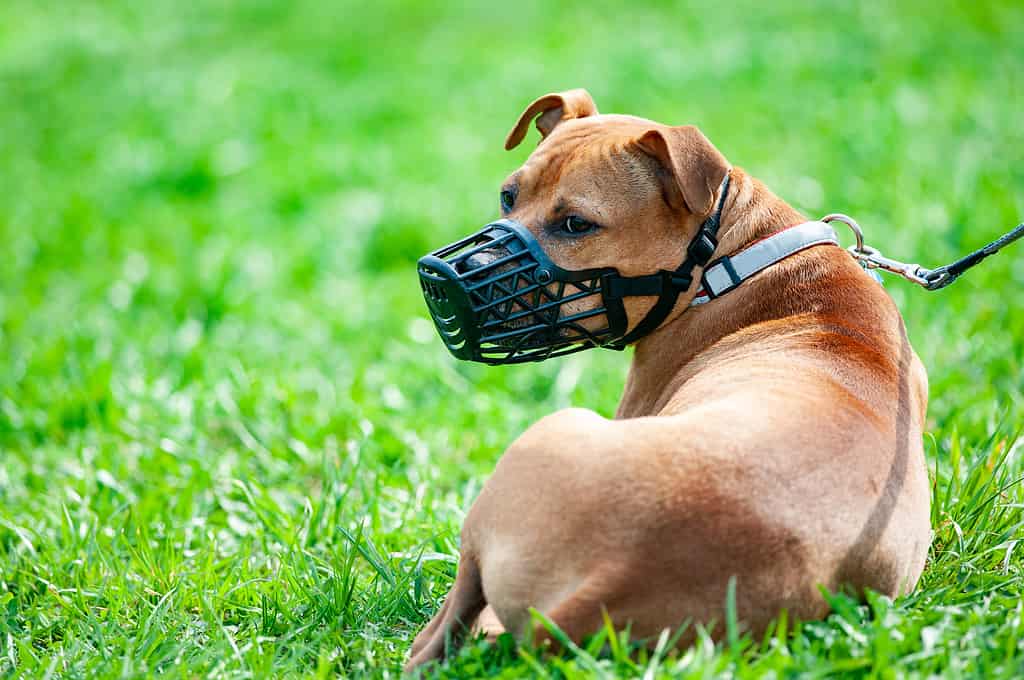
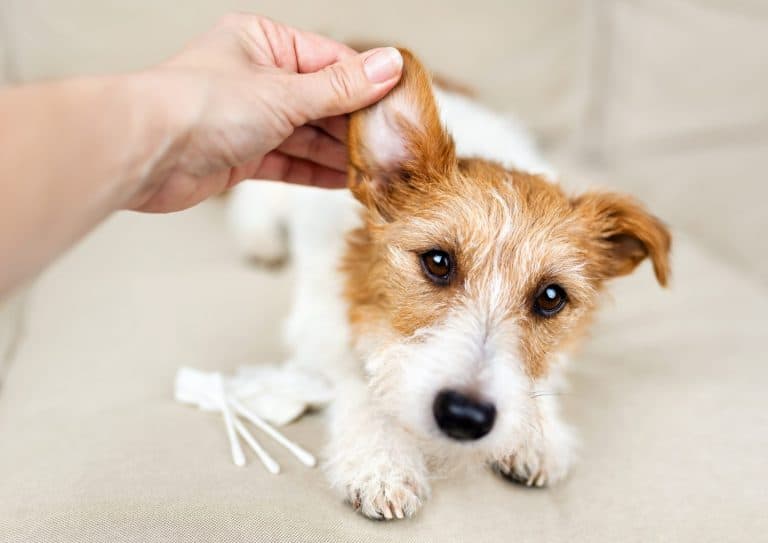
If your pit bull tends to eat things off the ground, a muzzle can help keep them safe during training.
©mari_art/iStock via Getty Images
#4: In an Emergency
When we’re panicked, we’re sometimes at our worst. We can see the same thing happen in dogs during a crisis. In addition, injuries, seizures, and other neurological conditions can make your dog more irritable or even cause a complete change in personality. Even friendly dogs are more likely to bite when sick, hurt, or frightened.
The more handling that’s required, especially by strangers, the more prone your dog may be to biting. If your dog ever has a medical crisis, muzzling them can help to keep everyone safe in a scary situation. Ideally, the first time you muzzle your dog isn’t in an emergency situation. It’s much less traumatic for them if they’ve built up positive associations with the muzzle first.
#5: When Required by Local Laws
Unfortunately, some areas require certain breeds, like pit bulls, to be muzzled in public. If this is the case, you’ll need to put on the muzzle before taking your dog out on walks or other adventures.
When Not to Muzzle Your Pit Bull

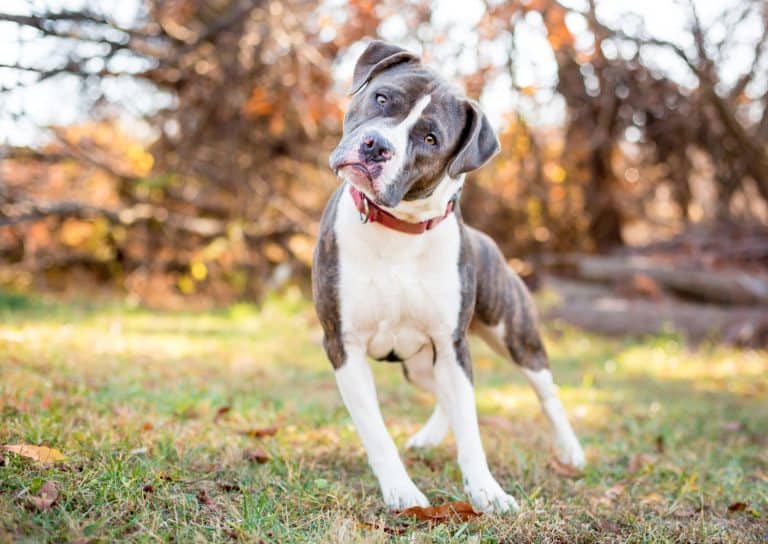
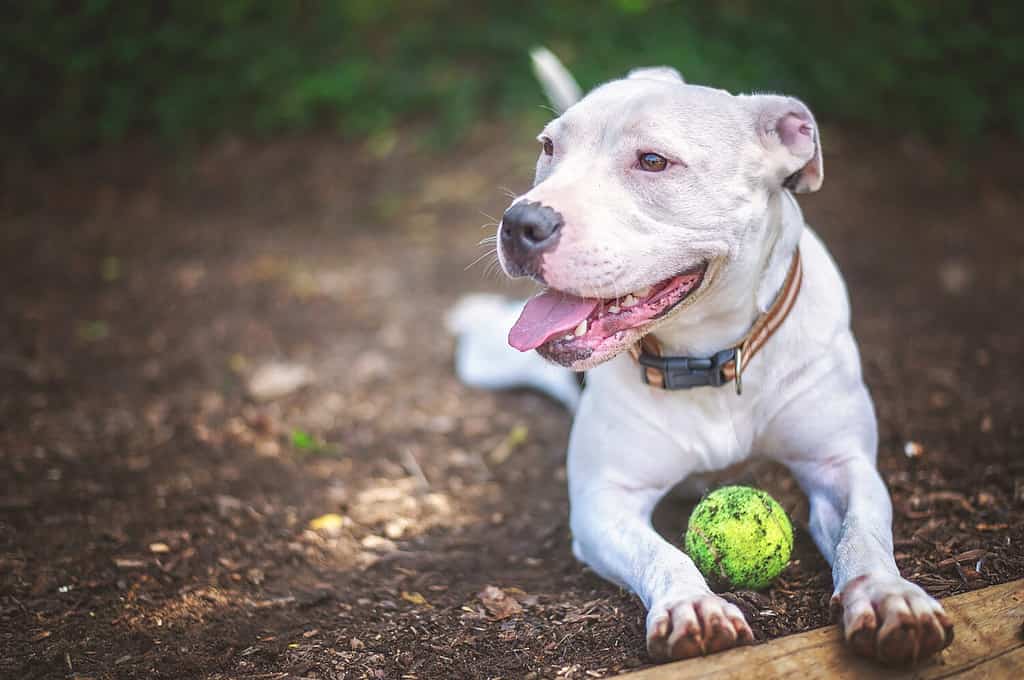
Your Pit Bull should be slowly trained to accept the muzzle rather than forced to wear it immediately.
©Tosha Bu/Shutterstock.com
#1: Just Because They’re a Pit Bull
If you don’t have evidence of aggression, there’s typically no need to muzzle your pit. Doing so solely because of their breed doesn’t make a lot of sense and is unnecessary.
Although some pit bull breeds were originally bred for fighting, each dog should be treated as an individual. Most issues are dog-on-dog aggression, not aggression toward humans. The solution to this should be avoiding unfamiliar dogs and taking any introductions slowly. A muzzle typically isn’t needed in these situations unless your dog has shown signs of aggression.
#2: All Day or Night
Muzzles aren’t meant to stay on a dog for hours at a time. They aren’t a permanent solution to behavioral problems, not even aggression. Keeping the muzzle on for long periods can be uncomfortable and even painful for your dog. It also restricts their normal movements, including their ability to pant. Not being able to pant properly can lead to heatstroke.
Muzzles are for short-term use, such as during your daily walk or for a vet appointment. They should typically come off once you’re back home.

Muzzles should only be for short-term use, not for hours at a time, as it restricts their normal movements.
©Cheryl Ann Studio/Shutterstock.com
#3: To Replace Training
Muzzles can be a helpful tool for short-term use while training your dog. In the example above, you would muzzle your dog outdoors to prevent injury while you teach them not to eat things off the ground. Muzzles can also help if your dog has an injury and you need to stop them from licking it.
However, muzzles shouldn’t be used in place of training and aren’t recommended for long-term use. Bad reasons to use muzzles include:
- To stop your dog from barking
- So that your dog can’t chew your things
- As punishment for misbehavior
- As the only solution to aggression
Please remember to only use force-free training techniques for your pit bull. Aversive training methods and punishments only promote fear and aggression and erode your dog’s trust in you. If your dog has bitten or you fear they’ll bite, it’s important to work with a professional, force-free trainer or behaviorist who is experienced with aggressive dogs. This isn’t something that will be solved by a muzzle and can be dangerous to try to fix on your own.
#4: When the Situation Can be Avoided
If your pit bull is dog aggressive, you shouldn’t muzzle them and bring them to the dog park for socialization. The better solution is to keep them away from other dogs when possible and to muzzle them only when there’s a chance of other dogs coming close, such as on a walk.
If they’re aggressive toward men, rather than keep them muzzled when a repairman comes to the house, keep them safely crated in another room or secured in the backyard. There are exceptions, of course, such as when you’re working with a professional trainer to desensitize your dog to their fears or when the situation is one your pit bull needs to get used to, such as living with another dog or a man.
Generally, it’s better to avoid situations that your dog doesn’t need to be in. Remember that forcing them into uncomfortable situations — especially with their defenses removed — can make them more fearful and aggressive long-term. It can also present unnecessary risks to those around them.
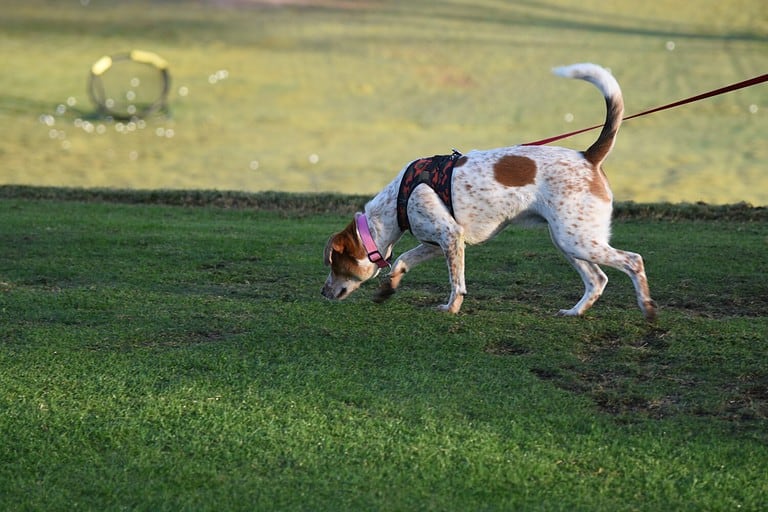
If your pit bull is aggressive toward service people, take them to the backyard and out of the situation.
©Crystal Alba/Shutterstock.com
#5: When They Haven’t Been Muzzle Trained
Ideally, you’ll slowly accustom your pit bull to their muzzle so that they learn to associate it with positive experiences. This isn’t always possible, but you should avoid muzzling an untrained dog when you can.
Bad experiences with the muzzle, such as wearing it for the first time during a stressful vet appointment, will make it more difficult to create positive associations. You want your dog to willingly put their muzzle on and leave it alone once it’s in place. Neither you nor they should see it as a punishment.
#6: When They’re Crated or Unsupervised
Your pit bull should only wear their muzzle when supervised. There’s no need to muzzle them when they’re in their crate, and it can be hazardous if the muzzle catches on something. Luckily, it’s also unnecessary to muzzle a crated dog. The crate keeps them away from others, so they aren’t a bite risk. It also keeps them from being a risk to themselves, such as by eating random objects.
Muzzles on a crated dog can also be dangerous because they don’t allow your dog to pant fully, which is their primary way of cooling themselves down. A muzzled dog can overheat when left unsupervised for long periods.
Which Type of Muzzle is Best for Pit Bulls?
The best type of muzzle is a basket muzzle. They can be made of various materials and in different sizes to suit your dog’s needs.
Essentially, all basket muzzles have a gridded, basket-like design with straps to hold them in place. They allow dogs to open their mouths, unlike less safe options such as soft muzzles, which wrap around a dog’s mouth to hold it shut.
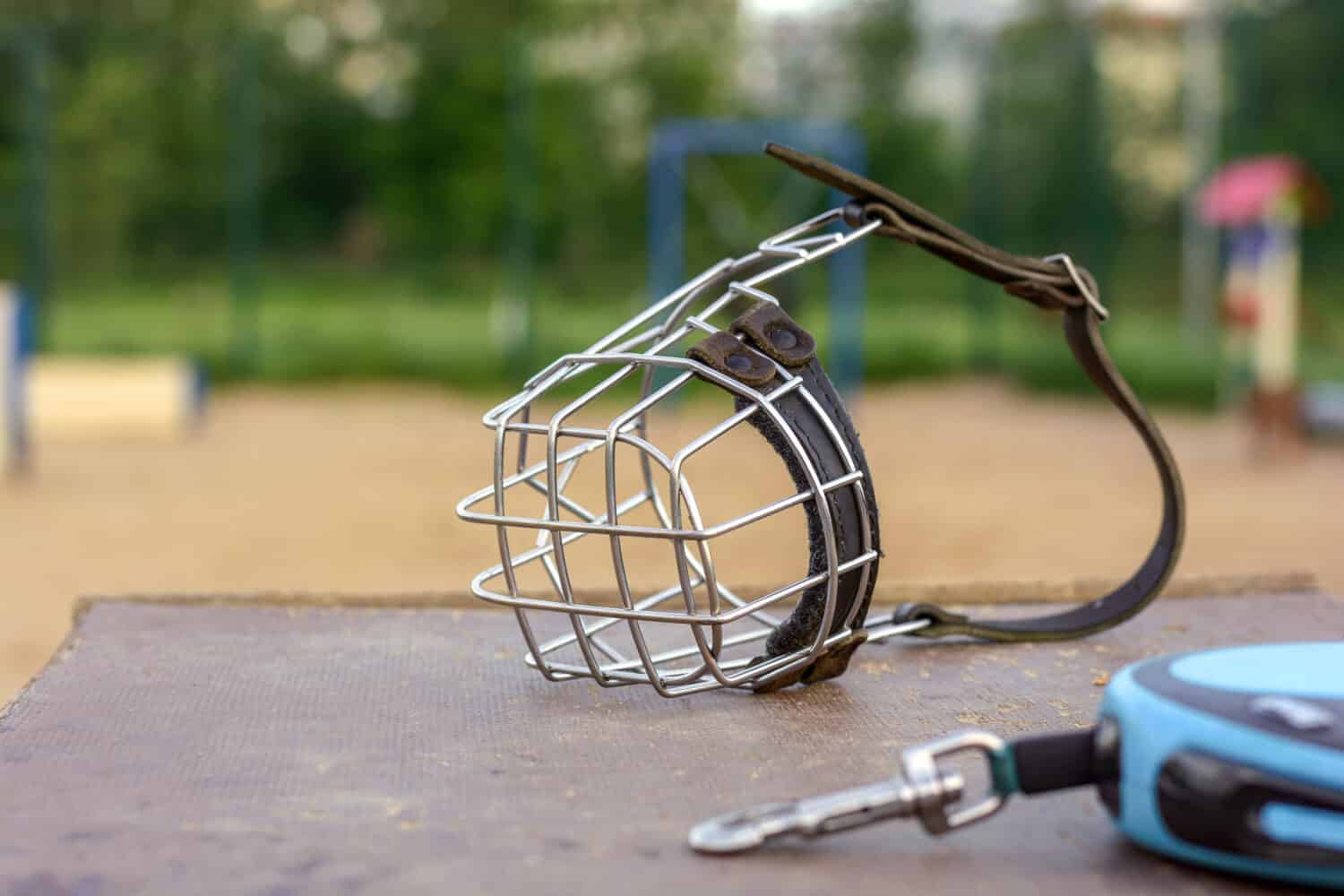
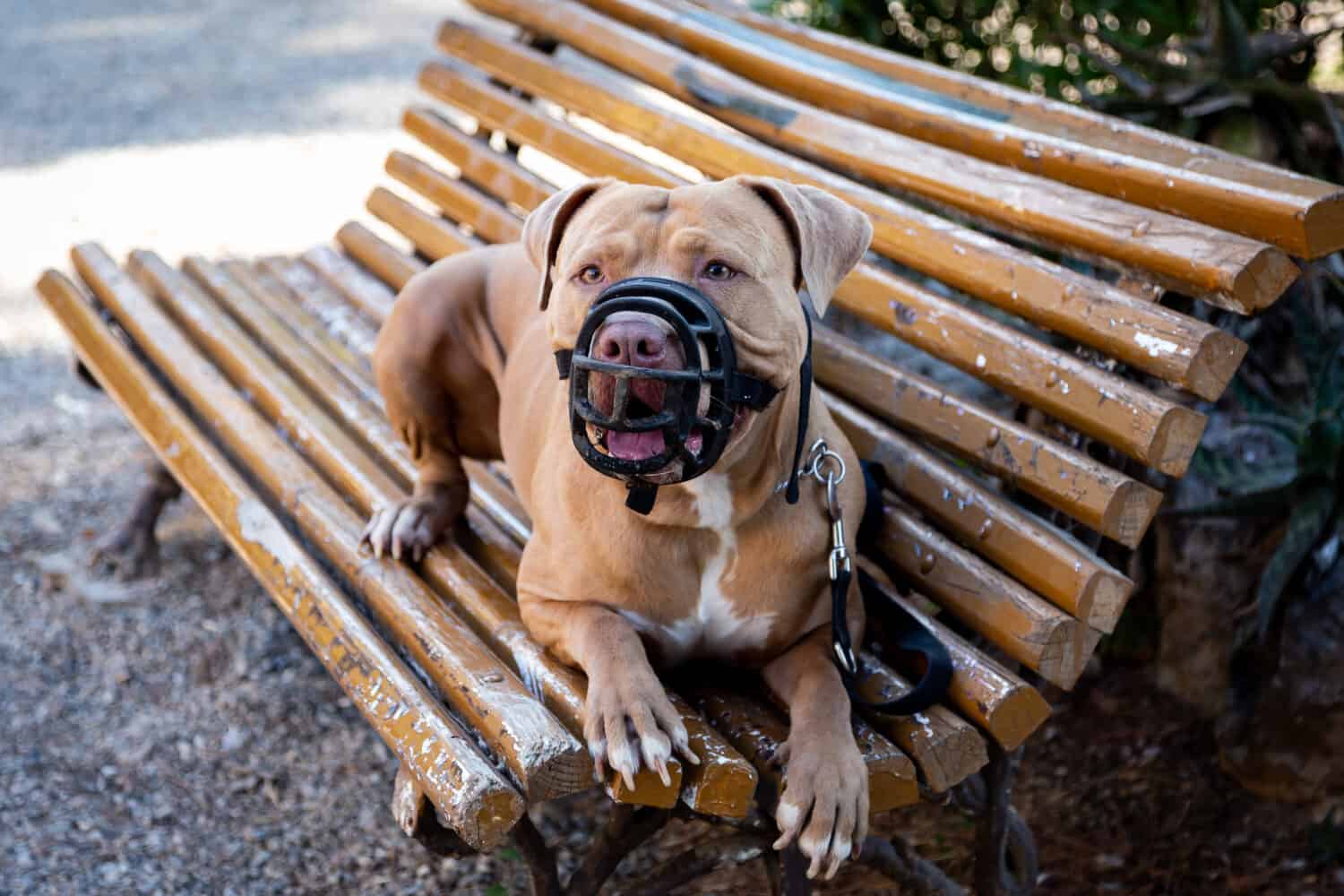
A muzzle should allow your pit bull to pant and drink normally and should not hold their mouth closed.
©Chitorok/Shutterstock.com
Features to Look For
- The ability to open their mouths, drink, and pant. This is non-negotiable, with the exception of very short-term use in true emergencies.
- The ability to eat food. Being able to at least feed treats through the muzzle is ideal, though not required, as you can take the muzzle off for meal times.
- Reliability. Of course, you want the muzzle to stay on and remain sturdy. Especially if you’re muzzling your dog to prevent biting, you want to be sure that they cannot bite through it.
- Comfort. Muzzles aren’t a punishment and should be as positive an experience for your dog as possible. Make sure they fit correctly and don’t dig into the skin. The muzzle also shouldn’t put a lot of weight on your dog’s nose.
Tight-fitting muzzles should only be used in emergencies when you don’t have a basket muzzle on hand. However, a better solution is to keep a basket muzzle around for situations like these.