For those looking for an unusual, somewhat rare, and distinctive bonsai tree to grow, the Bahama Berry may well be the right choice for you. Many others are easy to come by and plastered across the internet as the best or the easier, like the Ficus bonsai or the spruce bonsai but the Bahama Berry is an intriguing and beautiful plant worth considering.
The plant gets its name from its native locale – the Inagua islands of the Bahamas – and its unique plant growth and fruiting.
Let’s dive in and see what makes this tree worth considering and whether or not you’re game for the task.
Bahama Berry Classification
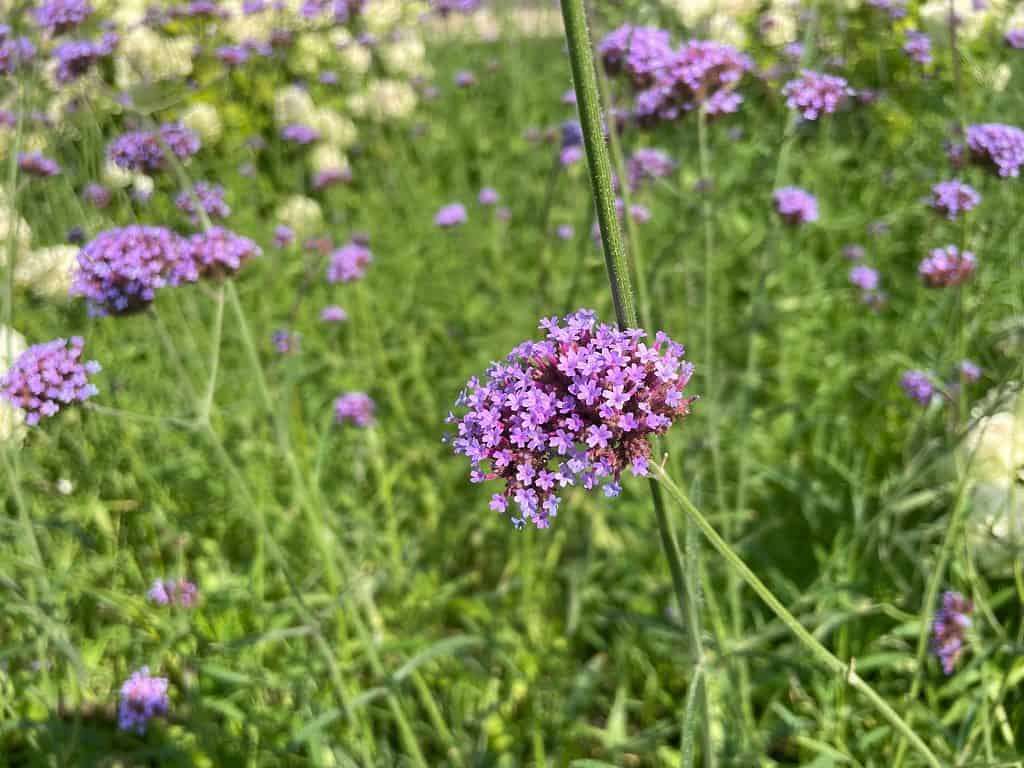
Bahama berry bonsai are part of the same family as verbenas.
©slavesofillusion/Shutterstock.com
The plant with tiny green berries, known as Bahama Berry, is native only to the islands of Inagua in the Bahamas. The shrub’s scientific moniker is Nashia inaguensis and it belongs to the Verbenaceae family. This means it is among the verbena plants many of us are familiar with in gardens. The plant, however, is distinctive for multiple reasons, including its origins.
Bahama berry plants have other common names as well, including “I Dry-I Die,” Moujean tea, or pineapple verbena. The reason for the “I-Dry-I Die” moniker is its delicate nature and distinctive need to never dry out, or, as the name implies, it will not survive.
Bahama Berry Description
The Bahama berry is an evergreen shrub native to the Caribbean. The plant is a crawler, growing across sunny outcroppings where it may be partially shielded from high winds. It is often found in rocky terrain and prefers bright sunlight.
Flowers
Bahama berry plants produce tiny white flowers in clusters during summer months. The flowers have darker centers, usually pink or reddish, and grow up and down the twiggy branches.
Aroma
The leaves of the Bahama Berry are actually what offer its heady aroma, less so the flowers. The aroma and flavor of the leaves has been described as vanilla, citrus, or even pineapple-like. There is no need to crush the leaves, but rather to brush them to release the aroma.
The flowers also have sweet aroma, described as floral and sweet, though nothing particular show-stopping. It really is the leaves that steal the show on the plant.
Leaves and Branches
The plant has tiny, shiny green leaves and twiggy branches. The leaves appear textured and almost hairy and aren’t much larger than the clusters of white flowers.
Berries
The berries that pop out after the tiny white flowers disperse are usually red-orange in color, though may lean closer to one or the other, depending on exact environment and shade.
Size
The plant is naturally small and has tiny features that have drawn bonsai enthusiasts to the unique plant. Naturally, the plant may reach up to 8 feet in height, but it is easily contained into the tiny plant known in the bonsai industry.
Origins and History of Bahama Berry
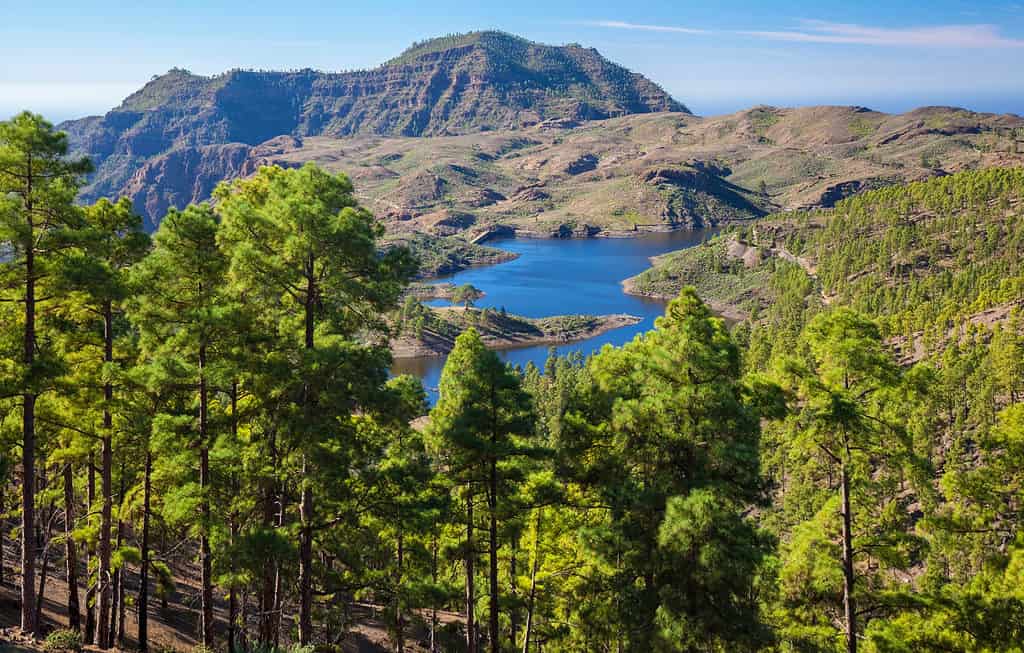
They come from the Bahamas, specifically from the islands of Inagua.
©Tamara Kulikova/Shutterstock.com
The pineapple verbena originated in the Bahamas on the islands of Inagua. They were named for the island by scientists, but most of us know them as Bahama berries or Moujean tea. The plant is one of the edible verbenas and has been cultivated and used by locals and others to make tea and for the aroma of the leaves and flowers. The miniature features of the plant attracted bonsai enthusiasts as well, so eventually it was chosen as a bonsai species, though it remains one of the lesser-known plants for this purpose. You’re probably more likely to find the plant offered up as parts of herbal teas or aromas, rather than bonsai.
What Makes the Bahama Berry Good for Bonsai?
As mentioned previously, the Bahama Berry plant naturally has multiple features that attract bonsai enthusiasts. The tiny flowers and leaves lend themselves to the nature of bonsai arts, while its heady, sweet aromas add to the attraction. The larger version of the plant is rather nondescript, but when it’s kept as a bonsai, the slim, twisted trunk, bright berries, colorful leaves, and perky flowers create an incredibly attractive, albeit difficult to care for, bonsai tree.
How to Grow a Bahama Berry Bonsai Tree
Bahama Berry plants are one of the more difficult species to keep as a bonsai and are not recommended for first timers. However, if you have some experience and are ready for a challenge, they’re an excellent choice. The fragrance of the plants alone makes them worth the time and effort.
Planting Location
If the name and origins didn’t give it away, the Bahama Berry is a tropical bonsai that requires plenty of light and high humidity. They don’t tolerate drying out at all, so must be placed where they will receive plenty of full, direct light while also being kept moist.
The plant may be kept indoors or outdoors, though many opt for indoors to keep a closer eye on it and to make providing the precision care required easier.
If kept outdoors, they should never be left to freeze or dry out.
Lighting
Bahama berry plants require plenty of sunlight, preferring full sun. They can tolerate partial shade, as well, as long as they have plenty of water and warmer temperatures.
Temperature
The pineapple verbena likes it hot! The winter months shouldn’t get lower than 60s, if that tells you anything, and they love plenty of direct light and high humidity. Nighttime temperatures can reach down to the 50s F, but they need hotter temperatures during daytime to thrive.
Some folks keep them in greenhouses in cooler months to help maintain the higher humidity and temperatures. If you don’t have a greenhouse and outdoor temperatures drop below the 50s, you’d better bring the bonsai indoors to keep it alive during the winter.
Watering & Misting
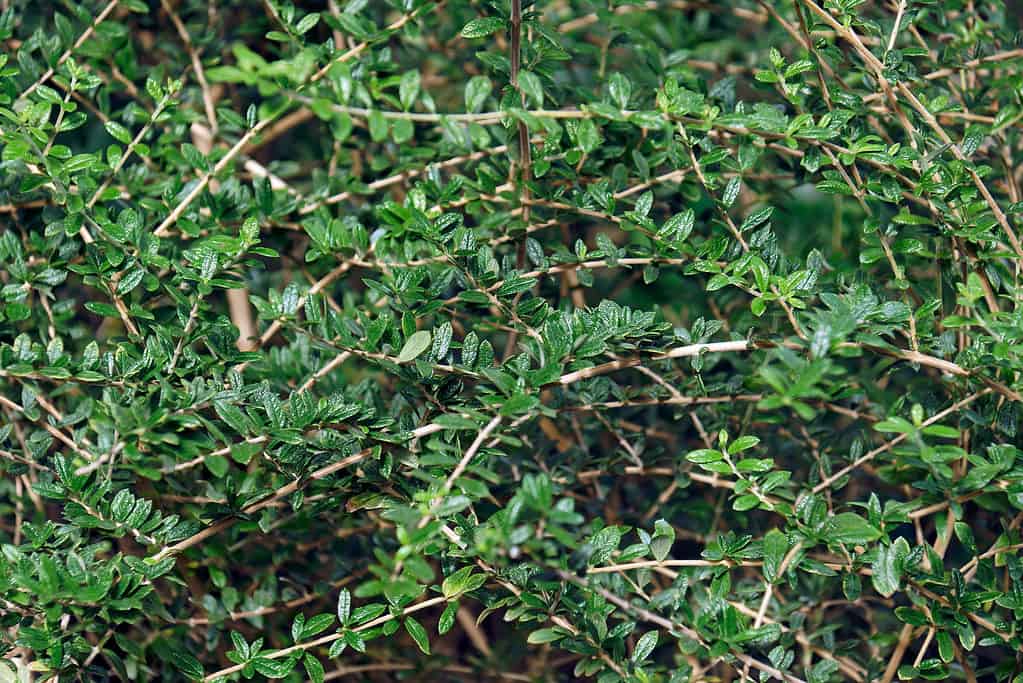
Bahama berry foliage is nondescript in full-size, but stunning in tiny form.
©Nikolay Kurzenko/Shutterstock.com
Bahama berry trees cannot survive drying out. Many of them wither even upon the first forgotten watering, making this a difficult plant for folks who travel often or who tend to be forgetful. Experts recommend using a moisture meter to help keep the plant cared for properly.
Keep the Bahama berry evenly moist, not waiting for the soil to dry. However, you don’t want them to become waterlogged, either, so check the soil with that moisture meter and keep the soil moist but not wet.
The plant also needs to be misted frequently. Use a spray bottle to mist the leaves with water daily, keeping them lightly moist without being wet, and keep the plants away from drafty windows and vents, fans, appliances, and electronics that may dry out the air.
Drainage Needs
While the Bahama berry must be kept moist, you don’t want the roots to soak. The plant needs proper drainage for the soil so that the water doesn’t become stagnant or to collect in the bottom of the pot.
Feeding
Bahama berry bonsai trees need fertilization regularly. Start feeding the plant in springtime when growth begins, using a balanced fertilizer with nitrogen. Feed the plant every two weeks during the growing season, then slowly reduce the number of feedings down to once per month in late summer.
While the plant is resting, switch to a no-nitrogen fertilizer to keep the plant healthy without encouraging additional growth.
Pruning
Pruning helps encourage the Bahama berry plant to develop new foliage and new shoots. Trim the plant frequently to keep its shape in place after the trunk and branches are shaped and established. “Clip and grow” is the most beneficial development and maintenance plan for your Bahama berry bonsai.
Shaping
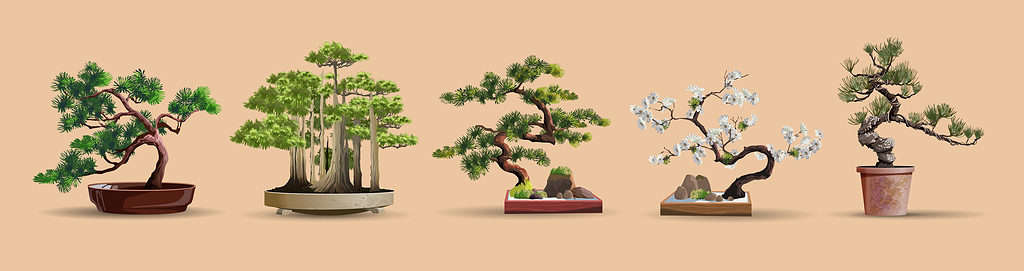
They can be shaped a few different ways, like most bonsai.
©Alexey Malkov/Shutterstock.com
The plant is a bit brittle, so wiring is an option that may be used to keep the plant healthy and shaped appropriately.
The trunk height makes Bahama berry bonsai ideal for shohin style, but the literati style works as well. It is difficult to shape Bahama berry into either a windswept or cascade style, though some have found some success.
Wiring
Clipping your Bahama berry and wiring it will be the most successful method for training. Be sure to wait until the plant is well-established before wiring, and use soft, aluminum wire to avoid damaging the semi-brittle branches and trunk. Leave the wire a little loose, as well, to avoid scarring, and carefully wind the wires as you shape.
Avoid unwinding the wire when it’s time to shift, instead cutting the wire free of the plant, avoiding breakage of the branches.
You also need to keep an eye on the wiring as the plant grows. Sometimes, wires may cut into the bark and damage the tree. If there are signs of this, immediately remove the wire with scissors, being careful not to damage the bark further.
Re-potting
As your Bahama berry grows, you’ll want to re-pot the plant in early summer (June) every other year for 10 years. For older plants, they should be re-potted every 3 to 4 years.
Trim the roots and comb them out before re-potting, water thoroughly, and skip feeding for 4 weeks.
Common Problems of Bahama Berry Bonsai
Mealy Bugs
Bahama berry plants are susceptible to mealy bugs that burrow into the bark. You’ll likely need to manually remove the insects with tweezers to avoid damaging the trees aesthetics.
Pit Scale
Another potential issue for your Bahama berry could be pit scale. The insects feed on the sap of the tree and appear as white or gray scales on the tree.
The issue arises when Bahama berries are kept in poorly circulated areas. Avoid the issue by keeping the plant well-ventilated. Use a mild fungicide to prevent and kill mold brought on by the insects and spray the tree every month or so with non-toxic insect spray to help keep them at bay or kill them when they appear. Make sure the soil is moist, though, when you spray.
How to Propagate Bahama Berry Bonsai
Bahama berry bonsai may be propagated from cuttings. This method is the fastest and easiest way to propagate and therefore preferred by most enthusiasts.
- Choose a warm spring or early autumn evening to collect suitable cuttings from Bahama berry trees.
- Select a branch and cut between 2 and 4 inches of branch off the mother plant. The branch should be 1/8-inch thick.
- Use rooting powder for the cut end, shaking off any excess powder, and plant into proper growing medium.
- Immediately water the cutting and continue to keep the soil moist.
Up Next:
- Cedar Bonsai Tree
- 16 Best Flowering Bonsai Trees
- The 11 Best Indoor Bonsai Trees
- Serissa Bonsai Tree