
Quick Take
- Shaking a tree for a snack sets off a chain of ecological events most people never consider. See the cascade of effects →
- Without elephants, the African savanna would look dramatically different, though perhaps not in the way you'd expect. Explore their ecosystem role →
- The debris an elephant leaves behind accidentally becomes critical infrastructure for other species. Discover the debris benefits →
- Elephants are reshaping plant geography across entire landscapes, and they are doing so completely by accident. See how landscapes are reshaped →
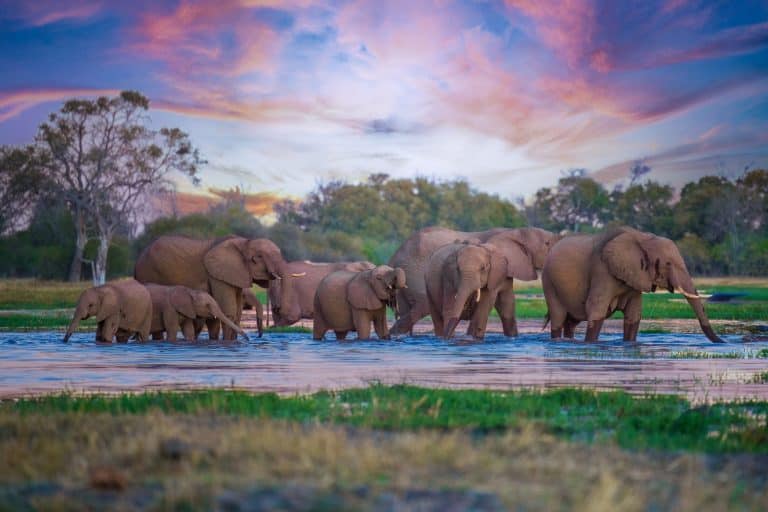
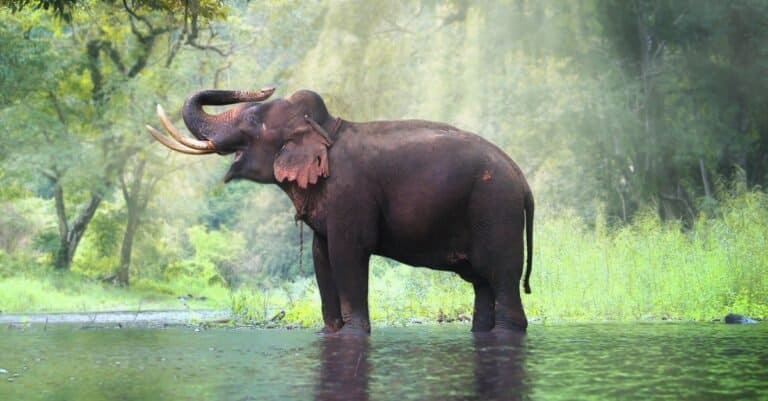
Animals come in all different shapes and sizes, each using various means to get their next meal. Elephants are a prime example; they use their trunks and immense strength to shake food out of trees. This process not only satisfies their hunger but also reshapes the environment in unique ways. This Instagram post by @shumbalagamelodge shows an elephant shaking a tree to get what it needs from it. Read on to learn how elephants impact the environment around them.
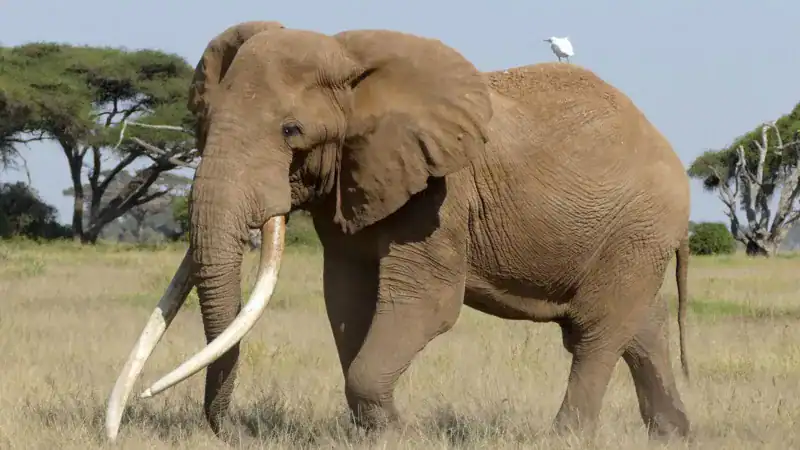
Elephants shake trees to get food, but it has a ripple effect that benefits the ecosystem greatly.
©albertodelgadolopez/Shutterstock.com
Why Elephants Shake Trees
The video above is a great look at how elephants get their meals. While their trunks are perfect for grabbing, their sheer force and power are enough to shake down fruits and leaves. Rather than searching for food on the ground like some animals, elephants often obtain their meals directly from the trees. Elephants eat the fruit, leaves, twigs, bark, and sometimes even the roots of trees. This diverse diet provides elephants with the nutrients they need to survive. This isn’t just a great way to get food; it is also beneficial for the environment. When elephants shake trees, their actions trigger a series of effects throughout the ecosystem.
One outcome in denser forests is the creation of gaps that allow sunlight to reach the forest floor. By shaking down branches and leaves, elephants allow sprouts and smaller plants to get the sunlight they need to grow. Similarly, without elephants, many savanna ecosystems would be at risk of becoming denser woodlands, as elephants help maintain the balance between grassland and woodland. Their presence helps balance forests and grasslands, keeping the ecosystem in check. The fallen branches and leaves also provide shelter and nesting sites for insects and reptiles. These small creatures can hide from predators under the larger leaves, helping to increase and maintain biodiversity. Finally, by shaking trees, elephants help disperse seeds and promote the spread of plant life. Seeds from fruit and other vegetation are dispersed over long distances, giving plants a chance to grow in new locations.
Gentle Giants
While the video may make it seem like the elephant is roughly handling the tree, this behavior is an important part of nature. Ecosystems depend on natural disturbances like this to maintain balance and biodiversity. Without elephants, the natural landscape of grasslands would change significantly. Forests might become denser, and species that rely on open land could decline. With this in mind, we can appreciate elephants even more. Not only are they intelligent, but they also unknowingly help maintain the ecosystem.