








D
Species Profile

Dachshund Mix

Canis lupus familiaris

Small body, big tracker energy
Niamh Lily Fisher/Shutterstock.com

Dachshund Mix Distribution

Domesticated Species

Found Worldwide

Dachshund mix (Canis lupus familiaris) are kept and moved by people and live wherever pets are kept. They are common in cities, suburbs, and rural areas worldwide, found through pet ownership, shelters and rescues, and when people move with their dogs.

Size Comparison

Human 5'8"
Dachshund Mix 11 in

Dachshund Mix stands at 16% of average human height.

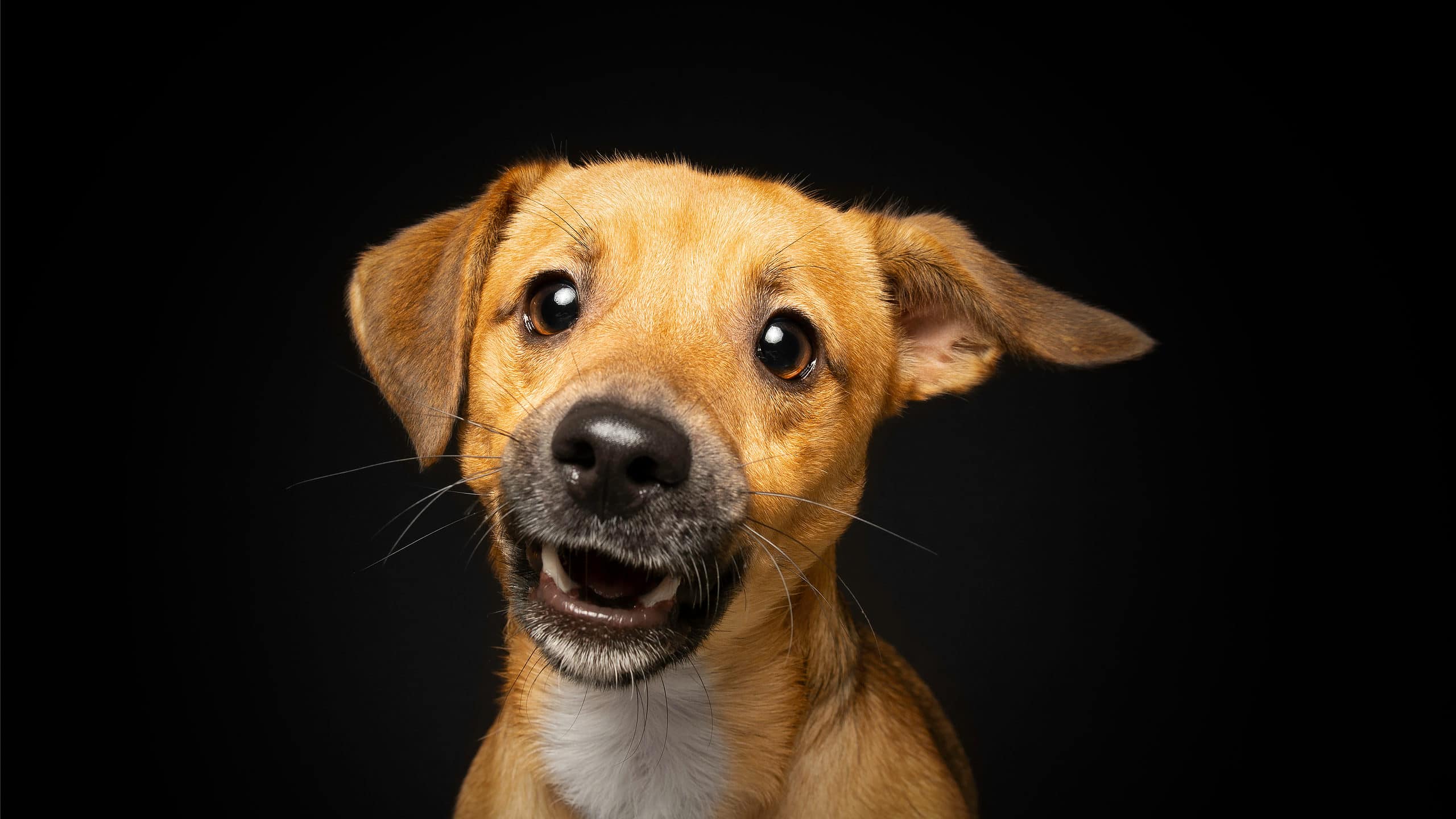
Jackshund baring its teeth

At a Glance

Domesticated
Also Known As mutt, mongrel, mixed-breed dog, mix, crossbreed, designer cross
Diet Omnivore
Activity Cathemeral+
Lifespan 4 years
Weight 14 lbs
Status Not Evaluated
Did You Know?

"Dachshund" means "badger dog" in German-many mixes still inherit strong digging and scent-trailing instincts.

Scientific Classification

A domestic dog of mixed ancestry in which Dachshund heritage is a defining component. Traits vary widely depending on the other breed(s) in the mix.

Kingdom
Animalia
Phylum
Chordata
Class
Mammalia
Order
Carnivora
Family
Canidae
Genus
Canis
Species
Canis lupus

Distinguishing Features

  • Variable appearance; often some Dachshund-like features (elongated body, shorter legs, long ears)
  • Temperament and size depend strongly on the other breed(s) involved
  • Coat type and color highly variable (smooth, long, wire possible)

Physical Measurements

Males and females differ in size

Height
10 in (7 in – 1 ft 2 in)
9 in (6 in – 1 ft 1 in)
Length
2 ft 2 in (1 ft 6 in – 2 ft 9 in)
1 ft 12 in (1 ft 6 in – 2 ft 6 in)
Weight
22 lbs (11 lbs – 35 lbs)
15 lbs (9 lbs – 24 lbs)
Tail Length
8 in (5 in – 11 in)
8 in (6 in – 10 in)
Top Speed
22 mph

Appearance

Primary Colors
Secondary Colors
Skin Type Dachshund mix skin varies with coat: smooth/short, wire/harsh, or longer and feathered from other breeds. Darker coats hide pigment; short coats show skin and may get irritated. Prevent fleas and ticks, groom to suit coat.
Distinctive Features
  • Domestic dog (Canis lupus familiaris) with mixed-breed variability; Dachshund ancestry commonly contributes a long-backed, low-to-the-ground silhouette, but body proportions may shift toward the other parent breed(s).
  • Often exhibits relatively short legs (chondrodysplasia) and an elongated spine compared with the base domestic dog average; however, mixes can range from very Dachshund-like to more moderate proportions.
  • Chest can be deep and the forelimbs slightly turned out; feet may be compact with strong nails (digging tendency can be present).
  • Head shape and ear set are variable: many have long, pendant ears reminiscent of Dachshunds, but mixes may have semi-erect or shorter ears depending on ancestry.
  • Coat may be smooth, wire, or longer-haired; wire-coated mixes may show facial furnishings (beard/eyebrows), while smooth coats highlight body outline.
  • Dachshund mixes may have higher risk of intervertebral disc disease (IVDD) and back injury, especially long-backed, short-legged dogs. Keep them lean and avoid jumping, steep stairs, and hard landings.
  • Other potentially relevant concerns depending on coat and genetics: obesity tendency (which increases IVDD and joint strain), dental crowding in smaller-mouthed dogs, ear infections in floppy-eared individuals, and patellar luxation in small/short-legged builds.
  • Care requirements: weight management and controlled exercise are key; use ramps/steps to furniture if needed, harness instead of neck collar for leash walking (reduces neck/back strain), and provide regular core-strengthening, low-impact activity (walks, sniffing games).
  • Grooming is coat-dependent: smooth coats need minimal brushing; wire/long coats benefit from more frequent brushing and occasional trimming/hand-stripping for wire texture. Regular ear checks/cleaning if ears are pendulous.
  • Because this is not a standardized breed, temperament, size, and appearance can vary widely; evaluate the individual dog's structure and needs rather than assuming Dachshund norms.

Sexual Dimorphism

As in most domestic dogs, males are often slightly larger and more robust than females, but the degree of dimorphism varies widely in Dachshund mixes due to mixed ancestry and individual genetics.

  • Often somewhat broader through the head/neck/chest with heavier bone and musculature (highly variable).
  • May carry slightly greater overall height/weight depending on the other breed(s) in the mix.
  • Often slightly smaller and finer-boned on average (highly variable).
  • May appear more streamlined through the chest and neck compared with males of similar mix background.

Did You Know?

"Dachshund" means "badger dog" in German-many mixes still inherit strong digging and scent-trailing instincts.

Many Dachshund-type body traits come from chondrodysplasia (short legs) linked to an FGF4 retrogene; a mix may or may not inherit it.

Coat types in Dachshund mixes can range from smooth to wire to long, depending on the other parent breed(s).

A Dachshund mix can show "selective hearing" outdoors because scent cues can outweigh human cues for scent-driven dogs.

Some mixes combine Dachshund boldness with a second breed's size or athleticism-creating surprisingly fast, determined little trackers.

Dachshunds were briefly nicknamed "liberty hounds" in the U.S. during World War I due to anti-German sentiment; the cultural memory still pops up in trivia.

Unique Adaptations

  • Potential low-to-the-ground build that can aid maneuvering in dense brush or undergrowth (not guaranteed in a mix).
  • Often strong scent-processing and tracking motivation, reflecting the domestic dog's highly developed olfactory system.
  • Deep chest/long muzzle traits may enhance stamina for sniffing and air-scenting compared with many non-scent-focused breeds (varies by mix).
  • "Lever" digging style-forepaws braced and alternating-common in burrow-hunting lineages; may appear even in companion-bred mixes.
  • Compact size can make them efficient companion animals in small homes-while still needing structured exercise and enrichment.

Interesting Behaviors

  • Scent-first exploration: nose-to-ground "zigzag" tracking on walks, especially in new places.
  • Burrowing and nesting: diving under blankets or into laundry piles for warmth and security.
  • Alarm barking: quick to announce visitors or odd sounds; intensity depends on the other breed(s) in the mix.
  • Digging and "den-making," sometimes focused along fences, in gardens, or in couch cushions.
  • Prey-chase bursts ("zoomies") triggered by small animals, rustling leaves, or toys that squeak like prey.
  • Clownish persistence: repeating a strategy that worked once (pawing, nudging, vocalizing) until it works again.

Cultural Significance

Dachshund mixes come from the Dachshund, bred in Germany to hunt badgers. Its shape became a symbol in Europe and America. As pets, mixes are bold, bark a lot and act like watchdogs, and need careful handling to protect their backs. People often choose them for personality rather than papers.

Myths & Legends

German hunting tradition credits the "badger dog" with fearless underground work-stories describe small, long dogs that would enter setts and confront badgers to flush them for hunters.

In early 20th-century America, wartime suspicion of German symbols led to the folk nickname "liberty hound" for the Dachshund; newspaper anecdotes and local lore remember the rebranding as a cultural footnote.

A long-running show-world legend tells of Dachshunds (and Dachshund-type dogs) as the quintessential "sausage dog," a humorous nickname that became a cultural story in cartoons, advertising, and family jokes across generations.

European hunting anecdotes often portray Dachshund-type dogs as stubbornly brave-tales of tiny dogs refusing to back down from larger quarry are commonly repeated in hunting circles, reinforcing the breed's reputation for outsized courage.

In some households, a cozy superstition surrounds Dachshund-type dogs as "blanket spirits"-companions said to seek out warmth and guard the bed, a modern bit of home folklore built from their burrowing habits.

Conservation Status

NE Not Evaluated

Has not yet been evaluated against the criteria.

Population Stable

Life Cycle

Birth 4 pups
Lifespan 4 years

Lifespan

In the Wild
1–10 years
In Captivity
10–18 years

Reproduction

Mating System Polygynandry
Social Structure Managed Domestic
Breeding Pattern Transient
Fertilization Internal Fertilization
Birth Type Internal_fertilization

Canis lupus familiaris (domestic dog): Dachshund mixes have both sexes mating with multiple partners and internal fertilization with a copulatory tie. In pets, mating is usually human-managed (managed_domestic); no long-term pair bonds; mixed paternity possible.

Behavior & Ecology

Social Pack Group: 3
Activity Cathemeral, Diurnal, Crepuscular
Diet Omnivore Meat-forward commercial dog food (kibble or wet) with high-value animal-protein treats (e.g., liver, chicken, beef)

Temperament

Bold, curious, and people-attached; may choose a primary person and follow them closely
Independent and sometimes stubborn (high persistence); benefits from short, rewarding training sessions
Alert watchdog tendency with frequent vocalizing; may bark at sounds, visitors, or movement outside
Scent-driven and hunt-inclined (Dachshund context): strong tracking/sniffing motivation; may chase small animals depending on mix
Digging and burrowing tendencies are common; provide appropriate outlets (dig box, blankets)
Potential for reactivity if under-socialized (stranger or dog-directed); early, positive exposure is protective
Play style often "tense/tenacious" (tug, wrestling) and can escalate if arousal is not interrupted
Health/handling sensitivity: Dachshund-influenced long back/short legs in some mixes can make them cautious about being picked up; improper lifting can increase discomfort and defensiveness
Key health concerns (breed-context, varies by mix): intervertebral disc disease (IVDD) risk if chondrodystrophic build is present, obesity (worsens back/joint strain), patellar luxation, dental disease in small-bodied individuals, and ear issues in drop-eared mixes
Keep Dachshund mix lean; use a harness, not a neck collar. Limit jumping with ramps or steps. Give low-impact exercise and sniff walks. Teach gentle handling and provide mental games to reduce barking and digging.

Communication

Sharp, frequent barking as alarm/territorial signal Often stronger than average for the base domestic dog
Howling or baying in some mixes when excited or separated
Whining/whimpering for attention, frustration, or discomfort Important to monitor with back pain risk
Growling as boundary-setting, especially around resources or handling
Low grumbles during play or when seeking interaction
Scent marking (urination/ground sniffing) and investigative tracking; strong "nose-first" communication
Body language: stiffened posture, forward lean, raised hackles, and direct stare when aroused; soft body, loose tail, and play-bow when affiliative
Pawing/nudging and persistent physical solicitation for attention
Digging/scratching as displacement behavior or to access scents; can signal stress or excess energy
Tail carriage and wag style: rapid high wag during alerting vs. broader loose wag during friendly approach
Avoidance signals (head turn, lip lick, freezing) that may precede snapping if handling is uncomfortable-especially relevant if spinal pain is present

Habitat

Biomes:
Temperate Grassland Mediterranean Desert Hot Desert Cold Boreal Forest (Taiga) Tundra Alpine Freshwater Wetland Savanna Tropical Rainforest Tropical Dry Forest Marine Temperate Rainforest +8
Terrain:
Plains Hilly Valley Coastal Mountainous Plateau Riverine Island Rocky Sandy Muddy +5
Elevation: Up to 16404 ft 3 in

Ecological Role

Domestic companion and opportunistic omnivore; locally may function as a small-prey hunter/pest-controller when allowed to roam or work.

Rodent/pest suppression in household and farm-adjacent settings Scavenging of human-associated food waste (when accessible), contributing to nutrient cycling Facilitates human-animal bonding and can support wellbeing (indirect socio-ecological benefit)

Diet Details

Main Prey:
Rodents Rabbits and other small lagomorphs Small birds and eggs Reptiles and amphibians Invertebrates
Other Foods:
Cooked grains and starches Vegetables Fruit Grasses

Human Interaction

Domestication Status

Domesticated

Dogs (Canis lupus familiaris) came from gray wolves (Canis lupus) and have lived with humans for about 15,000 years. A Dachshund mix is a dog with Dachshund heritage. Dachshunds were German scent hounds for underground hunting (badger/fox), with long bodies, short legs (chondrodystrophy), bold temper, and strong prey drive. Dachshund mixes arise from planned crosses, accidental matings, and shelters/rescues.

Danger Level

Low
  • Bites from fear, pain, guarding, or rough handling (risk increases with poor socialization or chronic pain such as back/IVDD discomfort)
  • Nipping toward unfamiliar people or during high arousal; some lines show territorial barking and reactivity
  • Injury risk from tripping over a small/low dog, especially in crowded homes
  • Zoonotic risks typical of domestic dogs (parasites, dermatophytes) if preventive care is neglected

As a Pet

Suitable as Pet

Legality: Dachshund mixes (Canis lupus familiaris) are usually legal as pets. They obey dog license, leash, and housing rules. Owners must still follow local dangerous-dog laws based on behavior.

Care Level: Moderate

Purchase Cost: Up to $2,000
Lifetime Cost: $15,000 - $45,000

Economic Value

Uses:
Companion animal industry Veterinary/rehabilitation services Training/behavior services Pet retail (food, gear, enrichment) Grooming services Pet insurance Rescue/shelter and adoption services
Products:
  • Companion/pet ownership (adoption/purchase fees)
  • Veterinary care (vaccines, dentistry, spay/neuter, IVDD diagnostics/management)
  • Preventives (heartworm, flea/tick)
  • Training classes and private behavior consults
  • Specialized equipment (ramps, stairs, harnesses, orthopedic beds)
  • Grooming (coat-dependent)
  • Boarding/daycare
  • Working roles in some individuals (informal scent games, tracking sports)

Relationships

Ecological Equivalents 7

Animals that fill a similar ecological role in their ecosystem

Dachshund
Dachshund Canis lupus familiaris Closest functional analogue: many Dachshund mixes inherit the long-backed, short-legged build and strong, scent-driven prey interest originally selected for underground/burrow hunting and tracking.
Beagle
Beagle Canis lupus familiaris Occupies a similar niche to a small scent hound: strong olfaction, a tendency to track, and high food motivation. Dachshund mixes with hound ancestry often behave similarly—nose-led and persistent.
Basset Hound
Basset Hound Canis lupus familiaris Another scent hound with a slower, ground-scent tracking style; shares a low-to-the-ground body plan (though typically larger and heavier) and can exhibit Dachshund-mix–like behavior, namely a stubborn, single-minded focus on scent trails.
Jack Russell Terrier
Jack Russell Terrier Canis lupus familiaris Occupies a similar 'earthdog' niche in many homes: boldness, digging, vermin-chasing, and high prey drive. Crosses between Dachshunds and terriers often amplify these traits.
Miniature Schnauzer Canis lupus familiaris Common small companion and ratting type. Overlaps in the household niche—alert, vocal, and interested in small prey—and is a frequent mixing partner with Dachshunds, where it can shift coat type and energy level.
Domestic cat
Domestic cat Felis catus In urban/suburban settings, both occupy a small-carnivore/mesopredator niche and may hunt small vertebrates, though dogs are typically more social and more human-directed.
American mink
American mink Neogale vison Small-bodied predator that targets rodents and birds and exploits burrows and edge habitats; serves as an ecological analogue and illustrates the mesopredator role that free-roaming Dachshund mixes may approximate.

The Dachshund is a charismatic little dog, originally bred in Germany to hunt badgers. In fact, that’s precisely what their name means: “Dachs” means badger in German, and “hund” stands for dog.

Due to their small size, these pups have become very trendy in recent years, as they are the perfect pets for apartment living, cities, or smaller properties. In addition, their lively and comical nature makes them incredibly desirable. However, Dachshunds can be wary or even aggressive toward strangers, but make fantastic family dogs. So, it’s easy to see why Dachshund mixes are so popular. While there are several hybrids, this article will focus on the Jackshund, a Jack Russell and Dachshund mix. But before delving into their personalities, features, and trainability, let’s look at other weenie dog mixes.

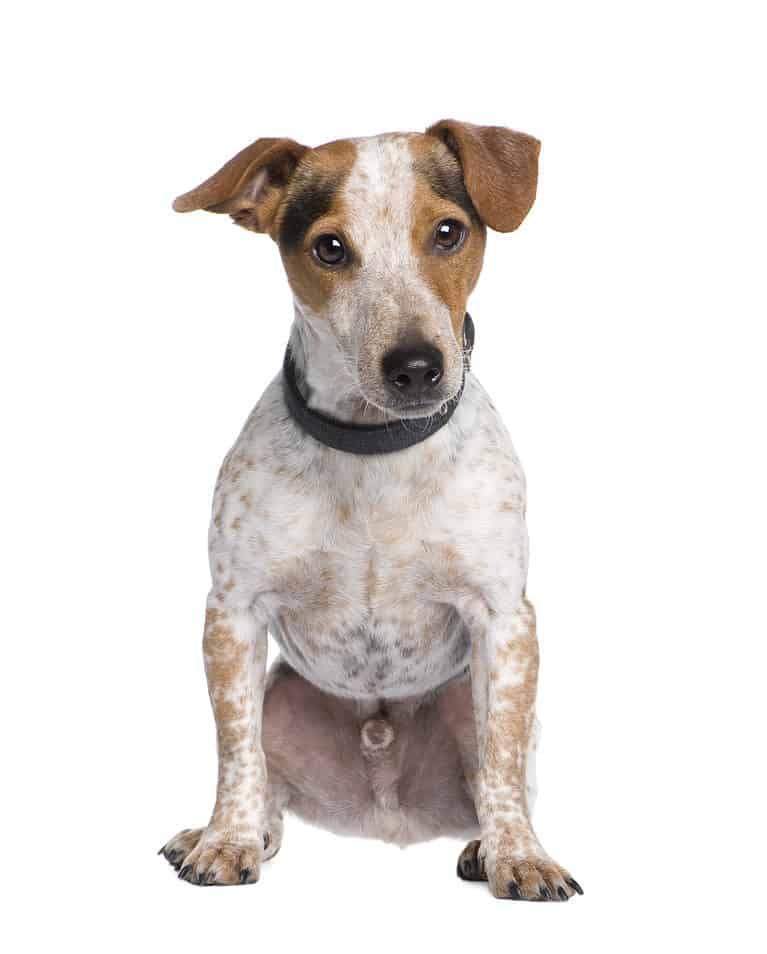
Jackshund isolated

The Jackshund is a cross between a Dachshund and a Jack Russell terrier.

Types of Dachshund Mixes

Crossbreeding these energetic dogs helps create even more adorable breeds that might not inherit their parents’ genetic health conditions. Take a look at some of these charming hybrids.

Doxle ( Dachshund and Beagle Mix)

The Doxle needs a loving home where its owners will reciprocate their affection. This is why these dogs tend to suffer from separation anxiety and should never be left alone for long periods. In addition, they are extremely energetic and need an active family to keep them fit and healthy. Finally, while Doxles do well with other dogs because both parent breeds are social, they do not like smaller animals because of their high prey drive.
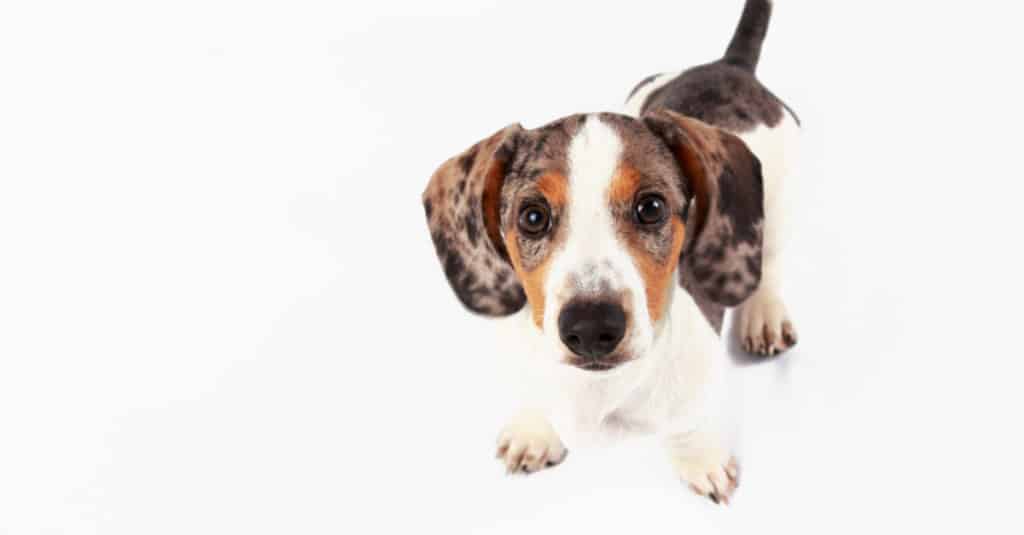
Tri-Colored Doxle Puppy

Doxle puppy with tri-color beagle markings.

Dorgi (Dachshund and Corgi Mix)

Crossbreeding the Dachshund and Corgi generally results in a long dog with short legs, with tons of energy. Therefore, owners must provide their Dorgi with plenty of physical and mental stimulation to keep them happy. These intelligent dogs are incredibly playful and have tons of personality, making them ideal for active families looking for loyal and loving pets.
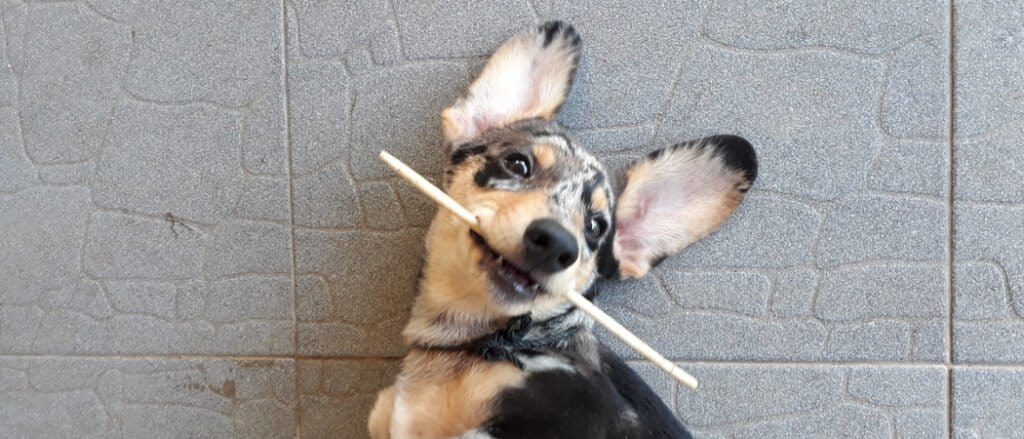
Dorgi puppy with stick in mouth

An adorable Dorgi puppy with a stick in its mouth.

Doxiepoo (Dachshund and Poodle Mix)

The Doxiepoo is a combination of a Dachshund and a poodle. The features of this hybrid vary widely, but they generally have long, low-slung bodies inherited from the Dachshund. In addition, they usually have the poodle’s curly coat. In a perfect world, your doxiepoo might inherit the poodle’s obedience and sense of humor, which should cancel out the Dachshund’s stubbornness. However, this mix could also be a combination of both the parent breed’s worst traits and health issues.
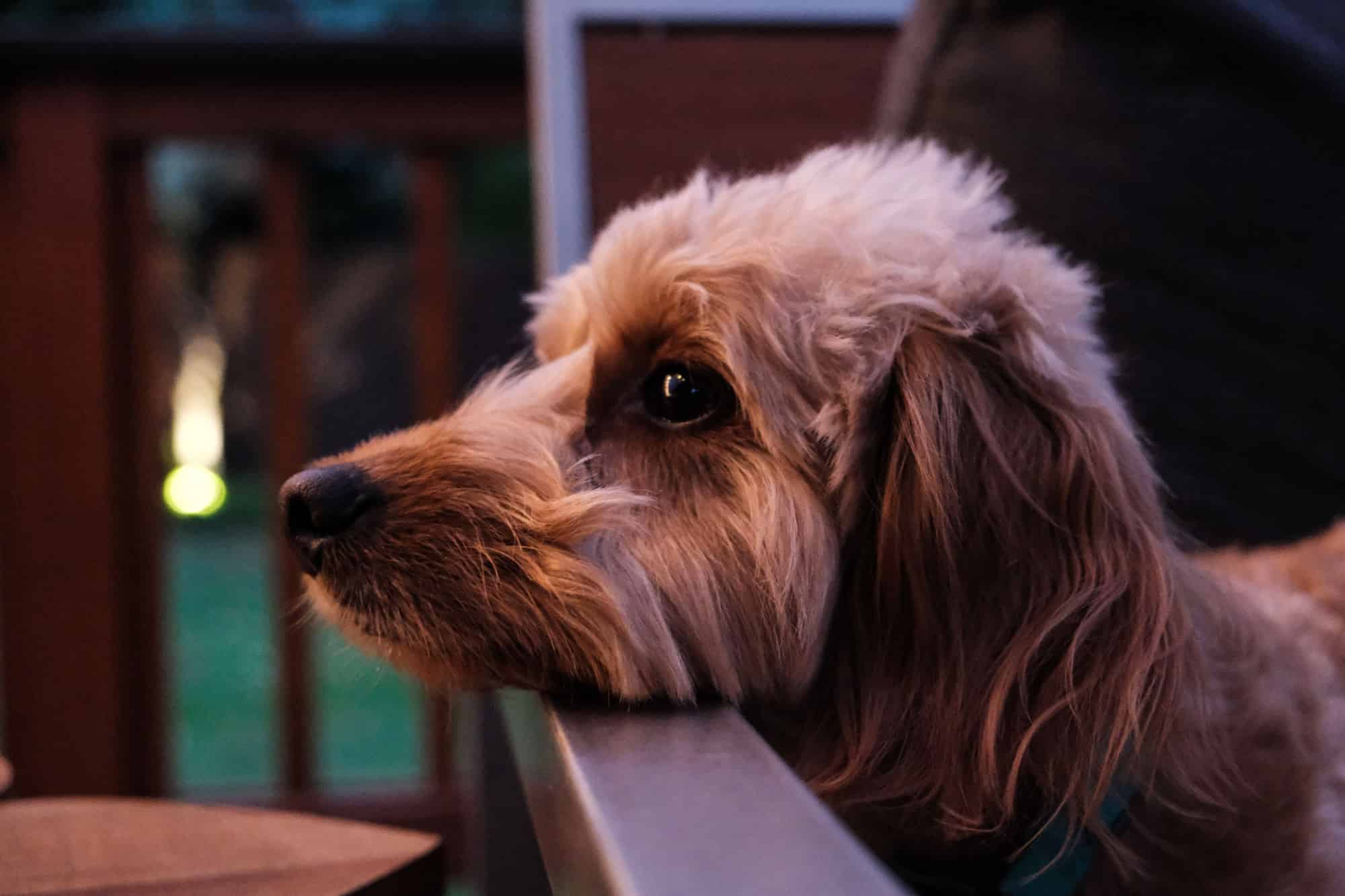
black and tan doxiepoo puppy

Doxiepoos make great apartment dogs.

Dorkie (Dachshund and Yorkshire Terrier Mix)

The Dorkie is a Dachshund and Yorkshire terrier mix, and they are fantastic dogs for seniors living in small homes or apartments, as they are not overly yappy. However, they also thrive in larger family settings with older children because they need a lot of attention.
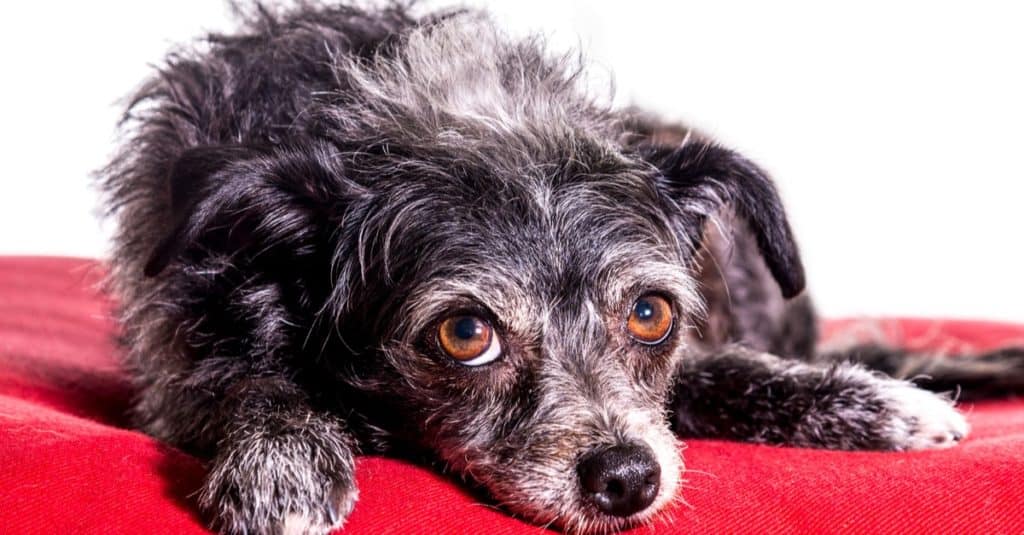
Dorkie lying on red blanket

Dorkies are a cross between a Dachshund and a Yorkshire terrier.

Pros and Cons of Owning a Dachshund Mix

ProsCons
Jackshund makes great watchdogsCan suffer from separation anxiety
They are suitable for large families, seniors, or singlesThis hybrid is stubborn and requires a lot of patience during training
The Jackshund is good with bigger dogsThey have a high prey drive and won’t get along with smaller pets

The Best Dog Food for a Dachshund Mix

Determining what dog food to feed your pet can always be challenging, and it can be even tougher for a mixed breed, as they can take after either parent. However, opting for high-quality dry dog food is always a safe choice. Therefore, premium kibble is a good option for your Jackshund, but ensure to purchase a brand suitable for its small size, age (either puppy, adult, or senior), and energy level (moderate or active).

It’s not only important to choose the right dog food, but you also need to ensure you are feeding your pup the correct quantity. Unfortunately, this Dachshund mix is prone to obesity, so overfeeding them is detrimental to their health. Therefore, to prevent rapid weight gain, avoid free feeding. Instead, feed your Jackshund three to four small meals a day.
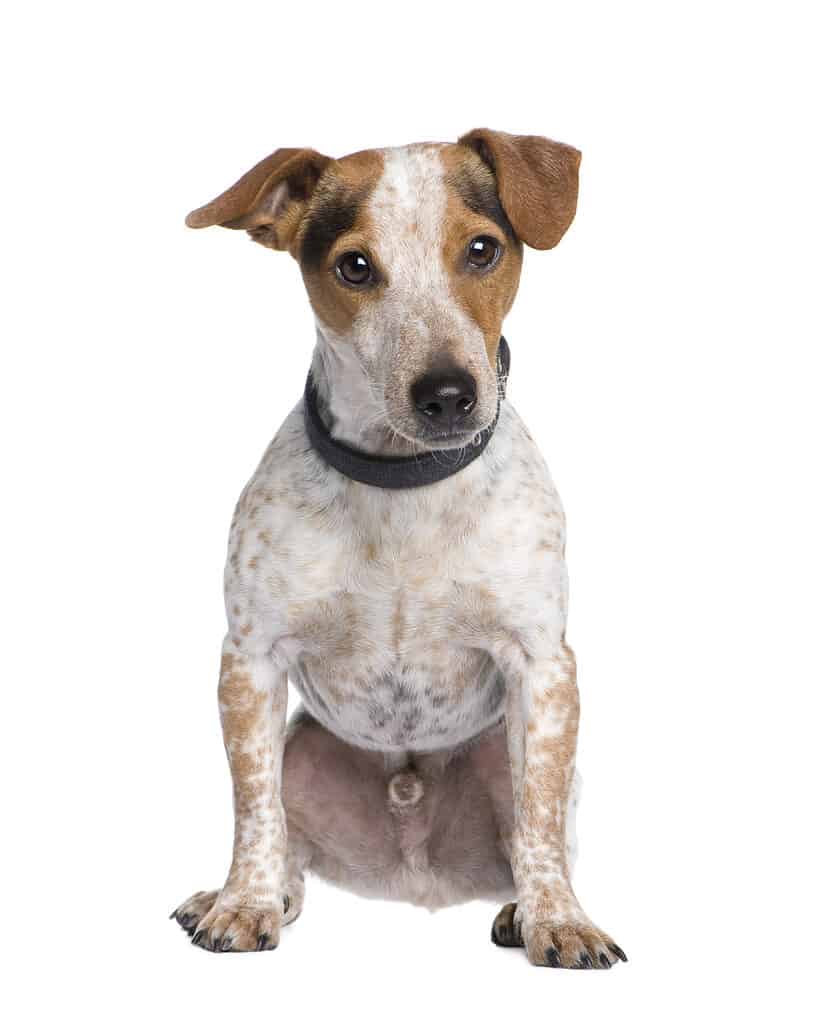
Size and Weight

The Jackshund varies in size but generally weighs between 15 and 28 pounds. Depending on the parent they take after, they can be either small or medium-sized dogs, so their height ranges from 8 to 13 inches.
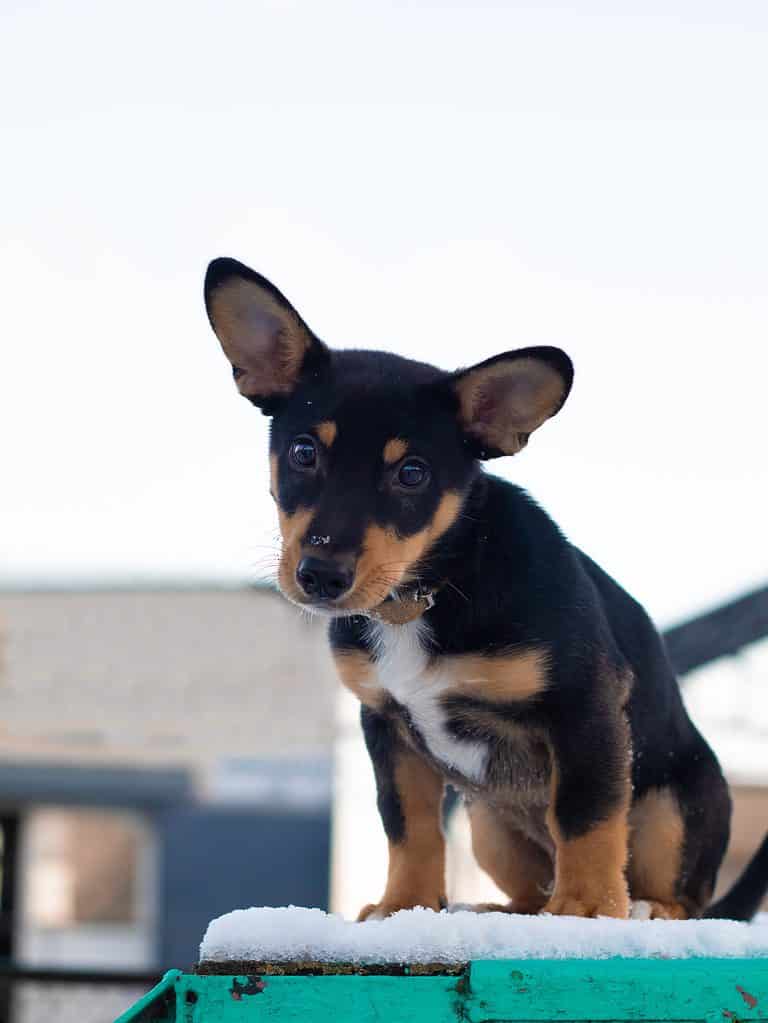
Jackshund with large ears

The Jackshund has a lot of energy and requires active owners.

Common Health Issues

While Dachshund mixes are generally healthier than their purebred parents, they are prone to a few health conditions. However, it’s always best to find a reputable breeder as they ensure there is no inbreeding and fewer congenital health issues. But this doesn’t make the Jackshund invincible, and they are still susceptible to diabetes, Intervertebral disc disease, and epilepsy. In addition, if they take after Jack Russells, the Jackshund may be plagued by eye issues, hip dysplasia, patellar luxation, and Legg-Calve-Perthes syndrome.

Life Expectancy

Since the Jackshund is a relatively healthy breed, they have long lifespans and can live between 12 and 15 years.

Temperament

A Jackshund does really well in environments with lots of adventure due to its playful and intelligent nature. However, their innocent curiosity can often land them in trouble. Their favorite activities are exploring the outdoors, playing with puzzle toys, or running around with children. However, they are generally not suited for multi-pet homes because of their high prey drive, which they inherit from both parent breeds. Therefore, they will likely chase any animal smaller than them, like squirrels, cats, birds, and rabbits.

While these Dachshund mixes have plenty of energy, they also enjoy relaxing on their owner’s laps and will insist on lots of cuddles. In addition, they are devoted to their families and will usually attach themselves to a particular person. However, if socialized from a young age, they can form strong bonds with the entire family.

How to Take Care of a Dachshund Mix

Taking care of a Jackshund is relatively easy for active pet owners. However, this does not mean they don’t need any assistance. These dogs still need grooming, exercise, training, and lots of affection.

Grooming

Jackshunds’ grooming routine will depend largely on what coat type they have. For example, the long-haired Dachshund mix requires daily brushing to prevent debris buildup and matting. However, the short-haired Jackshund only needs a quick brush once a week. In addition, brushing their teeth with dog-friendly toothpaste at least three times a week will keep their teeth clean and healthy. Lastly, their nails must be clipped every three months, or once they start touching the ground.

Training

Due to the Jackshund’s intelligence, they are always up for a challenge and are extremely easy to train. They can thank their parents for their smarts, as both breeds started out as working dogs due to their intelligence and grit. However, this Dachshund mix also inherits some negative traits from its parents, including stubbornness. But luckily, this characteristic does not make it harder to train them; it only takes a bit more patience. Therefore, to successfully train this hybrid, you need to rely on positive reinforcement using treats and praise as motivation.

If your Jackshund pup is similar to the Jack Russell, it will likely be an overachiever and will excel at training. It will learn new tricks extremely fast and really enjoy the sessions. Therefore, start with basic training and obedience, then move to tricks or sports like flyball and agility. In addition to training, these hybrids need socialization from an early age to ensure they get along with other family pets, children, and strangers.

Exercise

These Dachshund mixes are lively and playful, which reflects their active natures. However, their abundance of energy needs to be released every day, and if they do not get rid of this energy supply, they can develop destructive behaviors.

Generally, Jackshunds need around 30 to 60 minutes of exercise a day, which will keep them content and tired. This could include long walks, high-intensity games like fetch, or playtime in a dog park. In addition, these hybrids need their exercise to be challenging and intensive, which is why they excel at dog sports like agility and flyball. However, while the Jackshund is more active than most medium-sized breeds, it is not one of those high-maintenance active breeds. Therefore, they are perfectly happy living in apartments, but only if their owners commit to a regular exercise program and lots of outdoor time. They are even great dogs for seniors as long as they receive daily walks, games of fetch, and lots of affection.

Puppies

Female Jackshunds can give birth to litters of one to six puppies. These pups are lively, full of energy, and ready for action, which is the ideal time to start training, as these dogs are prone to chewing or climbing all over you and your guests. Furthermore, this will give your pup the attention they so crave and help you bond.

Dachshund Mix and Children

The Jackshund is a great breed to have around children as they are incredibly loving, and their high energy levels allow them to keep up with rambunctious kids. In addition, their curiosity and need for adventure will keep your children busy for hours on end.

Dachshund Mix Cost

The minimum cost of a Jackshund from a reputable breeder is typically around $1,200 to $2,200. However, this price can vary based on your geographical location, the breeder, and pedigree. Therefore, red flags should go up if you find this Dachshund mix for less than this. Puppy mills will often charge less, but they do not screen their breeding pairs for congenital health issues and don’t have any problem with inbreeding, which results in sickly puppies. Because the Jackshund is such a rare breed, you will not likely find one in a shelter. However, you can visit your local rescue and ask them to contact you if they come across one. Alternatively, you can try to contact dedicated Dachshund or Jack Russell rescues, as they focus on those breeds and their hybrids.

View all 450 animals that start with D

Sources

  1. Dachshund Station / Accessed December 30, 2022
  2. Pet Guide / Accessed December 30, 2022
  3. Alpha Paw / Accessed December 30, 2022
Chanel Coetzee

About the Author

Chanel Coetzee

Chanel Coetzee is a writer at A-Z Animals, primarily focusing on big cats, dogs, and travel. Chanel has been writing and researching about animals for over 10 years. She has also worked closely with big cats like lions, cheetahs, leopards, and tigers at a rescue and rehabilitation center in South Africa since 2009. As a resident of Cape Town, South Africa, Chanel enjoys beach walks with her Stafford bull terrier and traveling off the beaten path.
Connect:

Thank you for reading! Have some feedback for us?


Dachshund Mix FAQs (Frequently Asked Questions)

This will come down to personal preference, but there are several Dachshund mixes that are incredibly cute, like the Doxle, Dorgi, Doxiepoo, and Dorkie.