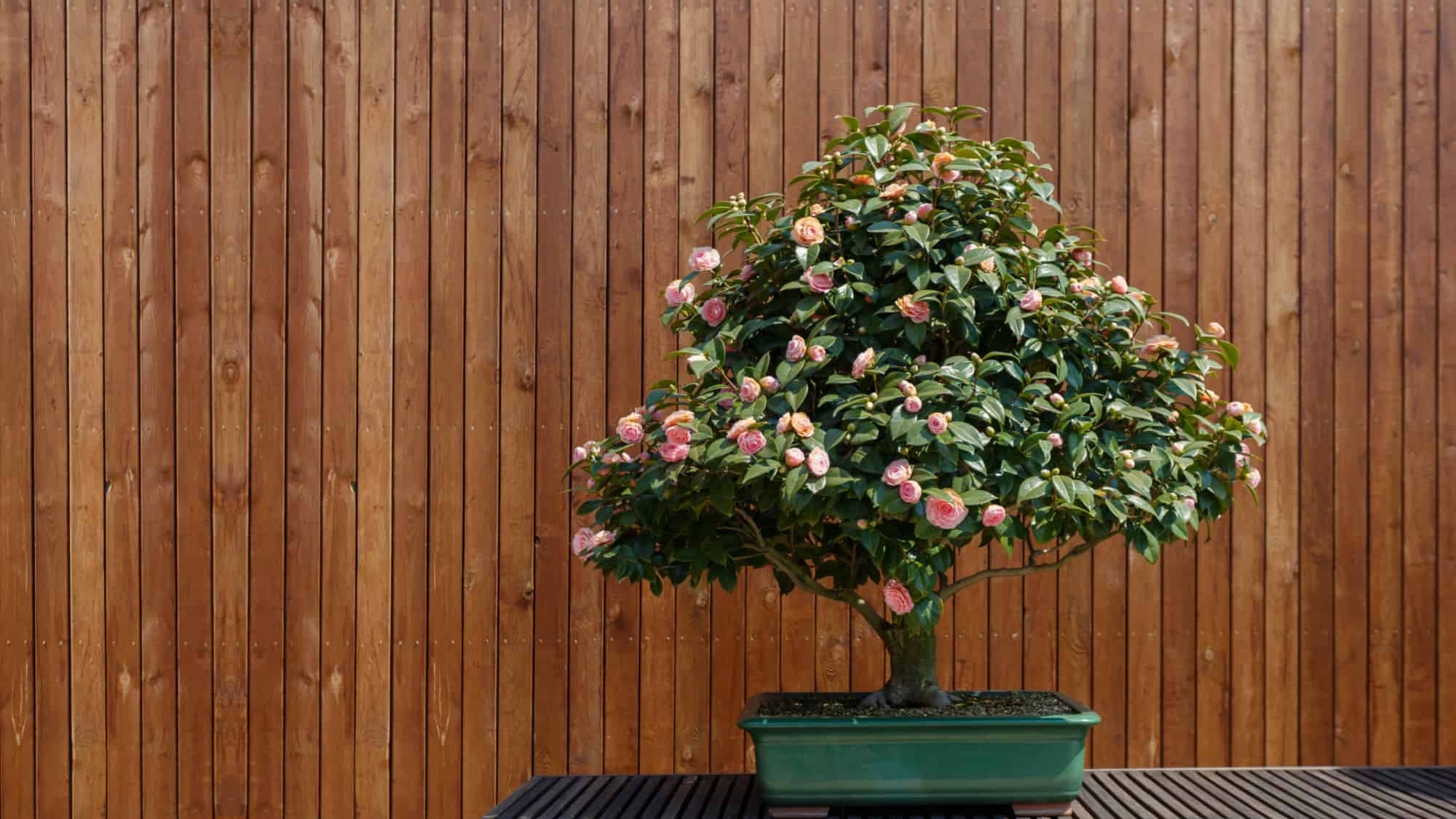

Roses are one of the most popular flowers in the world. It is no wonder why: they are beautiful and delicate, with a sweet, recognizable scent. In a bouquet, they symbolize love and romance, which makes them a favorite in the florist community. But did you know that you can also grow a rose plant as a Bonsai tree?
Growing roses can be difficult because they are known to be particular about their care and growth conditions. This is still true for rose Bonsai plants. But they are not impossible to grow! In the guide below, we’ve outlined everything you need to know to grow a rose Bonsai tree.
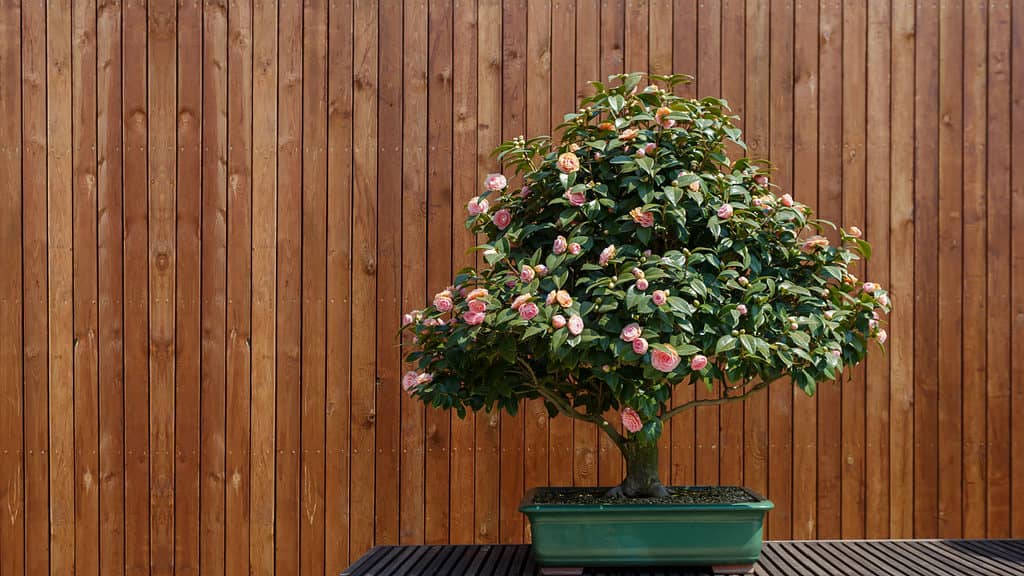
Rose plants can be grown as Bonsai trees with patience and care, which is why they are not often recommended for beginners.
©Butsaya/Shutterstock.com
| Rose Bonsai Tree Information | |
|---|---|
| Botanical Name | Rosa rubiginosa |
| Common Types | Tea Roses, Polyantha Roses, English Roses, Floribunda Roses, Grandiflora Roses, Shrub Roses, Miniature Roses |
| Sunlight | Full sun, though some types can tolerate partial sun. |
| Soil | Moist and well-draining. |
| Water | Moist and kept from drying out |
| For Beginners? | Intermediate to advanced, though some rose types require less maintenance than others |
| Indoors or Outdoors? | Outdoors |
| Pairs Well With… | Moss and rocks |
Common Types of Rose Bonsai Trees
Since there are about 250 species of roses, experts have divided them into three different categories. These categories are Old Garden Rose, Wild Rose, and Modern Garden Rose. Understanding the differences between these categories can help you choose the right rose for your rose Bonsai tree!
Old Garden Roses are different from Modern Garden Roses in that they only bloom once a year. The rose species in this category have been around since before 1867. As such, they have evolved to become hardy plants. They are known for being resistant to diseases, as well.
Wild Roses do not have the history of cross-breeding that modern roses tend to have. They also look much different from both Old Garden Roses and Modern Garden Roses. For starters, they are almost always pink in color. They have much fewer petals than the other two categories, which makes them look more open.
Modern Garden Roses started to be bred and grown after 1867. They bloom throughout the year and have a bigger bloom than Old Garden Roses. They also live longer when cut and put into vases. However, they are not as tough as Old Garden Roses.
Here are some of the most common types of roses that can be grown as Bonsai trees!
Tea Roses
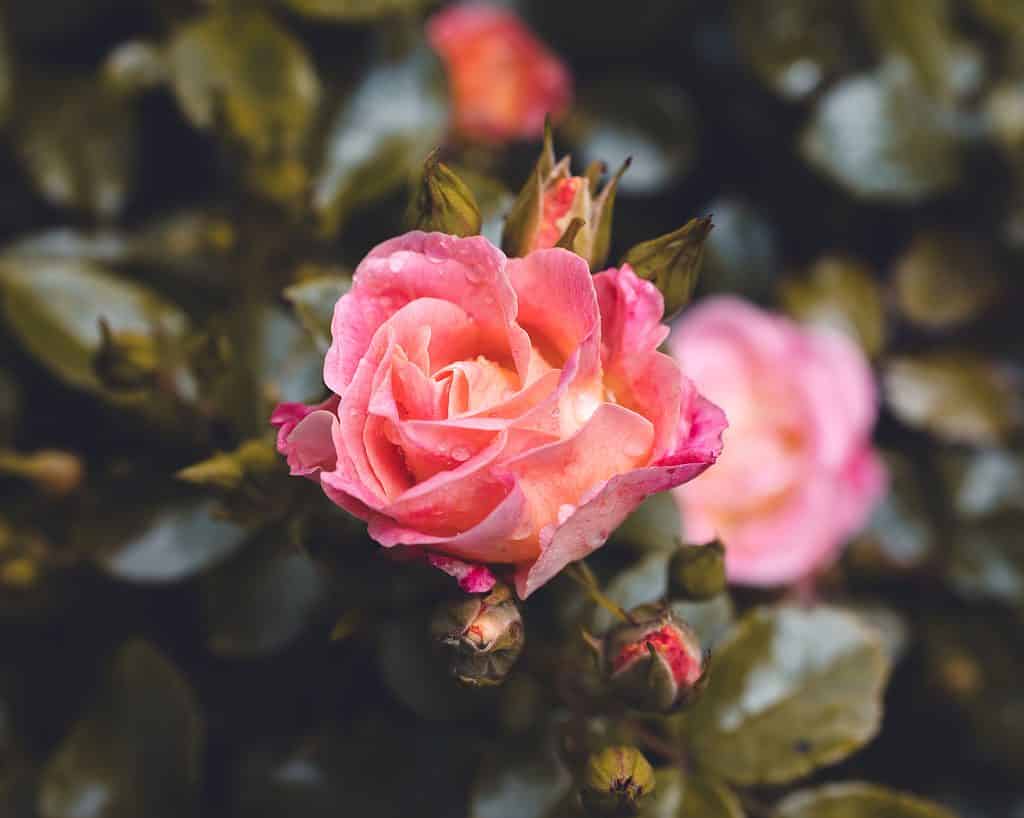
Originating, in China, tea roses have many different colors that would be a lovely addition to any Bonsai tree garden!
©iStock.com/Wirestock
Tea roses originated in China and are considered to be Old Garden Roses. These flowers are often what we think of when we think of roses and how they should look. This is because today, tea roses are the most commonly used type of rose in the florist community. Initially, tea roses were yellow in color but they have since been bred to be different colors. These colors include white, apricot, and pink.
Tea roses thrive best beneath at least six hours of sunlight per day. They can tolerate different types of soil as long as the soil is well-draining.
Polyantha Roses
Polyantha roses are considered to be Old Garden Roses. Because of this, they are rather hardy. These plants are known for being small and compact, which makes them a great option for Bonsai trees. The flowers on these plants re-bloom and can come in a wide variety of colors, including white, cream, pink, and red.
Polyantha roses thrive best in full sun, though they can tolerate partial shade as well. As for soil, Polyantha roses need moist, well-draining soil.
English Roses
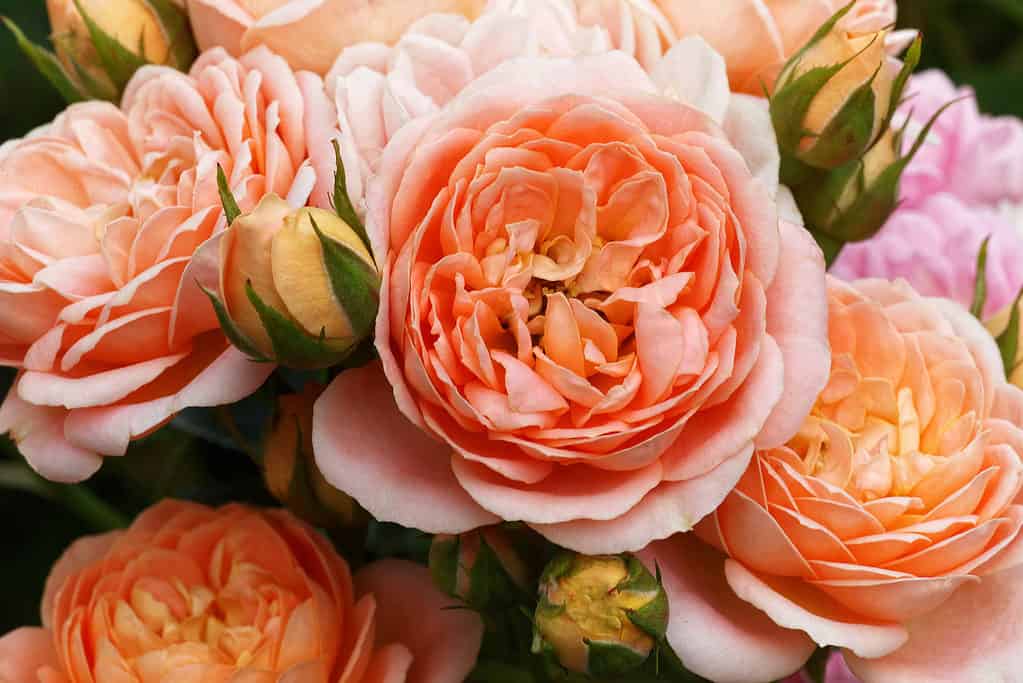
A Modern Garden rose, English roses are tough, which makes them easier to prune and manipulate.
©MaCross-Photography/Shutterstock.com
English roses are a Modern Garden Rose. Despite this, they are rather tough. They are resistant to diseases, too. When planted naturally, most English roses take on a shrublike appearance.
English roses thrive best beneath full sun for at least six hours a day, though they can grow well in part sun as well. They can tolerate different types of soil as long as the soil is well-draining. To help your English rose grow stronger, water it often!
Floribunda Roses
Floribunda roses are considered to be Modern Garden Roses. They came about from breeding hybrid tea roses with polyantha roses. The blooms on Floribunda roses don’t usually have a scent, but they do last for a long time. They thrive best beneath full sun in moist soil that drains well.
Grandiflora Roses
Grandiflora roses are considered to be Modern Garden Roses. They came about from breeding hybrid tea roses with floribunda roses. They are very similar to their parent hybrid tea roses in appearance, but the blooms on these plants come in clustered together. Grandiflora roses thrive best in well-draining soil, beneath full sunshine.
Shrub Roses
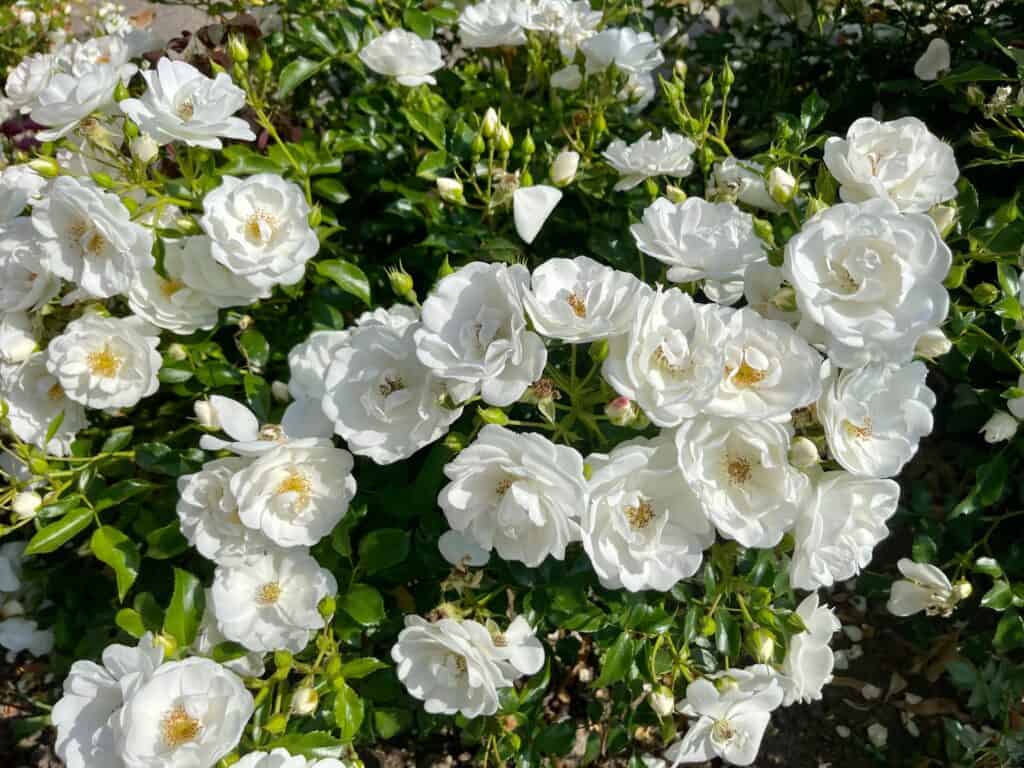
The smaller blooms on these roses make them ideal for Bonsai tree art, giving you smaller flowers than other rose species!
©Olga Ganovicheva/Shutterstock.com
Shrub roses are considered to be Modern Garden Roses. This category of roses is broad in and of itself, as climbing roses, ground cover roses, and other types in between are considered to be shrub roses. As a whole, these roses are easier to grow than other varieties, especially Old Garden roses. The smaller blooms and compact, intricate branching system of most of these roses make them suited for Bonsai tree art.
Shrub roses, as a whole, thrive best in full sun and well-draining soil.
Miniature Roses
Miniature roses are considered to be Modern Garden Roses. As the name suggests, they only grow up to 10 inches or so, which makes them perfect for Bonsai tree art! Miniature roses are known for being especially hardy, even in the winter. These plants thrive best beneath full sun and love being planted in rich, well-draining soil.
Caring for Your Rose Bonsai Tree
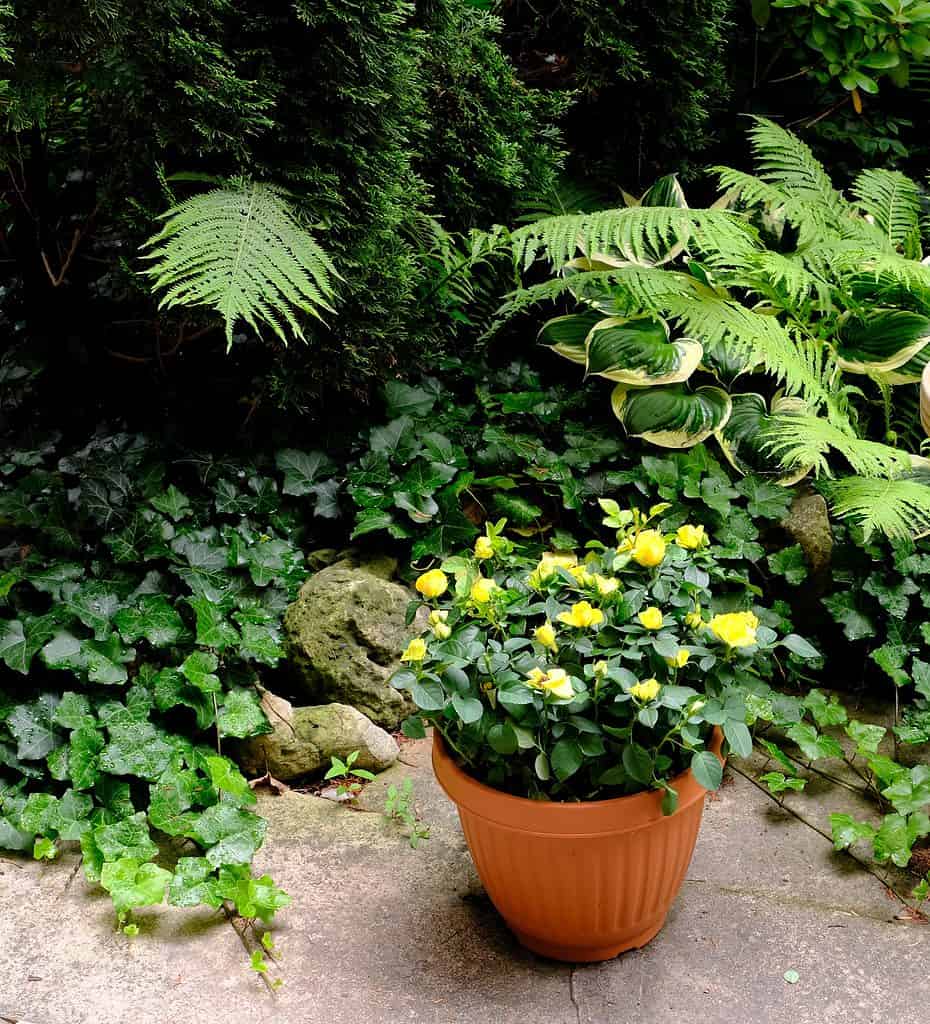
Growing rose Bonsai trees can take patience, but the pay-off is more than worth it when you see it in bloom!
©Nancy Salmon/Shutterstock.com
Roses are known to be especially finicky and difficult to take care of sometimes, making them unwise for beginners. This is true even when planting them as Bonsai trees. With enough patience and know-how, though, your rose Bonsai tree will grow its best!
Sunlight
As a general rule of thumb, all roses do best when planted or placed in an area where they get a lot of sunshine. At least six hours of sunlight a day helps them grow strong. Some types of roses can grow in part sun or partial shade, but generally, these plants do not produce a large number of blooms. Sometimes when it is especially hot, it is a good idea to keep your rose plant away from direct sunlight. But since roses don’t suffer too much beneath hot, direct sunlight, you don’t always need to do this!
Soil Type
Some rose types can tolerate different varieties of soil. Others need a specific type of soil in order to thrive. As a whole, most roses need moist, cool, well-draining soil. Thankfully, the specialty soil made for Bonsai trees has been designed to drain well.
Water
In general, most roses need at least 1” of water a week. This can be achieved by watering the plants yourself or placing them where rain will find them. In the summer, it is usually a good idea to give them extra water to keep them from drying out. As always with Bonsai trees, make sure to keep your rose Bonsai tree moist and well-watered. Don’t let it dry out!
Placement
Roses grow their best when placed beneath full sun. When planted naturally, or in larger pots, they can survive cold or even freezing temperatures but for rose Bonsai trees you’ll want to protect them from the worst of the winter months. Certain types of roses can also be susceptible to strong, harsh winds. Keeping your rose Bonsai tree in a cool place free of frost and wind in the winter will keep it growing strong!
Pruning Your Rose Bonsai Tree
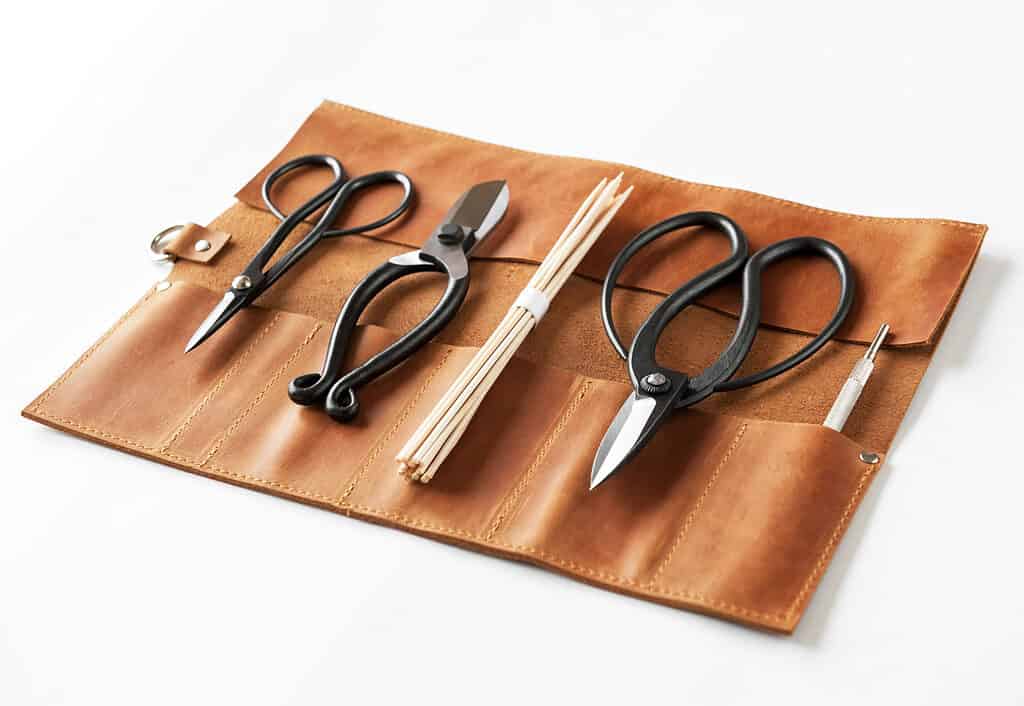
Since roses are used to be pruned in gardens, they are sometimes easier to prune as Bonsai trees than other plants.
©Olena Antonenko/Shutterstock.com
As a whole, roses are used to being pruned! When planted in gardens, they need regular pruning to make sure they grow their best. This means that they are better suited for Bonsai tree art than other plants and flowers, but that doesn’t mean that they will take to it perfectly.
On average, the trunks of rose plants are not thick which can make it difficult to grow them as Bonsai trees. As they age, the stems can grow brittle and weak too. It is still possible to prune these older plants, but doing so requires much care and attention!
It is best to prune rose Bonsai trees in the early spring when they are dormant. When they begin to bloom again, let these blooms and new shoots grow as normal. But after the shoots have flowered you can trim them back if you wish to create a condensed appearance.
Ideal Rose Bonsai Tree Styles
On average, the most common style for rose Bonsai trees is the style of Chokkan. This is known as the formal upright style. Because rose Bonsai trees can be difficult to shape, this style is the most common. However, rose Bonsai trees can also be grown in the Sokan style. This style consists of the tree being split into two distinct trunks.
Propagating Your Rose Bonsai Tree
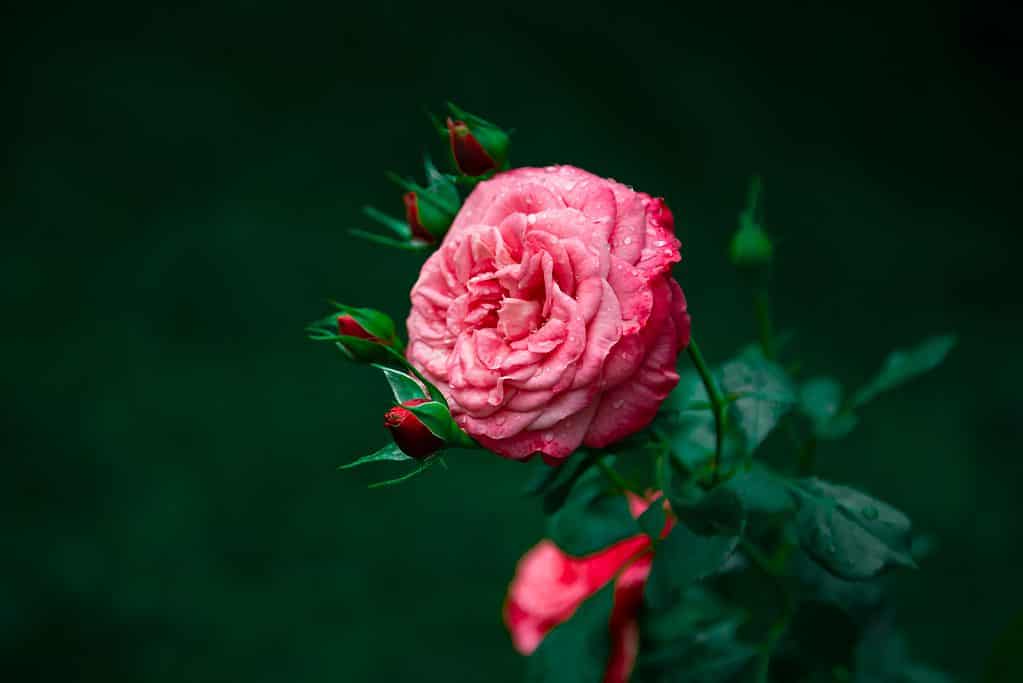
Rose Bonsai trees can be propagated from cuttings, or grown from roses in your garden.
©Viktoria UA/Shutterstock.com
Rose Bonsai trees can easily be propagated from cuttings. The best time to do this is in the summer.
It is possible to use already growing, but not yet established, rose plants from a garden and grow those as Bonsai trees. However, this takes a lot of skill and patience for them to grow properly.
Common Problems with Rose Bonsai Trees
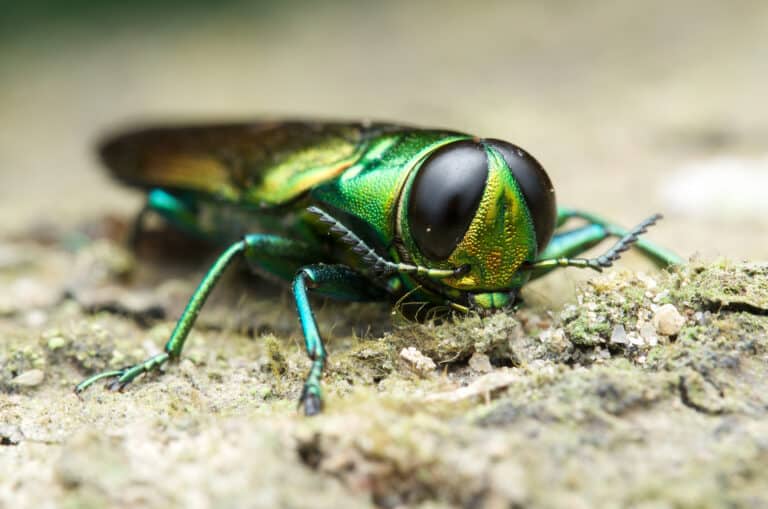
While being known for being difficult to care for, roses are also known for being susceptible to pests and diseases. This is also true of rose Bonsai trees. Pests that love roses include aphids, Japanese beetles, spider mites, and sawfly, among many others. Diseases that can attack your rose Bonsai tree include botrytis blight, powdery mildew, black spot, and stem cankers.
It is important to identify what exactly is wrong with your rose Bonsai tree so that you can help it and treat it correctly. One way of solving these issues is by using targeted pesticides.