
S
Species Profile

Sumatran Elephant

Elephas maximus sumatranus

Sumatra's gentle forest giant
Midori / Creative Commons

Sumatran Elephant Distribution

Click a location to explore more animals from that region

Endemic Species
Loading map...

Found in 1 country

Size Comparison

Human 5'8"
Sumatran Elephant 7 ft 7 in

Sumatran Elephant is 1.3x the height of an average human.

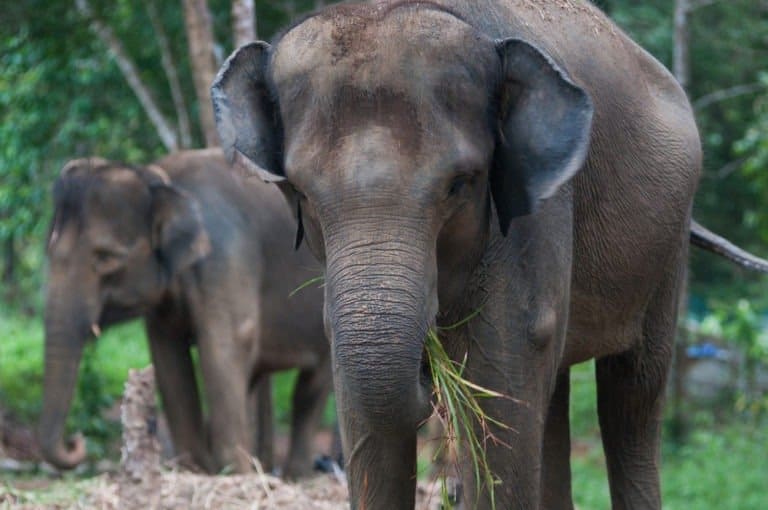
Sumatran elephant

At a Glance

Wild Species
Also Known As Asian elephant, Asiatic elephant, Gajah, Pachyderm, Elephant
Diet Herbivore
Activity Cathemeral+
Lifespan 60 years
Weight 3500 lbs
Did You Know?

Taxon: Elephas maximus sumatranus (Asian elephant subspecies), endemic to Sumatra, Indonesia; distinct from African elephants (genus Loxodonta).

Scientific Classification

A subspecies of the Asian elephant native to the Indonesian island of Sumatra, generally smaller and with relatively straighter tusks (when present) compared with some other Asian elephant subspecies; populations are highly fragmented.

Kingdom
Animalia
Phylum
Chordata
Class
Mammalia
Order
Proboscidea
Family
Elephantidae
Genus
Elephas
Species
Elephas maximus

Distinguishing Features

  • Asian elephant subspecies endemic to Sumatra
  • Generally smaller body size than some other Asian elephant subspecies
  • Domed head with twin forehead bulges typical of Asian elephants
  • Smaller ears than African elephants
  • Tusks variably present; many females tuskless

Physical Measurements

Males and females differ in size

Height
7 ft 10 in (6 ft 7 in – 9 ft 2 in)
7 ft 1 in (6 ft 7 in – 7 ft 7 in)
Length
21 ft 12 in (19 ft 8 in – 24 ft 7 in)
Weight
3.3 tons (2.2 tons – 4.4 tons)
2.4 tons (2.0 tons – 3.0 tons)
Tail Length
3 ft 11 in (3 ft 3 in – 4 ft 11 in)
4 ft 5 in (3 ft 11 in – 4 ft 11 in)
Top Speed
16 mph
running

Appearance

Primary Colors
Secondary Colors
Skin Type Thick, sparsely haired, heavily wrinkled skin; coarse bristles on head, back, and tail.
Distinctive Features
  • Subspecies: Elephas maximus sumatranus (Asian elephant), endemic to Sumatra, Indonesia.
  • Adults typically smaller than many mainland Asian elephant populations; shoulder height commonly ~2.0-2.8 m (males) and ~1.8-2.4 m (females) (ranges reported in regional field summaries; see Sukumar 2003; IUCN Asian elephant accounts).
  • Adult Asian elephant mass is commonly reported at about 3,000-5,000 kg for males and about 2,000-3,000 kg for females; Sumatran elephants are generally toward the lower end of these ranges (Sukumar 2003; Nowak 1999).
  • Ears relatively small and rounded compared with African elephants (Loxodonta); back often gently convex rather than strongly saddle-backed.
  • Trunk tip has a single 'finger' (Asian elephant trait), unlike African elephants which have two.
  • Tusks: males may have comparatively straighter, shorter tusks; many females are tuskless or have small 'tushes' (Sukumar 2003).
  • Depigmentation mottling (pink patches) commonly visible on trunk, ears, and face; intensity varies among individuals.
  • Behavior: matriarchal family groups; adult males more solitary or in loose bachelor associations; males exhibit musth with temporal gland secretion and increased roaming (Sukumar 2003).
  • Daily activity includes extensive browsing/grazing and frequent dust-bathing and mud-wallowing for thermoregulation and ectoparasite control (Sukumar 2003).
  • Longevity: commonly ~48-60 years in the wild, with exceptional individuals reaching ~65-70+ years, especially under protected/captive conditions (Sukumar 2003; Nowak 1999).
  • Smaller-bodied than other Asian elephant subspecies, often with relatively larger ears (a common field mark used to distinguish Sumatran elephants).

Sexual Dimorphism

Adult males are larger and more robust, with thicker neck/forehead and musth periods. Tusks are more developed and more frequently present in males; females are usually tuskless or have small tushes.

  • Larger shoulder height and body mass; broader head and thicker neck muscles.
  • Musth occurs in sexually mature males, with temporal gland secretion and urine dribbling.
  • Tusks more likely present and larger when present; straighter appearance often noted in this subspecies.
  • More solitary ranging behavior outside breeding periods.
  • Smaller overall size; typically more slender head/neck profile.
  • Usually tuskless or with very small tushes.
  • Core of matriarch-led family groups with calves and subadults.
  • Lactation and calf-guarding behaviors prominent; strong allomothering within groups.

Did You Know?

Taxon: Elephas maximus sumatranus (Asian elephant subspecies), endemic to Sumatra, Indonesia; distinct from African elephants (genus Loxodonta).

Typical adult size (reported for Sumatran elephants, generally smaller than mainland Asian elephants): males ~2.0-2.6 m shoulder height and ~2,000-4,000 kg; females ~1.8-2.3 m and ~1,500-3,000 kg (values commonly reported in Asian-elephant references and conservation profiles; subspecies-wide morphometric datasets are limited).

Pregnancy is one of the longest among mammals: ~20-22 months for Asian elephants (species-level data applied to Sumatran elephants).

Elephant teeth are "conveyor-belt" molars: typically 6 sets of molars erupt and wear out sequentially through life (species-level; documented across Asian elephants).

Most females have no visible tusks (may have small "tushes"); tusks are more common in males, and Sumatran males are often described as having relatively straighter/slimmer tusks when present (field descriptions; variable among individuals).

Elephants communicate with very low-frequency sound (including infrasonic components below ~20 Hz), which can travel long distances through air and ground-key for keeping contact in dense forest (demonstrated in elephant bioacoustics studies).

Unique Adaptations

  • Trunk dexterity: the Asian elephant trunk ends in a single "finger" (African elephants have two), aiding precise grasping of leaves, bark, and fruit in forest understory.
  • Forest-leaning build: compared with African savanna elephants, Asian elephants (including the Sumatran subspecies) typically have smaller ears and a more domed head-traits associated with heat exchange and lineage differences, and useful in shaded, humid forests.
  • Quiet movement on soft pads: thick, fatty foot pads distribute weight and dampen sound-helpful for long-distance walking on forest soils and for moving through dense vegetation.
  • Long-distance low-frequency communication: sensitivity to low-frequency sound and vibration supports coordination when visibility is limited in rainforest and swamp forest.
  • Sequential molar replacement: multiple molar sets allow a lifetime of processing abrasive vegetation; late-life tooth wear can become a limiting factor in very old elephants.

Interesting Behaviors

  • Matriarchal family groups: related females and calves travel together; mature males are more solitary or form loose bachelor associations (typical Asian elephant social system).
  • Musth in males: periodic condition with heightened sexual activity and elevated aggression/roaming; associated with temporal-gland secretions and urine dribbling (well-described in Asian elephants).
  • Forest foraging and "edge" use: in Sumatra's fragmented landscapes, groups often move between forest blocks, riverine corridors, and plantation edges-raising human-elephant conflict risk (widely reported in Sumatra).
  • Dust/mud bathing and rubbing: coats skin to reduce biting insects and provide sun protection; followed by rubbing on trees to scrape off dried mud and parasites.
  • Salt and mineral seeking: visits to natural salt licks/mineral soils (especially important in inland forests) to supplement sodium and other minerals.
  • Calf-allomothering: juveniles and adult females other than the mother help guard, guide, and occasionally assist calves over obstacles-important in cohesive herds.

Cultural Significance

The Sumatran elephant (Elephas maximus sumatranus) in Sumatra and the Malay world stands for royal power, strength, and protection. Once used in royal ceremonies, it is now a symbol for saving wildlife and is shown in Ganesha images that link elephants with wisdom and protection.

Myths & Legends

The mouse-deer and the elephant: in widely told Indonesian and Malay folktales (including Sumatran versions), a clever mouse-deer outwits a powerful elephant, teaching humility and resourcefulness.

In Sumatra and Java, Ganesha stories make the elephant (Elephas maximus sumatranus) a remover of obstacles and guardian of knowledge; temple art and local stories keep this link alive.

Acehnese and highland White Elephant legends: regional stories in northern Sumatra recount the appearance or discovery of a sacred white elephant as an omen for leadership, legitimacy, or the founding of a place.

Malay courtly symbolism of elephants: in Malay historical literature and oral tradition, elephants appear in royal processions, omens, and tests of kingship-narratives where an elephant's behavior signals rightful rule or impending change.

Conservation Status

CR Critically Endangered

Facing an extremely high risk of extinction in the wild.

Population Decreasing

Protected Under

  • Indonesia Law No. 5/1990 (Conservation of Living Natural Resources and their Ecosystems)
  • Indonesia Government Regulation No. 7/1999 (Preservation of Plant and Animal Species)
  • Indonesia Minister of Environment and Forestry Regulation P.106/2018 (Protected Species List)
  • CITES Appendix I (Elephas maximus)

Life Cycle

Birth 1 calf
Lifespan 60 years

Lifespan

In the Wild
50–70 years
In Captivity
40–75 years

Reproduction

Mating System Promiscuity
Social Structure Transient
Breeding Pattern Transient
Fertilization Internal Fertilization
Birth Type Internal_fertilization

Sumatran elephant mating is promiscuous: musth males temporarily join female family groups, compete with rival males, and mate with receptive females without pair-bonds. Females may mate with multiple males; calves are cared for within matriarchal groups with frequent allomaternal help.

Behavior & Ecology

Social Herd Group: 4
Activity Cathemeral, Crepuscular, Nocturnal
Diet Herbivore Young grasses and other high-moisture, nutrient-rich graminoids; seasonally, ripe forest fruits (notably figs, Ficus spp.) when abundant.

Temperament

Matrilineal groups are typically cohesive and risk-averse; vigilance increases in human-dominated landscapes (common across Sumatra's fragmented populations).
Adult males show increased aggression and roaming during musth; musth is characterized by temporal-gland secretion and urine dribbling (Poole, 1987; Sukumar, 2003).
Calves are defended vigorously; females may perform coordinated charges/bluff displays when threatened (Sukumar, 2003).
Foraging is largely opportunistic and socially facilitated; individuals spread out while maintaining contact via low-frequency calls (Payne et al., 1986; Sukumar, 2003).

Communication

Low-frequency rumbles Including infrasonic components ~14-35 Hz) for long-distance contact and group coordination (Payne et al., 1986
Trumpets associated with excitement, alarm, or aggression; often during disturbances or play Sukumar, 2003
Roars/screams and loud calls during high arousal Threats, separation, or intense social interactions) (Sukumar, 2003
Calf distress calls elicit rapid protective responses from adults Sukumar, 2003
Chemical signaling via temporal-gland secretions Especially in musth males) and urine/feces cues for reproductive status (Poole, 1987; Sukumar, 2003
Tactile communication: trunk touches, body rubbing, and reassurance contact within family units Sukumar, 2003
Seismic/ground-borne signaling coupled with low-frequency rumbles, detected through feet and trunk Payne et al., 1986; O'Connell-Rodwell, 2007
Visual signals: ear spreading, head-high posture, mock charges, and following/leading movements during travel Sukumar, 2003

Habitat

Biomes:
Tropical Rainforest Wetland Freshwater
Terrain:
Island Plains Hilly Mountainous Valley Riverine Coastal Muddy +2
Elevation: Up to 6889 ft 9 in

Ecological Role

Forest megaherbivore and keystone ecosystem engineer in Sumatran lowland and hill forests; major seed disperser and vegetation modifier.

Long-distance seed dispersal (endozoochory) for many large-fruited tree species, aiding forest regeneration and gene flow across fragments Creation and maintenance of gaps, trails, and edge habitats through browsing, tree pushing, and trampling, which alters understory light and plant community structure Nutrient cycling via high-volume dung deposition, increasing soil fertility and supporting dung beetles and associated food webs Promotion of plant diversity by reducing dominance of some woody plants and facilitating early-successional vegetation Hydrological and habitat effects through use of river margins/swamps and formation of paths that influence water movement and access for other animals

Diet Details

Other Foods:
Grasses Sedges and other graminoids Browse Tree bark and cambium Palms Bamboo Fruits Roots/tubers excavated with trunk/forefeet Aquatic and semi-aquatic plants Cultivated crops +4

Human Interaction

Domestication Status

Wild

Elephas maximus sumatranus is a wild Sumatran elephant, not truly domesticated; humans tame captured individuals. On Sumatra people convert habitat (oil palm, farming, roads, logging), causing crop raids, killings, capture/translocation, and use of trained elephants by patrol units. IUCN lists it as Critically Endangered due to habitat loss and conflict.

Danger Level

High
  • Human-elephant conflict: crop-raiding elephants can charge, trample, or crush people, especially during night-time farm guarding or surprise encounters in fragmented landscapes (documented broadly for Elephas maximus in IUCN assessments and conflict literature).
  • Adult males in musth (a temporally heightened sexual/aggressive state) show increased aggression and unpredictability; musth is a well-described risk factor for dangerous encounters in Asian elephants (Sukumar, 2003).
  • Vehicle/roadside encounters in increasingly road-fragmented habitat can lead to aggressive interactions and human injury.
  • Captive/tamed elephants still retain wild strength and can injure/kill handlers through crushing, trampling, or tusk strikes; risk persists even with trained elephants (well documented in working-elephant management literature).
  • Potential zoonotic disease risk in captive settings, notably Mycobacterium tuberculosis transmission between elephants and humans, requiring routine testing and biosecurity.

As a Pet

Not Suitable as Pet

Legality: Sumatran Elephant (Elephas maximus sumatranus) is not legal or suitable as a private pet. In Indonesia they are protected; taking from the wild and private ownership are banned. CITES Appendix I bans trade.

Care Level: Expert Only

Purchase Cost:
Lifetime Cost: $2,500,000 - $7,500,000

Economic Value

Uses:
Human-elephant conflict costs (crop loss, property damage, injuries/fatalities, mitigation spending) Conservation and ecosystem value (flagship species driving protected-area funding) Ecotourism and education (where viewing is feasible) Working/patrol elephants in conflict mitigation and forest patrols (managed, non-pet contexts) Illegal wildlife trade risk (ivory from tusked males; illegal capture pressures)
Products:
  • Ecotourism services (guided viewing, conservation tourism)
  • Conservation jobs and funding streams (ranger/patrol programs, monitoring, habitat restoration)
  • Conflict mitigation services (trained-elephant patrol units used to haze/deter elephants from farms)
  • Non-timber ecosystem services supported by elephant ecological roles (seed dispersal, vegetation dynamics) that underpin forest value
  • Illicit ivory (where present; primarily a poaching driver rather than a legitimate product)

Relationships

Predators 3

Ecological Equivalents 4

Animals that fill a similar ecological role in their ecosystem

Sumatran rhinoceros
Sumatran rhinoceros Dicerorhinus sumatrensis Large herbivore of Sumatran lowland and hill forests that shapes vegetation by browsing and creating trails and wallows, aiding seed dispersal and forest regeneration; elephants, by comparison, range farther and consume a wider variety of plant types.
Malayan Tapir Tapirus indicus Occupies a similar browsing and frugivory niche in the same regional forests (Sumatra and the Malay Peninsula). Like Sumatran elephants, tapirs disperse seeds through endozoochory and influence understorey composition, but at a smaller body size and over a smaller spatial scale.
Sambar Deer Rusa unicolor Co-occurs in many Sumatran forest-edge and secondary habitats and overlaps in feeding on browse, grasses, and fallen fruit. Both species can be important prey for large predators (notably tigers), indirectly linking them within the same trophic web.
Wild Boar
Wild Boar Sus scrofa Uses similar forest-edge mosaics and disturbed habitats, including agricultural margins; contributes to soil disturbance and influences seed and seedling dynamics (through rooting, versus elephants' digging and uprooting). Both frequently come into conflict with humans in fragmented landscapes.

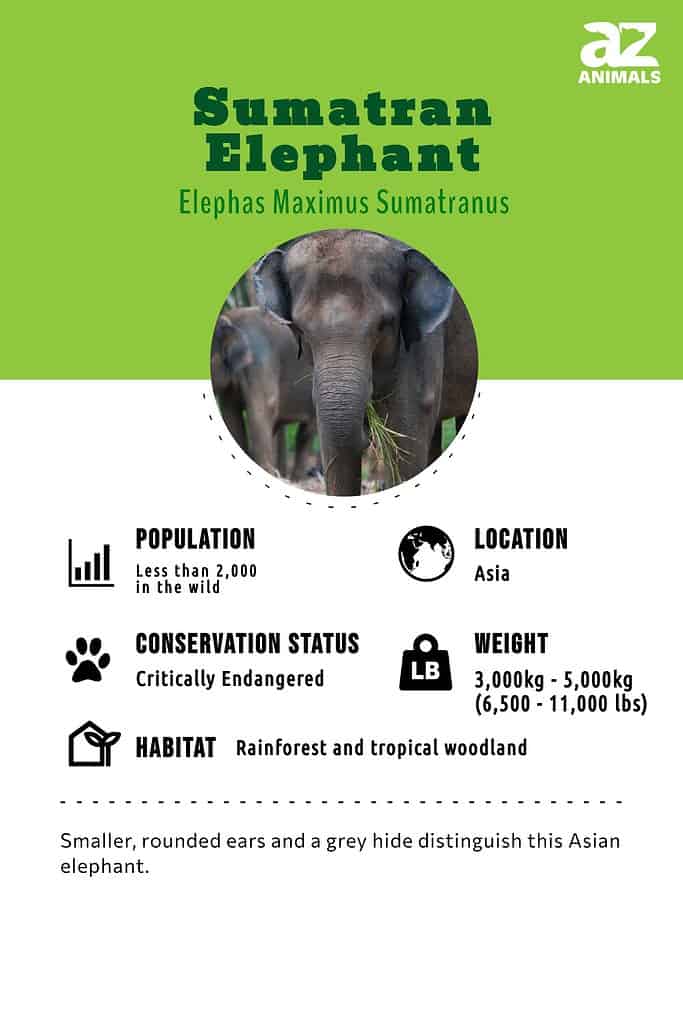
“Less than 2,000 left in the wild!”

The smallest subspecies among the Asian elephants, the Sumatran elephant is native to Sumatra Island, one of the Sunda Islands, in Indonesia. Belonging to the Elephantidae family, they are among the largest mammals on land. Sumatran elephants are highly intelligent animals with excellent memory. Like all elephants, the Sumatran needs lots of land area to thrive and prefers lowland environments.
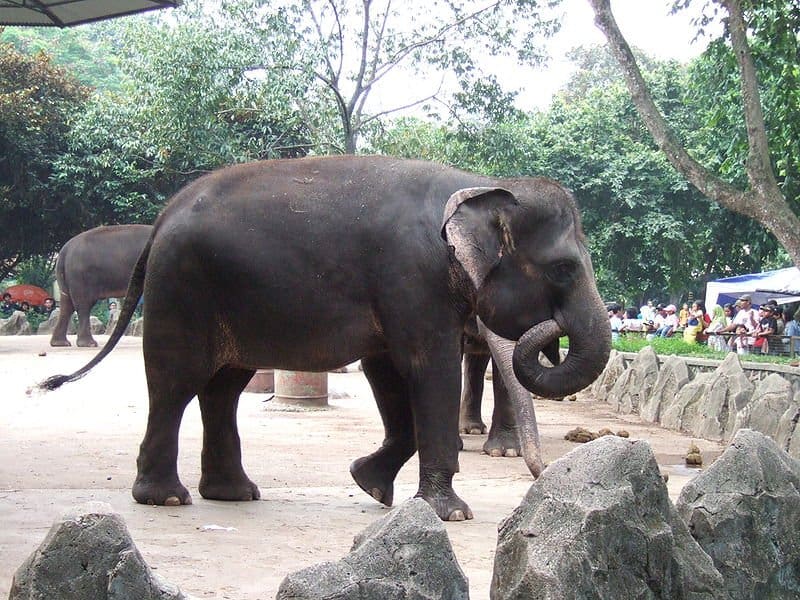
Sumatran elephant

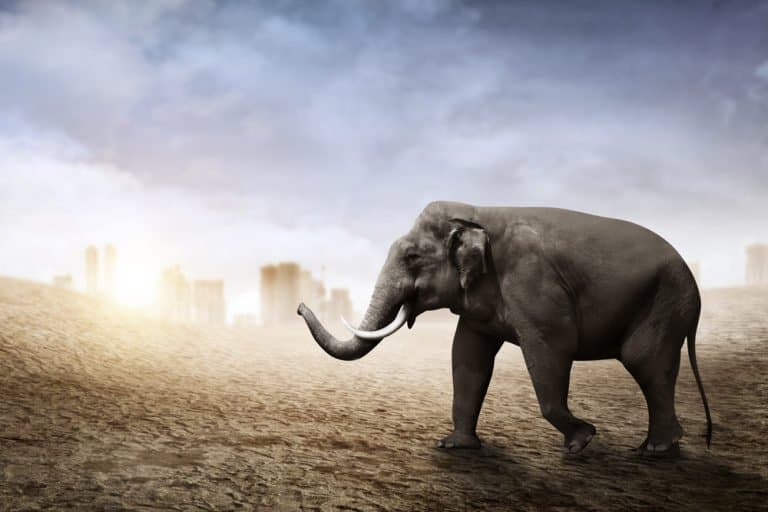
Sumatran elephants have smaller tusks than their African counterparts – with females being tuskless.

Five Sumatran Elephant Facts

  • Because they are so heavy, elephants are not able to jump or do other activities that require all four feet to be off the ground at one time.
  • This species has 20 pairs of ribs.
  • This animal can run up to 27mph.
  • The female of the species rarely has tusks. If they do, they are small and hidden.
  • Sumatran Elephants mourn the loss of others.

Scientific name

The scientific name of this animal is Elephas Maximus Sumatranus. It’s a member of the Elephantidae family and the Mammalia class.

The Sumatran elephant is a subspecies of the Asian elephant. The Greek word elephas refers to ivory or tusks. Maximus is a Latin word meaning “the greatest.”

The Borneo Elephant, the Indian Elephant, and the Sri Lankan Elephant are all subspecies of Asian elephants just like the Sumatran elephant. Other species in the Elephantidae family are African Bush elephants and African Forest elephants.
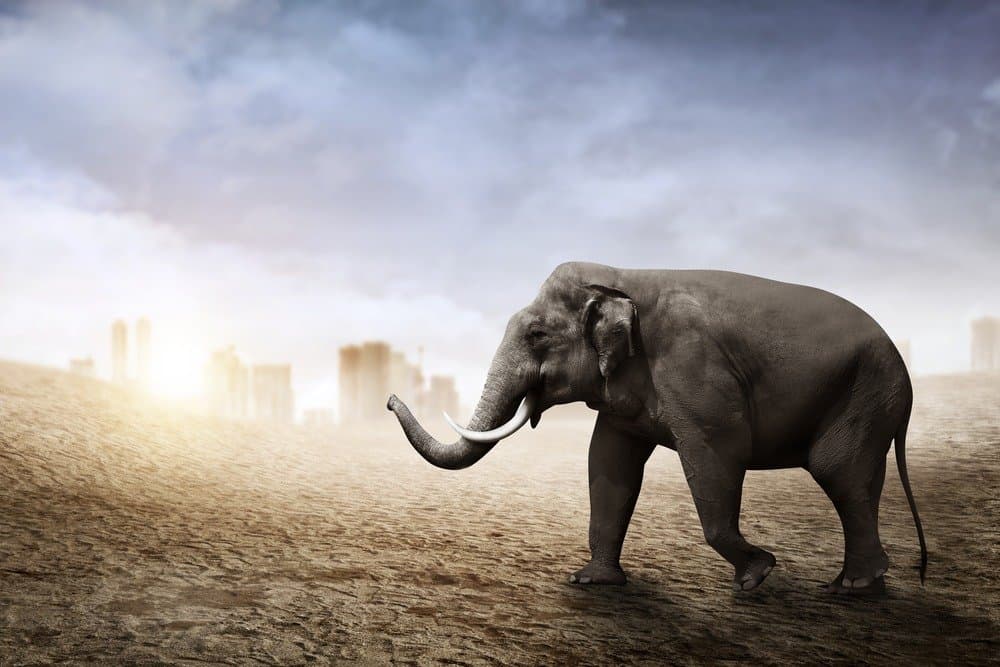
The trunk of the Sumatran elephant is used for smell, breathing, trumpeting and grabbing things.

The Sumatran is the smallest subspecies of an Asian elephant.

Evolution

Fossil records show that extinct proboscideans, large mammals with trunks and tusks, have been identified on every continent except Australia and Antarctica. The ancestor of these animals originated in Africa around 40 million years ago – and was trunkless. Moeritherium, about the size of modern pigs, is believed to be the animal that led to modern elephants – and is also an ancestor of manatees and dugongs.

Gomphotheres, tusked but with no trunks, were herbivores that roamed Africa, Eurasia, and the Americas during the Miocene, Pliocene, and Pleistocene epochs. These animals had given rise to the elephantids by the time of their extinction. Around the beginning of the Pleistocene, 5 million years ago, the Elephas and Mammuthus arrived to be followed by Loxodonta. Loxodonta remained in Africa while Mammuthus ranged to Eurasia.
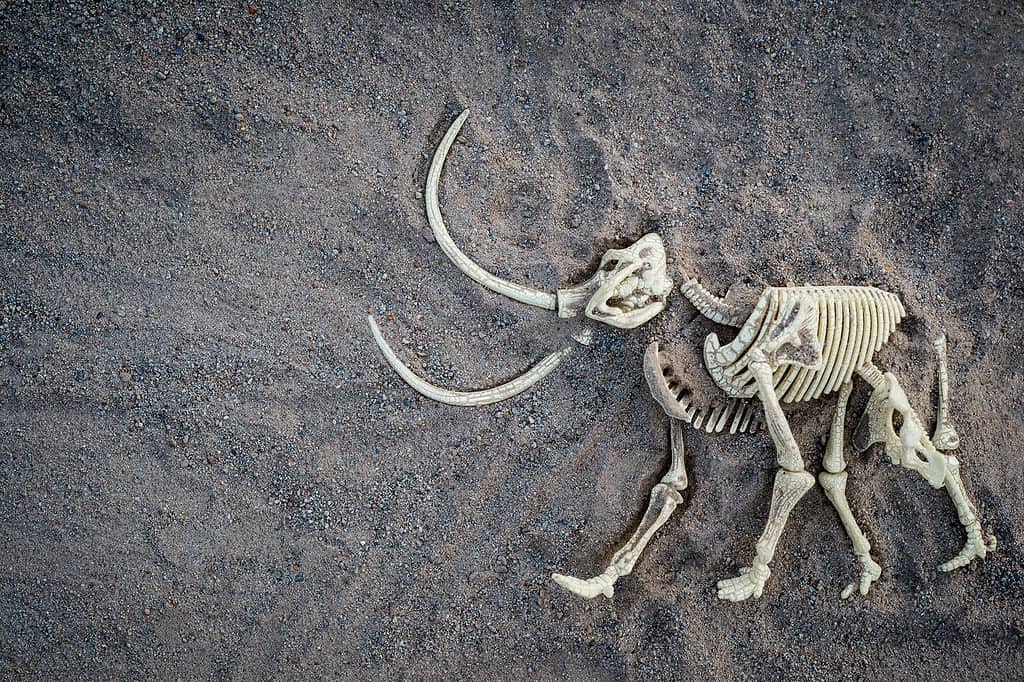
Wooly mammoth skeleton

The woolly mammoth and Elephas platycephus, the ancestor of the Sumatran elephant, lived during the Pleistocene.

The ancestor of the Asian elephant, Elephas platycephus, arrived during the Pleistocene, as did the Mammuthus primigenious, the woolly mammoth. The African elephant, Loxodonta, appeared 1.5 million years ago and is the newest elephant species in evolutionary terms. It is larger than the Asian elephant in size and both males and females have tusks.

Anatomy and Appearance
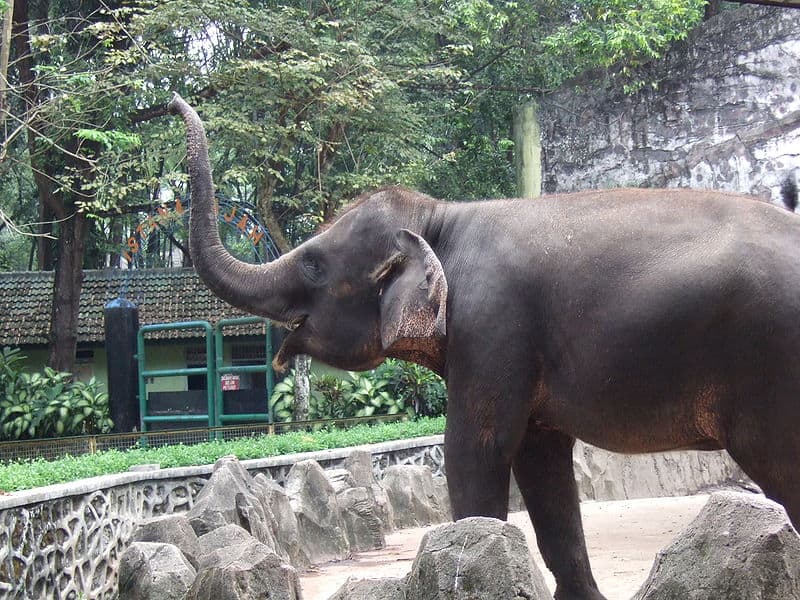
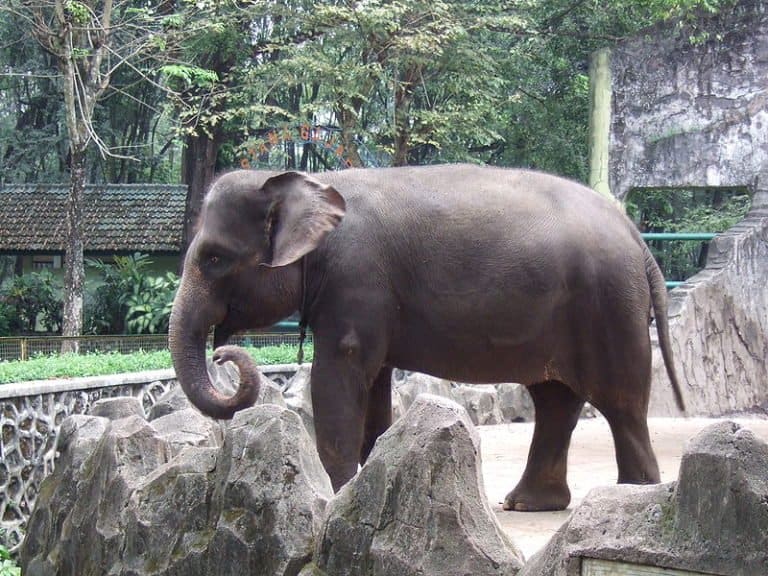
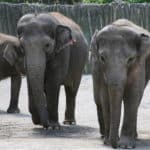
Sumatran elephant

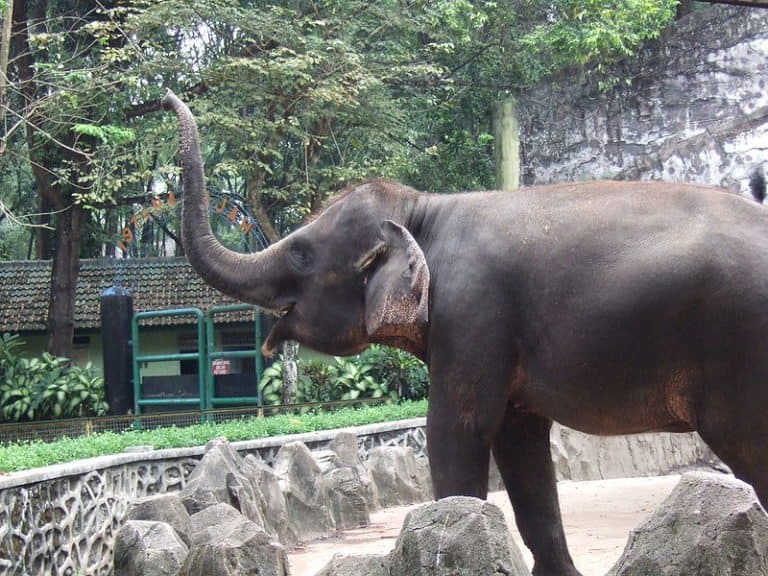
Sumatran elephants have smaller, more rounded ears than their African counterparts.

Appearance

Sumatran elephants are gray in color and are nearly bald. Compared to African elephants, their ears are smaller and have a more rounded shape. Males have small tusks compared to other elephant species, while females may not have any at all. Sumatran elephants have long trunks with many functions. The light gray color can act as camouflage in their environment. They can grow to be about 10-and-a-half feet tall and about 20 feet long. These elephants can reach a weight of between 4,400 and 8,800 pounds – about the same weight as two-and-a-half cars.

The Elephant’s Trunk

The most prominent feature of an elephant is its trunk – with more than 60,000 muscles enabling the elephant to perform many different functions. One use is to soak up water and then pour it into their mouth to drink. An elephant’s trunk can be used to smell, breathe, shower, grab things, and trumpet to communicate.

Behavior
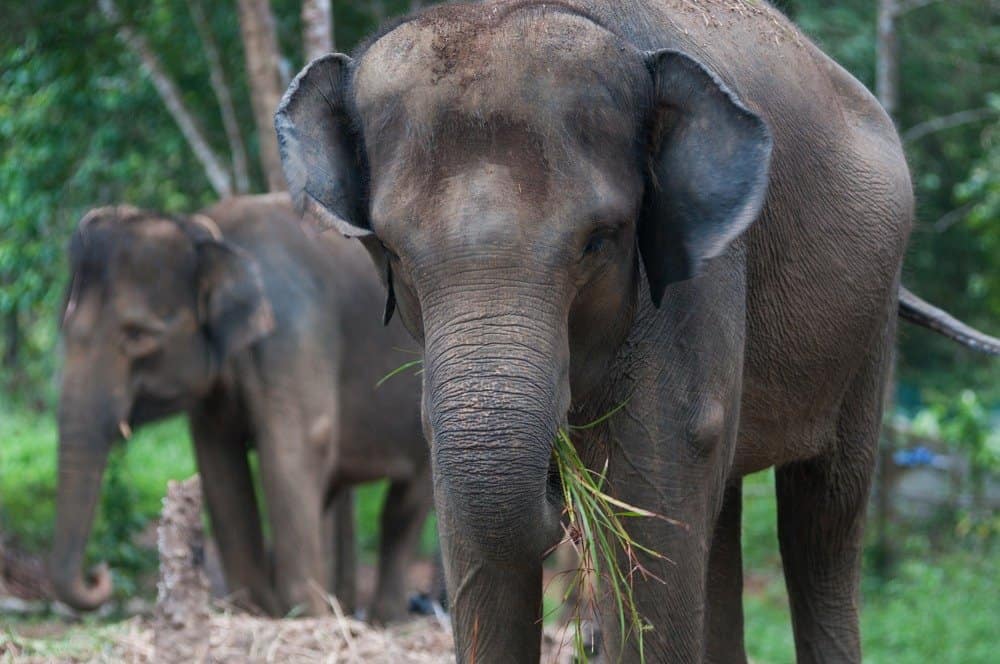
Sumatran elephant

Elephant herds are led by a matriarch and work together to protect their young.

Elephants are extremely social animals and live in herds led by a matriarch, typically the oldest female. Herds are typically made up of females and their calves, 20-35 individuals. Elephants share a close bond with the members of their herd and work together to protect their young.

Elephants also use infrasound, which is low-frequency sounds that are below what humans can hear. They are sensitive to these sounds and also use them to communicate. Only a handful of mammals have this ability.

Habitat

Sumatra Island is the only place where tigers, rhinos, orangutans, and elephants live together in the wild.

Sumatran elephants, one of three subspecies of Asian elephants, reside in the wild only in Indonesia, on the Island of Sumatra. They prefer moist rainforest environments. They will also travel to rivers and hills, depending on their needs. Sumatran elephants have thick skin to protect them from harsh weather and injuries.

Elephants are important to a healthy ecosystem. When they defecate, they disperse seeds all over, helping to grow plants and replenish forests. Unfortunately, much of their natural habitat has been destroyed by deforestation and human development for agriculture.

Diet
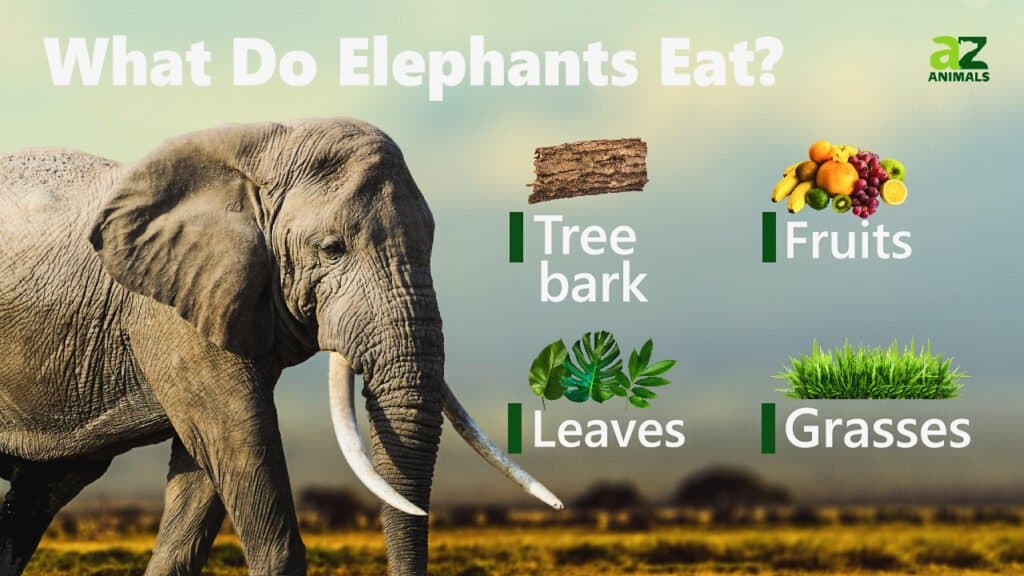
What Do Elephants Eat

Sumatran elephants are herbivores therefore, their diet mainly consists of leaves, grass, and fruit. They will also eat bark and seeds. Their diet consists of over 100 species of plants and vegetation. They spend a lot of time eating. They can eat up to 150 kg of food (about the average weight of an adult panda) and up to 200 liters of water a day. That’s equal to over 52 one-gallon milk jugs.

Predators and Threats
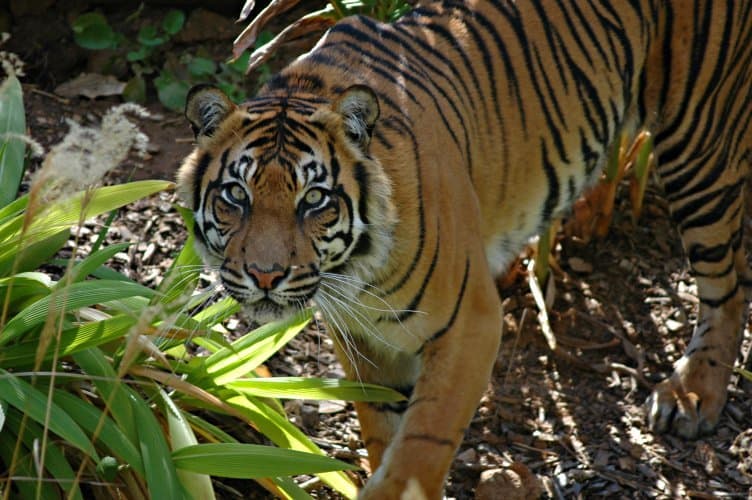
Sumatran Tiger under trees

Sumatran tigers prey on baby elephants.

Elephants generally have few predators, besides humans, due to their large size. However, young elephants sometimes fall prey to the Sumatran tiger. Tigers will target baby elephants that are small enough to attack or who wander from the herd. The Sumatran tiger is also endangered.

Poaching is another threat posed to these animals. Elephants are hunted for their ivory tusks. Although there are bans against poaching, it remains a threat specifically to male Sumatran elephants. Deforestation and development also play a substantial role in the decline of the Sumatran elephant population. Plantations for palm oil and farmlands are some of the main complications for these animals. This leads to habitat loss and can cause migratory routes to be cut off, making it difficult for the elephants to get around and essentially breaking up the community’s habitat into much smaller, detached areas. This is called fragmentation and has a big impact on the population.
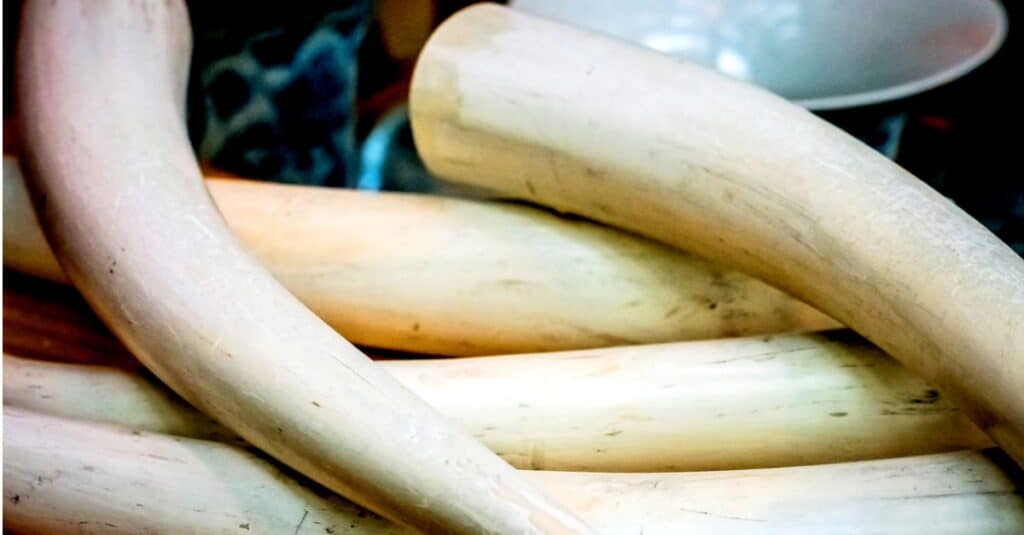
ivory in a basket

Although it has been banned, ivory poaching remains a threat to Sumatran elephants.

Conservation Status

Sumatran Elephants’ conservation status is critically endangered. Conservation efforts being made by World Wildlife Fund include “reducing human-elephant conflict” and “securing healthy forests.” WWF came up with a groundbreaking program called the “Elephant Flying Squad,” which uses trained elephants to patrol and essentially keep them separate from humans. Elephants will commonly find nearby farms or crops, and they will trample plants and eat humans’ harvests. Keeping the elephants away from these areas can help save both animal lives and human lives. You can learn more about conservation efforts and what you can do to help here. You can even “adopt” an elephant and be a part of the solution. Of course, you won’t literally own an elephant, but your donations will make a difference.

Learn more about the most endangered species in the world here.

Reproduction, Babies, and Lifespan

Adult male Sumatran elephants, called bulls, deal with a condition called “musth” during mating season. They have a higher level of testosterone that drives their mating instincts. It is similar to a dog going into heat or a rut in deer. The bulls become aggressive and will fight other males to mate with a female. An adult female elephant is called a cow. Once pregnant, the gestation period for a Sumatran elephant is between 18 and 22 months. Cows give live birth, and the average litter size is one, although they carry twins very rarely. The birthing process of an elephant is very quick. It usually only takes about 10 seconds. Compared to humans, that is incredibly fast. The average birth weight of a Sumatran elephant is 100kg. That’s roughly 220.5 pounds as an infant, equivalent to 30 bricks.
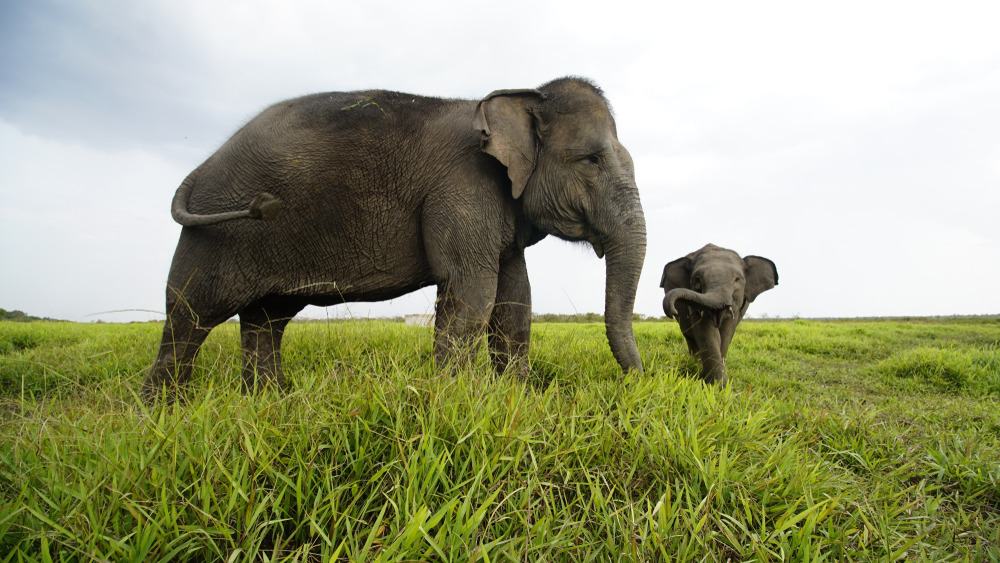
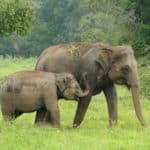
Sumatran elephant and baby

Baby Sumatran elephants, like other elephant calves, stay with their mothers for around five years.

A baby elephant is called a calf. It stays with the mother elephant for about five years, when it is weaned and big enough to be on its own. A calf survives on its mother’s milk until it is old enough to eat foods such as grass and leaves. Typically, female calves stay with the herd, while males go off on their own after reaching sexual maturity.

Baby Sumatran elephants can stand on their legs only 10 to 30 minutes after birth, which is similar to Giraffe calves, who can also stand on their own within 30 minutes of being born.

Sumatran elephants typically live to be between 60 and 70 years old but have been known to live up to 75 years in captivity. After age 60, female elephants no longer reproduce.

Elephant Population

There are between 2,400 and 2,800 Sumatran elephants remaining in the world. In the wild, specifically in Asia, there are less than 2,000 Sumatran Elephants in 25 fragmented habitats. The remaining elephants are living in captivity.

The population continues to decline and is under threat of becoming extinct. The Sumatran elephant is considered critically endangered at this time according to the International Union for the Conservation of Nature (IUCN). If the population continues to decline as expected, Sumatran elephants will soon be extinct in the wild. In fact, they could be gone in as little as 30 years.

Sumatran Elephants In the Zoo

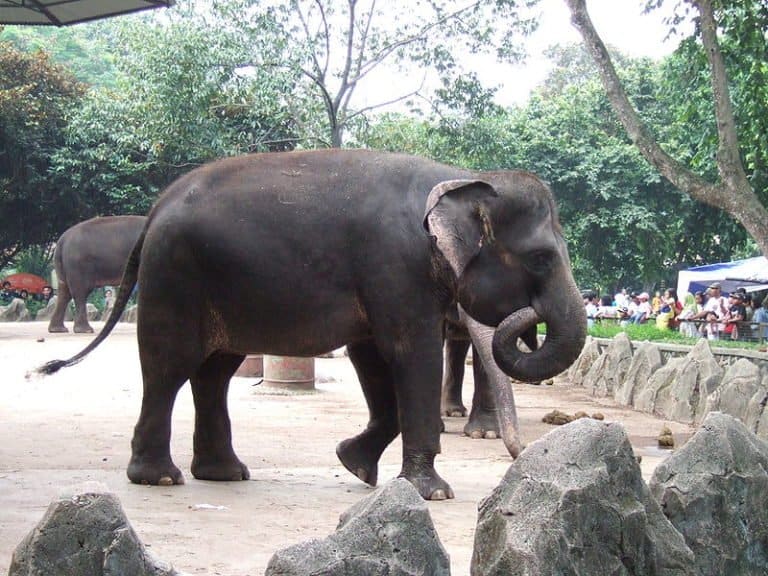
You can see Sumatran elephants at Australia Zoo. You can even book a private encounter.
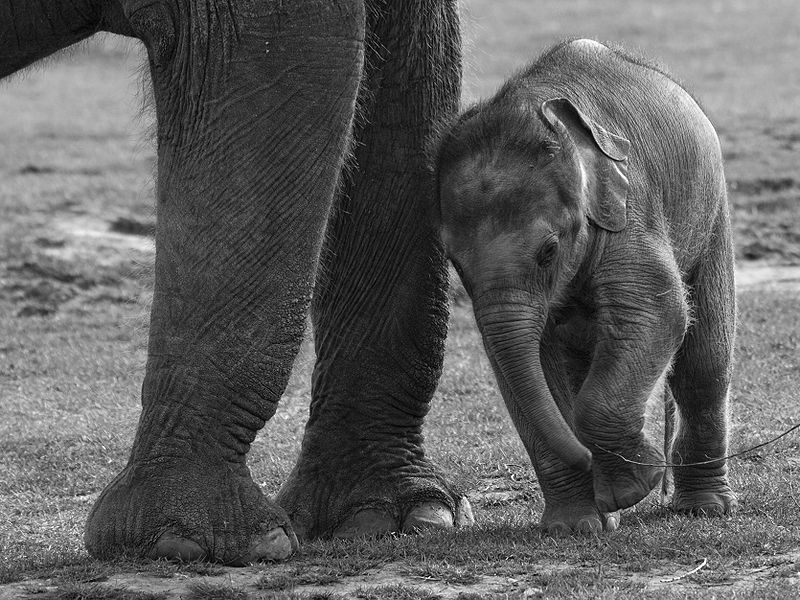
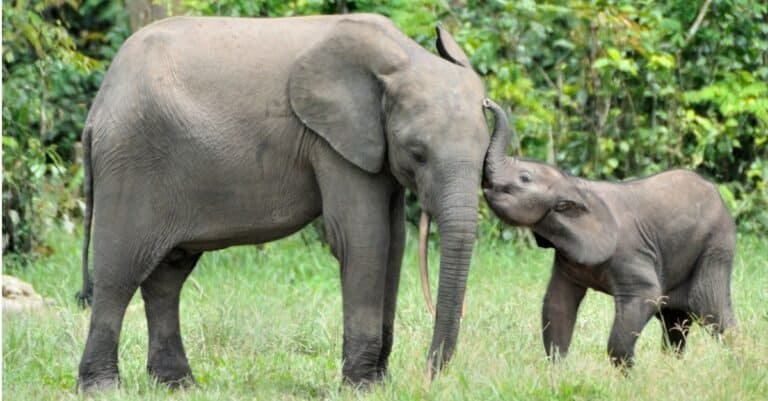
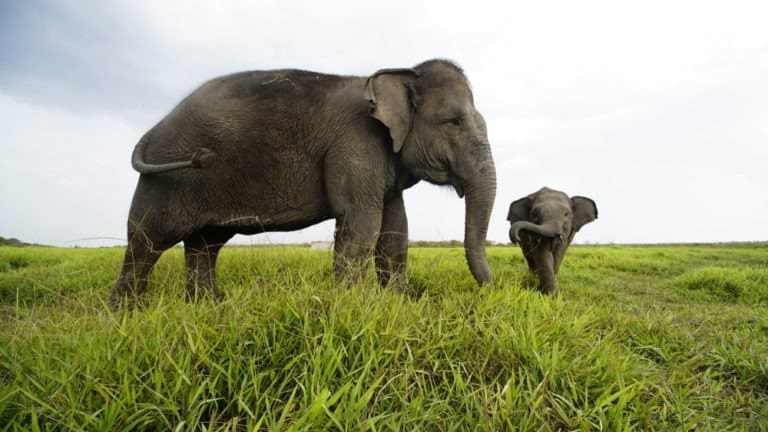
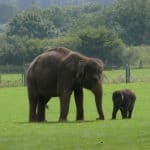
Baby Asian elephant with its mother.

View all 390 animals that start with S

Sources

  1. David Burnie, Dorling Kindersley (2011) Animal, The Definitive Visual Guide To The World's Wildlife / Accessed July 6, 2010
  2. Tom Jackson, Lorenz Books (2007) The World Encyclopedia Of Animals / Accessed July 6, 2010
  3. David Burnie, Kingfisher (2011) The Kingfisher Animal Encyclopedia / Accessed July 6, 2010
  4. Richard Mackay, University of California Press (2009) The Atlas Of Endangered Species / Accessed July 6, 2010
  5. David Burnie, Dorling Kindersley (2008) Illustrated Encyclopedia Of Animals / Accessed July 6, 2010
  6. Dorling Kindersley (2006) Dorling Kindersley Encyclopedia Of Animals / Accessed July 6, 2010
  7. David W. Macdonald, Oxford University Press (2010) The Encyclopedia Of Mammals / Accessed July 6, 2010
Lisha Pace

About the Author

Lisha Pace

After a career of working to provide opportunities for local communities to experience and create art, I am enjoying having time to write about two of my favorite things - nature and animals. Half of my life is spent outdoors, usually with my husband and sweet little fourteen year old dog. We love to take walks by the lake and take photos of the animals we meet including: otters, ospreys, Canadian geese, ducks and nesting bald eagles. I also enjoy reading, discovering books to add to my library, collecting and playing vinyl, and listening to my son's music.

Thank you for reading! Have some feedback for us?


Sumatran Elephant FAQs (Frequently Asked Questions)

All elephants, including Sumatran elephants, are herbivores.