
Quick Take
- One U.S. state holds 98% of the entire American grizzly population, and it is probably not the state most people associate with bear attacks. Alaska's dominant bear numbers →
- Grizzlies once roamed across most of the West, but today they survive in only five states. What happened?
- One state's grizzly population may have already hit its absolute ceiling, and what that means for the species is complicated. Wyoming's carrying capacity explained →
- Not all five grizzly states treat these bears the same way legally, and the differences are more extreme than you would expect. Washington's protective approach →
The grizzly bear (Ursus arctos horribilis) is a subspecies of the North American brown bear. Grizzlies are known for their large size and aggressive behavior. A male grizzly can stand over 6 feet tall and typically weighs between 400 and 800 pounds. Grizzly bears do not typically shy away from humans. Although a grizzly won’t go out of its way to attack humans, encountering one in the wild can be dangerous. In March 2022, a hiker in Montana was killed by a grizzly. Conservationists believe that attacks have increased because more people have moved into rural areas near bear habitats. Historically, grizzly bears roamed across much of western North America, but in the contiguous United States today they are only found in five states. Continue reading to learn about grizzly bear populations by state.
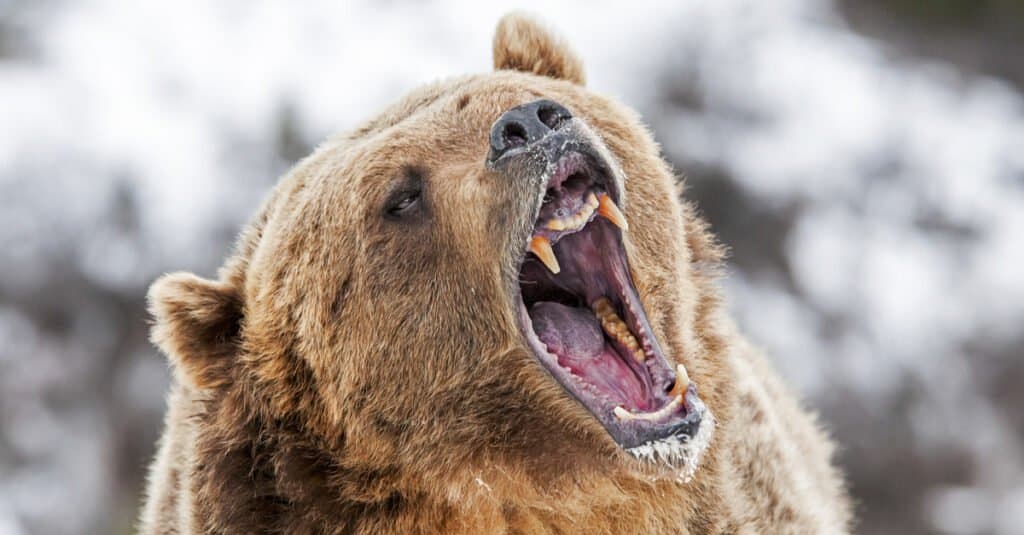
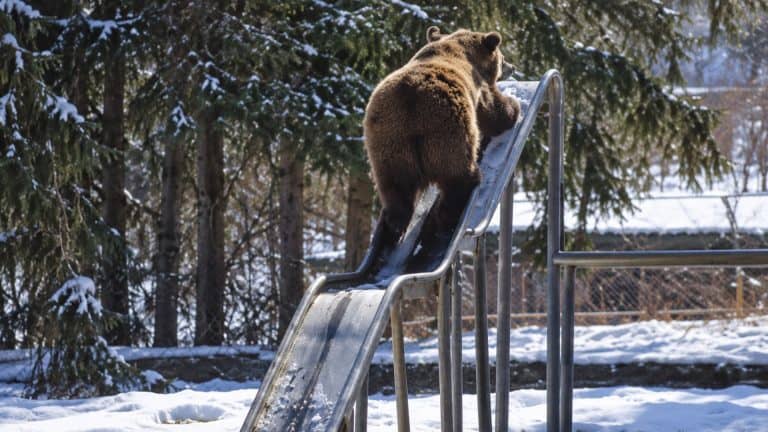
Although they were once widespread throughout most of the Western United States, grizzlies now live in just five states.
©Scott E Read/Shutterstock.com
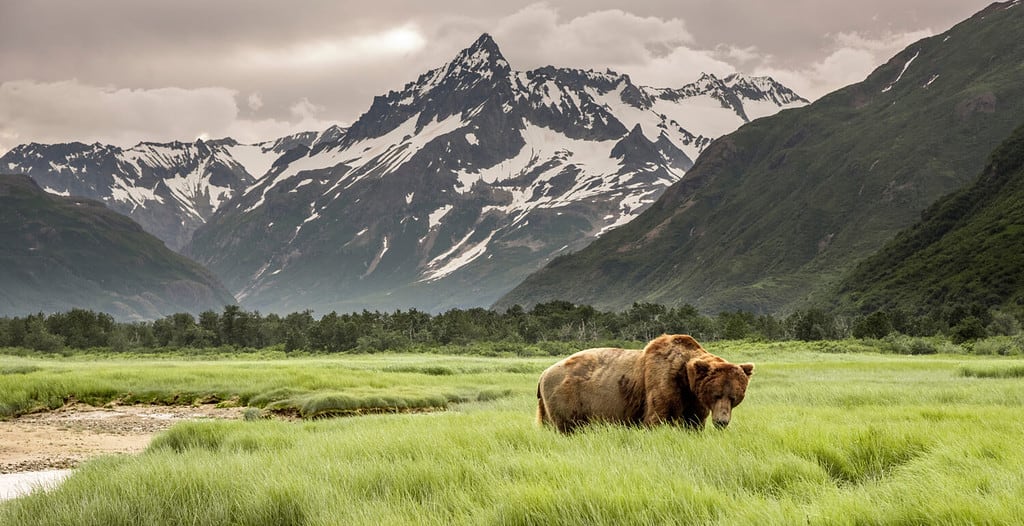
Alaska: 30,000
©Robert Frashure/Shutterstock.com
Alaska is rightfully known as bear country. It is the only state in the country where all three species of North American bears live. Besides its thriving populations of grizzlies and black bears (Ursus americanus), it is also home to polar bears. Alaska is also home to Kodiak bears (U. arctos middendorffi), which are a subspecies of brown bears endemic to the Kodiak Archipelago.
With its rugged forests and unspoiled tracts of land, it’s natural that Alaska would be home to many grizzlies. The state has an estimated 30,000 grizzlies. It is home to 98% of the U.S. population of brown bears and 70% of the entire North American population.
Because of this, the state Department of Fish and Game says, “Alaska has a special responsibility to this magnificent animal.” The state has set aside conservation areas for the bears and issues a limited number of bear hunting licenses to control bear populations. Alaska is the only state where brown bears are not considered threatened, as brown bears in the lower 48 states are federally listed as threatened under the Endangered Species Act.
Montana: 1,000 +
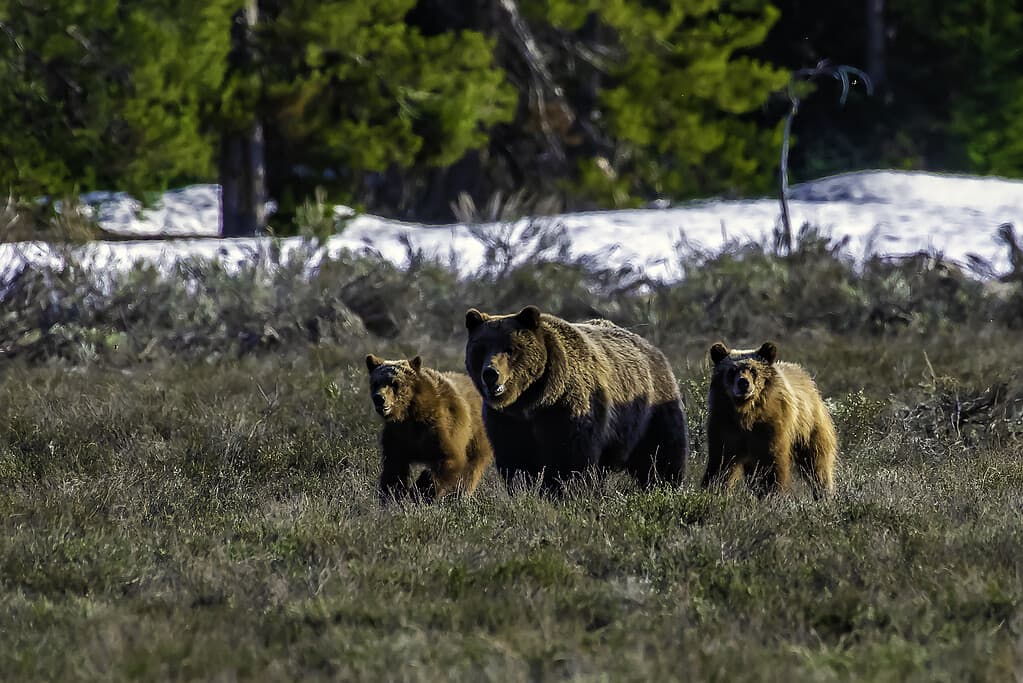
In 1983, Montana chose the grizzly as its official state animal.
©John Morrison/iStock / Getty Images Plus via Getty Images
Montana has an estimated 1,050 or more grizzly bears across its major ecosystems. Most bears in the state are part of the Northern Continental Divide Ecosystem.
Montana’s Fish and Game Department says the state has been at the forefront of grizzly bear protection and recovery. Montana abolished baiting dogs to hunt bears in 1948. However, legislation passed in 2021, allows training hounds to hunt for black bears in certain areas of western and central Montana. Today, the state is home to more brown bears than any state except Alaska.
Idaho: 700 to 800
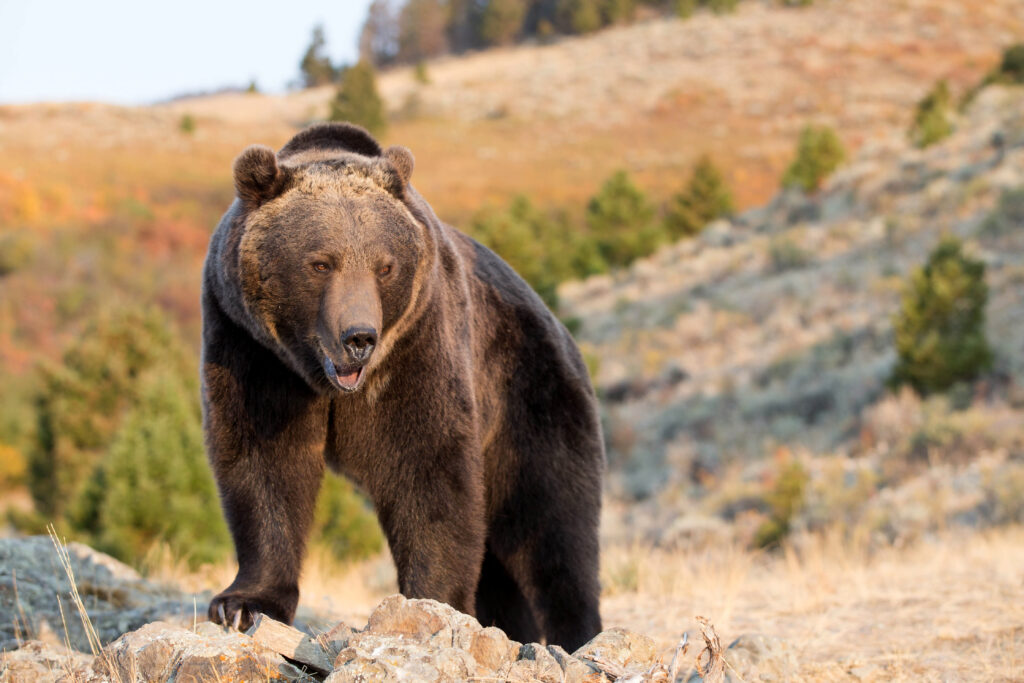
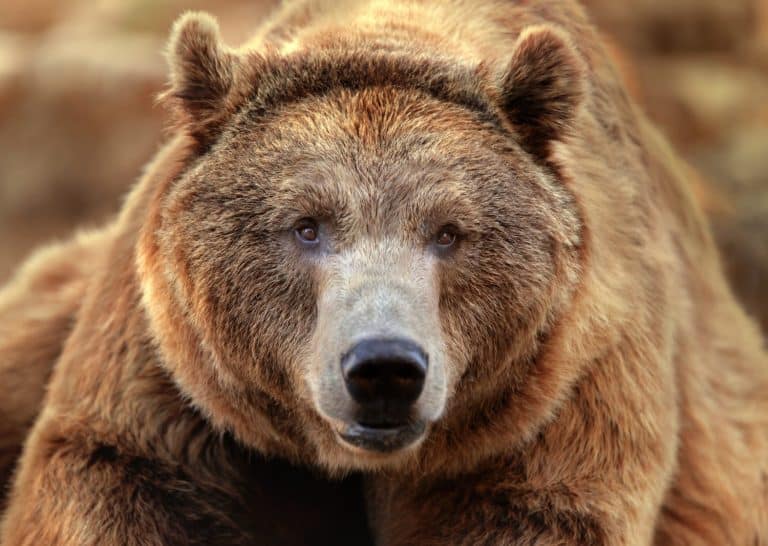
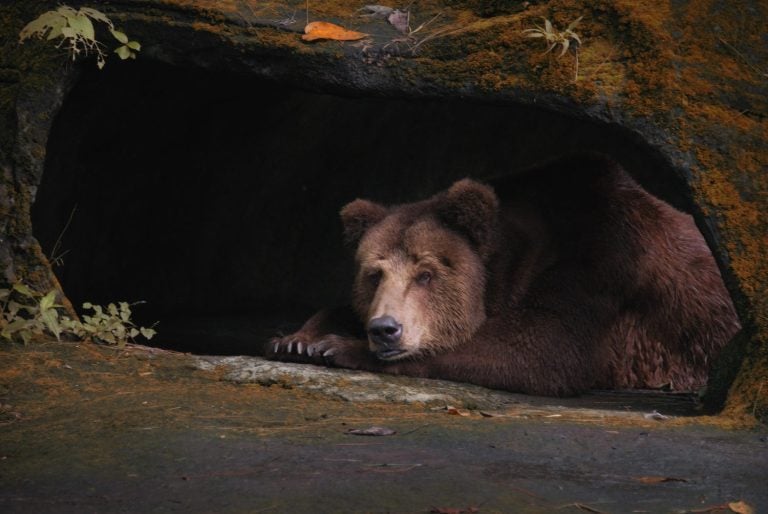
Grizzly bears are a subspecies of brown bears.
©Dennis W Donohue/Shutterstock.com
Grizzlies once lived all over the state, but now there are only a few that live in the northern and eastern parts of the state. According to recent estimates, the lower 48 states are home to around 2,000 grizzly bears, living across Idaho, Washington, Wyoming, and Montana, including areas close to Yellowstone National Park. Idaho classifies grizzlies as a threatened species. It is illegal to hunt, take, or own them.
In 2017, the Greater Yellowstone Ecosystem Population was removed from the threatened list because brown bears are thriving in that zone. They now have a healthy breeding population in that ecosystem, which includes Idaho and Wyoming. Grizzlies also live in the Bitterroot Ecosystem Recovery Zone and the Selkirk Mountains of northern Idaho.
Wyoming: 600
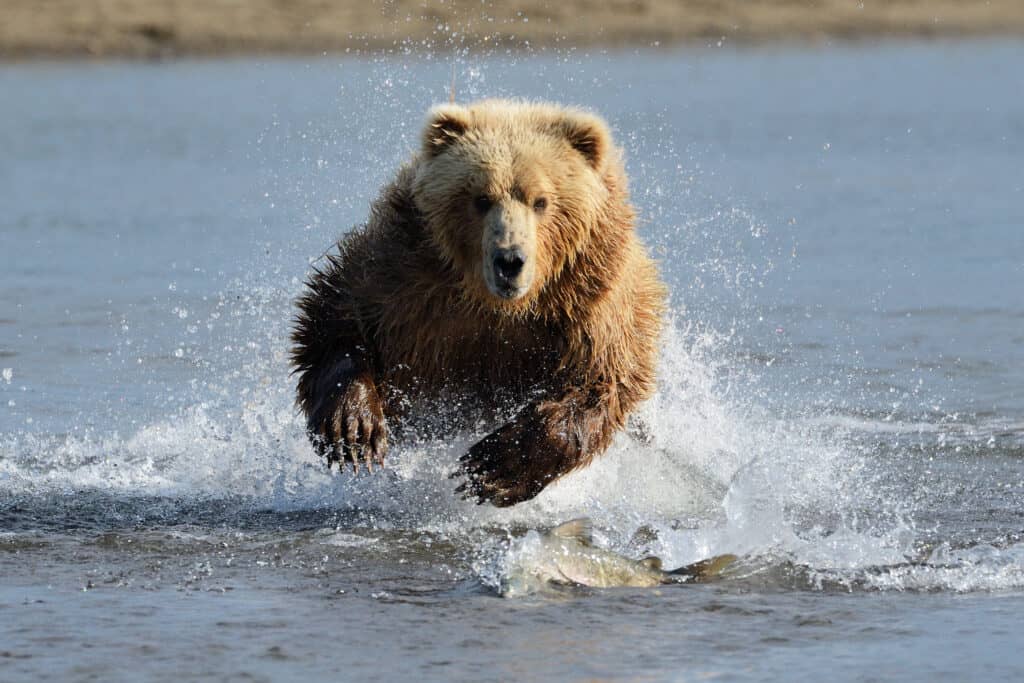
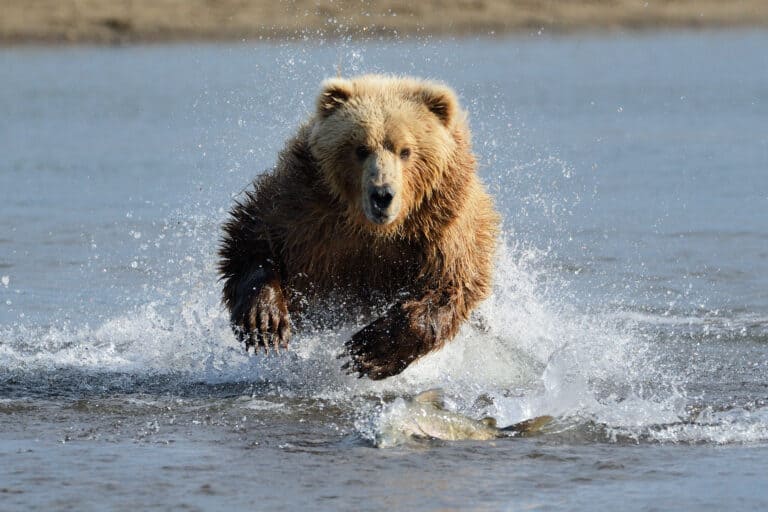
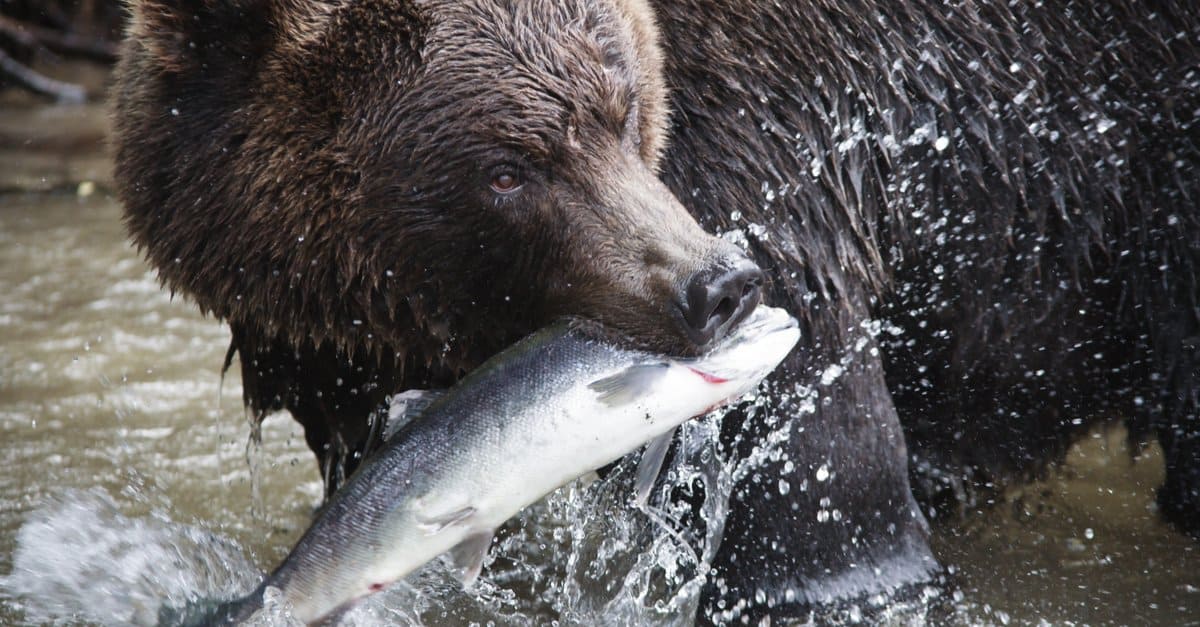
Grizzly bears hunt for fish in Yellowstone Lake.
©AndreAnita/Shutterstock.com
Wyoming is home to around 600 bears. Some of these bears live in Yellowstone National Park, which is largely located in Wyoming. The grizzly population of the Greater Yellowstone Ecosystem has gone from 136 bears in 1975 to an estimated 730 bears today. The number of females having cubs has remained stable since 1996, suggesting the population may have reached the park’s carrying capacity.
Washington: Fewer Than 100
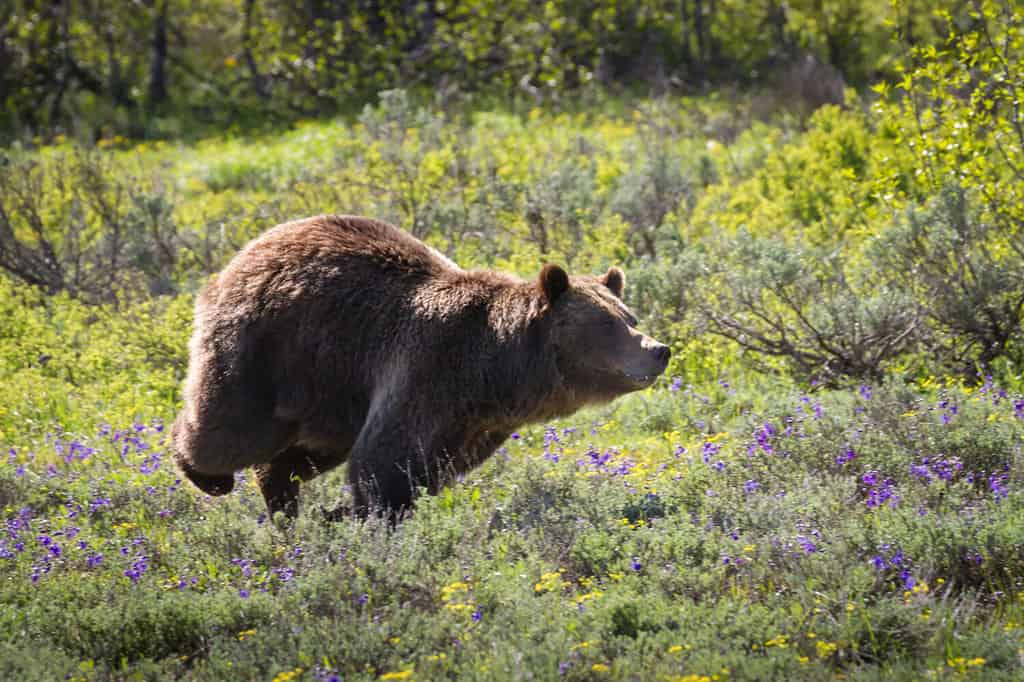
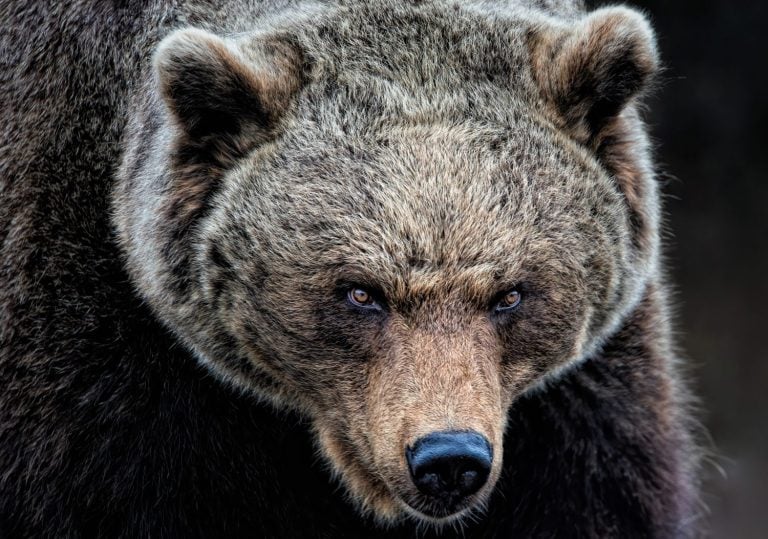
Washington has laws that protect grizzlies.
©Kelp Grizzly Photography/Shutterstock.com
Like many other states, Washington once had an abundant brown bear population. Conservation efforts have focused on protecting the small number of remaining bears. Grizzly bears are a threatened species in Washington, but two populations remain in the Selkirk Mountains and areas near the Canadian border. Killing a grizzly bear can result in costly fines and penalties. To protect grizzly bears from human activities such as hunting, the Washington Department of Fish and Wildlife (WDFW) supports wildlife conservation, responds to conflicts, and manages public safety concerns.