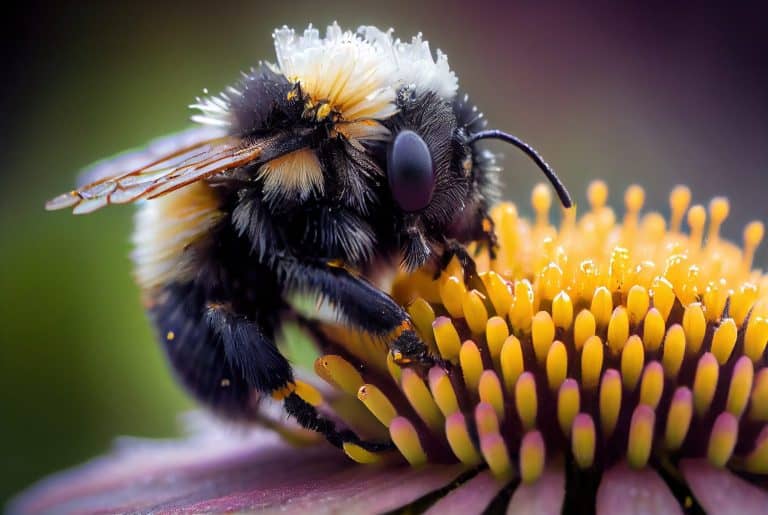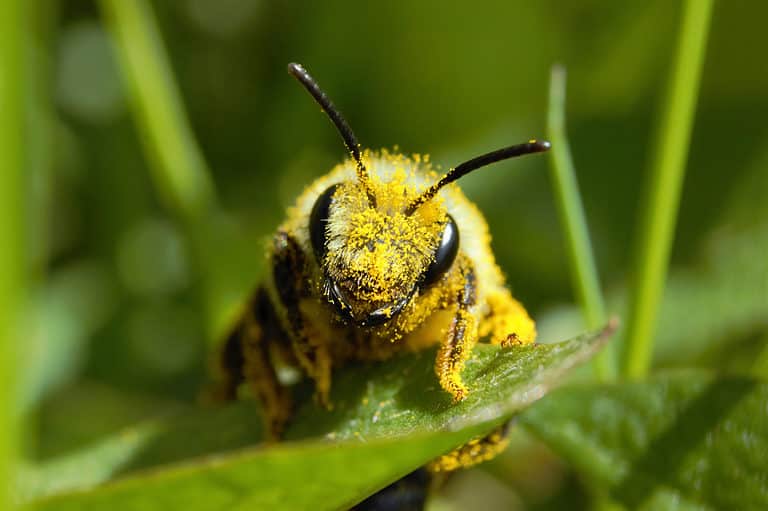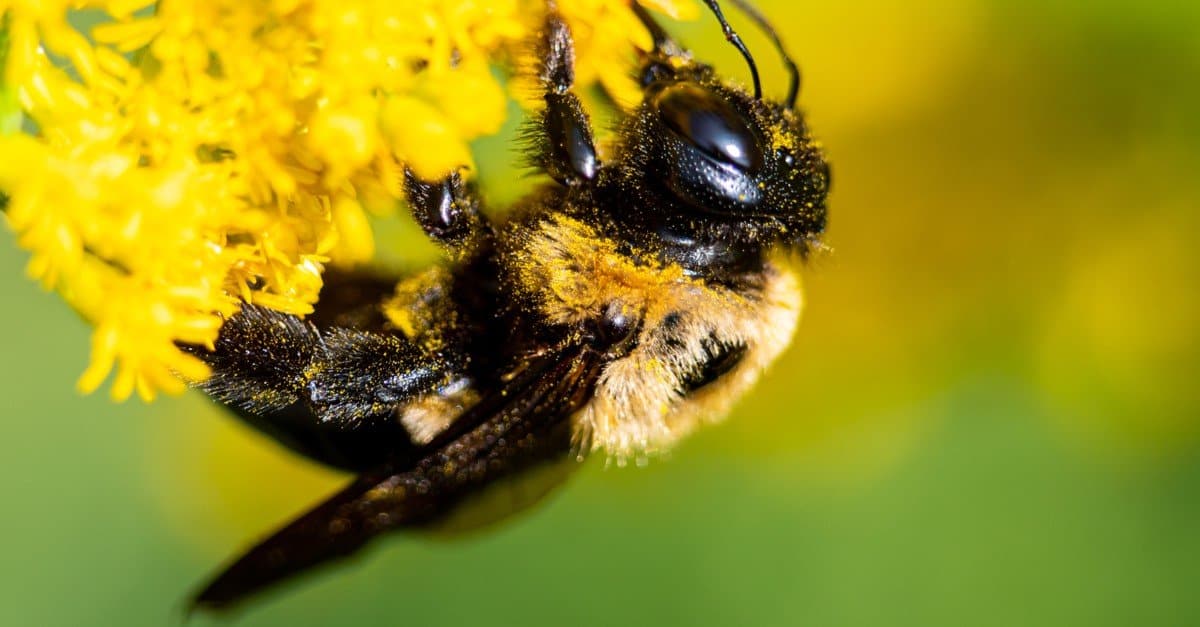

Amidst a decades-long population drop-off, eight states have seen American bumblebees (Bombus pensylvanicus) disappear. Maine, Rhode Island, New Hampshire, Vermont, Idaho, North Dakota, Wyoming, and Oregon have lost their bumblebees to a growing trend that’s dwindled the once ubiquitous pollinator to a fraction of its former glory. Over the past twenty years, scientists estimate there has been about a 90% drop in population.
Across the Midwest and Southeast, their numbers have dropped by 50 percent, and in northern Illinois, nearly three-quarters have vanished. New York may add its name to the list of states that have lost the insect entirely, as numbers have declined by 99%. Once common throughout the country, the American bumblebee now faces potential extinction.
The Race to Protect Bumblebees Before They Disappear Forever
In response to the alarming data, a group of conservationists hopes to curb the downward trend with federal action. A joint effort between the Center for Biological Diversity (CBD) and the Bombus Pollinator Association of Law Students at Albany Law School submitted a petition for the inclusion of the American bumblebee on the Endangered Species List.
In 2021, the U.S. Fish and Wildlife Service conducted a preliminary 90-day review, concluding such a proposal had merit. The next phase is a period of rigorous observation and review. During this time, the service evaluates the various existential threats and makes an ultimate decision. It is currently still listed as under review.
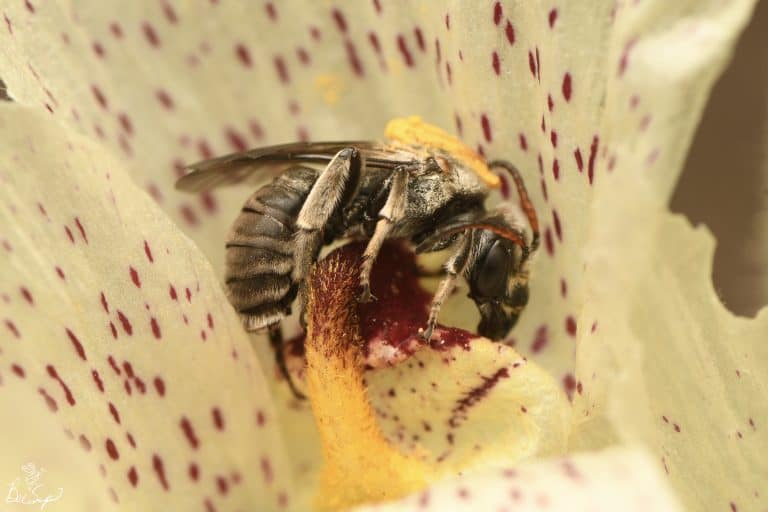
Thus, the American bumblebee is not yet protected under the federal Endangered Species Act, despite its precipitous decline. However, two types of bumblebees presently enjoy protections under the ESA: the rusty patched bumblebee and the Franklin’s bumblebee.
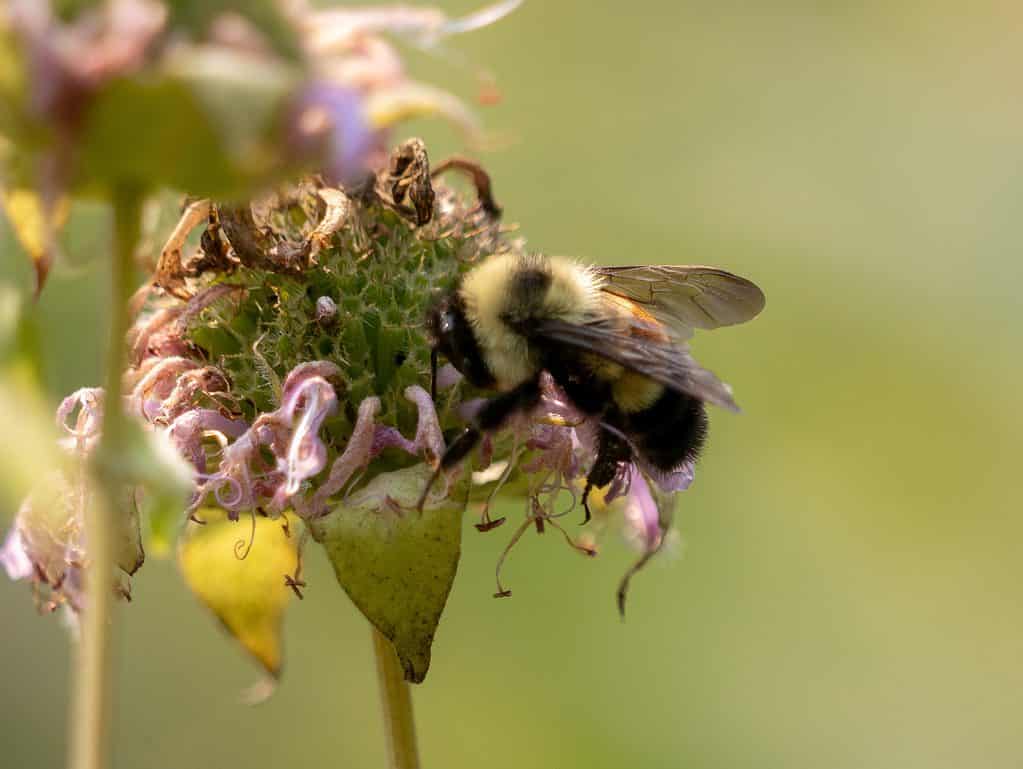
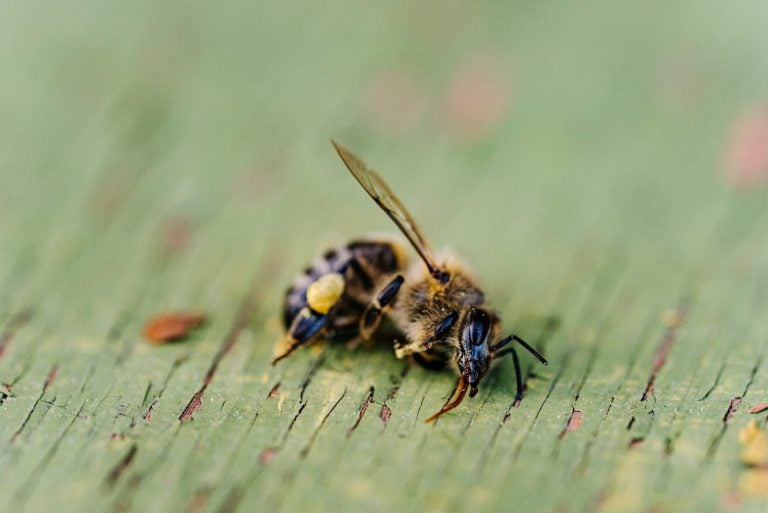
The rusty patched bumblebee was listed as federally endangered in 2017.
©Taxomony/Shutterstock.com
Negative Impacts on Bumblebee Populations
Biologists witnessing the bumblebees’ disappearance have observed a variety of causes negatively impacting populations. These range from the use of pesticides and competition with non-native species to climate change. As the globe heats up, the American bumblebee, with its round body covered in a fuzzy coat, struggles to adapt. Originally evolved for colder environments, rising temperatures impact its ability to nest and mate.
While many species adapt to climate change by migrating north as temperatures warm into their habitable range, the American bumblebee has failed to establish new territory. Instead, its range has shrunk considerably. A study conducted in 2015 found that this loss of range amounted to over 180 miles, limiting their ability to pollinate across vast swaths of land.
However, the use of pesticides may be the most harmful. The CBD noted that the states with the biggest drop-offs also featured the greatest increase in pesticide use. Neonicotinoids, deployed across crops, interfere with the bees’ homing system. Additionally, pesticides impact their ability to communicate with other bees via their unique dances. These chemicals also weaken their immune systems, making them increasingly vulnerable to various parasites. If the American bumblebee were to attain endangered status, the use of such pesticides could result in significant federal penalties under the Endangered Species Act.
What Happens If American Bumblebees Vanish?
Though the exact consequences remain unknown, if American bumblebees disappear entirely, agriculture would undoubtedly suffer, as would the diversity and range of many wild plants. The agricultural chain relies on bumblebee species to support the yearly harvest cycle. As a prominent pollinator, the American bumblebee plays a crucial role in supporting a wide variety of plant and animal life within its ecosystem.
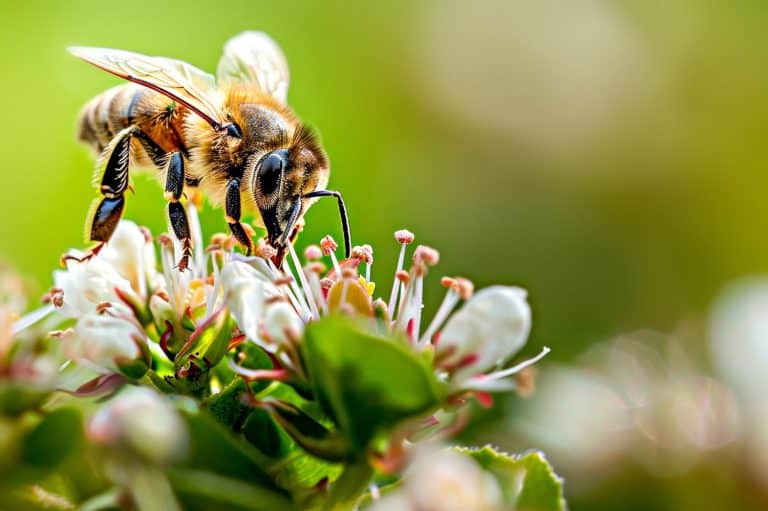
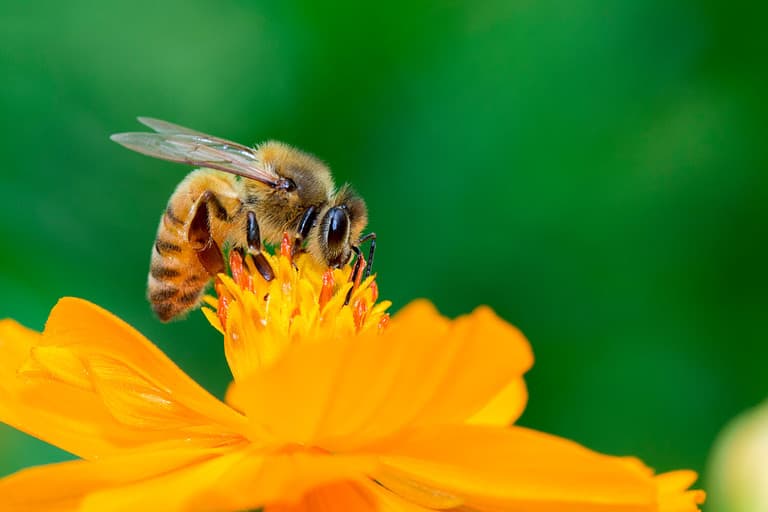
Globally, insects pollinate over a third of all crops, to which the American bumblebee contributes significantly. They’ve proven themselves the best pollinators of berries, squash, and tomatoes. Declines in bee populations in Europe mirror those in the United States, making the story of the American bumblebee a microcosm of a greater problem.
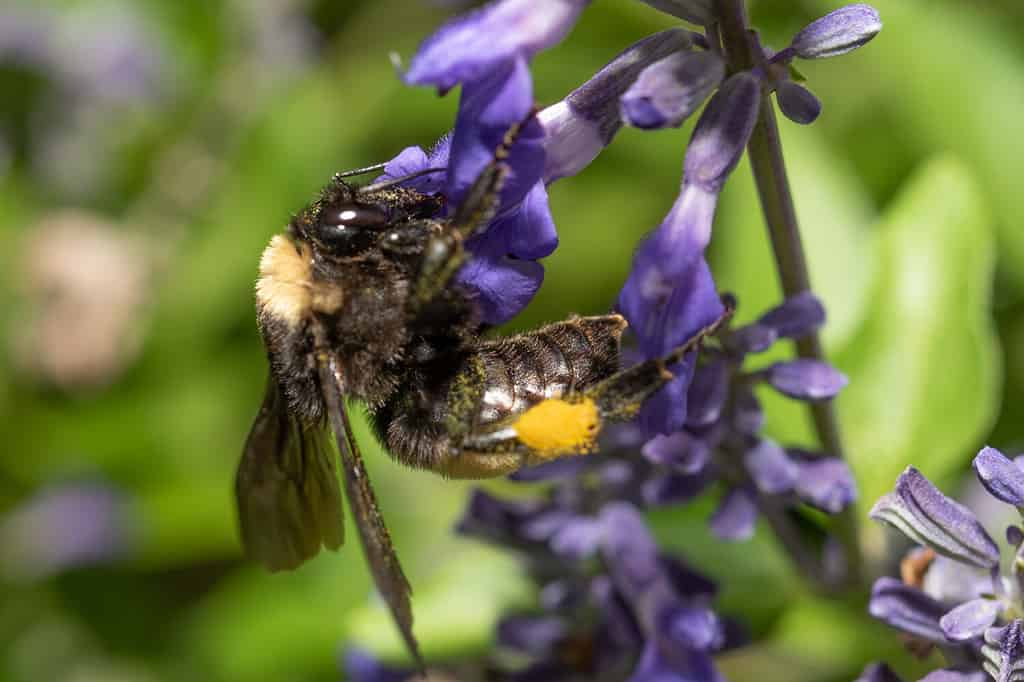
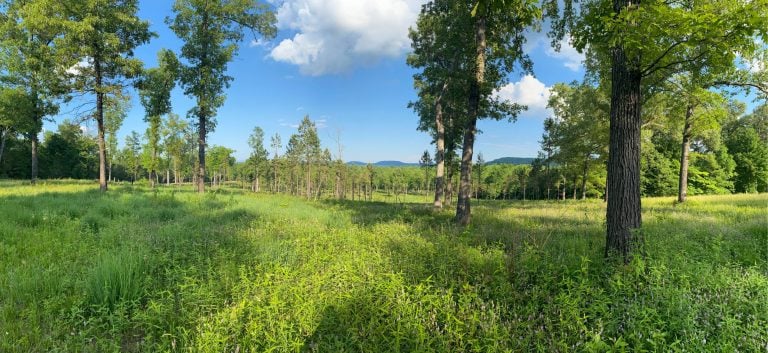
American bumblebees prefer temperate climates, as they are better adapted for cooler temperatures.
©Stanley Ford/Shutterstock.com
Declines in Bee Populations Across the Globe
Already, declines in cherry, apple, and blueberry crops in recent years illustrate the impact of dwindling global bee populations. Other crops like coffee, almonds, and cocoa also rely on bees for pollination. Former director of the Food and Agriculture Organization at the UN, José Graziano da Silva, suggests a world without bees loses these crops, as well. “The absence of bees and other pollinators would wipe out coffee, apples, almonds, tomatoes, and cocoa, to name just a few of the crops that rely on pollination,” he said in a statement.
Perhaps with protected status, the American bumblebee’s future will be brighter than its present, but this will require a radical change in the way humans interact not only with these buzzing black and yellow insects but also with their environment.