
Two-thirds of crops around the globe are dependent on pollinators for survival. Pollinators are insects or animals that transfer pollen between female and male flower parts. Common pollinators include butterflies, birds, and bats. The most important pollinator in our ecosystems is a unique insect we spend more time running from than appreciating — the bumble bee.
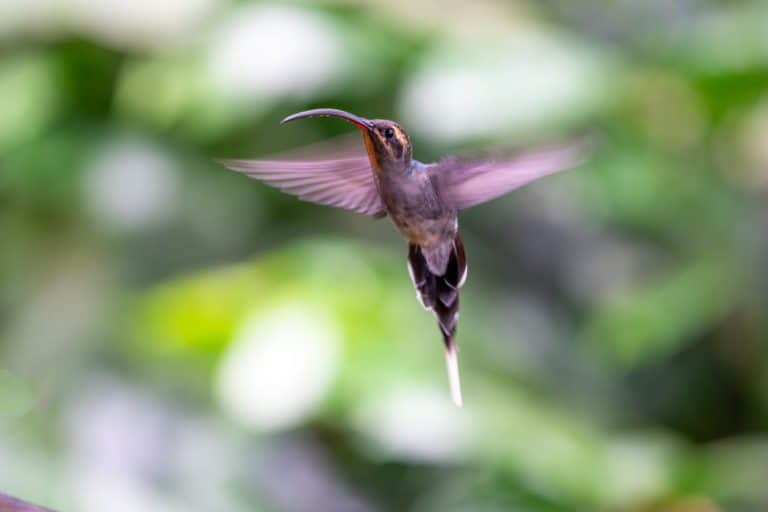
Larger than typical bees, the bumble bee isn’t in the honey business. With their stubby, short, acrylic-like wings and bulbous fuzzy, multi-colored bodies, the bumble bee hovers in the air, wings flapping at an incredible 130 beats per second. The insect swirls around us as if it’s looking for a place to land. What is it doing? Could it be a threat?
The Humble Bumble Bee
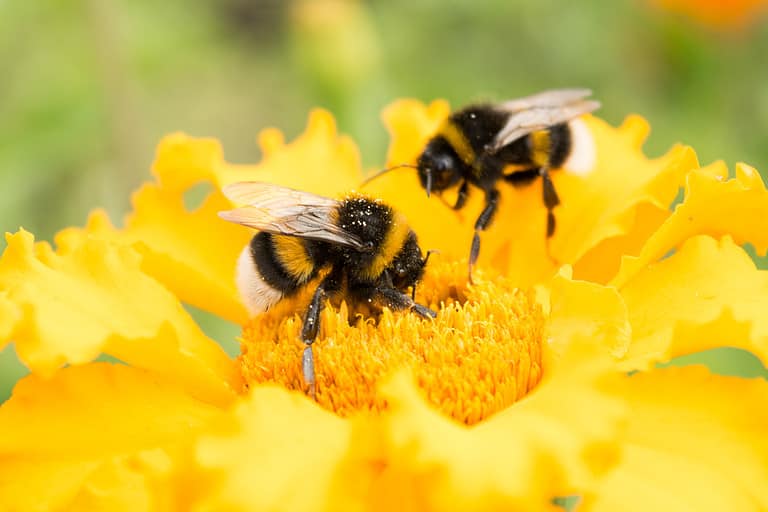
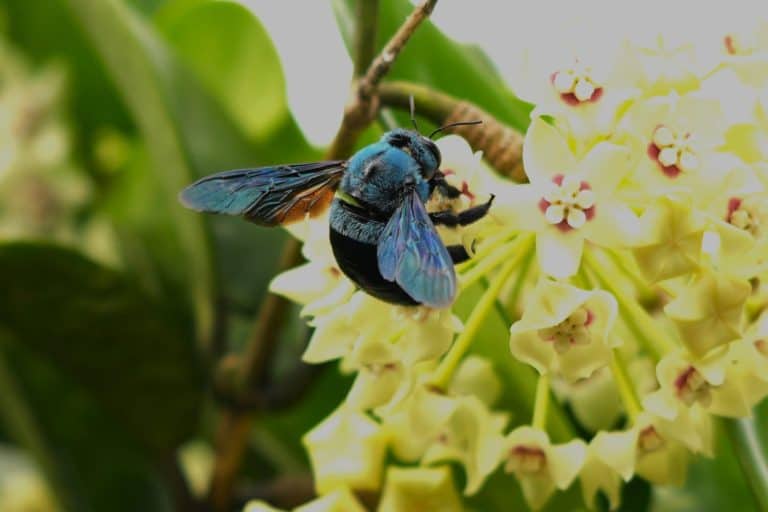
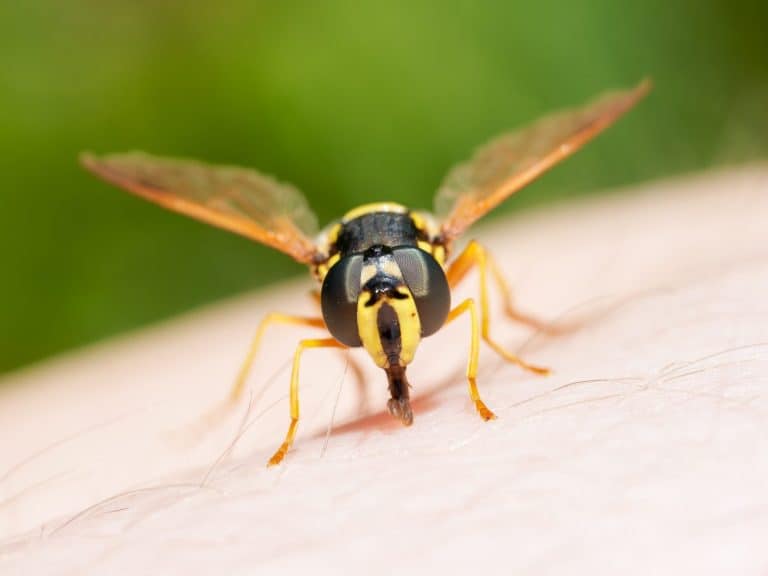
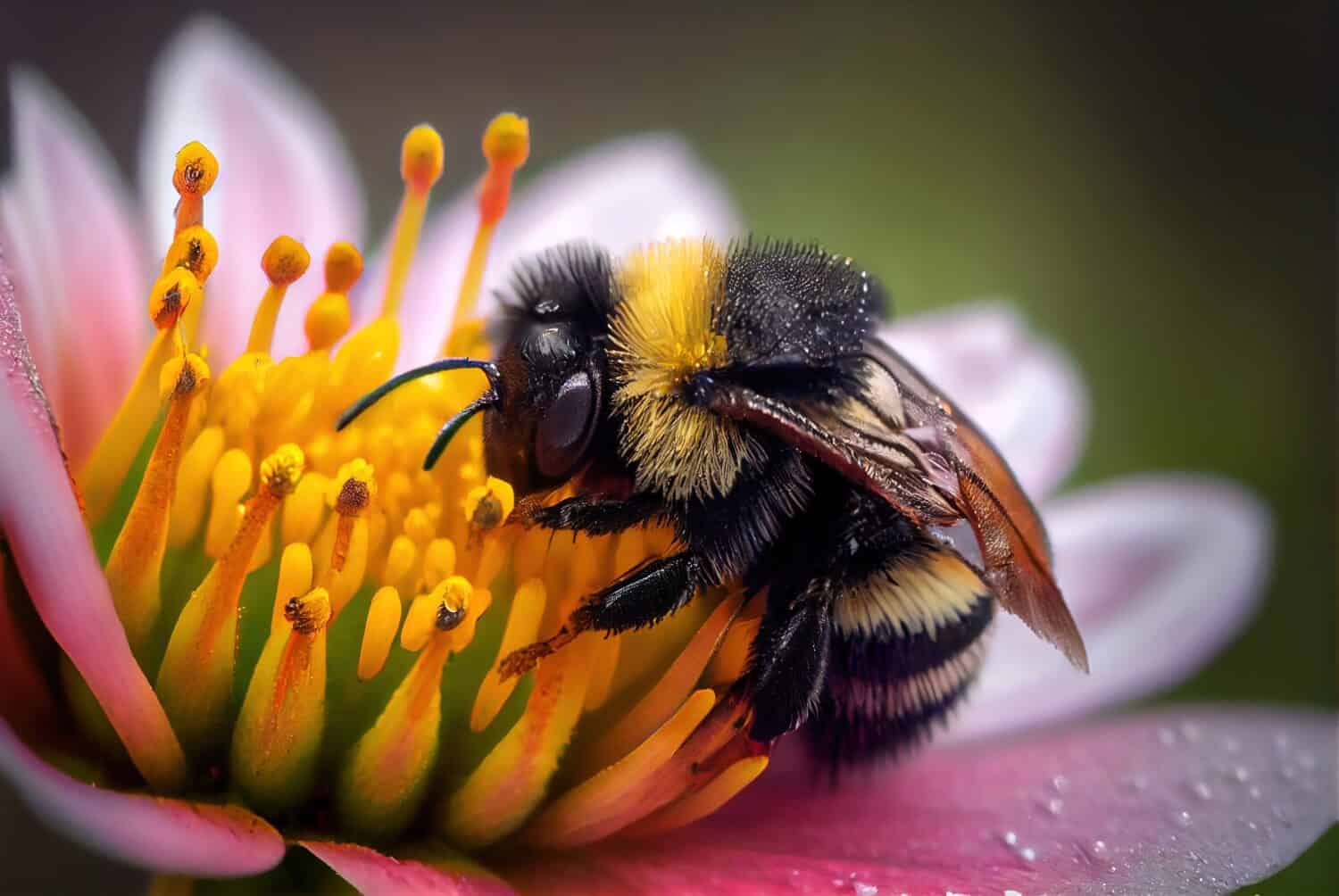
There are over 250 species of bumble bees. They are mostly found in temperate climates across the Northern Hemisphere. Some bumble bee species may reach as long as one inch. Their bodies have three segments, the head, thorax, and abdomen. Most of their bodies are covered in thick, fuzzy black and yellow hair in varying patterns. They are often mistaken for carpenter bees. However, the carpenter bee’s abdomen is partially hairless and shiny.
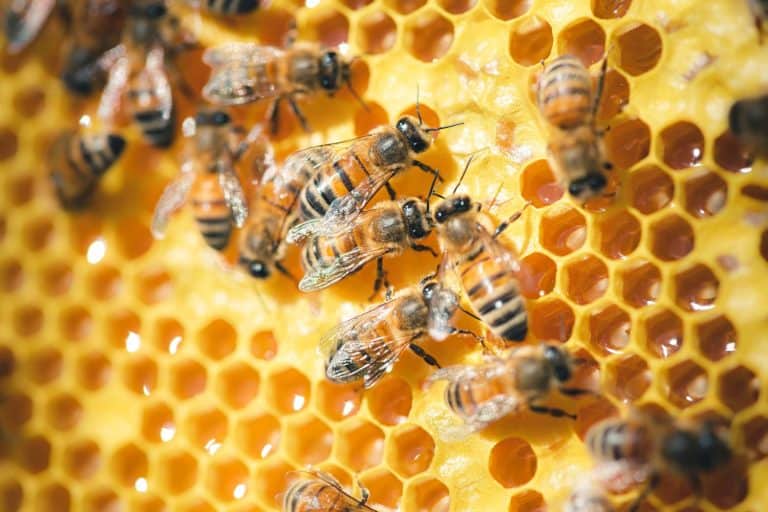
Bumble bees live in colonies of up to around 400 bees, depending on the species. They often nest near the ground in piles of dead leaves, wood piles, hay bales, and compost piles. These bees also use hollow logs, abandoned burrows, and grass tussocks. You may even find bumble bees in vacant bird nests and birdhouses.
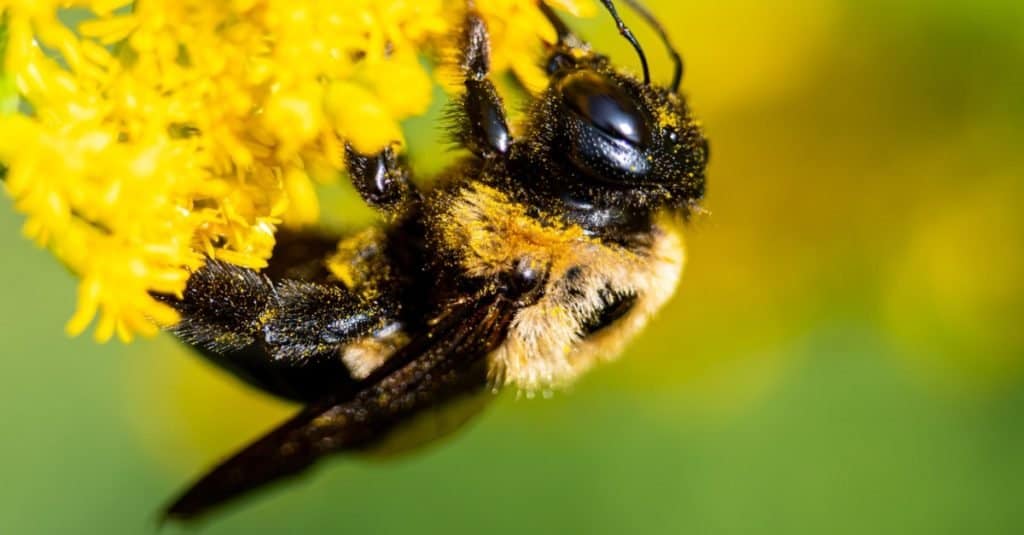
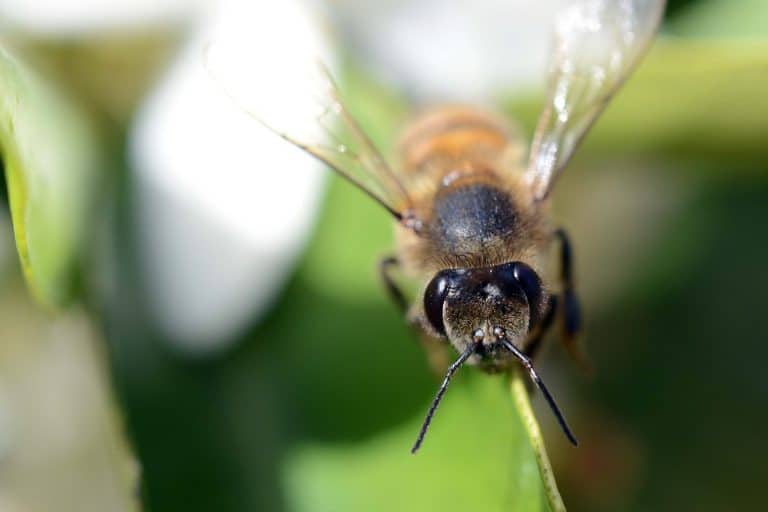
Bumble bees harvest nectar and pollen from flowering plants.
©Brier Mitchell/Shutterstock.com
What Do Bumble Bees Do?
Bumble bees are the construction workers of the pollination world, and they are experts at it. When the insect settles on a plant, the rapid beating of their wings and bodies creates a vibration in the flower. This encourages the flower to release pollen. We call the process buzz pollination, or sonication.
Bumble bees also have tongues of different lengths, depending on the species. They use these long tongues to reach pollen that is inside the plants. These differences allow bumble bees to pollinate a wider variety of plants more effectively.
Do Bumble Bees Sting?
So, do bumble bees sting? Absolutely. However, unlike honeybees, the procedure is by no means fatal to them. Honey bees have a barb that is left behind in the victim’s skin. Attempting to pull it out damages the abdomen of the belligerent bee and they die shortly after.
Fortunately, if you run across a solitary bumble bee, it tends to be calm. They won’t sting unless they believe there is a threat to themselves or the hive. Only the females have stingers. Stings typically occur because a bee gets stepped on or the hive is disturbed. Unfortunately, they can sting you multiple times.
What to Expect After a Bumble Bee Sting
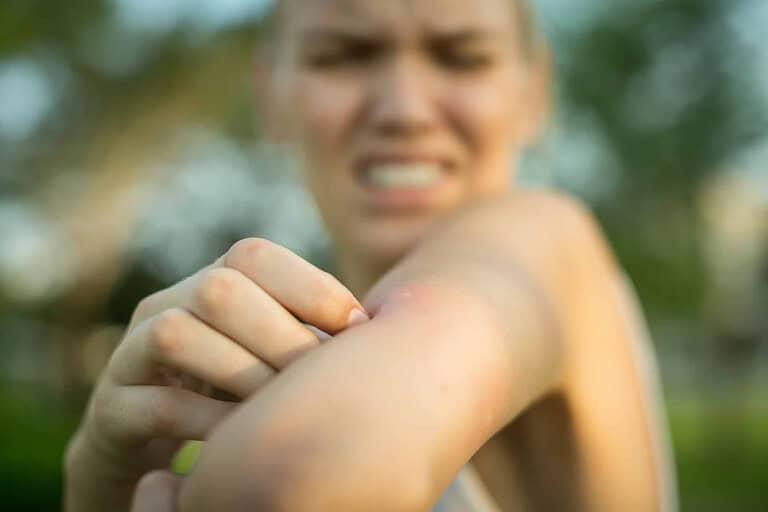
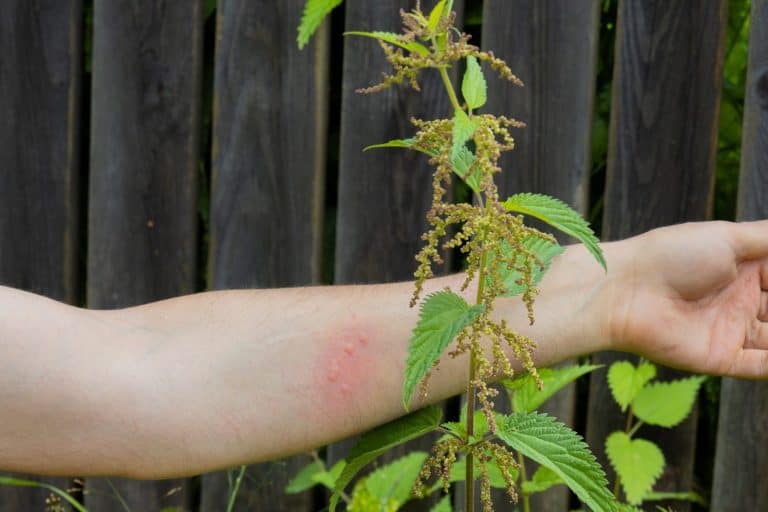
The venom in the stinger contains compounds that directly affect blood vessels. Usually, the reaction is redness, serious itching, and painful swelling. If the sting occurs on looser skin, the swelling can be pronounced. In most cases, the symptoms tend to go away soon or only last a couple of days. However, a sting to the throat or in the mouth is a serious matter as swelling can lead to breathing difficulties.
Certain medications may influence the severity of allergic reactions to bee stings. It’s important to consult with a healthcare professional for personalized advice if you go somewhere bees may be present. If you or someone you know is allergic to bee stings, make sure to have an emergency plan in place and be prepared to seek medical care if necessary.
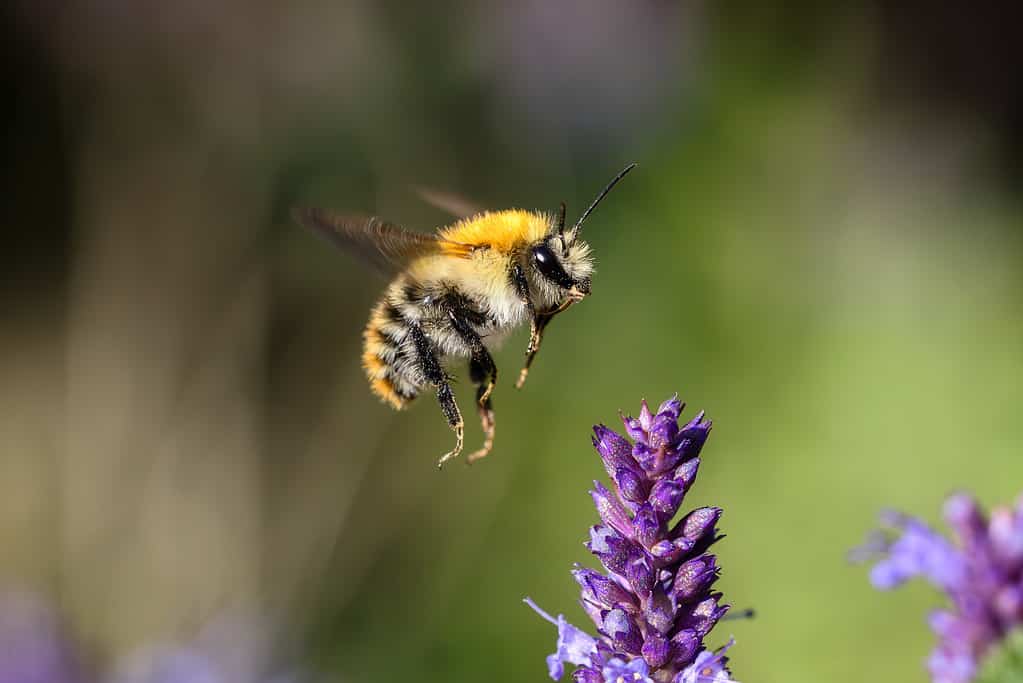
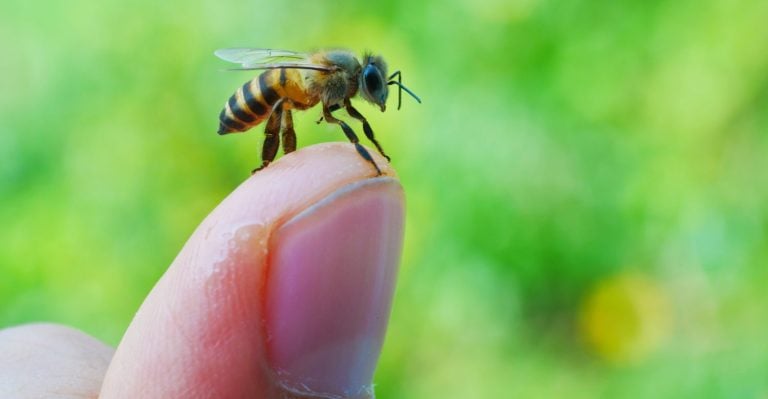
Bumble bees will only sting if they feel threatened.
©chris-mueller/iStock via Getty Images
How to Avoid Bumble Bee Stings
Bumble bees are peaceful creatures. They hover but they actually mean no harm until they feel provoked. Here are a few ways to prevent getting stung:
- Avoid swatting bumble bees or waving your arms.
- Do not try to squash a bumble bee.
- Stay clear of hives.
- Do not walk barefoot on your lawns if you have clover or other flowering weeds.
- Scoop live bees out of swimming pools and move them away from high-traffic areas.
- Avoid wearing bright patterns or scented products that may attract bees.